Apple Fiber Powder for Nutraceutical and Supplement Formulations
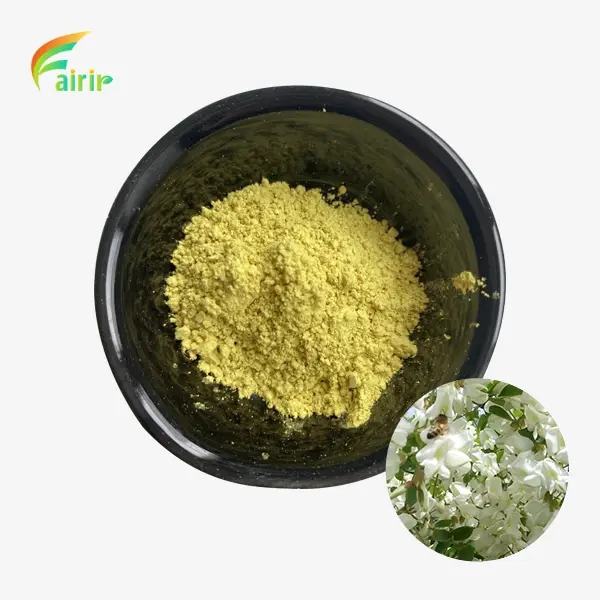
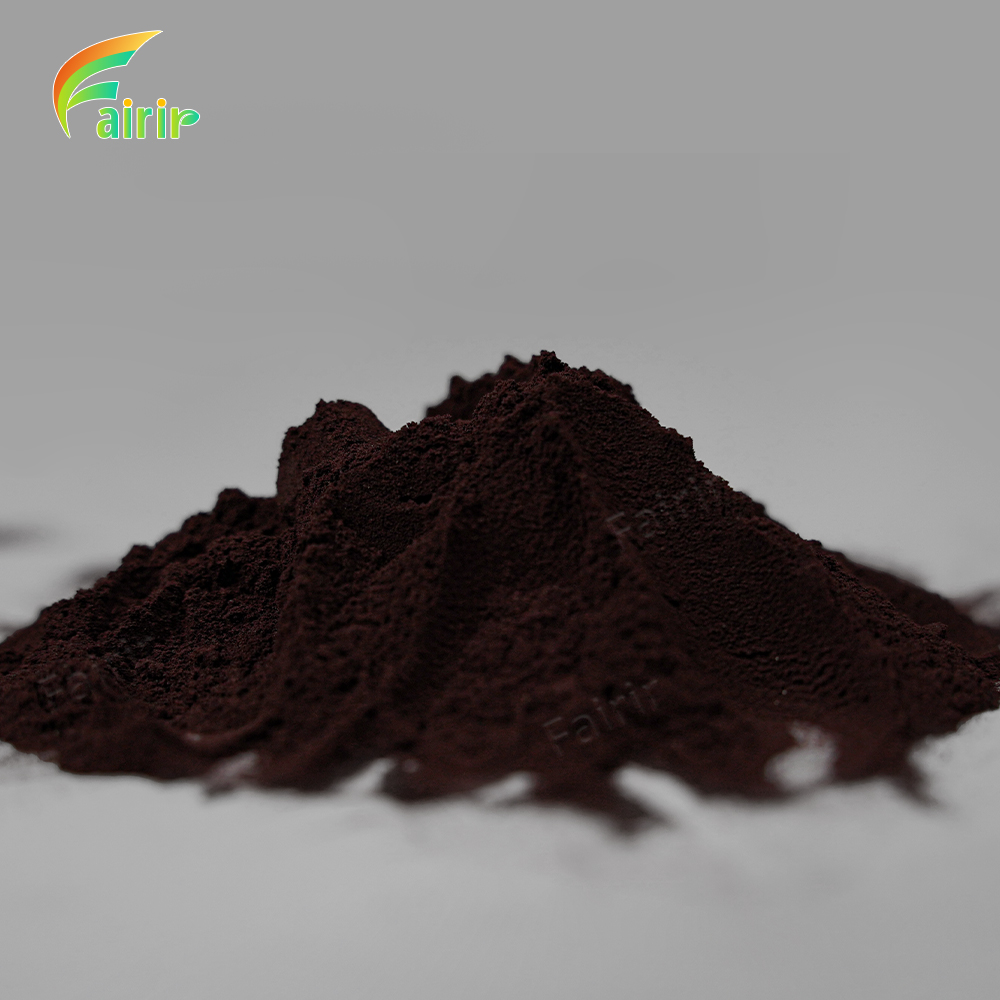
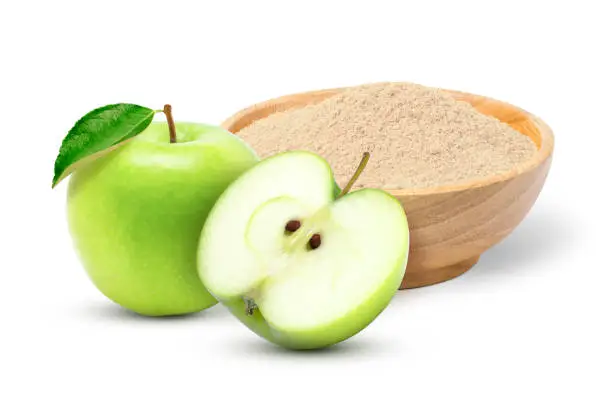
Apple fiber powder is a known ingredient for B2B formulators looking for clean-label, beneficial dietary ingredients. It is a brownish-yellow powder obtained from fresh apple fruit by improved mechanical and enzymatic processing that provides a balanced soluble pectin to insoluble cellulose ratio. Available at 60% and 98% purity requirements, it fits demanding needs across nutraceuticals, nutritional supplements and functional food applications. Certified organic, gluten-free, Non-GMO, and Vegan, it satisfies global regulatory requirements while supporting gut health, satiety, and cardiovascular wellness — making it a reliable raw material for serious supplement manufacturers.
Understanding Apple Fiber Powder and Its Nutritional Benefits
Apple Fiber Powder is made from the full fruit, not just the peel, meaning you get a greater blend of pectin, cellulose and hemicellulose. Apple Peel Fiber contains just the top layer. This whole matrix enables the intestines to move and the action of prebiotics. A research in Nutrients (2019) verified that the amount of beneficial Bifidobacterium is considerably increased by pectin-rich dietary fiber, which makes it even more valuable in microbiome-targeted formulations.
The powder is really good since it includes two kinds of fiber, soluble and insoluble. Soluble pectin helps to maintain regular flow of blood sugar after a meal and reduces the risk of heart disease by eliminating bile acid. Insoluble cellulose helps to keep your bowels regular. In terms of safety it is free from allergies, gluten, parabens, BSE/TSE and artificial colors and also free from allergens and gluten. This means that it may be used to build products, including that include sensitive consumer groups.
Comparison of Apple Fiber Powder with Other Dietary Fibers
When formulators look at different forms of dietary fiber, three ingredients are commonly compared: Apple Fiber Powder, psyllium husk and oat fiber. Each has its unique set of functional properties, which impact how the recipe ends out.
Psyllium husk is mainly soluble in water and creates a thick gel. This may make tablet and tablet compression difficult. Oat fiber has a mild, cereal-like flavor and is only minimally soluble. But it has to be processed a variety of various ways before it can get into small particles that can be utilized in tablets and gummies. Apple Fiber Powder is superior in neutralizing textures, and may be utilized in more scenarios. It works great in capsules, pills, softgels, gummies and tiny sachets, without affecting the flavor.
Here is a useful analysis based on three important factors:
- Ratio of Soluble/Insoluble: Apple fiber powder is a nice blend of the two, as oat fiber is more insoluble while psyllium husk is more soluble. This trade-off provides formulators with more flexibility to alter the pace of intestinal transit and satiety signals without blending modifications.
- Compatibility for processing: Apple fiber powder may be easily included in dry-blend and wet-granulation processes. It has a low moisture-binding propensity, which means less clumping during encapsulation, and a fine-milled consistency for better uniformity in tablet compression – an important quality element for nutraceutical makers that need to manage batch-to-batch stability.
- Certification Landscape: Organic apple fiber powder is certified by the EU Organic, USDA and EcoCert. These are credentials that psyllium and oat fiber vendors seldom equal in full. Distributors seeking to penetrate clean-label markets in Europe and North America need these credentials.
Manufacturers desire a flexible ingredient that they can use with a high degree of confidence and a minimal risk of formulation problems. Apple Fiber Powder provides these differences.
How to Incorporate Apple Fiber Powder into Nutraceutical Products
Claims that a dosage contains 3–5g of dietary fiber are normally supported by FDA and EFSA guidelines. The functional dosage of Apple Fiber Powder at 98% purity is 2 to 5 grams per serving depending on the health claim, digestive health, glycemic support or satiety control. 60% norm, slightly greater inclusion rates have the same physiological effects, which is ideal for bulk formulae that need to conserve cost.
The rules of integration processing are simple. When you dry-blend excipients like microcrystalline cellulose into pill and tablet lines, the flow characteristics are same. For gummy production, combining the pectin component with warm water prior to adding the gelatin ensures a smooth, lump-free texture. Controlling moisture is still highly critical . Store Apple Fiber Powder below 25°C. Keep the relative humidity below 60% to prevent caking and to maintain activity throughout the shelf life.
For minor orders, Fairir employs vacuum aluminum foil bags, while for large orders, they use 25 kilogram fiber drums with double-layer food grade poly bags. The packing solution preserves the powder throughout international shipment, for the benefit of distributors who have to handle customs lead times.
Procurement Guide for Bulk Purchase of Apple Fiber Powder
If you want to obtain lots of Apple Fiber Powder, it takes more than inexpensive pricing. The major elements that make a reputable supplier different from a bad one are constant quality, a wide range of certifications, and clear output information.
A good supplier of Apple Fiber Powder should have at least the GMP/cGMP approval, ISO 22000, HACCP and for the best alignment is the food safety management system FSSC 22000. Middle Eastern and Jewish shoppers are permitted to enter marketplaces with Halal and Kosher certification. Our Fairir facility offers the broadest certificate portfolio in the botanical extract sector. Kosher, ISO 22000, HALAL, USDA, FSSC 22000, HACCP, EU Organic, EcoCert, BS EN 15662, and cGMP Certified
Three things any B2B buyer should verify before they buy:
- Test Infrastructure: Require that providers employ HPLC, UV spectrophotometry, and GC procedures, not only visual or basic wet chemical assessments. These tools provide quantitative, exact determination of active fiber content, identification and purity.
- Production Scale and Lead Time for Delivery: Our 10,000 m² GMP-certified facility features 3 fully autonomous production lines with extraction efficiency up to 98%. We deliver in 1–3 working days, reducing inventory interruption for buyers on tight production schedules.
- Private Label and OEM Flexibility: Procurement teams growing their supplement lines benefit greatly from suppliers offering unique specifications, private labeling and small-batch R&D support. Free samples before committing to bulk. Less risk in evaluating.
These verification processes take procurement from a reactive position to a strategic supply chain advantage.
Future Trends and Innovations in Apple Fiber Powder for Nutraceuticals
U.S. supplement business continues to see customer desire for transparent, plant-based ingredients with clean labeling Fiber-based items climbed 11% year-over-year in 2023, according to SPINS retail data, while ingredients from apples gained traction in the gut health and metabolic wellness spaces. This trend suggests a significant need for high grade Apple Fiber Powder for many years ahead.
The cooking world is seeing trends in multifunctional apple fiber and postbiotic or plant-based protein blends. The regulatory organizations in the EU and US are making it difficult to achieve organic certification. This boosts the value of providers with EcoCert and USDA certificates already in place. Medium to big nutraceutical firms are turning to digital supply chain technologies like COA tracking systems and supplier audit software to evaluate vendors.
Conclusion
Apple Fiber Powder is an excellent nutrition item as it is regulation ready, clinically backed and can be utilized in a number of various ways. It is a wonderful option for supplement companies, food brands and R&D teams since it is composed of two types of fibers, has a broad variety of certifications and can be utilized in multiple delivery modalities. The clean label and gut health products industry in the U.S. continues to develop, and it’s more crucial to purchase your products from a certified, experienced producer. Choose the best Apple Fiber Powder provider today to safeguard the quality of your formulations and the security of your supply chain tomorrow.
FAQ
Q1: Is apple fiber powder gluten-free and suitable for allergen-sensitive formulations?
Yes. Our Apple Fiber Powder is guarantyd gluten free, allergy free, non-GMO and vegan. It's free from artificial colors, parabens and BSE or TSE derived compounds, making it suitable for sensitive and inclusive product lines targeting health-conscious consumers.
Q2: How does apple fiber powder compare to other fibers for digestive health?
Apple Fiber Powder contains soluble pectin and insoluble cellulose. This is good for the digestive system in more ways than single-fraction fibers like psyllium husk. The solid part helps keep things regular and the pectin fraction nourishes healthy bacteria in the stomach. This dual effect makes it more desirable for microbiome-centric supplement compositions.
Q3: What certifications should I verify before purchasing bulk apple fiber powder?
As a minimum, check GMP/cGMP, ISO 22000, HACCP and FSSC 22000. To be able to access global markets, obtain certificates from the USDA, the EU, Halal, and Kosher. Fairir has all of them, providing procurement teams with a one-stop shop for compliance solutions across many global marketplaces.
Partner with Fairir for Premium Apple Fiber Powder Supply
Fairir is a manufacturer of Apple Fiber Powder for sale that can confidently serve nutraceutical brands, supplement OEMs, and global distributors. Their production is GMP-certified, and their extraction process is 98% efficient. They also have a full certification portfolio. You can get free samples, and our R&D team can help you with unique requirements from the start. You can get in touch with our team at sales@fairirbiotech.com to get a price and start building a relationship with a trusted ingredient supplier.
References
1. Dhingra, D., Michael, M., Rajput, H., & Patil, R. T. (2012). Dietary fibre in foods: A review. Journal of Food Science and Technology, 49(3), 255–266.
2. Baxter, N. T., Schmidt, A. W., Venkataraman, A., Kim, K. S., Waldron, C., & Martens, E. C. (2019). Dynamics of human gut microbiota and short-chain fatty acids in response to dietary interventions with three fermentable fibers. mBio, 10(1).
3. Lattimer, J. M., & Haub, M. D. (2010). Effects of dietary fiber and its components on metabolic health. Nutrients, 2(12), 1266–1289.
4. SPINS LLC. (2023). U.S. Natural and Specialty Channel Sales Data: Fiber-Positioned Supplement Trends. SPINS Market Research.
5. Codex Alimentarius Commission. (2009). Guidelines on Nutrition Labelling CAC/GL 2-1985. Food and Agriculture Organization of the United Nations.
6. Marlett, J. A., McBurney, M. I., & Slavin, J. L. (2002). Position of the American Dietetic Association: Health implications of dietary fiber. Journal of the American Dietetic Association, 102(7), 993–1000.