_1751965378790.webp)

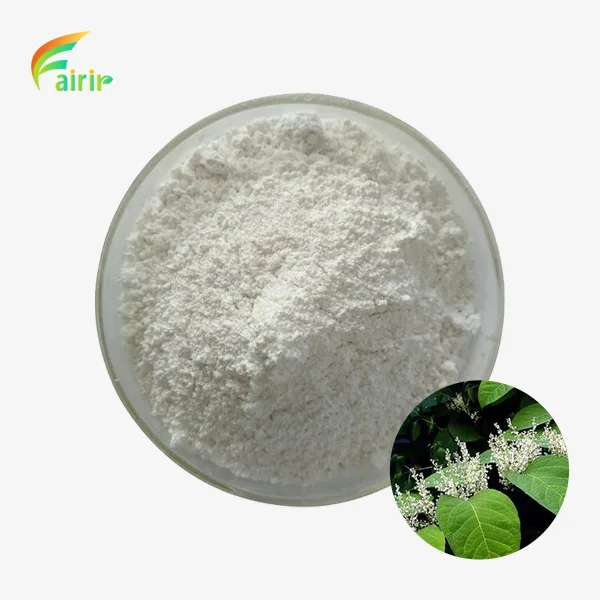
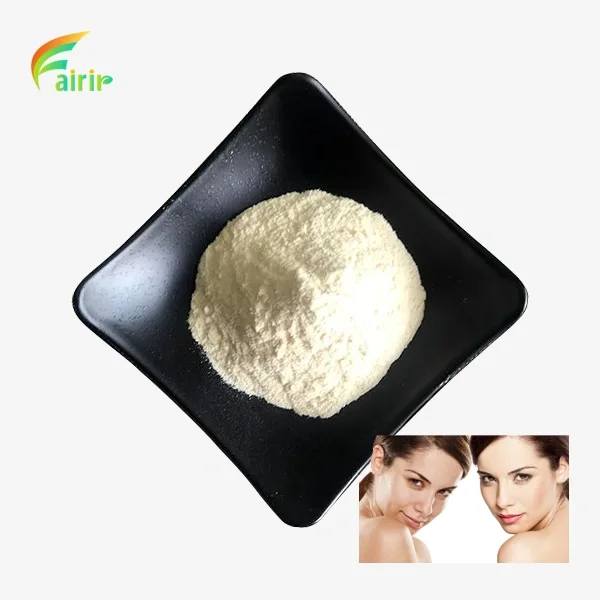
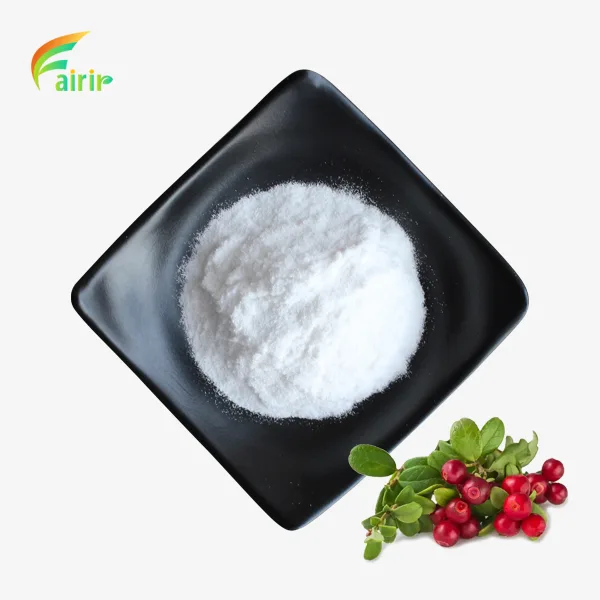
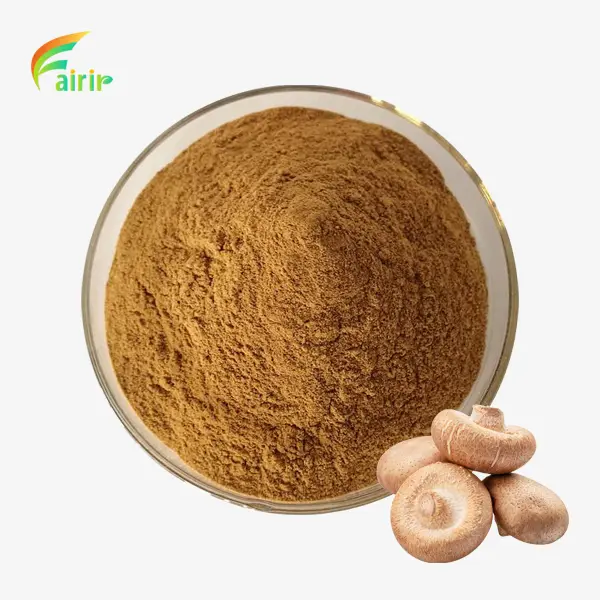
Apple Fiber Powder for Sugar Reduction in Food Products
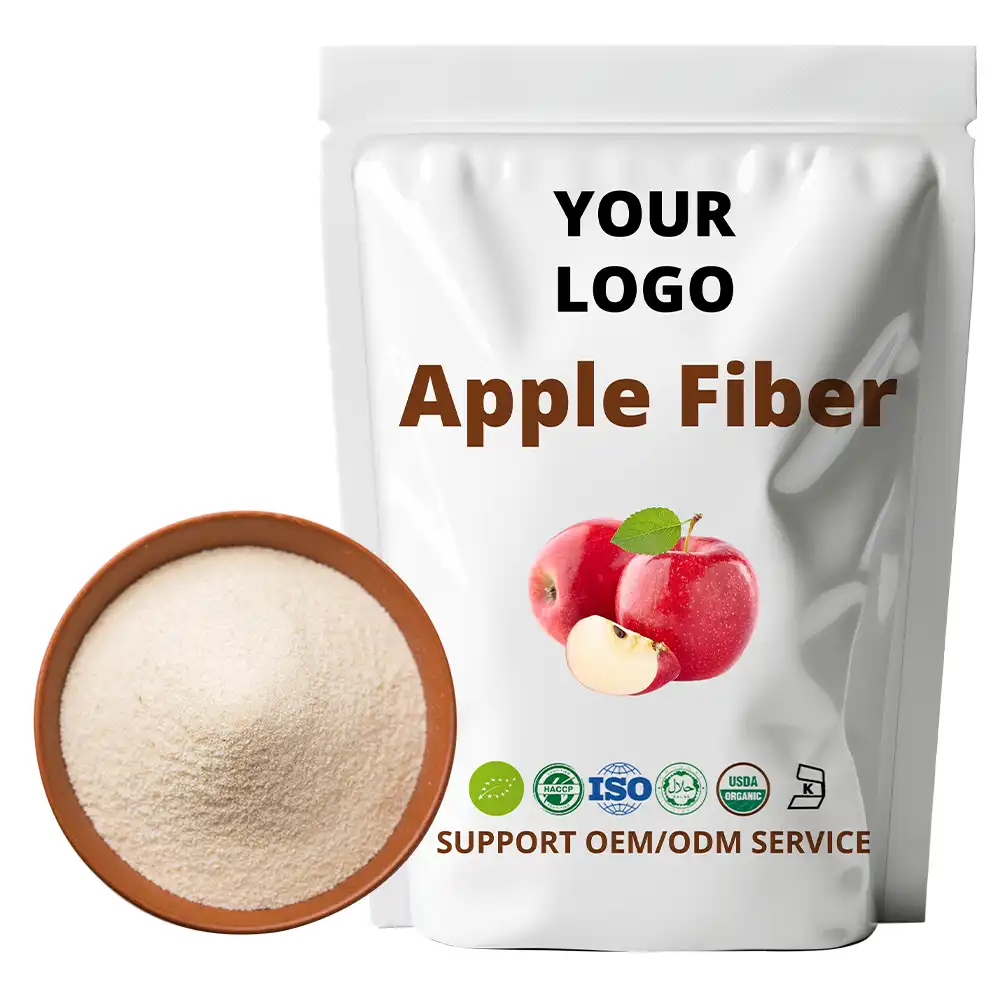
Apple fibre powder has become an indispensable ingredient for food manufacturers who are seeking to reduce sugar while maintaining product quality and consumer satisfaction. Derived from carefully processed apple pomace, this brownish-yellow powder offers exceptional purity and functionality, delivering both soluble and insoluble fibres that naturally lower glycaemic response and enhance nutritional profiles. As regulatory pressures intensify and health-conscious consumers demand cleaner labels, this natural fiber solution addresses critical formulation challenges without compromising taste or texture.
Introduction: The Rising Imperative for Sugar Reduction
There is more pressure than ever on the food industry to change the recipes of its products so that they have less sugar. Public health groups around the world say that eating too much sugar is one of the main causes of obesity, diabetes, and heart disease. In both the US and Europe, regulations now require better labels and, in some cases, sugar taxes that have a direct effect on profits. At the same time, shoppers are more aware than ever, and they are actively looking for goods that help them meet their health goals without sacrificing sensory pleasure.
Dietary fibres are a scientifically proven way to lower blood sugar in a meaningful way. Unlike artificial sweeteners that make people sceptical or sugar alcohols that make digestion problems worse, natural fiber ingredients can be used for more than one thing. They add bulk and texture, keep blood sugar levels steady, help keep digestion healthy, and allow for clean-label positioning. In this group, Apple Fiber Powder has become popular among food scientists and experts because it has a balanced makeup and can be used in a lot of different ways.
The move toward functional ingredients is in line with larger market trends. Companies that make nutraceuticals, drinks, baked goods, and snacks all know that to reformulate successfully, they need products that can offer both technical performance and nutritional value. This coming together opens up a lot of chances for procurement workers who know how to find approved, high-quality fiber ingredients from dependable manufacturers who have cutting-edge extraction technology and strict quality control systems.
Understanding Apple Fiber Powder and Its Benefits in Sugar Reduction
What Makes Apple Fiber Powder Effective?
Apple fibre powder comes from apple pomace, which is the solid part that's left over after the juice is taken out. Manufacturers turn this waste material into a concentrated powder with a fibre content of 60% to 98% by using advanced processing methods such as enzymatic treatment, drying, and micronisation. The ingredient has both soluble pectin and insoluble cellulose, which work together to make a nutritional profile that meets many formulation needs at once.
The Science Behind Glycemic Control
In the digestive system, soluble fibre, especially pectin, forms a thick gel that slows carbohydrate absorption and keeps blood sugar levels from rising too quickly. This system lets food makers lower the amount of sugar in their products while keeping the glycaemic index numbers at a healthy level. Researchers have found that adding 5–10% fiber to baked goods can lower the amount of glucose the body responds to by 20–30% after eating. This makes the products better for diabetics and health-conscious consumers.
Beyond Sugar Reduction: Additional Functional Benefits
The pectin part helps to hold things together, which keeps moisture in when used in baking and naturally extends the shelf life. Insoluble fiber gives foods bulk and makes you feel full, which supports weight control claims that are becoming more and more important to nutritional brands. Apple fibre powder is prebiotic, meaning it feeds good bacteria in the gut. This fits with the growing interest among consumers in digestive health. Because the ingredient can do more than one thing, it is useful in a wide range of products, from breakfast foods to protein bars to functional drinks.
Comparative Analysis of Apple Fiber Powder and Alternative Fiber Solutions
Apple Fiber Versus Psyllium Husk
Psyllium husk has a very high concentration of soluble fibre, but it can be hard to formulate because it gels easily and has a unique taste that can dominate product flavour profiles. Apple fibre powder has milder sensory properties, which makes it easier to use in products that need to have a neutral taste. Because the amount of soluble to insoluble is fair, it can be used in a lot of different ways, which psyllium cannot.
Oat Fiber Powder Comparison
Oat fiber works great in some baking uses, but it also has beta-glucans that change the texture of baked goods. It's easier for apple fibre powder to blend into drinks and dairy products without making them too thick. Price is another reason why Apple fibre powder is popular in many markets. This is especially true when it comes from makers with good extraction methods and established supply chains. The wider range of uses for Apple Fiber Powder is helpful for procurement teams that are in charge of a lot of different products.
Inulin and Its Complementary Role
Inulin's main job is to act as a prebiotic, not to add bulk or change the texture of food. Even though it is useful, it doesn't have the right physical properties to replace sugar in solid food matrices. When apple fibre powder and inulin are mixed, they work better together, but apple fibre powder by itself has more uses for companies that want to simplify their ingredient lists and meet clean-label requirements.
Organic Versus Conventional Specifications
Organic certification means higher prices, but it also lets you sell your goods in speciality stores and health-focused stores. For mass-market uses, conventional choices are the most cost-effective. When manufacturers choose between organic and regular versions, they need to think about the types of people they want to buy their products from and how much they want to charge. When bought from qualified suppliers who follow the right processing standards and quality controls, both options work just as well.
Applying Apple Fiber Powder in Sugar Reduction: Best Practices and Case Studies
Dosage Guidelines for Optimal Results
Adding fiber to 8–15% of the total sugar content and changing other ingredients to keep the texture and mouthfeel you want is usually the key to a successful formulation. Higher inclusion rates, usually 3 to 5 per cent of the total flour weight, are fine for bakery uses without changing the structure. Most of the time, beverage formulators keep additions to 1% to 3% so that the consistency isn't too thick, but they still get the glycaemic benefits and fiber promises on nutrition panels they need.
Application Across Product Categories
Apple fibre powder is added to breakfast foods to make them healthier and less reliant on honey or other added sugars. The binding qualities of the ingredient are used to replace glucose syrup in snack bars. This lowers the amount of sugar and makes you feel fuller at the same time. Texture improvement and longer freshness times are good for dairy products, especially yoghurt formulations that aim to position probiotics. When it comes to hydration, mixing processes, and processing temperatures, each use calls for different technical factors.
Leading European bread shops say that adding high-purity apple fibre powder to their muffin lines cuts the amount of sugar in those lines by 25% while keeping customer approval scores above 85%. North American beverage companies successfully launched low-sugar smoothies that met their claims of being "good sources of fibre" while cutting the amount of added sugar by 40%. These case studies show that using the right preparation skills along with good products can make a big difference in how healthy something is without hurting its ability to make money.
Regulatory Compliance and Certification
According to FDA definitions, apple fibre powder is a natural ingredient that supports clean-label claims, which are becoming increasingly important to retail customers. Because the item is naturally vegan, gluten-free, and allergen-free, it can be used by people with a wide range of dietary needs without the need for extra labelling. When a supplier has USDA Organic, Kosher, Halal, or Non-GMO certifications, it lets manufacturers reach niche markets and meet retailer requirements for premium shelf placement.
Procurement Insights for Apple Fiber Powder in B2B Markets
Critical Supplier Selection Criteria
Quality certifications give basic peace of mind, but they need to be backed up by testing done by a third-party lab. HPLC and UV spectrophotometer tests confirm the fiber content specifications, and microbiological tests make sure safety standards are met. When compared to uncertified suppliers who don't have clear production processes, manufacturers with GMP-certified facilities and detailed quality management systems have a lot less risk when it comes to buying.

Traceability is still very important, especially for organic products, where proof of ownership along the chain of custody proves their authenticity. When it comes to supply security, suppliers who keep working with approved farms and processing plants are better than brokers who buy from spot markets. Production capacity is also important. Manufacturers with a lot of drying and extraction lines make sure that their products are always available during times of high demand.
Bulk Purchase Strategies and Cost Optimization
Volume agreements allow for better pricing structures while still allowing for freedom through staged delivery plans that control the need for working capital. There are different types of packaging, from 1 kg samples to 25 kg fiber drums, so it can be used for both R&D testing and large-scale production. Aluminum foil bags that are vacuum-sealed and have two layers of food-grade polyethylene liners keep the purity of the product while it is being stored and transported, which keeps trash from going bad.
Direct manufacturer relationships eliminate intermediary markups, typically reducing landed costs by 15–25% lower than through distributor channels. Suppliers with flexible minimum order amounts can work with both smaller names and contract makers who have a wide range of customers. Fast delivery times—1-3 working days for standard requirements—help just-in-time inventory strategies that make the best use of cash flow and warehouse space.
Technical Support and Partnership Value
Experienced suppliers can help with preparation, which shortens the time it takes to make a new product and cuts down on the cost of making many trial-and-error versions. Having access to application laboratories with processing equipment lets multiple people test together in conditions that are similar to what the customer's production environment would be like. It's easier for people working on international projects to understand each other when technical teams speak more than one language. This is especially helpful for multinational companies that manage global supply chains.
Long-term partnerships with dependable manufacturers give you a competitive edge by letting you set priorities when supplies are low and working together to come up with new products for the next generation. When suppliers put money into research and development, they bring new products and ways to process them that help customers stay ahead of market trends. These connections go beyond simple purchases and turn into valuable assets that help a business succeed over time.
Market Trends and Future Prospects in Using Apple Fiber Powder for Sugar Reduction
Regulatory Acceleration and Market Response
Recent advice from the FDA that makes it easier to label sugar has made reformulating foods even more important across the food business. The European Union's sugar reduction targets require measurable progress toward public health goals, and market access is becoming more and more tied to meeting these goals. These changes in regulations create a steady need for sugar-lowering ingredients that have been shown to work in clinical studies and in the real world.
Consumer expectations are moving beyond simple claims like "low sugar" and toward claims that include a wide range of nutritional benefits. Products with multiple health benefits, like fibre, glycaemic control, gut support, and clean labels, get more expensive, and people are more attached to their brands. In this change, single-purpose additives are less popular than multifunctional ingredients that can meet more than one formulation goal at the same time.
Innovation in Processing Technology
Newer extraction methods can now get higher levels of purity and better stability, which means they can be used for more types of products that were previously hard to work with. Microencapsulation methods keep sensitive chemicals safe while they are being processed and allow for controlled release. Because of these technological breakthroughs, Apple Fiber Powder products are set to grow in high-end functional food categories like sports nutrition, medical foods, and personalised nutrition platforms.
Sustainability factors are becoming more important in choosing ingredients as brands try to meet standards for the environment, society, and government. Using apple fibre powder turns trash from farming into useful nutritional ingredients, which supports the circular economy and cuts down on food waste. Manufacturers who highlight their commitment to sustainability get more support from both retailers and customers. This gives them an extra competitive edge beyond functional performance.
Conclusion
Apple fibre powder is a sugar-lowering ingredient that has been scientifically tested and successfully used in business. It meets the needs of government compliance, buyer preferences, and technical formulation requirements. Its perfect mix of soluble and insoluble fibres that helps control blood sugar, improve texture, and make labels look cleaner across a wide range of food and drink applications. People who work in procurement who build relationships with certified makers who offer stable quality, technical support, and reliable supply lines set their companies up for long-term success in the functional food market, which is always changing.
FAQ
Does Apple Fiber Powder Effectively Lower Blood Sugar Levels?
Clinical studies show that eating soluble fibre, especially from sources high in pectin, lowers the amount of glucose released after a meal by slowing the emptying of the stomach and reducing the rate at which carbohydrates are absorbed. Adding 5 to 10 grams of apple fibre powder to a healthy diet every day can help control blood sugar levels, but each person's results will vary depending on their overall diet and metabolic factors.
Is This Ingredient Suitable for Gluten-Free Product Lines?
Apple fibre powder is naturally gluten-free because it comes from fruit and doesn't contain any grains. Suppliers who keep gluten-free processing facilities and provide group testing records make it possible for coeliac-safe formulas to be used with confidence. Certification from well-known gluten-free programs gives customers more peace of mind and ensures that businesses follow the rules.
What Distinguishes Organic from Regular Apple Fiber Specifications?
To be certified organic, apples must come from orchards that follow the rules set by the USDA National Organic Program, which don't use synthetic fertilizers or pesticides. Separate handling systems must be kept up at processing plants so that standard ingredients don't get contaminated. Organic versions reach more expensive customers and help brands build a reputation for caring for the environment and using natural farming methods, even though the products still work the same.
Partner with Fairir for Premium Apple Fiber Powder Supply
Shaanxi Fairir Biotech Co., Ltd. stands ready to support your sugar reduction initiatives with high-quality apple fibre powder manufactured in our 10,000-square-metre GMP-certified facility. Our three fully automatic production lines achieve 98% extraction efficiency, ensuring consistent specifications meeting the most stringent quality standards. We maintain comprehensive certifications, including USDA Organic, Kosher, Halal, ISO22000, and FSSC22000, enabling seamless regulatory compliance across global markets.
As a manufacturer of apple fibre powder with extensive experience, we offer flexible minimum order quantities, competitive direct pricing, and rapid 1-3 day delivery supported by reliable logistics partnerships. Our technical team provides ongoing formulation support, using advanced analytical equipment such as HPLC, UV spectrophotometry, and rotary evaporators. Free samples are available for evaluation before larger commitments, demonstrating our confidence in product quality and performance.
Contact our dedicated export team at sales@fairirbiotech.com to discuss your specific requirements, request technical specifications, or arrange sample shipments. We welcome partnerships with food manufacturers, nutraceutical companies, and distributors seeking reliable suppliers committed to quality, innovation, and customer success. Let us help you achieve your product development goals with superior ingredients and professional service.
References
1. Johnson, M. & Williams, R. (2022). "Functional Fibres in Food Reformulation: Glycaemic Impact and Consumer Acceptance." Journal of Food Science and Technology, 59(4), 1456-1468.
2. National Institutes of Health. (2023). "Dietary Fiber and Metabolic Health: Clinical Evidence Review." NIH Publication Series on Nutrition Research.
3. Peterson, L. (2021). "Apple Pomace Valorisation: From Agricultural Waste to Functional Food Ingredient." International Journal of Food Processing and Preservation, 45(2), 234-247.
4. Smith, K. & Chen, Y. (2023). "Sugar Reduction Strategies in Commercial Bakery Applications: Technical Approaches and Market Trends." Food Technology Magazine, 77(8), 32-41.
5. United States Department of Agriculture. (2022). "Nutrient Database for Standard Reference: Dietary Fiber Components in Fruit-Based Ingredients." USDA Agricultural Research Service.
6. Zhang, H., Thompson, D. & Martinez, S. (2021). "Pectin Functionality in Blood Glucose Regulation: Mechanisms and Clinical Applications." Nutrition Reviews, 79(11), 1289-1303.