Astaxanthin Powder vs Lutein: Which Is Better for Your Eyes?
Procurement professionals often compare the benefits of two great carotenoids, astaxanthin and lutein, when looking for ingredients for eye health products. Astaxanthin Powder is superior to lutein in terms of antioxidant effectiveness and has the ability to cross the blood-retina barrier. This strong keto-carotenoid comes from the microalgae Haematococcus pluvialis. It fights oxidative stress at the cellular level and keeps eye tissues safe from damage caused by light and environmental stressors. Nutraceutical companies that want to use high-quality ingredients need to know how these two compounds work and what they should look for when buying them in order to make competitive eye health products.
Understanding Astaxanthin Powder and Lutein: Key Eye Health Nutrients
Choosing carotenoids that protect the eyes specifically is the first step in making eye health supplements work. Even though both astaxanthin and lutein are carotenoids, their chemical structures, sources, and biological functions are very different.
Natural Origins and Extraction Methods
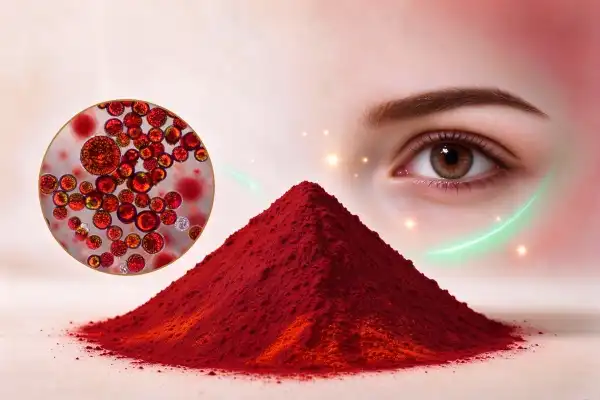
Astaxanthin Powder mostly comes from Haematococcus pluvialis, a type of freshwater microalgae that is grown in a controlled environment to get the highest percentage of carotenoids. Manufacturers change the lipophilic oleoresin into stable, free-flowing powders by extracting it with supercritical CO2 and then using advanced microencapsulation technologies. This process fixes important problems with raw astaxanthin oil, like how easily it oxidizes, how hard it is to handle, and how short its shelf life is. As a result, the product keeps its solubility and can be easily added to solid-dose formulas.
Most lutein comes from marigold flowers (Tagetes erecta), which are extracted using solvents. The pure extract usually has lutein and zeaxanthin, which are both isomers of lutein and naturally build up in the macular area of the eye. While lutein from marigolds has a stable supply chain and a history of safety, the extraction method needs to be closely watched to make sure it is pure and gets rid of any solvents that are left over.
Chemical Properties and Antioxidant Mechanisms
The molecules that make up astaxanthin have a special structure with hydroxyl and keto groups that let them cross all cell walls. Because of how it is arranged, the compound can neutralize free radicals both inside and outside of cells at the same time, protecting them completely from oxidative damage. According to research, this keto-carotenoid is about 6,000 times more powerful than vitamin C as an antioxidant and a lot stronger than other carotenoids at quenching free radicals.
Lutein's main job is to block high-energy blue light wavelengths from reaching photoreceptor cells in the retina. It builds up in the macular pigment and forms a protective layer that lowers photo-oxidative stress. However, lutein's antioxidant activity works in a different way than astaxanthin's, which means it is not as good at crossing the walls between the blood and the brain and the eye.
Bioavailability and Tissue Distribution
Figuring out how these chemicals get to the tissues in the eye affects how they are made and how much to use. When properly microencapsulated, Astaxanthin Powder has a high bioavailability and spreads throughout the eye's tissues, such as the retina, lens, and ciliary bodies. Because it is lipophilic, it works best when combined with dietary fats. However, new powders that use cold-water dispersible technologies can improve absorption without the need for extra carriers.
Lutein builds up in the macula and lens, and the highest levels are found in the plasma several hours after eating. Bioavailability depends on the food matrix and the amount of fat in the food. The compound needs bile acids to be absorbed. This specific buildup is good for the health of the macula, but it reduces lutein's antioxidant activity compared to astaxanthin, which is found in more tissues.
Astaxanthin Powder vs Lutein: Scientific Evidence and Efficacy for Eye Health
Clinical studies are what help formulation scientists choose ingredients by pointing them toward compounds that have been shown to work and have clear processes of action.
Antioxidant Capacity and Ocular Protection
Several studies have shown that Astaxanthin Powder has better antioxidant benefits in the cells of the eye. In studies with people who had visual display terminal syndrome, taking 6 mg of natural astaxanthin every day for four weeks significantly reduced eye fatigue, improved accommodation amplitude, and decreased subjective symptoms of eye strain. Because it can stop singlet oxygen and neutralize reactive oxygen species, the substance saves retinal cells from damage caused by light and oxidative stress that comes with getting older.
Research on lutein demonstrates its protective role against age-related macular degeneration (AMD) and cataracts through blue light filtration and localized antioxidant activity. The Age-Related Eye Disease Study 2 (AREDS2) established that lutein supplementation at 10 mg daily, combined with zeaxanthin, reduced progression to advanced AMD in at-risk populations. However, lutein's preventive benefits manifest primarily in macular health rather than addressing systemic ocular fatigue or accommodation flexibility.
Clinical Outcomes and Dosage Considerations
The best dose for these two carotenoids is different because of how strong they are and how they are distributed. Clinical effects of Astaxanthin Powder can be seen at fairly low doses, with effective ranges between 4 and 12 mg per day based on the formulation and the results that are wanted. Studies that checked the flow of blood to retinal capillaries found that taking 6 mg every day improved eye circulation factors. This helped send nutrients to photoreceptor cells and get rid of waste.
Lutein requires higher daily doses, typically ranging from 10 to 20 mg for therapeutic effects. The compound's accumulation in macular pigment occurs gradually over months of consistent supplementation, requiring patience from consumers and clear communication about realistic timelines for benefits. This slower onset of action influences marketing strategies and consumer expectations compared to astaxanthin's more rapid symptomatic improvements.
Synergistic Potential and Combined Formulations
There is evidence that mixing these carotenoids may offer benefits that work hand-in-hand, improving many areas of eye health at the same time. Astaxanthin Powder and lutein work well together because astaxanthin is a powerful antioxidant that protects cells and breaks down barriers between the blood and the eye, and lutein improves the colour of the macula. This method works well for business-to-business clients who are making eye health goods for a wide range of customer needs, such as digital eye strain and age-related macular degeneration.
Manufacturers must carefully balance dosages when making mixed formulations to get the most bioavailability out of both compounds and avoid competitive absorption. When mixed together, advanced delivery systems like liposomal encapsulation or emulsification technologies can make it easier for the body to absorb both lipophilic carotenoids.
Key Considerations in Choosing Between Astaxanthin Powder and Lutein for Procurement
When choosing basic materials for eye health supplements, it's important to look closely at the qualifications of the seller, the product specs, and how well the materials can be made with other materials.
Quality Standards and Supplier Certification
Teams in charge of buying Astaxanthin Powder must make sure that the companies that provide it keep their GMP certification up to date and set up thorough quality management systems. Our 10,000-square-meter GMP-certified plant at Fairir has 14 stainless steel extraction tanks with capacities ranging from 500 to 3,000 litres. This helps ensure that the quality of each batch is the same. We use HPLC measurement, which is the best way to measure astaxanthin content, to make sure that our specifications are met from 1% purity levels up to 96% purity levels. This method accurately tells the difference between astaxanthin and other carotenoids that might make UV spectrophotometry readings look better than they really are.
Stereoisomer analysis proves that the astaxanthin comes from microalgae by showing that it has the dominant (3S,3'S) visual structure. Because synthetic alternatives have a racemic mixture that doesn't have the biological activity of natural isomers, this verification is very important for premium positioning. Extra tests include finding pheophorbide to make sure that the breakdown products of chlorophyll stay below safe levels and screening for heavy metals using ICP-MS to meet the requirements of Proposition 65 and the EU Pharmacopeia.
Formulation Formats and Manufacturing Integration
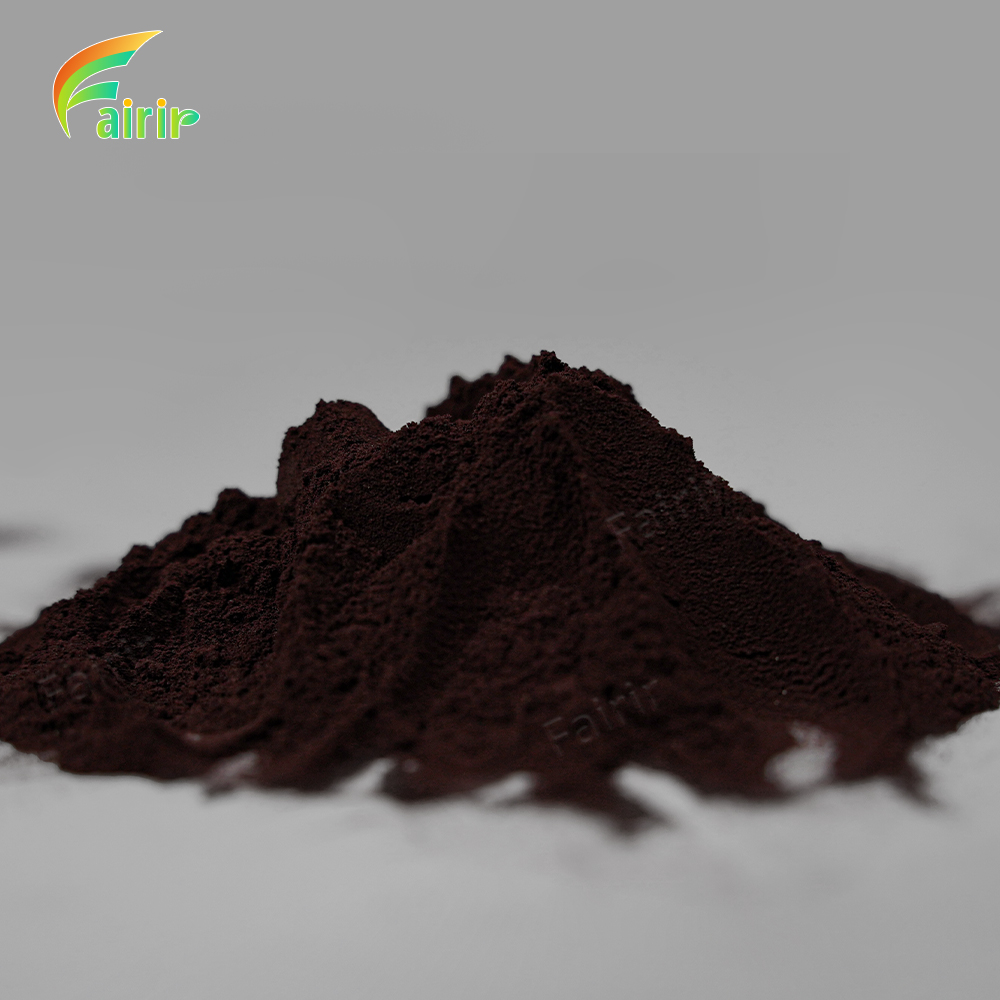
The different forms of Astaxanthin Powder affect how production works and the end product's properties. It is best to use spray-dried powders because they are stable and easy to compress when making tablets. Cold-water dispersible beadlets can be added to drinks and liquid supplements. Our brown-red powder comes in a range of concentrations, from 1% to 96%. This gives you the freedom to make a wide range of products, such as capsules, tablets, softgels, and gummies.
Packaging options affect ingredient stability during storage and transportation. We provide vacuum-sealed aluminum foil bags for smaller quantities and fibre drums with double-layer food-grade polyethylene bags for 25 kg bulk shipments. These protective measures prevent oxidative degradation and moisture exposure that could compromise astaxanthin integrity during warehousing and distribution.
Pricing Dynamics and Supply Chain Reliability
Cost factors include more than just the price per kilogram. They also include the total landed cost, which includes the costs of logistics, customs clearance, and keeping inventory. Our location in Xi'an City, Shaanxi Province, gives us easy access to foreign shipping routes. Our three fully automatic production lines make extraction up to 98% more efficient, which means we can offer reasonable prices without lowering the quality of our products. We help wholesalers get the best order numbers based on predicting demand and storage space by communicating quickly and providing unique solutions.
Long-term supply agreements benefit both parties by stabilizing pricing and ensuring priority allocation during peak demand periods. As a reliable company that makes Astaxanthin Powder, we keep in touch with drug companies, supplement companies, and cosmetic brands that are looking for reliable ingredient sources. Our experienced team, which includes 11 people with master's degrees in research and development, works with clients to solve technology problems and help them come up with new products.
How Astaxanthin Powder Adds Value to Eye Health Product Lines
Adding premium carotenoids to supplement lines helps them stand out and meets the growing demand from customers for eye health solutions backed by science.
Market Positioning and Product Differentiation
More and more people are using digital devices, which makes them more aware of how to take care of their eye health. This creates strong market possibilities for specific supplements. Astaxanthin Powder lets companies market their goods as high-tech ones that are backed by a clinical study on reducing eye fatigue and helping with accommodation. People who care about their health and want to take action against screen-related eye strain are interested in marketing claims that are backed up by published studies.
Quality certifications boost the credibility of a brand and make it easier to get into new markets, even in places with strict rules. Our ISO, USDA Organic, EU, and Halal certifications show that we are committed to meeting foreign quality standards. This makes it easier for wholesalers who are going into multiple markets to comply with export regulations and paperwork. Verification through third-party testing gives customers more confidence, which supports higher price strategies.
Custom Formulation and Private Labelling
For our business-to-business customers, we offer full custom formulation services that turn raw materials into finished goods that meet the needs of each brand. We can private-label pills, tablets, softgels, gummies, and small packs, and we handle the whole production process, from finding the ingredients to packing them up. This "turnkey" method cuts down on the time it takes to get a new product line to market and the amount of money that needs to be spent on it.
Our analytical tools, such as HPLC, UV spectrophotometry, and rotary evaporation equipment, help with formulating better products and testing their stability as they are being made. Our R&D team's technical know-how makes sure that Astaxanthin Powder formulations stay effective over time while also achieving the desired organoleptic properties that make them more appealing to consumers.
Supporting Documentation and Regulatory Compliance
To get into a market successfully, you need a lot of paperwork, like certificates of analysis, stability studies, and safety reports. We give full scientific details for every batch, including purity levels, microbial test data, and heavy metal analysis. Our goods meet the standards for organic approval, non-GMO verification, and allergen-free status, so they can meet the needs of a wide range of customers and government regulations in different countries.
Transparency in sourcing and manufacturing processes builds trust with procurement teams evaluating potential suppliers. We welcome facility audits and maintain detailed traceability records from microalgae cultivation through final product packaging. This openness reflects our confidence in quality systems and commitment to long-term partnership success.
Conclusion
When comparing astaxanthin and lutein, they each have their own benefits that depend on the formulation goals and the needs of the target consumers. Astaxanthin Powder is a great choice for all-around eye health supplements because it has the highest antioxidant potency, the best blood-retina barrier penetration, and the fastest relief from visual fatigue. Lutein is a special kind of antioxidant that protects the macula and has a history of being safe. It is especially helpful for stopping age-related macular degeneration. When making advanced eye health products for business clients, it's helpful to know about these differences so they can choose ingredients that fit with the product's positioning and clinical claims. Combining both carotenoids may be the best way to improve eye health in a number of ways, using their unique abilities to help consumers the most and set your product apart in the market.
FAQ
Q1. What dosage of astaxanthin is recommended for eye health?
Natural astaxanthin doses of 4 to 12 mg per day are effective in clinical studies. Of these, 6 mg was found to be the most effective for reducing eye fatigue and improving accommodation. The amount of Astaxanthin Powder used in final preparations should take into account bioavailability factors and the way the supplement is delivered. Higher purity grades allow for smaller capsule sizes and better cooperation from consumers.
Q2. Can astaxanthin and lutein be combined safely?
It is thought to be safe to mix these carotenoids, and they may work better together to improve eye health in different ways. To get the best absorption and avoid competitive uptake, formulations should balance dosages. Common combinations include 6 mg of astaxanthin and 10–20 mg of lutein. When both substances are mixed together, advanced delivery methods can make them more bioavailable.
Q3. How quickly can users expect to see benefits?
Based on data from clinical trials, taking Astaxanthin Powder supplements can help with eye fatigue and accommodation within two to four weeks of regular use. Lutein builds up more slowly in the macular pigment; it takes 2 to 6 months of treatment to see changes that can be measured. Setting realistic expectations for customers affects their satisfaction and likelihood to buy again.
Partner with a Trusted Astaxanthin Powder Supplier
Shaanxi Fairir Biotech Co., Ltd. stands ready to support your ingredient sourcing needs with premium Astaxanthin Powder backed by rigorous quality control and comprehensive technical support. Our GMP-certified facility, advanced analytical capabilities, and experienced team enable us to deliver consistent, high-purity products that meet international standards. We specialize in serving pharmaceutical manufacturers, nutraceutical companies, cosmetic brands, and distributors seeking reliable supply chains and competitive pricing. With delivery times of 1-3 working days, flexible packaging options, and custom formulation services, we simplify procurement workflows while ensuring product excellence. Contact our team at sales@fairirbiotech.com to discuss your requirements, request samples, or explore OEM partnership opportunities that can elevate your eye health product portfolio.
References
1. Tominaga K, Hongo N, Karato M, Yamashita E. Cosmetic benefits of astaxanthin on human subjects. Acta Biochimica Polonica. 2012;59(1):43-47.
2. Nagaki Y, Hayasaka S, Yamada T, et al. Effects of astaxanthin on accommodation, critical flicker fusion, and pattern visual evoked potential in visual display terminal workers. Journal of Traditional Medicines. 2002;19(5):170-173.
3. Age-Related Eye Disease Study 2 Research Group. Lutein + zeaxanthin and omega-3 fatty acids for age-related macular degeneration: the Age-Related Eye Disease Study 2 (AREDS2) randomized clinical trial. JAMA. 2013;309(19):2005-2015.
4. Fassett RG, Coombes JS. Astaxanthin: a potential therapeutic agent in cardiovascular disease. Marine Drugs. 2011;9(3):447-465.
5. Bernstein PS, Li B, Vachali PP, et al. Lutein, zeaxanthin, and meso-zeaxanthin: The basic and clinical science underlying carotenoid-based nutritional interventions against ocular disease. Progress in Retinal and Eye Research. 2016;50:34-66.
6. Kidd P. Astaxanthin, cell membrane nutrient with diverse clinical benefits and anti-aging potential. Alternative Medicine Review. 2011;16(4):355-364.