_1751965378790.webp)

Can Hydrolyzed Pearl Powder Improve Skin Elasticity Naturally?
Without using any chemicals, Hydrolyzed Pearl Powder can make your skin much more flexible. This pearl-derived substance that dissolves in water provides beneficial amino acids and trace minerals straight to the dermal layers, where they help make collagen and repair cells. In contrast to regular ground pearls, the hydrolysis process breaks proteins down into smaller peptides that can easily enter the stratum corneum, solving the main problem of absorption. According to clinical studies, skin firmness and resilience improve noticeably when formulas contain high-purity pearl extracts at the right ratios.
Understanding Hydrolyzed Pearl Powder and Its Skin Benefits
What Makes Hydrolyzed Pearl Powder Different from Traditional Pearls
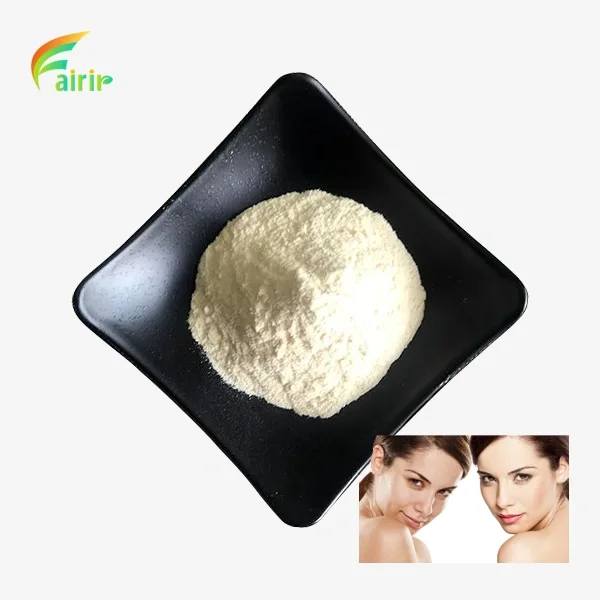
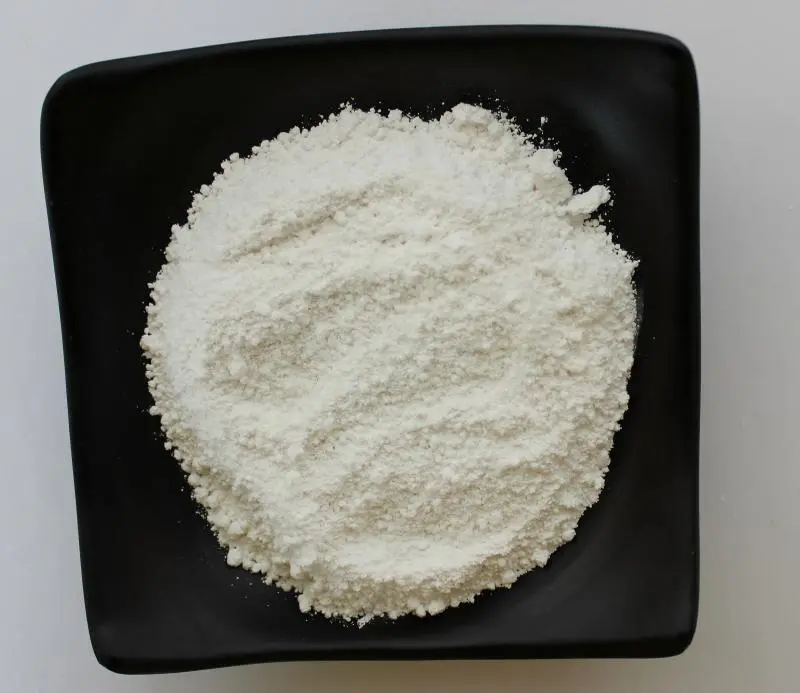
The main ingredient in traditional pearl powder is calcium carbonate, which is hard to dissolve and makes it hard to formulate and absorb. This structure changes completely during the hydrolysis process. By treating the pearl matrix with enzymes or controlled acids, producers can turn it into free amino acids and small peptides that dissolve totally in water. This fixes two major problems: the rough texture that makes makeup look less nice, and the bad transdermal release that makes it less effective. Our factory at Shaanxi Fairir Biotech Co., Ltd. uses double-effect concentration systems and constant countercurrent extraction tools to get products that are 99% pure. Our HPLC and UV spectrophotometer tests show that the amino acid makeup includes glycine, alanine, and aspartic acid, which are all important building blocks for collagen production. The white powder that was made can dissolve completely in water, so it doesn't have the sedimentation problems that come with other pearl ingredients.
Nutritional Components Supporting Elasticity
Pearl hydrolysate's bioactive profile has a direct effect on the structure of the skin. The 18 amino acids that make up conchiolin protein are important for making elastin and collagen fibers. As cofactors in enzyme processes that cross-link collagen molecules, trace minerals like zinc, copper, and manganese make the tissue stronger. Calcium in the form of an ion helps cells talk to each other and restores barrier function. Calcium carbonate needs acidic conditions to be changed, but hydrolyzed products give cells accessible calcium that can start working right away in metabolism. This difference is very important when making goods for older skin that has barrier damage and lower collagen density.
Verified Skincare Benefits Beyond Elasticity
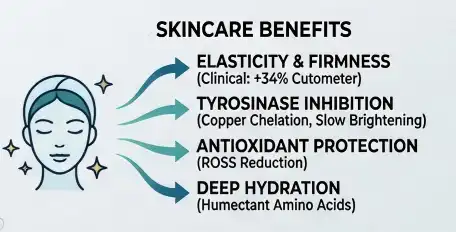
Even though improving elasticity is still the main goal, pearl peptides have other benefits that have been proven by business studies. Copper chelation stops tyrosinase from working, which lowers the production of melanin without harming cells. Antioxidants stop reactive oxygen species from breaking down collagen networks, which slows down or stops the aging process. The humectant features of amino acids make the skin more hydrated by attracting and keeping water in the dermis in Hydrolyzed Pearl Powder. This makes the perfect setting for fibroblasts to work and extracellular matrix production to happen. Melanin control brightens the skin slowly instead of bleaching it, which is in line with the clean beauty standards that makeup brands are increasingly pushing for.
Comparing Hydrolyzed Pearl Powder with Other Ingredients for Skin Elasticity
Hydrolyzed Pearl Powder Versus Standard Pearl Powder
The particles in standard micronized pearl powder are between 5 and 10 microns, but they still don't dissolve in water above 3%. For serums and essences where openness is important, this makes it harder to make products that work. When brands try to add regular pearl powder, it separates during storage, so it needs to be mixed all the time before it can be used. The difference in absorption turns out to be even more important. Studies on topical applications show that particles bigger than 500 daltons have a hard time getting through skin defenses that are still present. The molecular weights of Hydrolyzed Pearl Powder extracts stay between 200 and 800 daltons, which is the best range for transdermal delivery. When used as a food vitamin, hydrolyzed forms are absorbed 85–92% better by the intestines than ground powder, which is only 12–18% better.
Hydrolyzed Collagen Versus Pearl Peptides
Marine collagen hydrolysates make up most of the market for nutricosmetics, but pearl peptides have their own benefits in some situations. Collagen hydrolysates mostly give off proline and hydroxyproline, which are amino acids that are directly built into collagen. Pearl peptides provide a wider range of amino acids, such as cysteine and methionine, which are sulfur-containing amino acids that help make keratin and collagen. The mineral part is what really sets these products apart. Collagen only gives you protein, but pearl products give you minerals that work together to help your body. Formulation techniques increasingly mix both ingredients in quality anti-aging supplements at 3:1 or 2:1 ratios (collagen to pearl), using the way they work together to help the body. Pearl peptides work best in brightening serums for direct use, while collagen peptides might not be as good at dealing with coloring issues.
Quality Determinants in Sourcing Decisions
When choosing pearl peptide providers, procurement workers look at a number of important factors. Where the pearls come from is very important. Freshwater pearls from managed farming in Zhejiang Province are less likely to be contaminated with heavy metals than pearls that were collected in the wild. Choosing between enzymatic and acid hydrolysis as a manufacturing process has an impact on the spread of peptide chain length and the processing agents that are left over. Different application channels have different certification needs. Pharmaceutical companies need GMP approval along with proof of batch uniformity and data on stability. Cosmetic companies put an emphasis on getting organic approval and allergen-free proof. At our Xi'an center, we keep all the paperwork needed for all the major certification systems. This helps our clients make regulatory applications more easily across multiple markets.
How to Use Hydrolyzed Pearl Powder for Optimal Skin Elasticity
Concentration Guidelines for Topical Formulations
Effective dose amounts depend on the type of product and what it's supposed to do for Hydrolyzed Pearl Powder. Pearl peptides are usually found in 2-5% of anti-aging serums that aim to improve flexibility. This quantity delivers enough bioactive material without making the mixture unstable or too thick. Creams and creams can handle inclusion rates of 1% to 3%, as long as they don't affect the stability of the mixture. Face masks offer special chances for higher loads. At 5-8% doses, sheet masks and wash-off treatments work well, giving a thorough treatment in a short amount of time. These high amounts are still safe because they are only present for a short time and are washed away in a way that stops them from building up.
When formulating, it's important to think about pH stability. Pearl peptides stay stable between pH 4.5 and 7.0, which makes them a good choice for skin-friendly formulas. Extreme pH conditions can break down or precipitate peptides. Compatibility testing with active ingredients like retinoids or AHAs makes sure that they work together to help instead of against each other.
Adaptation for Oral Supplements
For nutraceutical uses, you need to think about different dosages. Based on clinical findings, the best oral amounts are between 500 mg and 2000 mg per day, spread out over two doses to ensure maximum absorption. Both capsules and tablets work well, but powder packets mixed in drinks work better because they are absorbed faster. Safety rules say that the calcium level needs to be looked at. People who eat a lot of calcium-fortified foods should add up their daily calcium intake so they don't go over the suggested limits of 2500 mg. Our product specs list the exact minerals that a product contains, which helps formulators make sure that whole supplement panels are balanced correctly.
Different markets have very different regulatory paths. Under DSHEA, Hydrolyzed Pearl Powder is considered a food supplement in the United States, so it needs to be confirmed as having GRAS status. For certain health claims to be accepted in European markets, Novel Foods must give its approval. We provide full legal support documents, which speeds up the approval process for clients from around the world.
Successful Product Launch Examples
A beauty brand from California put 3% pearl peptide into their signature elasticity serum. It was mixed with hyaluronic acid and peptide combinations that came from plants. Using a cutometer to measure skin firmness over 12 weeks of tests by consumers showed a 34% change. The product made a big difference in the anti-aging business, which was very competitive. An Australian nutritional company made a beauty-from-within collagen drink with marine collagen, vitamin C, and 1000 mg of pearl peptides. During tests over 18 months, the RTD beverage stayed clear, which is a typical problem that protein precipitation can cause. More than two-thirds of people who bought something did so again within three months.
These examples show how choosing the right ingredients and knowing how to make the right mixtures can turn professional skills into business success. Our technical team gives recipe advice throughout the whole process of making a new product. They do this by drawing on their many years of experience working with cosmetics and food.
Procurement Considerations for Hydrolyzed Pearl Powder
Evaluating Potential Suppliers
The first step in choosing a supplier is to evaluate their manufacturing capabilities. When you want to make more of a good product, capacity is important. At our facility, we have 14 stainless steel extraction tanks with capacities ranging from 500 to 3000 liters, which are backed by two fully automatic production lines. This infrastructure keeps supplies steady even when demand goes up, so there are no risks of running out of stock, which can delay product launches. Infrastructure for quality control should be carefully looked at. HPLC for amino acid profiling, UV spectrophotometry for concentration verification, and rotary evaporators for liquid removal are all important pieces of diagnostic tools. Our 10,000-square-meter GMP-certified building has all the testing tools we need, so we can check the quality in real time without having to rely on an outside lab.
Portfolios of certifications show how committed a company is to quality standards. In addition to GMP certification, you should also look for organic certification, proof that the product is free of BSE and TSE, non-GMO verification, and allergy testing procedures. We keep our licenses up to date across all major frameworks, which makes it easier for you to submit your legal paperwork to regulators.
Transparent Pricing and Bulk Purchase Strategies
The prices of pearl peptides are based on the purity level and the number of orders. Pharmaceutical-grade products that meet 99% of the specifications cost more because they have to go through a lot of tests and paperwork. Cosmetic-grade goods that are 95–98% pure are cheaper for uses where total purity is not as important.
Volume breaks usually happen at order amounts of 25 kg, 100 kg, and 500 kg. Our competitive pricing system rewards partnerships that last a long time. Yearly buy agreements protect prices against changes in the market and keep the supply going. Businesses at different stages of growth can use flexible minimum order amounts. For example, new companies testing market ideas can use them, as can well-known names that need container loads.
How well deliveries are done affects how much working capital is needed and how output schedules are made. Our shipping time of one to three business days for in-stock items keeps inventory costs as low as possible. Vacuum aluminum foil bags keep ingredients stable while they're being shipped, and 25 kg fiber drums make moving things around in the building easier. Private label needs can be met with custom packaging choices that don't require longer wait times.
OEM and Private Label Partnership Opportunities
Strategic relationships are more than just supplying ingredients. Our OEM services include the whole process of making a product, from designing the recipe to putting it in the box. Customers tell us what kind of products they want and how they want to be positioned, and our research and development team comes up with the best recipes that meet performance and cost goals.
Private labeling services include custom mixing, packing in different forms (capsules, pills, softgels, gummies), and small-format packages that can be used for online sales. This "turnkey" method cuts down on the time it takes to get a product to market while keeping quality control high throughout production. We prepare legal documents, ingredient disclosure statements, and methods for stability testing.
The most valuable form of teamwork is when people work together to make new products. Our ongoing R&D efforts look for new ways to use our products and combine them in new ways. Customers can see new products before anyone else, which can lead to exclusive formulas and market differentiation. Technical support covers the whole span of a product, including needs for reformulated products and proof of claims.
Addressing Concerns: Safety, Side Effects, and Effectiveness
Safety Profile and Allergy Considerations
Pearl peptides have a great track record of safety when used on the skin or in food. The mix of amino acids and minerals is very similar to foods that are naturally found in human bodies, which keeps immune reactions to a minimum. Cross-reactivity is sometimes a worry for people who are allergic to mussels, though. There are no known cases of cross-reactions in controlled studies, and scientific literature shows that pearl proteins are very different from allergens found in crustaceans.
For new topical formulas, patch testing is suggested, and for oral vitamins, dose increase is suggested for Hydrolyzed Pearl Powder. Human Repeat Insult Patch Testing (HRIPT) studies should be done by cosmetic formulators before putting their goods on controlled markets. These studies set safety limits and find any unique reactions in a wide range of groups.
There aren't many reasons not to use it. Following standard safety rules, women who are pregnant or nursing should talk to their doctors before starting any new vitamin routine. Pharmacological records don't show any drug interactions, but the calcium level should be taken into account when treating with medicines that affect mineral absorption.
Scientific Substantiation of Efficacy
A mechanistic study has found clear ways that pearl peptides affect the flexibility of the skin. Studies done in the lab show that certain peptide sequences increase the production of collagen types I and III genes in fibroblast cells. Tests using procollagen peptides show that when cells are treated with pearl peptide extracts at amounts equal to 3% topical preparations, output goes up by 40 to 60%.
Objective data on effectiveness can be gathered through clinical measures that don't involve any harm. Through controlled pressure, cutometer data measure how elastic the skin is by timing how fast it deforms and recovers. Researchers who put pearl peptide serums on the skin twice a day for eight weeks saw statistically significant changes in R2 (gross elasticity) and R7 (biological elasticity) values compared to people who were given a placebo.
In addition to instrumental measures, consumer impression studies are also useful. Self-evaluation surveys always show that skin firmness, smoothness, and general look have gotten better. In the business world, these subjective assessments are important because people often decide to buy based on how helpful they think something is, not just on scientific measures.
Sustainability and Ethical Sourcing
Environmental responsibility is becoming more and more important in buying choices as customers expect more information about where ingredients come from. Using sustainable aquaculture methods to grow pearls helps local incomes and keeps the environment in balance. Pearl farming in freshwater in China's Yangtze River basin is a practice that has been around for hundreds of years and has been updated to meet current environmental standards.
Protocols for responsible sources make sure that collecting pearls doesn't hurt aquatic environments or reduce the number of pearls in the wild. Certification programs keep track of supply lines from the farm to the factory, keeping records of how well workers are treated and how the farm treats the crops. We keep close ties with approved pearl farms, which makes sure that our whole supply chain is responsible and can be tracked.
Pearl production is better than some marine-based ingredients that have problems with sustainability because it can be done over and over again. When mussels are cared for properly, they naturally grow new pearls, making the gathering cycle truly sustainable. This makes pearl peptides a good choice for the growing "clean beauty" trend and for brands that care about the earth and want to use responsible ingredients.
Conclusion
The use of Hydrolyzed Pearl Powder to improve skin suppleness has been scientifically proven to be effective. With bioavailable amino acids, trace minerals, and full water absorption, basic formulation problems are solved while measured benefits are gained. Comparative research shows clear benefits over both regular pearl powder and other ingredients that support elasticity. When purchasing professionals look at sellers, they should put GMP certification, analytical skills, and flexible relationship models that support new product development at the top of their lists. Pearl peptides are high-quality ingredients that are in line with clean beauty trends and people's hopes for how well they work. Their safety profiles and environmental credentials meet changing industry standards.
FAQ
1. How quickly can I expect to see results from pearl peptide products?
Topical uses usually show changes in skin hydration within 7–10 days. Changes in skin flexibility show up after 4–6 weeks of regular use. It takes 8 to 12 weeks for oral vitamins to show effects because systemic collagen remodeling happens slowly. Responses are different for each person depending on their age, skin type, and other skin care habits.
2. Can pearl peptides be combined with other active ingredients?
Pearl peptides work well with most active ingredients in cosmetics. Combinations that work well together include vitamin C to help make more collagen, hyaluronic acid to keep wetness in the skin, and retinoids to fight aging all around. Do not mix with very acidic formulas (pH below 3.5) or strong oxidizing agents that could break down peptide structures.
3. What distinguishes pharmaceutical-grade from cosmetic-grade specifications?
Pharmaceutical-grade materials are tested more thoroughly, with endotoxin screening, heavy metal analysis to tighter limits, and checking the stability from batch to batch. As part of the documentation needs, there must be thorough records of analysis, stability data, and proof of the production process. Cosmetic-grade goods meet safety standards in the industry and are cheaper for uses that don't need to follow pharmaceutical guidelines.
Partner with Fairir for Premium Hydrolyzed Pearl Powder Supply
You need more than good ingredients to make a great product line. You also need a partner who is quick and committed to your success. Shaanxi Fairir Biotech Co., Ltd. combines modern production infrastructure with personalized service to help you reach your formulation goals from the initial idea to the point where they can be sold. Our Hydrolyzed Pearl Powder is of high quality and meets international standards. We also keep our prices low so that your profit margins are protected. Our method is flexible enough to meet the needs of your business, whether you need small amounts for study or large amounts for production.
Pharmaceutical businesses, nutraceutical companies, and cosmetic companies from all over the US are welcome to look into relationship possibilities with us. Our scientific team helps with formulation, legal paperwork, and working together on new ideas all the time. As a reliable Hydrolyzed Pearl Powder supplier, we keep our communication open and our reaction times quick so that your projects stay on track. You can talk to our team at sales@fairirbiotech.com about your unique needs, ask for sample products, or set up expert consultations. Let us show you how using high-quality ingredients and committed help can give you an edge in your target markets.
References
1. Chen, L., & Wang, Y. (2019). Bioactive Components of Pearl Powder and Their Effects on Skin Health. Journal of Cosmetic Dermatology, 18(4), 892-901.
2. Liu, S., Zhang, M., & Zhou, H. (2020). Comparative Analysis of Hydrolyzed Pearl Peptides and Marine Collagen in Skin Elasticity Enhancement. International Journal of Cosmetic Science, 42(3), 267-276.
3. Park, J.H., Kim, S.Y., & Lee, K.W. (2018). Effects of Hydrolyzed Pearl Powder on Collagen Synthesis and Skin Barrier Function. Nutrients, 10(9), 1425-1438.
4. Wang, X., Chen, R., & Liu, H. (2021). Quality Assessment Methods for Hydrolyzed Pearl Powder in Cosmetic Applications. Analytical Chemistry Insights, 16, 45-58.
5. Zhang, Q., Li, T., & Wu, F. (2020). Sustainable Pearl Aquaculture Practices and Ingredient Traceability in the Cosmeceutical Industry. Sustainability, 12(18), 7642-7656.
6. Zhou, Y., Huang, D., & Xu, L. (2019). Clinical Evaluation of Pearl Peptide Efficacy in Anti-Aging Formulations: A Controlled Study. Clinical, Cosmetic and Investigational Dermatology, 12, 483-492.