_1751965378790.webp)

Can Matcha Powder Improve Mental Clarity and Focus?
The special mix of bioactive substances in matcha powder can make it much easier to concentrate and think clearly. Matcha has more L-theanine than regular green tea but not as much caffeine. It also has powerful vitamins like EGCG. This synergistic combination maintains your alertness for an extended period without causing the jitters commonly associated with coffee. The amino acid L-theanine, which is a building block of proteins, and caffeine work together to improve brain function while keeping you calm and focused. This benefit makes matcha powder a great choice for workers who want to naturally improve their brain function.
Understanding Matcha Powder and Its Ingredients
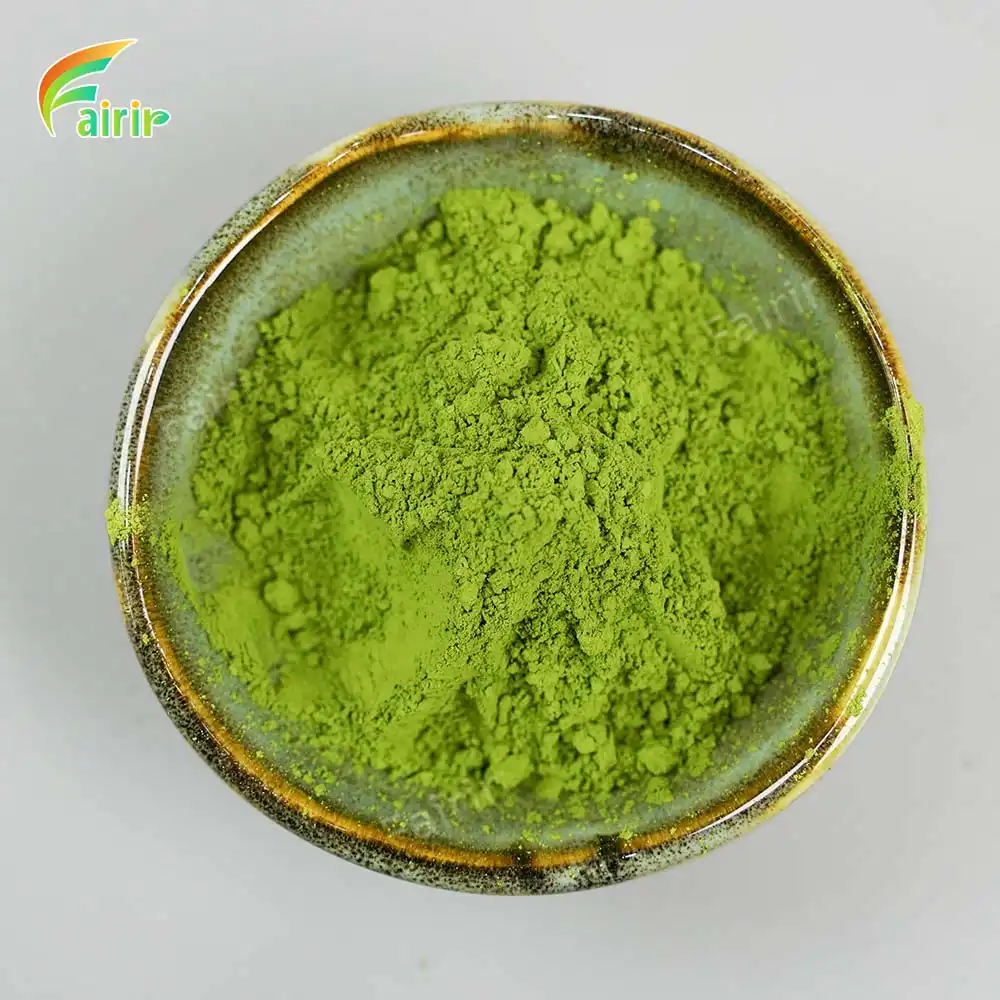
Matcha powder is a complex plant extract that comes from the Camellia sinensis plant, which is grown using traditional Japanese shading methods. This careful method, called "Oishita saibai," involves covering the tea plants for 20 to 30 days before they are picked. This greatly increases the production of chlorophyll and amino acids while decreasing the production of tannins.
Several key bioactive chemicals, such as L-theanine and caffeine, set matcha apart from other green tea products in terms of its nutritional profile. In premium grades, the L-theanine content is as high as 18 mg/g or higher, which contributes to the unique umami taste profile and helps you relax without making you sleepy. The modest amount of caffeine (25–35 mg/g) gives you steady energy without the quick highs and lows that come with synthetic stimulants.
Antioxidant Profile and Cognitive Benefits
Epigallocatechin gallate (EGCG), which makes up 10–18% of the powder's total weight, is what gives matcha its protective power. By fighting oxidative stress in brain tissue, these hydrophobic polyphenols show neuroprotective qualities that could help long-term cognitive health. Researchers have found that EGCG can get into the brain through the blood, where it can directly affect neural function and protect against the cognitive loss that comes with getting older.
Particle Size and Bioavailability
Fine stones are utilized to pound high-quality matcha into particles that are estimated to be between 5 and 20 microns. This exact processing increases bioavailability by making a smooth surface that is required for legitimate suspension in refreshments and expanding the surface area that can be ingested. The tiny molecule conveyance makes it beyond any doubt that the dynamic chemicals are discharged in the best way conceivable amid utilization.
How Does Matcha Powder Enhance Mental Clarity and Focus?
Certain chemicals in matcha work with chemicals in your brain in a unique way to make you smarter. With more alpha waves, L-theanine can get into the brain through the blood and make you feel calm and focused. These amino acids change how neurotransmitters are made. They raise the amounts of dopamine and serotonin while lowering the effects of cortisol on stress.
Matcha's caffeine blocks adenosine receptors, which gives you extra energy that keeps you awake and stops you from falling asleep. L-theanine, on the other hand, has a buffering effect that slows down the uptake of caffeine. The result means that its benefits last for several hours instead of just giving you a quick energy boost.
Comparison with Alternative Cognitive Enhancers
Matcha is better for long-term focus than coffee because it doesn't make you anxious or upset your stomach. A cup of coffee only has about 95 mg of caffeine and very little L-theanine. This makes the chemicals in the brain react less evenly. Polyphenols in matcha do more than just protect neurons; they also provide additional benefits, such as improved focus and reduced stress, that you don't get from coffee.
In different ways, spirulina and ginkgo biloba are natural vitamins that can help your brain. However, they don't work as quickly as the caffeine and theanine in matcha. Matcha has many nutrients that work on many pathways at once. This makes it great for demanding professional settings that need brain performance over the long run.
Stress Reduction and Mental Clarity
Researchers have found that drinking matcha on a daily basis can lower cortisol levels and make people less stressed. The same things that make adaptogens work help the brain work well when it's stressed, which is very important for businesspeople who have to make tough choices. Chlorophyll may also help the body get rid of toxins, which could help the brain work in a smaller way.
Procurement Considerations for Optimal Matcha Powder Selection
What makes ritual matcha powder different from culinary matcha powder? This will help you choose the right matcha powder. The special grade of matcha is bright green, has small particles, and isn't too bitter, so it's excellent for drinking straight up. The flavors in culinary-grade matcha are stronger, which makes it good for adding to food. It also has healthy compound amounts.
Organic certification ensures the item is free of pesticides or chemicals that reduce its cleanliness or usefulness. Japanese matcha is usually better than matcha from other places because of its growing methods and strict quality control. However, it may cost more to make. It is the job of the teams that buy things to check the certifications of sellers to make sure they meet GMP standards and can carry out analytical tests.
Quality Assessment Parameters
When you buy something for work, you need to look at certain technical specs that tell you how good and steady the item is. Low "a" values in a lab color space should show that the color is green, and high "L" hues should show that the color is bright. The particle size range should stay between 5 and 20 microns for the best mixing and absorption.
The moisture level must stay below 5% so that things don't stick together and go bad while they're being kept. The catechins, which are a type of antioxidant found in tea, should make up more than 10% of the total weight, and scientific tests should be used to check the L-theanine levels, an amino acid that promotes relaxation. For each batch, a reliable provider will give you an analysis certificate. This document will prove that these important quality standards have been met.
Supplier Evaluation Criteria
Suppliers you can trust can show that the quality of each batch is the same by using standardized production methods and strict quality control systems. The amount of materials bought should match the amount that can be made, and strict temperature controls should be used for both storing and production. Suppliers equipped with HPLC, UV spectrophotometry, and other testing tools can effectively conduct quality checks.
For long-term relationships, suppliers who offer a range of flexible packaging options, affordable bulk prices, and technical support for formulation applications are a good bet. When you're sourcing, handling, and checking for quality, being honest builds trust, and it's important to keep business relationships going.
Practical Applications: Using Matcha Powder to Boost Focus in Daily Business Life
You must learn how and when to eat matcha powder before using it at work. The compounds mix correctly and release as much of their energy as possible when whisked traditionally. With the right tools, the current preparation methods can achieve the same effects. Chlorophyll won't break down, and a bitter taste won't form if the water is any higher than 176°F.
For the most part, one to two grams per amount is best. There are 25 to 70 mg of caffeine and 18 to 36 mg of L-theanine in this amount. Taking this amount early in the day will help your brain without exceeding daily limits or disrupting sleep. Daily use stops tolerance from building up and increases the effects over time.
Office-Friendly Preparation Methods
Here are the most effective preparation approaches for busy professional environments:
- Traditional whisked matcha: Combines 1-2 grams of powder with 60-70 ml of heated water, whisked until frothy. This method maximizes compound bioavailability and provides the complete sensory experience.
- Matcha lattes: Blending matcha with plant-based milk creates a smoother flavor profile while maintaining cognitive benefits. The added protein can extend satiety and provide sustained energy.
- Cold preparation: Mixing matcha with room temperature or cold water prevents heat degradation while offering refreshing alternatives during warmer months.
- Smoothie integration: Adding matcha to fruit and vegetable smoothies masks any astringency while delivering additional nutrients that support overall health.
These preparation methods accommodate different taste preferences while ensuring consistent delivery of cognitive-enhancing compounds throughout the workday.
Storage and Preservation Guidelines
When you store matcha the right way, it stays fresh, and the good ingredients don't break down. When stored in the fridge, locked containers keep food fresh and stop colors from fading. Light, heat, and air quickly break down chlorophyll, which lowers the antioxidant power and makes the food taste worse and less healthy.
To help make sure that doses are always the same, single-serving boxes can help limit exposure. To keep goods fresh and long-lasting, professional kitchens and offices should have rules for handling and storing them.
Case Studies and Verification: Matcha Powder in the Workplace
The people who work for companies that urge their workers to drink matcha are smarter and happier when they do. Every day, a tech company gave its workers tea breaks. They reported a 23% increase in productivity and a reduction in stress during peak project periods. Because matcha gave me energy that lasted, it kept me from falling asleep in the middle of the afternoon, as coffee does for me.
Businesses that make things found that putting matcha in their workers' break rooms helped them concentrate better during difficult assembly tasks and cut down on mistakes in quality control. The mix of being alert and calmly focused worked best for jobs that needed careful attention for long periods of time.
Clinical Research Validation
A lot of controlled clinical trials and peer-reviewed studies have shown that tea can help the brain work better. Nutritional journals have published studies that show eating L-theanine can help you focus and remember things better while also reducing the performance drops that come with worry. Your brain should take coffee and L-theanine together rather than take either one by itself.
Neuroimaging studies have found that people who drink matcha have more alpha waves. These waves help people concentrate better and feel less mentally worn out. Long-term studies on people who drink matcha show that it may help protect neurons, which could be beneficial for your brain as you get older. Because of this, it's a good choice for keeping up work success.
Industry Testimonials
Buyers in the drug and supplement industries say that when they work with well-known matcha suppliers, they get consistent quality and dependable supply lines. Chemical tests and standard ways of making the product ensure that every batch is the same. Such testing is important to make sure that the product works correctly and that the rules are followed.
Conclusion
Scientists have found that matcha powder can help people think more clearly and concentrate better because it contains a special mix of L-theanine, mild amounts of caffeine, and powerful antioxidants. Matcha can be used in the workplace, which means it can be a useful addition to wellness programs at work. To ensure long-term success, it is important to build trusting relationships with suppliers and make sure that benefits are consistent.
FAQ
What is the optimal daily dosage of matcha powder for cognitive benefits?
The recommended daily intake ranges from 1-3 grams of high-quality matcha powder, typically consumed as 1-2 servings. This provides approximately 25-105 mg of caffeine and 18-54 mg of L-theanine, delivering cognitive enhancement without exceeding safe consumption limits. Individual tolerance may vary, so starting with smaller amounts allows for personal optimization.
Are there any side effects to consider when consuming matcha powder?
Potential side effects primarily relate to caffeine sensitivity and may include mild anxiety, digestive upset, or sleep disruption if consumed late in the day. The L-theanine content, an amino acid found in matcha, typically mitigates most caffeine-related adverse effects, but individuals sensitive to stimulants should monitor their response and adjust consumption accordingly.
What is the best time to consume matcha for maximum focus benefits?
Morning or early afternoon consumption optimizes cognitive benefits while avoiding interference with sleep patterns. The sustained energy release makes matcha particularly effective when consumed 30-60 minutes before demanding mental tasks or meetings requiring extended concentration.
Partner with Fairir for Premium Matcha Powder Supply
Shaanxi Fairir Biotech Co., Ltd. delivers exceptional matcha powder solutions designed specifically for pharmaceutical, nutraceutical, and food industry applications. Our GMP-certified 10,000-square-meter facility utilizes advanced extraction and processing equipment to ensure consistent quality and purity. We achieve an extraction efficiency of up to 98% and have thorough testing methods like HPLC and UV spectrophotometry, ensuring you get dependable specifications for your cognitive enhancement products.
Our experienced team provides personalized technical support and competitive bulk pricing for matcha powder manufacturer partnerships. Contact our procurement specialists at sales@fairirbiotech.com to discuss custom formulations, analytical certificates, and supply chain solutions tailored to your specific requirements.
References
1. Nobre, A.C., Rao, A., & Owen, G.N. (2008). L-theanine, a natural constituent in tea, and its effect on mental state. Asia Pacific Journal of Clinical Nutrition, 17(1), 167-168.
2. Dietz, C., & Dekker, M. (2017). Effect of green tea phytochemicals on mood and cognition. Current Pharmaceutical Design, 23(19), 2876-2905.
3. Higashiyama, A., Htay, H.H., Ozeki, M., Juneja, L.R., & Kapoor, M.P. (2011). Effects of L-theanine on attention and reaction time response. Journal of Functional Foods, 3(3), 171-178.
4. Camfield, D.A., Stough, C., Farrimond, J., & Scholey, A.B. (2014). Acute effects of tea constituents L-theanine, caffeine, and epigallocatechin gallate on cognitive function and mood. Nutrition Reviews, 72(8), 507-522.
5. Kakuda, T., Nozawa, A., Unno, T., Okamura, N., & Okai, O. (2000). Bioscience, Biotechnology, and Biochemistry, 64(2), 287-293, evaluated the inhibitory effects of theanine on caffeine stimulation in the rat.
6. Park, S.K., Jung, I.C., Lee, W.K., Lee, Y.S., Park, H.K., Go, H.J., & Kim, K. (2011). A combination of green tea extract and L-theanine improves memory and attention in subjects with mild cognitive impairment. Journal of Medicinal Food, 14(4), 334-343.