_1751965378790.webp)

Can Matcha Powder Transform Your Ready-to-Drink Tea Line?
Matcha Powder can fundamentally transform your ready-to-drink tea line by delivering exceptional nutritional density, bright color consistency, and the clean-label look that people today who care about their health want. This finely ground green tea powder comes from Camellia sinensis leaves that were grown in the shade. It has a lot more L-theanine and antioxidants than regular tea extracts. When added to ready-to-drink drinks, quality matcha gives constant taste profiles, long-lasting energy without jitters, and a strong visual difference on store shelves. In competitive beverage markets, these are all things that customers need to choose and buy again.
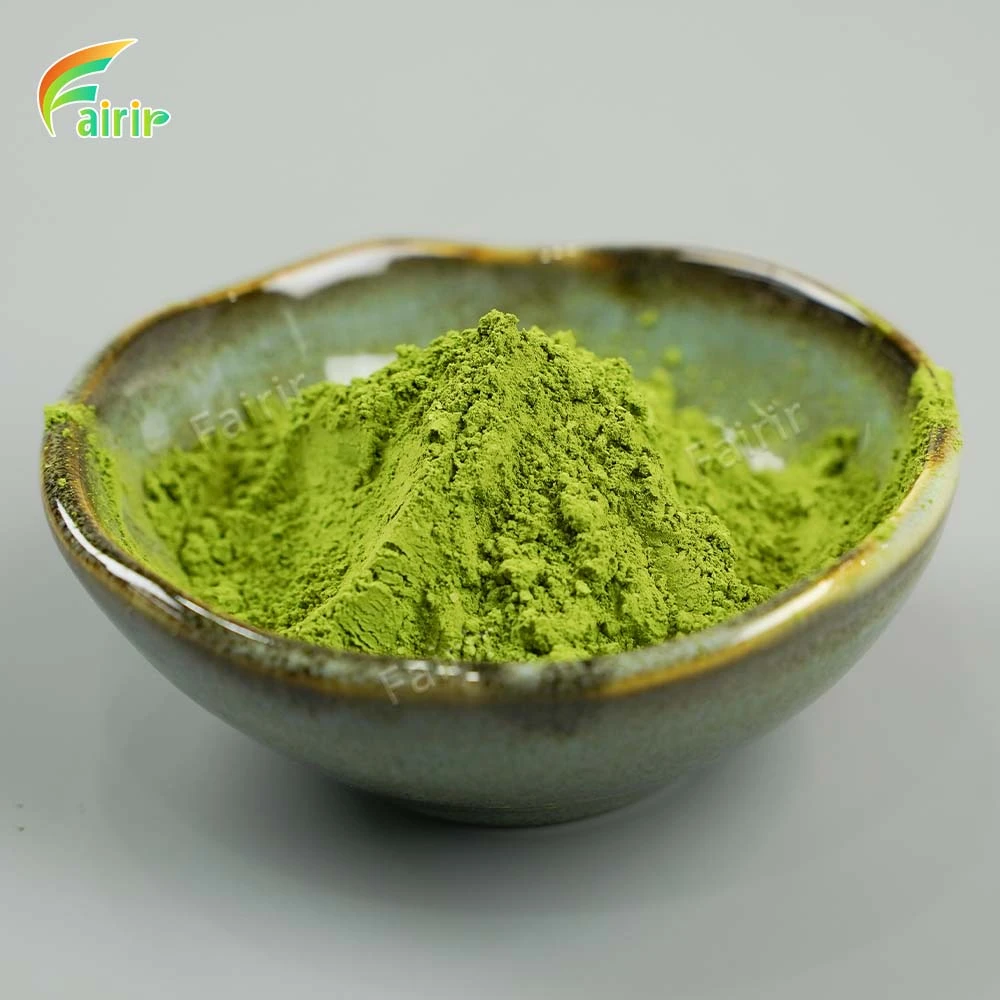
Understanding Matcha Powder and Its Benefits for RTD Tea
What Makes Matcha Powder Different From Standard Green Tea?
In traditional green tea, the leaves are steeped and then thrown away. This means that people miss out on important nutrients that are locked up in the leaves. The way you drink Matcha Powder is all-encompassing. The whole leaf is turned into an ultra-fine powder with particles that are 5 to 15 microns in size. This makes sure that all of the catechins, chlorophyll, and amino acids are bioavailable. The special filtering process that lasts for 20 to 30 days before harvest makes plants make too much chlorophyll and L-theanine, which makes the nutritional profile much better than regular green tea products.
Key Functional Compounds in Matcha for Beverage Applications
More and more, food and supplement companies are looking for natural products that have been shown to have health benefits by science. High-quality Matcha Powder has at least 5% total catechins, with Epigallocatechin gallate (EGCG) being the most powerful antioxidant. EGCG has a lot of free-radical scavenging action, which means that functional drink developers can make real marketing promises about it. Additionally, having more than 2% L-theanine in a drink makes it more calming, which balances out the naturally occurring mild caffeine. This creates a profile of prolonged awareness that is highly valued in ready-to-drink health drinks. Because of this biochemical synergy, Matcha Powder is a great, useful ingredient for brands that want to reach people with busy lives and high brain performance.
Market Demand Drivers for Matcha-Based RTD Products
Consumer behaviour studies show that 63% of American shoppers actively look for drinks with clear labels that contain recognisable botanical ingredients. Matcha Powder is made from plants, naturally energising, and carries premiumization signs that make it stand out. The RTD tea market has grown very quickly, and goods with Matcha Powder have grown at rates higher than 18% per year, according to data from the beverage business. If purchasing managers and product developers catch this trend early, they can get a bigger share of the market by making RTD lines that are different and use Matcha Powder's unique sensory and functional qualities.
Matcha Powder Grades and Their Impact on RTD Tea Formulation
Ceremonial Grade Versus Culinary Grade: Strategic Selection
The grade you choose has a direct effect on both the performance and cost of your recipe. For ceremonial grade Matcha Powder, only the youngest, tender leaves from the first spring harvest are carefully chosen. This makes the drink have a bright emerald colour, a delicate umami flavour, and a smooth mouthfeel. These are all qualities that make high-end RTD drinks more expensive but also better for your senses. When picked later in the season, culinary-grade Matcha Powder has a stronger flavour and a good colour, and it costs a lot less per kilogram. This makes it possible to make a lot of it without giving up any of its health benefits.
Quality Verification: What Procurement Teams Must Check
When buying in bulk, authenticity checks become very important. Reliable sellers give full Certificate of Analysis paperwork that proves the plant identity, particle size distribution, moisture content below 4%, and microbial limits that meet FDA standards. High-performance liquid chromatography and UV spectrophotometry are used at our facility to check catechin profiles and make sure that each batch is the same. Organic certifications from the USDA, EU, or JAS get rid of worries about synthetic pesticide residue and back up clean-label marketing claims that are being asked for more and more by both wholesalers and end customers.
Balancing Cost and Quality in B2B Procurement
When doing strategic buying, you need to look at the total cost of ownership instead of just the unit price. If you buy in bulk from GMP-certified companies like Fairir, you can save money while still keeping quality control high. With 14 stainless steel extraction tanks and three fully automatic production lines, we can keep our prices low for long-term partners while still making 98% of what we make. When you work with providers who offer clear quality paperwork, expert help, and scalable supply capacity, you lower the risk of buying things and make sure that RTD products perform the same way in all production batches.
Integrating Matcha Powder Into Your Ready-to-Drink Tea Line: Process and Challenges
Formulation Considerations for Optimal Dispersion
Achieving even powder dispersion without clumping or settling is important for RTD integration to work. The very small particles in real Matcha Powder make it easier for them to mix with liquids, but formulation chemistry is very important. Before adding Matcha Powder to cold drink bases, we suggest mixing it with a little hot water first to make its water-soluble ingredients work. Using the right stabilisers and homogenisation tools can help a product keep its good looks for a long time. Concentration is usually between 0.5% and 2%, but it depends on how strong of a flavour you want and where you want it to be functionally.
Preserving Color and Antioxidant Activity During Production
The biggest problem with making drinks with Matcha Powder is that it oxidises quickly. Chlorophyll and catechins break down when they are exposed to oxygen, light, and high temperatures. This changes the colour from bright green to dull brown and lowers the plant's antioxidant capacity. Our hoover belt drying systems and continuous countercurrent extraction equipment keep thermal damage to a minimum while processing. When making ready-to-drink (RTD) drinks, you should think About using nitrogen flushing during bottling, UV-protective packaging materials, and cold delivery routes to keep the green colour that people expect from high-end Matcha Powder drinks.
Real-World Success: RTD Brands Leveraging Matcha Innovation
Several well-known beverage companies have successfully released Matcha Powder RTD lines that have done very well in the market. These brands stood out by focusing on real ingredients from Japan, clear stories about where the ingredients came from, and useful benefits backed up by nutritional research. The information from sales shows that Matcha Powder RTD drinks sell for 20–35% more than regular green tea drinks, but they still move quickly in health-focused stores. Premium placement is possible because real Matcha Powder is seen as a speciality ingredient that is worth spending more on, especially when backed by quality standards and interesting brand stories.
Comparing Matcha Powder With Other Popular RTD Tea Ingredients
Matcha Versus Standard Green Tea Extract
Both come from Camellia sinensis, but the way they are processed makes them different and valuable. Standard green tea extract is made by putting soaked leaves in water and pressing them. This gives you concentrated polyphenols but takes away fibre, chlorophyll, and nutrients that dissolve in fat. People who drink Matcha Powder get the full phytochemical matrix because they eat the whole leaf. This whole-food approach fits well with the clean-label movement and gives you more nutrients per serving. When it comes to manufacturing, Matcha Powder is better than liquid green tea extracts because it keeps its colour better and adds more flavour at lower rates.
Functional Positioning: Matcha Versus Coffee in RTD Beverages
More and more, the functional beverage market prefers balanced energy sources to goods with a lot of caffeine. Most coffee-based RTD drinks have between 150 and 200 mg of caffeine per dose, which can make you feel jittery and tired. Along with L-theanine, Matcha Powder naturally contains 25–35 mg of caffeine per gram. This makes you feel awake and focused for longer without the bad effects that come with drinking too much caffeine. This biochemical advantage lets product developers market Matcha Powder RTD drinks as high-tech energy options for professionals, students, and health-conscious people who want to improve their brainpower without sacrificing taste.
Supply Chain and Cost Structure Considerations
When deciding which ingredients to use, procurement teams need to look at how reliable the supply is and how much the prices change. The prices of traditional tea extracts change a lot depending on how the harvest is going in different growing regions. Ceremony and cooking grade Matcha Powder that is truly authentic and mostly comes from Japanese farms costs more but has more stable supply ties when you work with well-known sources. Our facility has strong inventory management and long-term relationships with certified growers, which means that our products are always available, even during times of high demand. This security in the supply chain is especially helpful for brands in the RTD market that want to grow quickly.
How to Source the Best Matcha Powder for Your RTD Tea Line
Supplier Evaluation Criteria for B2B Procurement
To choose the right Matcha Powder provider, you need to do a lot of research in a lot of different areas. In addition to price, you should look at the manufacturing certifications, such as GMP compliance, which makes sure that the quality management systems are up to pharmaceutical standards. Make sure that the providers you're considering have separate quality control labs with analytical tools like HPLC, rotary evaporators, and UV spectrophotometers for checking things as they are being made. Ask for proof of systems that can track materials from when they are grown to when they are packaged. Large-scale RTD manufacturing operations need suppliers who have invested in advanced extraction equipment and standardised production protocols to make sure that all of their batches are the same.
Regulatory Compliance and Documentation Requirements
People who import and make plant products in the U.S. need to make sure they follow FDA rules for Food Additives and dietary supplements. Suppliers you can trust will give you a lot of paperwork, like a Certificate of Analysis, allergen statements, country of origin certificates, and test reports for pesticide residue. For organic Matcha Powder to be legal, it needs to come from farms that have been certified by the USDA. Our facility keeps all the paperwork needed to comply with regulations and offers quick technology support to help customers with tricky import rules and formulation questions. This partnership method speeds up the time it takes for new RTD products to hit the market.
Building Long-Term Strategic Partnerships
Beverage brands that do well know that their ingredient suppliers are more like strategic partners than just transactional vendors. Building long-term relationships with dependable manufacturers has many benefits, such as giving you priority when supplies are low, helping you make formulations that work best for your needs, and the chance to work together on product development. We work closely with R&D centers and commercial manufacturers to make sure that Matcha Powder is mixed into new drinks in the best way possible. Our team gives expert advice on things like processing settings, stability testing methods, and inclusion rates. When you choose suppliers who are committed to mutual growth and open communication, you get advantages over your competitors that go far beyond just lower prices.
Conclusion
Matcha Powder is a huge chance for companies that make ready-to-drink tea to stand out in a market that is getting more and more crowded with drinks. People want useful, health-focused products, and this one's great nutritional profile, bright sensory qualities, and clean label appeal are perfect examples. To successfully add premium Matcha Powder, you need to pay close attention to grade selection, formulation chemistry, quality control, and building relationships with key suppliers. Companies that buy real, thoroughly tested Matcha Powder ingredients will be able to charge higher prices and build loyal customer bases in the growing functional beverage market.
FAQ
What concentration of matcha powder works best in RTD tea formulations?
The best concentration relies on the flavour profile and setting you want. Premium ready-to-drink drinks usually have 1% to 2% Matcha Powder in them to give them a strong flavour and bright colour. For lighter formulations, 0.5% to 0.8% is used for a subtle taste and functional benefits that don't overpower other flavour components. Do sensory tests with the people you want to buy from you to find the quantity that strikes a good balance between taste and cost. Our scientific team gives recipe advice based on a lot of experience using beverages.
How long does matcha powder maintain stability in bottled RTD products?
If you keep properly made Matcha Powder RTD drinks away from light and oxygen, they will last for 9 to 12 months. Important things to consider are nitrogen cleaning during packing, UV-resistant boxes, storing in the fridge, and using the right antioxidant systems. Before going into business, we suggest doing rapid stability tests at a range of temperatures. Our quality control lab can do stability analyses or give you testing protocols to make sure that your products keep their colour, flavour, and antioxidant activity for as long as they are supposed to.
Can matcha powder replace traditional tea extracts in existing RTD formulations?
How possible a replacement is depends on your current recipe matrix and the properties you want the end product to have. Matcha Powder has a better colour and nutritional density than liquid tea extracts, but it dissolves and tastes differently. To substitute something successfully, you usually need to change the concentration ratios and maybe even the stabiliser systems. We suggest making formulations with both materials at the same time to compare how they taste, how much they cost, and how well customers accept them before making the full switch. Our formulation specialists can help with smooth transitions between ingredients by giving you advice.
Partner With a Trusted Matcha Powder Manufacturer for Your RTD Success
Shaanxi Fairir Biotech Co., Ltd. uses cutting-edge extraction technology and strict quality control to provide pharmaceutical-grade plant-based ingredients that meet the high standards of beverage makers around the world. Our 10,000-square-meter GMP-certified facility has full analytical instruments, vacuum belt dryers, and continuous countercurrent extraction systems to make sure that every batch meets your needs. As a provider of Matcha Powder with a lot of experience, we offer unique formulas, low bulk pricing, and quick technical support. Our track record of serving the pharmaceutical, nutraceutical, cosmetic, and food industries around the world backs this up. Email us at sales@fairirbiotech.com to talk about how our high-quality Matcha Powder can help your ready-to-drink tea line and help your business grow faster.
References
1. Dietz, C., & Dekker, M. (2017). Effect of Green Tea Phytochemicals on Mood and Cognition. Current Pharmaceutical Design, 23(19), 2876-2905.
2. Kochman, J., Jakubczyk, K., Antoniewicz, J., Mruk, H., & Janda, K. (2021). Health Benefits and Chemical Composition of Matcha Green Tea: A Review. Molecules, 26(1), 85.
3. Yamabe, N., Kang, K. S., Hur, J. M., & Yokozawa, T. (2009). Matcha, a powdered green tea, ameliorates chronic kidney disease-induced vascular calcification in rats. Journal of Medicinal Food, 12(4), 714-721.
4. Weiss, D. J., & Anderton, C. R. (2003). Determination of catechins in matcha green tea by micellar electrokinetic chromatography. Journal of Chromatography A, 1011(1-2), 173-180.
5. Ku, K. M., Choi, J. N., Kim, J., Kim, J. K., Yoo, L. G., Lee, S. J., Hong, Y. S., & Lee, C. H. (2010). Metabolomics analysis reveals the compositional differences of shade grown tea. Journal of Agricultural and Food Chemistry, 58(1), 418-426.
6. Unno, K., Furushima, D., Hamamoto, S., Iguchi, K., Yamada, H., Morita, A., Horie, H., & Nakamura, Y. (2018). Stress-reducing function of matcha green tea in animal experiments and clinical trials. Nutrients, 10(10), 1468.