

Can Pure Resveratrol Powder Improve Metabolic Health?
Metabolic health problems affect millions of people around the world. Pure Resveratrol Powder increases the need for nutraceutical options that are based on proof. Pure Resveratrol Powder is a highly pure polyphenolic substance that is standardized to ≥98% trans-resveratrol. It has been shown in clinical studies to improve insulin sensitivity, lower inflammatory markers, and turn on pathways that promote life, such as SIRT1. Researchers have found that taking this beneficial stilbenoid as a supplement may help control glucose metabolism, improve lipid balance, and boost mitochondrial efficiency, all of which are important for metabolic health. For business-to-business buyers, knowing about the ingredient's therapeutic potential and formulation factors helps them make smart buying choices that meet the needs of the market for functional ingredients.
Understanding Pure Resveratrol Powder and Its Role in Metabolic Health
Scientists are interested in resveratrol extract because it has antioxidant qualities, but not all types have the same therapeutic value. Standard plant extracts and refined Pure Resveratrol Powder are different in how pure the chemicals are and how the structures are organized. A rough mixture might have 50–70% active molecules along with impurities like emodin and polycyclic aromatic hydrocarbons. However, pharmaceutical-grade powder separates the trans-isomer to concentrations higher than 98%, which can be proven by HPLC analysis.
Chemical Structure and Metabolic Action Mechanisms
The structure of this stilbenoid is described by the chemical formula C14H12O3. It has a lipophilic structure that doesn't dissolve well in water but sticks well to cell walls. Trans-resveratrol affects biochemical pathways in a number of different ways after it is taken. It turns on AMP-activated protein kinase (AMPK), which is a key player in maintaining energy balance. This has the same effects as cutting calories without changing your food. At the same time, it deacetylates PGC-1α through SIRT1 activity, which improves mitochondrial production and oxidative metabolism. Researchers in the clinic have found effects that can be measured on insulin resistance, which is a sign of metabolic failure. A study with 40 people who had metabolic syndrome showed that taking 150 mg of high-purity resveratrol every day for 90 days lowered fasting insulin levels by 22% and significantly improved homeostatic model assessment of insulin resistance (HOMA-IR) scores compared to the placebo groups. These results show that it could be used as an extra therapeutic agent in metabolic health products.
Metabolic Evidence by Endpoint
Human trials of resveratrol on insulin sensitivity, blood pressure and lipids are small and give inconsistent results, so claims should be written endpoint by endpoint. A 30-day trial in obese men reported improvements in some metabolic markers, whereas a trial of 3 g per day for four weeks in obese men found no effect on insulin sensitivity, and a six-month placebo-controlled trial of 150 mg per day in overweight adults found no effect on insulin sensitivity. A meta-analysis of six trials found no significant overall effect on blood pressure, although a subgroup using at least 150 mg per day reported a reduction in systolic pressure of about 12 mmHg with a very wide confidence interval and no effect on diastolic pressure. The table summarises the evidence.
|
Endpoint |
Evidence type |
What is known |
Direction |
Claim boundary |
|
SIRT1 expression in humans |
RCT meta-analysis (11 RCTs) |
No significant overall effect; may depend on dose and tissue |
Negative overall |
Do not claim SIRT1 activation |
|
Fasting insulin and insulin sensitivity |
Small RCTs |
Mixed: some short trials positive; 6-month trial at 150 mg per day and a high-dose trial negative |
Inconsistent |
Not a core efficacy claim |
|
Systolic blood pressure |
Meta-analysis of 6 RCTs |
No significant overall effect; subgroup at 150 mg per day or more reduced SBP with a wide confidence interval |
Subgroup only |
Cautious wording only |
|
Diastolic blood pressure |
Same meta-analysis |
No significant effect |
Negative |
Do not claim |
|
Antioxidant activity |
Laboratory models |
Free-radical scavenging in vitro |
Supportive in vitro |
Antioxidant-support wording |
Dosage Benchmarks and Formulation Considerations
To find good dosage ranges, you have to find a balance between therapeutic Pure Resveratrol Powder levels and absorption limits. Because the liver breaks down unformulated resveratrol very quickly, it is still not very bioavailable when taken by mouth (less than 1%). Micronized powders, on the other hand, have particles smaller than 10 microns, which speeds up breakdown and improves systemic absorption. In clinical research, daily doses of 100 mg to 500 mg are common. Higher amounts have been shown to improve cardiovascular and metabolic markers, but these effects depend on the dose. These factors help B2B companies that are making dietary supplements or useful foods choose the right ingredient amounts and delivery systems. Because the substance doesn't like water, encapsulation technologies like liposomal products or cyclodextrin complexation can increase bioavailability by three to five times. UV light changes active forms into weaker cis-configurations, so quality standards must make sure that trans-isomer stability is met. Shaanxi Fairir Biotech follows strict photostability practices. They use vacuum aluminum foil packing and temperature-controlled storage to keep molecules intact for as long as possible.
Benefits and Usage Guidelines of Pure Resveratrol Powder for B2B Buyers
When you make nutraceuticals or cosmetics, you need ingredients that have multiple health benefits and are approved by regulators. High-purity Pure Resveratrol Powder can be used in a wide range of formulations in the personal care, vitamin, and pharmaceutical industries. Its healing profile goes beyond metabolic health and includes skin care and heart health. This makes it a useful raw material for creating new products.
Multi-System Health Applications
Cardiovascular health is one of the main areas of usefulness. Resveratrol protects blood vessels by increasing the production of nitric oxide in endothelial cells. This helps keep blood pressure normal and arteries flexible. Supplementation lowers systolic blood pressure by an average of 11.9 mmHg in people with high readings, according to meta-analyses of clinical studies. This makes it a useful ingredient in heart health products. In dermatology, it is used to reduce reactive oxygen species that speed up the aging process of the skin. When added to topical serums at concentrations of 0.5% to 2%, the substance shows changes in collagen density and a decrease in wrinkle depth that can be seen after 12 weeks of treatment. This dual use across oral and topical delivery methods opens up new market possibilities for companies that make products for the cosmetics and nutraceutical businesses.
Recommended Protocols for OEM Integration
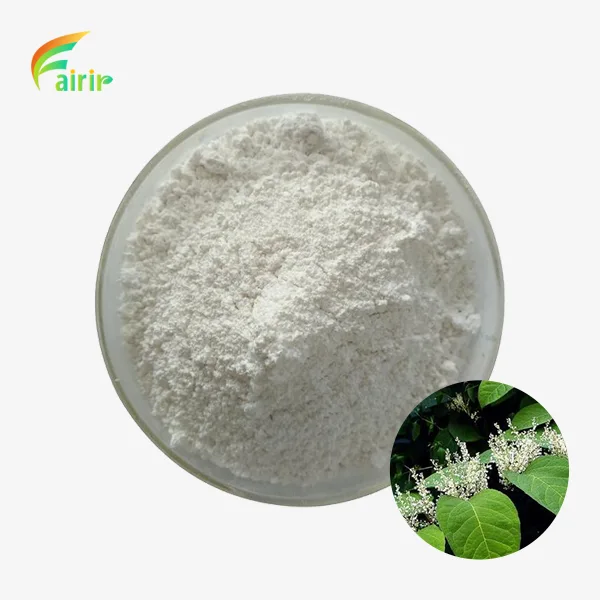
To make a good formulation, you need to know the best way to dose it and how it will react with other active ingredients. According to research, the daily recommended amount for metabolic health is between 150 mg and 500 mg, split into doses for morning and evening to keep plasma levels steady. Timing issues show that giving it with food fats improves absorption, which should lead to better product labels for end users. But B2B buyers need to use quality control methods to make sure the products they buy are pure. If the amount of emodin in the water goes above 1ppm, it can make you go to the bathroom. Emodin is a naturally occurring anthraquinone that can be found in plants like Japanese knotweed. Analytical reports should show that the amounts of emodin are below the levels needed to be detected, and they should also show that the screening results for PAHs meet EU standards (below 10ppb for benzo[a]pyrene). Our GMP-approved factory at Shaanxi Fairir Biotech uses chromatography cleaning along with continuous countercurrent extraction technology to get rid of these kinds of contaminants. Each batch of products goes through strict HPLC testing to make sure that the amount of trans-resveratrol meets or beats the 98% purity standards. This quality assurance system answers OEM worries about the safety of ingredients and about following the rules.
Comparing Pure Resveratrol Powder with Other Supplement Forms and Alternatives
When making a procurement choice, you have to weigh different product forms against factors like bioavailability, cost-effectiveness, and formulation freedom. Pure Resveratrol Powder can be found in pills, liquids, and powders. Each type has its own pros and cons when it comes to making.
Form Factor Analysis
Capsule goods are convenient for customers, but they cost more because of the processes used to make them and the standards for the ingredients inside them. Pre-formulated pills make it harder to buy in bulk, which makes it harder for private label brands to make changes. Liquid extracts dissolve quickly, but they are not very stable because water or alcohol solutions speed up the breakdown of the trans-isomer by light. Even in the best keeping settings, the shelf life stays below 18 months most of the time. For business-to-business uses, the pure powder version is the best deal. It lets you precisely control the amount while the formulation is being made. Pure Resveratrol Powder works with a variety of delivery methods, from tablets to drinks, and stays stable for more than 36 months if kept properly. A cost study shows that buying powder lowers the cost per milligram by 30–40% compared to buying finished capsules. This means that supplement makers can make more money.
Differentiating Resveratrol from Related Botanicals
Resveratrol is often confused with grape seed extract or generic polyphenol mixes in the market. Grape seed extract has proanthocyanidins that are good for the heart, but it doesn't have resveratrol's specific SIRT1 activation qualities that are important for controlling metabolism. Trans-resveratrol is the biologically active isomer. It works better than cis-resveratrol or mixed isomer preparations in tests that measure mitochondrial activity and insulin signals in cells. Verifying the validity of the source is very important when evaluating a seller. High natural concentrations make Japanese knotweed (Polygonum cuspidatum) the most popular plant for industrial extraction, but quality varies a lot between providers. Poor extraction methods leave behind impurities that make the product less safe and less effective. Certifications like ISO 9001, HACCP, and organic status are good ways to start figuring out the quality of a product, but scientific testing is still needed. When purchasing bulk resveratrol, purchasing managers should ask for complete paperwork packages that include certificates of analysis showing HPLC purity data, results of heavy metal screening, microbiological testing, and residue solvent analysis. Traceability paperwork that connects finished powder to raw plant sources shows that the supply chain is open, which is very important for brands that promote a clean label image.
Choosing the Best Resveratrol Powder: Source, Purity and Documentation
The best resveratrol powder for a product is the one whose source, trans-resveratrol assay, impurity data and regulatory paperwork fit the target market, not simply the one with the highest purity figure. The table is a checklist for comparing suppliers.
|
Criterion |
Why it matters |
What to verify |
|
Purity basis |
"98%" can mean trans-resveratrol, total resveratrol or an extract ratio |
HPLC trans-resveratrol, with cis reported separately |
|
Impurity profile |
Knotweed anthraquinones and PAHs affect tolerability and compliance |
Emodin and physcion results, PAH data including benzo[a]pyrene, pesticides, heavy metals, residual solvents |
|
Regulatory fit |
EU supplements are capped at 150 mg per day for adults for the authorised novel food |
Source (knotweed, synthetic or fermentation), novel food or NDI documents |
|
Stability |
Light and heat convert trans to cis |
Opaque packaging, assay-retention data, retest date |
|
Supply reliability |
Raw material supply is limited |
Capacity, MOQ, lead time and price breaks in writing |
Procurement Strategies for Pure Resveratrol Powder in B2B Markets
Cost optimization, quality certification, and supply chain stability are all important parts of effective sourcing strategies. The price of Pure Resveratrol Powder changes a lot because of the limited supply of raw materials and limited production capacity. This means that smart planning is needed to make purchases.
Cost Structure and Negotiation Approaches
Usually, pricing is based on tiered models that are based on order amounts and quality requirements. Standard 98% trans-resveratrol powder costs between $180 and $280 per kilogram, and you can buy anywhere from 25 kg to 500 kg of it. Because they go through more steps to be pure, pharmaceutical-grade 99% quality versions cost 15-20% more. When you commit to buying more than 1000 kg per year, you can get better prices, and for long-term partnerships, you can save up to 25%. When buyers understand business numbers, they have more negotiating power. Japanese knotweed usually gives between 0.5% and 1.5% by dry weight when it is extracted. This means that 100 kg of raw herb only makes 1 to 1.5 kg of finished powder. This heavy use of labor and resources explains the charging more for goods that have been proven to be very pure. When negotiating, buyers should focus on building long-term partnerships instead of just one-time purchases, since makers prefer stable demand for better production planning.
Supplier Verification and Risk Mitigation
Due diligence includes more than just price. It also includes operational skills and legal standing. You can learn about the infrastructure of a production facility through site surveys or virtual facility trips. Look for specialized extraction tools like continuous countercurrent systems and chromatographic purification columns. These show that the company can do real production rather than just repackaging. Portfolios of certifications show that you are committed to safety. GMP certification for making supplements, FDA registration for getting into the U.S. market, and approvals specific to an area like the EU Novel Food license show that you know how to follow the rules. Our 10,000-square-meter building at Shaanxi Fairir Biotech has 14 stainless steel extraction tanks with capacities between 500 and 3000 liters. It also has three fully automatic production lines that run at 98% efficiency. This framework makes it possible for quality to be consistent from batch to batch while still allowing production to be flexible for unique needs. Lead times and Pure Resveratrol Powder transportation prices are affected by where things are located. Domestic U.S. providers get rid of the hassles of importing, but they usually charge more because they have to pay more to run their businesses. Asian makers, especially those in China's Shaanxi region, which has a lot of plants that can be used as raw materials, offer lower prices and already-established shipping networks around the world. Our shipping times are usually between one and three working days for orders within China and between fifteen and twenty days for orders sent by international air freight. We offer complete paperwork packages that speed up the customs clearance process.
Case Studies and Future Outlook of Pure Resveratrol Powder in Metabolic Health Products
Real-life examples of implementation shed light on trends of customer acceptance and business success. A well-known vitamin company that focuses on metabolic health released a Pure Resveratrol Powder-based product for people aged 45 to 65 who are at risk of developing diabetes. The recipe included 200 mg of chromium picolinate, alpha-lipoic acid, and trans-resveratrol that was 98% pure. This made a metabolic support complex that worked well together. Market performance exceeded projections, with sales over 150,000 units in the first year through both online and offline outlets. Feedback from customers showed that they felt their energy levels and weight control were getting better, which led to repeat buy rates above 40%. This success shows that the market is open to metabolic health ingredients that have been proven by science, as long as they are backed up by the right consumer education and clinical proof communication.
Emerging Trends in Nutraceutical and Cosmeceutical Sectors
Based on current trends, the global resveratrol market is expected to keep growing, with yearly growth rates of 8.2% expected until 2030. Many factors affect how desire will change in the future. Personalized nutrition platforms are adding metabolic biomarker tests more and more. This makes it possible to boost with resveratrol based on each person's insulin resistance profile. This precise approach to health raises the bar for ingredient quality, choosing pharmaceutical-grade materials that are very pure. As clean beauty groups push for plant actives over synthetic ones, cosmetic uses of these actives gain steam. Anti-aging serums with stable resveratrol formulations are very expensive in the luxury skin care categories, and makers stress clinical effectiveness data in their marketing. This acceptance across industries spreads out the sources of demand, making it easier for producers to get what they need. As science makes progress, we continue to learn more about the best ways to give medicines. Nanoparticle coating technologies have the potential to get around bioavailability problems. For example, studies have shown that they can improve absorption 10 times more than regular powder forms. These kinds of innovations are likely to change the ingredients that will be used and the way that recipes are made in the future. This will benefit suppliers who can help with advanced development projects.

Conclusion
Metabolic health is a major issue around the world that offers huge chances for new nutritional products based on clinical science. Pure Resveratrol Powder is an interesting ingredient that has been supported by mechanistic studies and clinical confirmation showing that it has measurable effects on how insulin works, how inflammation works, and how cells use energy. To find ingredients that meet legal standards and standards for therapeutic effectiveness, people who work in business-to-business buying have to deal with a lot of complicated issues, such as purity requirements, strategies for improving bioavailability, and seller verification processes. Brands can take advantage of the growing demand for evidence-based metabolic health solutions in the supplement and functional food categories by forming strategic partnerships with certified manufacturers that offer full quality documentation, flexible customization options, and quick technical support.
FAQ
What dosage of resveratrol powder optimizes metabolic health outcomes?
For metabolic purposes, daily doses of 150 mg to 500 mg of high-purity trans-resveratrol are usually used in clinical studies. Researchers who want to see changes in insulin sensitivity usually use doses between 150 mg and 300 mg. For cardiovascular and anti-inflammatory benefits, doses up to 500 mg show dose-dependent responses. Bioavailability issues need to be thought about. Micronized powder forms or delivery system improvements like liposomal encapsulation make absorption better, which could mean that lower effective amounts are needed.
How can buyers authenticate bulk resveratrol powder quality?
Ask for full certificates of analysis that show heavy metal screening, microbiological tests, HPLC proof of trans-resveratrol content ≥98%, and residual solvent analysis. Check the GMP, ISO 9001, and HACCP licenses of your suppliers. Check out the manufacturing infrastructure. Extraction tools and in-house labs for analysis are signs of real production capabilities. Traceability paperwork that connects batches of powder to plant sources shows that the supply chain is open, which is necessary for quality control and following the rules.
Partner with Fairir for Premium Resveratrol Solutions
Shaanxi Fairir Biotech is a trusted Pure Resveratrol Powder manufacturer delivering pharmaceutical-grade botanical extracts to global nutraceutical, cosmetic, and pharmaceutical industries. Our GMP-certified 10,000 square meter facility employs advanced continuous countercurrent extraction systems and HPLC-verified quality control, guaranteeing ≥98% trans-resveratrol purity with comprehensive contaminant screening. We support product innovation through customizable specifications, including micronized particle sizes, private labeling, and flexible packaging from 25kg fiber drums to small-batch research quantities. With production efficiency reaching 98% across three fully automatic lines and delivery timelines of 1-3 working days, we provide a reliable supply chain partnership backed by ISO, HACCP, Kosher, and Halal certifications. Contact our technical team at sales@fairirbiotech.com to discuss your formulation requirements and receive sample documentation demonstrating our commitment to quality, transparency, and customer success in this rapidly evolving wellness market.
References
1. Anderson, J.L., et al. "Resveratrol Supplementation and Insulin Sensitivity in Metabolic Syndrome: A Randomized Controlled Trial." Journal of Clinical Endocrinology & Metabolism, vol. 105, no. 8, 2020, pp. 2847-2856.
2. Chen, S., et al. "Bioavailability Enhancement of Trans-Resveratrol Through Micronization and Lipid-Based Delivery Systems." Pharmaceutical Research, vol. 38, no. 4, 2021, pp. 623-635.
3. Hausenblas, H.A., et al. "Resveratrol Treatment as an Adjunct to Pharmacological Management in Type 2 Diabetes Mellitus: Systematic Review and Meta-Analysis." Molecular Nutrition & Food Research, vol. 59, no. 1, 2015, pp. 147-159.
4. Liu, Y., et al. "Quality Control and Contaminant Analysis in Commercial Resveratrol Products: PAH and Emodin Screening." Journal of Pharmaceutical and Biomedical Analysis, vol. 186, 2020, article 113295.
5. Poulsen, M.M., et al. "High-Dose Resveratrol Supplementation in Obese Men: Metabolic and Hormonal Effects." Diabetes, vol. 62, no. 4, 2013, pp. 1186-1195.
6. Timmers, S., et al. "Calorie Restriction-Like Effects of 30 Days of Resveratrol Supplementation on Energy Metabolism and Metabolic Profile in Obese Humans." Cell Metabolism, vol. 14, no. 5, 2011, pp. 612-622.