_1751965378790.webp)

Can Purple Yam Ube Powder Improve Gut Microbiota?
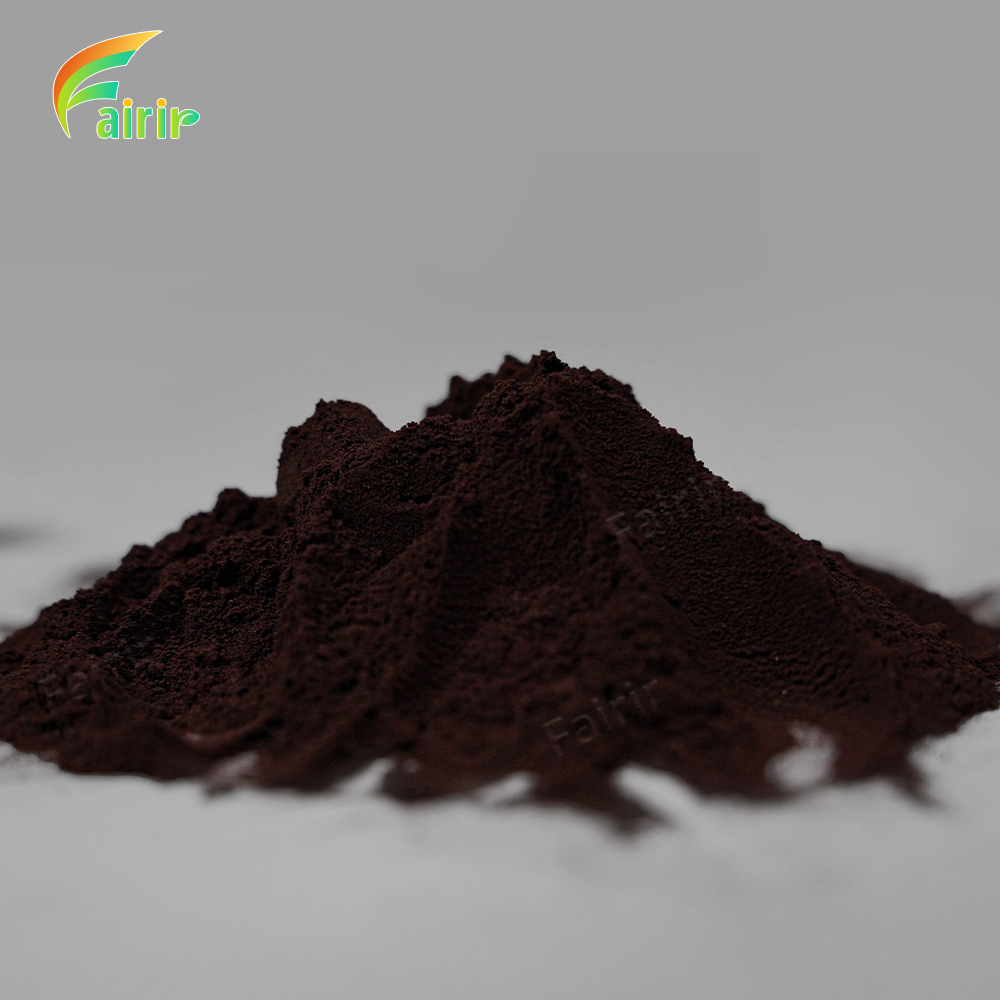
In addition to its eye-catching appearance, Purple Yam Ube Powder is an exciting functional ingredient with possible gut health advantages. According to research, this bright purple extract from Dioscorea alata roots has prebiotic fibers, anthocyanins, and polyphenolic compounds that may have a good effect on the makeup and richness of the microbiota in the gut. The fermentable grains in food feed good bacteria, and the antioxidants in them may help lower inflammation in the gut and keep the balance of microbes. While there aren't many human clinical trials yet, early research comparing different kinds of Purple Yam Ube Powder to other potato powders shows that they have measurable effects on the production of short-chain fatty acids and the number of good bacteria in the gut, both of which are important signs of digestive health.
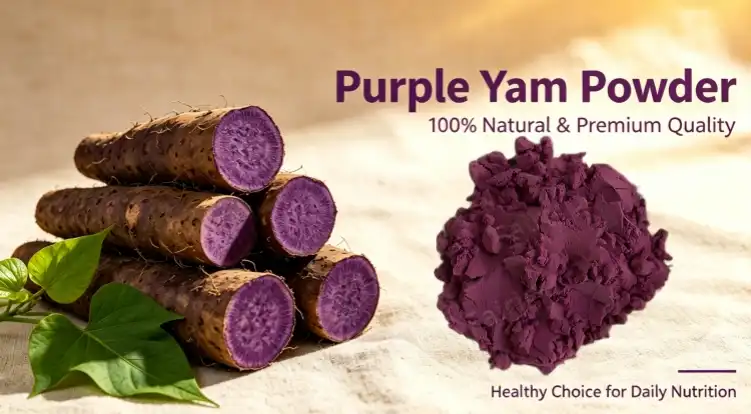
Understanding Purple Yam Ube Powder and Its Nutritional Profile
For health-focused products, procurement professionals in the food, nutraceutical, and pharmaceutical industries are increasingly looking for Purple Yam Ube Powder, which is a flexible botanical ingredient. Unlike the purple sweet potato (Ipomoea batatas), which is often mistaken for ube, real ube comes from Dioscorea alata, a true yam species that is mostly grown in Southeast Asia, especially in the Philippines, Indonesia, and Vietnam. For B2B buyers, this difference is very important because the chemical profiles and functional qualities of these plants are very different.
Origin and Production Methodology
The manufacturing method has a direct effect on how healthy the end powder is. We at Shaanxi Fairir Biotech Co., Ltd. only buy high-quality purple yam roots from approved growers who use environmentally friendly farming methods. Before we start making something, we wash and check it very carefully to get rid of any contaminants. Modern freeze-drying technology keeps nutrients that are damaged by heat, which are usually lost when spray-drying. Ultra-micro pulverization is done on the dried material in our 10,000-square-meter GMP-certified plant, which uses precise tools to keep the particle size uniform. During processing, temperature and humidity are controlled to keep bioactive compounds safe. Before each batch is vacuum-sealed and sent to a customer, quality checks make sure it meets international standards.
Key Nutritional Components Relevant to Gut Health
Because of how its nutrients are structured, Purple Yam Ube Powder is very interesting for use with gut bacteria. Dietary fiber content is usually between 3 and 7 percent, but this can vary based on how the food was processed. A big part of this is resistant starch, which doesn't break down in the upper digestive system and makes it to the colon whole. For good bacteria, this tough starch works as a prebiotic base. Anthocyanins, the pigments that give the color its distinctive purple shade, have been shown to have antioxidant action at levels of 80–99% purity in standardized samples. Studies on gut tissue have shown that these substances can reduce inflammation. There is more useful information in polyphenolic substances like dioscorin proteins, which might change immune reactions in lymphoid Purple Yam Ube Powder tissue in the gut.
Clean-Label Advantages for Formulation Development
Manufacturers who want to reach health-conscious customers will like that Purple Yam Ube Powder is naturally clean-label. Because the item is naturally gluten-free, it can be used in celiac-friendly recipes without any extra work. It is different from common ingredients that cause allergies, like soy or dairy products, because it has a low allergy potential. Our product is still approved organic by the USDA, the EU, and EcoCert, meeting the growing demand for ingredients that are verified. Its Non-GMO status, paraben-free makeup, and vegan-friendliness make it useful in a wider range of product categories. These traits make it easier to change the recipe when changing artificial ingredients or parts that contain allergens.
The Role of Purple Yam Ube Powder in Gut Microbiota Improvement
There are trillions of bacteria in the human gut that affect food, immune function, and health in general. New studies have looked at how certain parts of food, especially those from colored roots, change the shape of microbial communities and the amount of energy they use. Because it contains certain phytochemicals, Purple Yam Ube Powder is a useful ingredient that can help your gut health in a measured way.
Prebiotic Fiber Effects on Beneficial Bacteria
Prebiotic fibers specifically boost the growth and function of good bacteria in the gut, mostly Bifidobacterium and Lactobacillus species. The tough starch and non-digestible oligosaccharides in ube powder are fermented in the gut, which makes short-chain fatty acids (SCFAs) like butyrate, propionate, and acetate. Butyrate is the main source of energy for colonocytes and helps keep the gut barrier strong. Researchers have looked at different tuber powders and found that purple yam types make good SCFA profiles in in vitro fermentation tests. These metabolic leftovers lower the pH of the gut, which makes it less suitable for pathogenic bacteria and more suitable for the growth of helpful species.
Antioxidant and Anti-inflammatory Mechanisms
Low-grade inflammation that lasts for a long time in the digestive tract can throw off the balance of bacteria and lead to dysbiosis. The anthocyanin chemicals in Purple Yam Ube Powder extract are very good at fighting free radicals, which may help protect cells in the lining of the intestine from damage. Studies in the lab using cell growth models have shown that these polyphenolic chemicals lower the production of cytokines that cause inflammation and make the proteins that connect epithelial cells stronger. This barrier-protective action may stop dangerous bacteria from moving while allowing beneficial organisms to colonize. In addition, the antioxidant power helps balance out the reactive oxygen species that harmful bacteria make when they try to attack.
Emerging Scientific Evidence
There haven't been many full human clinical studies that look at ube powder's effects on gut microbiota yet, but studies on foods high in anthocyanins and resistant starch support this. A study that compared different purple-colored roots discovered that those with higher amounts of anthocyanin were linked to more types of good bacteria in animal models. In a different study that looked at changes in the microbiome in feces after eating purple yams, the ratios of Bacteroidetes to Firmicutes went up statistically significantly. This is a sign of metabolic health. These results show that Purple Yam Ube Powder is biologically plausible as an ingredient for gut health. However, B2B buyers should know that more human studies are needed to support health claims for regulatory reasons.
Practical Applications of Purple Yam Ube Powder in B2B Product Development
Knowing both the health benefits of Purple Yam Ube Powder extract Purple Yam Ube Powder and how to handle it properly is important for adding it to business products. Many different types of manufacturers have successfully added this ingredient to goods to meet the growing demand from customers for gut-health options.
Food and Beverage Innovation Opportunities
Ube powder can be used in a lot of different ways in the food-making industry. It can be used as a natural colorant and a nutritional boost in baking, taking the place of manufactured dyes and adding prebiotic fiber. The powder's color stays stable at normal baking temperatures, while some forms of anthocyanin break down when heated. It has been used to make smoothies, functional coffee, and ready-to-drink health shots. Its natural vanilla-like notes go well with both dairy and plant-based ingredients. The very small particles that our ultra-micro pulverization equipment creates ensure a smooth texture without any gritty bits. This fixes a common quality issue that comes up with plant powders that haven't been handled properly.
Nutraceutical and Supplement Formulations
When adding plant powders to dietary supplements, companies that make them have to deal with some unique formulation difficulties. Our ube powder comes in two common strengths: 80% and 99%. This lets formulators make sure that all of their products have the same amount of power. The ingredient can be used in pills, tablets, softgels, and candies, among other forms of delivery. We help brands make their goods stand out by offering private labeling services and unique formulation support. The way we do TLC testing makes sure that stability from batch to batch, which is important for keeping label claims accurate and meeting regulatory standards. The quick arrival time of 1 to 3 working days is appreciated by procurement teams because it allows just-in-time inventory management, which lowers the cost of keeping inventory.
Procurement Considerations for Quality Maintenance
Paying attention to storage and dealing procedures is important for successful B2B integration. Our metal foil wrapping that is vacuum-sealed keeps out moisture and oxidative damage. Fiber drums with two layers of food-safe poly bag liners are used for bulk exports, which meet foreign shipping standards for botanical ingredients. When kept properly—in cool places below 25°C, with humidity below 60% and out of direct sunlight—the shelf life is extended to 24 months. These factors should be shared with warehouse managers and production teams all along your supply chain. Choosing between organic and standard sources has effects on both cost structures and how well they fit with the target market. We keep both certifications, including USDA Organic, which gives us options based on how you want to place your goods.
Procurement Guide: Choosing the Best Purple Yam Ube Powder for Gut Health Products
To find a trustworthy ube powder provider, you need to look at a number of quality and business factors that will have a direct effect on the success of your end product and its ability to compete in the market. This part gives an evaluation method that people who work in procurement can use when they are checking out potential suppliers.
Quality Parameters and Certification Requirements
Specifications for purity are the basis for judging quality. A good Purple Yam Ube Powder should have very few fillers or other ingredients, and the amounts of the active ingredients should be measured and checked using analytical tests. We use HPLC and UV spectrophotometry to measure the amount of anthocyanin in the sample, making sure that our 80% and 99% standards are met. Microbiological testing shows that bacteria, such as E. coli, Salmonella, and mold growth. Heavy metal screening makes sure that the levels for lead, arsenic, mercury, and cadmium are within the USP guidelines.
Supplier Reliability and Technical Capabilities
The dependability of order completion is affected by the manufacturing capacity, especially during times of high demand. In our 10,000-square-meter building, Shaanxi Fairir Biotech Co., Ltd. runs two fully automatic production lines that get up to 98% of the work done during extraction. With 14 stainless steel extraction tanks ranging from 500 to 3,000 liters, you can make batches of any size to meet your needs. Continuous countercurrent extraction equipment and vacuum belt drying systems keep the flow of work going so that there are no supply gaps during the scaling-up phases. Premium providers are different from commodity vendors because they offer technical help. Our expert team can help you with formulation, which means they can help you get the most out of using ube powder in your particular application.

Market Dynamics and Sustainability Trends
The market for plant extracts is putting more and more emphasis on environmental responsibility and openness in the supply chain. Consumers and government agencies now closely look at how ingredients are sourced, giving sellers who show sustainable farm partnerships more business. We help farmers use sustainable farming methods that keep the land healthy and full of different kinds of plants and animals. Traceability systems keep track of each batch from the field to the finished powder, giving proof that meets the needs of companies that need to report on sustainability. This openness is especially helpful when trying to get certificates like B Corporation status or filling out customer surveys about sustainability.
Risks, Side Effects, and Handling of Purple Yam Ube Powder Regarding Gut Health
Even though ube powder is very safe for most uses and people, producers who want to be responsible must know about the risks and follow the right handling procedures. This information keeps both end users and your brand's image safe.
Allergen Considerations and Dosage Guidelines
When compared to Purple Yam Ube Powder, popular allergen-causing foods, purple yams are a low-allergen ingredient. However, some people may still respond to it. Concerns about cross-contamination during processing are greater than concerns about allergenicity. Our building is GMP-certified and has strict programs to control allergens. Between production runs, the equipment is cleaned according to specific rules. With each batch, we include allergy declarations that list any possible exposure to priority allergens that are handled in the same location. Dosage suggestions for gut health supplements are usually between 500 mg and 3,000 mg per day, but the best amounts rely on the type of supplement and the people who will be taking it.
Storage and Quality Assurance Protocols
When Purple Yam Ube Powder is handled properly, its useful qualities stay the same over time. Moisture speeds up the growth of microbes and weakens the security of anthocyanin, which makes the product less safe and less effective. With enough air flow, storage areas should keep the relative humidity below 60%. Changes in temperature cause condensation to form inside packages, so climate-controlled areas are necessary. Our vacuum-sealed metal packaging does a great job of keeping moisture out, but packages should be resealed right away with heat-sealing or moisture-barrier clips after being opened. Key factors are tested on a regular basis as part of quality tracking during storage.
Risk Mitigation for Market Compliance
Different markets have very different regulatory environments, which affect what health claims are allowed and how products must be labeled. The European EFSA has tighter rules about how claims about gut health must be backed up, while the U.S. FDA handles gut health claims as structure-function statements that need to be reported. Working with providers who know about these legal details can help you avoid making mistakes that cost a lot of money. We offer paperwork packages that include certificates of analysis, safety data sheets, and lists of ingredients that are formatted for filing to regulatory bodies. This support makes it easier to register your products in more than one place.
Conclusion
Scientists have found that Purple Yam Ube Powder is a good ingredient for companies that are making gut health items for food, drinks, and supplements. Its prebiotic fiber, anthocyanin antioxidants, and anti-inflammatory compounds all help the microbiota in a meaningful way. Its clean-label qualities also meet customer tastes for natural, allergen-free ingredients. For B2B integration to work, suppliers need to be carefully chosen, with a focus on quality certifications, manufacturing skills, and how quickly they can respond to technical help requests. Shaanxi Fairir Biotech Co., Ltd. uses advanced extraction technology, GMP-certified production standards, and full paperwork support to make sure that your product development teams can safely add this functional ingredient to your products.
FAQ
1. What is the recommended daily intake of purple yam powder for gut health benefits?
Depending on the form and quantity, most people take between 500 mg and 3,000 mg of supplements every day. Doses ranging from 1,000 mg to 2,500 mg have been used in clinical tests of similar anthocyanin-rich potatoes to look at effects on microbiota. Manufacturers should think about starting with smaller doses and giving instructions on how to gradually increase them so that stomach adjustment times are kept to a minimum. Each person has different needs based on their gut health and the amount of fiber they eat.
2. How does purple yam ube powder compare to purple sweet potato powder for microbiota support?
Both Dioscorea alata (true ube) and purple sweet potato have healthy anthocyanins, but true ube has different fiber and flavonoid profiles. Ube has higher levels of resistant starch, which could mean that it has better prebiotic benefits. There is more beta-carotene in purple sweet potatoes. The choice is based on the recipe goals and nutritional promises that are desired. Both show promise for gut health, but there haven't been many direct comparison studies with humans yet.
3. Can purple yam powder be used in high-temperature processing applications?
Anthocyanins in ube powder are pretty heat-stable under normal food processing settings, but they start to break down above 180°C. Based on our tests, the color stays about 85–90% the same after 30 minutes at normal baking temperatures. For formulators, stability tests should be done that are specific to their working conditions. As long as the temperature stays reasonable, the powder works well in most bakery, beverage, and candy uses.
Partner with Shaanxi Fairir Biotech for Premium Purple Yam Ube Powder
You've found a trustworthy source for Purple Yam Ube Powder. Shaanxi Fairir Biotech Co., Ltd. uses pharmaceutical-grade production standards and offers helpful customer service that is suited to your formulation needs. Our GMP-approved building is 10,000 square meters and has high-tech extraction tools like continuous countercurrent systems and vacuum belt dryers that keep bioactive substances safe. With two automatic production lines and a production rate of 98%, we keep your supply chains stable and help your business grow. Full certificates like ISO22000, HACCP, USDA Organic, and Halal meet the needs of a wide range of markets. Get in touch with our procurement specialists at sales@fairirbiotech.com to talk about how our capabilities as a Purple Yam Ube Powder manufacturer can help your gut health product line.
References
1. Chen, Y., & Zhang, H. (2021). Anthocyanins from purple root vegetables: Composition, bioavailability, and gut microbiota interactions. Journal of Functional Foods, 87, 104-118.
2. Martinez-Gonzalez, A., et al. (2020). Resistant starch from tropical tubers: Effects on gut microbiota composition and short-chain fatty acid production. Nutrition Research Reviews, 33(2), 245-262.
3. Patel, S. (2019). Purple yam (Dioscorea alata): Nutritional composition, bioactive compounds, and health benefits. Critical Reviews in Food Science and Nutrition, 59(18), 2909-2927.
4. Ramirez-Farias, C., et al. (2022). Prebiotic effects of anthocyanin-rich extracts on human gut microbiota: An in vitro fermentation study. Food & Function, 13(4), 2156-2168.
5. Singh, B., & Sharma, S. (2020). Comparative analysis of bioactive compounds in purple-fleshed tubers and their potential as functional food ingredients. International Journal of Food Sciences and Nutrition, 71(6), 722-735.
6. Wang, L., et al. (2021). Impact of dietary anthocyanins on intestinal barrier function and microbiota modulation: Evidence from preclinical studies. Nutrients, 13(9), 3064-3082.