Can Tetrahydrocurcumin Powder Enhance Bioactivity vs Curcumin?
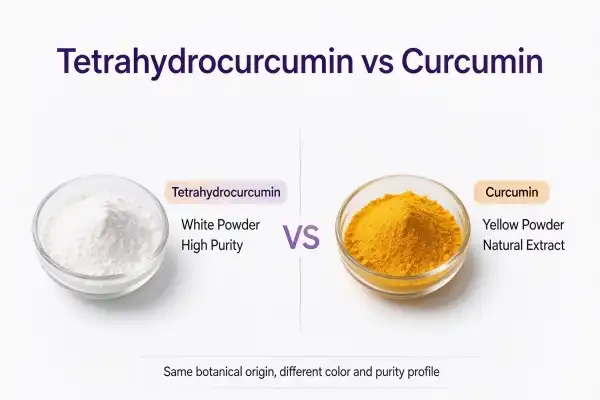
Tetrahydrocurcumin powder has a lot more bioactivity than curcumin. This is mostly because its chemical structure is hydrogenated, which gets rid of the conjugated double bonds that are found in curcumin. This change to the structure makes the chemicals more stable, makes them more bioavailable, and makes them a stronger antioxidant without making more reactive oxygen species. Researchers have confirmed that hydrogenation changes curcumin into a colourless metabolite that is better absorbed by tissues. This makes it very useful for pharmaceutical formulations, nutraceutical supplements, and cosmetics that need to be effective all the time and stay stable on the shelf.
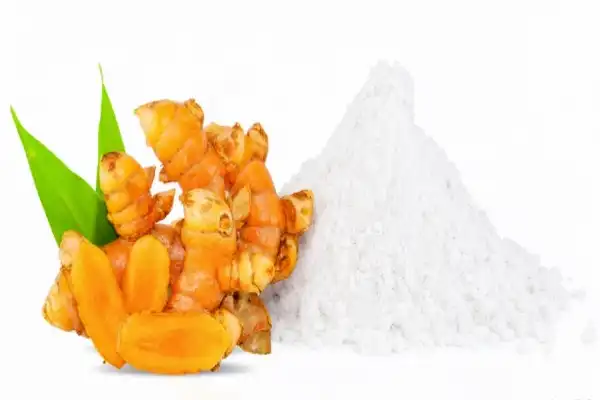
Understanding Tetrahydrocurcumin Powder and Its Bioactivity
The biotechnological advancement from curcumin to its hydrogenated form represents a significant leap in functional ingredient development. As someone deeply involved in botanical extract innovation, I've witnessed how this transformation addresses critical limitations that have long challenged formulators working with traditional turmeric derivatives.
The Chemical Structure Behind Enhanced Performance
Tetrahydrocurcumin is a unique chemical with the CAS number 36062-04-1 and the molecular formula C21H24O6. Its centre heptadiene chain does not have any conjugated bonds, which makes it stand out. Curcumin has reactive alpha, beta-unsaturated carbonyl groups that make it unstable and break down quickly. The hydrogenated version keeps the good phenolic hydroxyl groups while getting rid of the bad conjugated system. This improvement in the structure explains why our white crystalline powder, which is 98% pure, is so resistant to photodegradation, heat exposure, and pH changes that usually ruin curcumin formulations. The metabolic route also supports the compound's superiority. When people eat curcumin, enzymes in their guts automatically change it into tetrahydrocurcumin, which is the main metabolite. However, only a small amount of curcumin survives this change because it breaks down so quickly. By giving the form that has already been hydrogenated, this inefficient biochemical bottleneck is skipped, and the active compound goes straight to the target tissues with little change needed.
Natural and Synthetic Sourcing Pathways
Getting this useful ingredient can be done in two different ways. To use the natural method, curcuminoids are taken from the rhizomes of Curcuma longa, and then hydrogenation is done under controlled conditions. On the other hand, small amounts of it are found naturally in the roots of some plants, but extracting it is still not a good business idea. At Fairir, we use advanced hydrogenation protocols that meet 98% purity standards. This is confirmed by HPLC, UV spectrophotometry, and GC analysis in our fully equipped quality control laboratory. For B2B procurement choices, it is very important to understand these differences in sourcing. When you use synthetic hydrogenation, you can precisely control the levels of purity, the distribution of particle sizes, and the profiles of leftover solvents. These are all factors that have a direct effect on how well the formulation works. Our GMP-approved facility uses continuous countercurrent extraction equipment and vacuum belt drying systems to make sure that the specs for each batch are the same, which is what pharmaceutical companies need for regulatory submissions.
Bioavailability: What the Evidence Supports
Curcumin is poorly soluble, degrades quickly and only a very small fraction reaches the circulation unchanged, and tetrahydrocurcumin is more stable and more lipophilic, but the fold-increase in plasma exposure depends on the delivery system. In one human study of a cyclodextrin-complexed curcumin formulation, serum tetrahydrocurcumin levels were reported at roughly three times those of curcumin, but data from equal doses of unformulated powders in head-to-head human trials are lacking, so a fixed "3 to 8 times" figure should not be used. The table separates the factors.
|
Factor |
What is known |
Meaning for buyers |
|
Cyclodextrin-complexed curcumin (human) |
Serum tetrahydrocurcumin reported around three-fold higher than curcumin in one study |
The advantage was measured in a formulated product, not in plain powder |
|
Unformulated powders |
No robust head-to-head human data at equal doses |
Do not assume a fold-increase; test your own formula |
|
Delivery systems (cyclodextrin, liposomes, microemulsions) |
Can raise solubility and exposure for either molecule |
Choose the delivery system as the main bioavailability lever |
|
Dose reduction |
Not established for tetrahydrocurcumin |
Do not plan lower doses on the basis of an assumed multiple |
Health and Functional Benefits of Tetrahydrocurcumin Powder
The therapeutic profile of this hydrogenated curcuminoid extends across multiple physiological systems, supported by extensive preclinical research and emerging clinical evidence. Product developers seeking science-backed ingredients will find compelling data supporting their inclusion in health-focused formulations.
Antioxidant Properties That Surpass Curcumin
One of the most well-documented effects is its ability to remove free radicals. In standard DPPH and ABTS tests, tetrahydrocurcumin is a better antioxidant than its parent compound. This is because it has phenolic hydroxyl groups that give electrons to neutralise reactive species without turning into a pro-oxidant itself. It is very important to make this difference because curcumin can produce ROS at high concentrations because of its conjugated structure, which could damage cells. This risk is eliminated in the hydrogenated form. Our 98% pure white powder works as an antioxidant consistently across a range of pH levels and temperatures, making it suitable for use in both oral supplements and topical formulas. This steadiness is especially helpful for cosmetics because the ingredient keeps its protective ability throughout the shelf life of the product without changing colour or losing its effectiveness. Anti-aging serums, protective day creams, and treatments for skin that has been in the sun are all great examples of how this long-lasting antioxidant, Tetrahydrocurcumin powder activity can help consumers.
Anti-Inflammatory Effects with Clinical Backing
Many long-term illnesses are caused by inflammation, which is why there is a need for safe, effective modulators that can be used as part of long-term health plans. The hydrogenated curcuminoid stops many inflammatory processes at the same time, such as NF-κB signalling, COX-2 expression, and the production of pro-inflammatory cytokines. Studies that have been published in reputable journals show that this botanical derivative works well in models of arthritis, skin inflammation, and metabolic dysfunction caused by chronic low-grade inflammation. Unlike pharmaceutical anti-inflammatories that have concerning side effect profiles, this botanical derivative has an excellent safety record across toxicology studies. This safety cushion makes it very appealing to companies that make dietary supplements for people who want to improve their joint health, recover from sports injuries, or age healthily. Because it reduces inflammation, it's also commonly used in skin care products to treat redness, sensitivity, and inflammatory skin conditions like acne and rosacea.
Skin Brightening and Tyrosinase Inhibition
Potent tyrosinase inhibition, which helps with hyperpigmentation and uneven skin tone, is one of the most useful properties for business. Tyrosinase is an enzyme that helps make melanin. If it works too much, it can cause age spots, melasma, and post-inflammatory hyperpigmentation. In vitro studies show that this compound's IC50 value for tyrosinase inhibition is higher than both kojic acid and arbutin, which are commonly used brightening agents. Tetrahydrocurcumin's lack of colour is a major benefit over yellow curcumin in cosmetic uses. Formulators can use amounts between 0.1% and 1.0% that work well without changing the colour of the product or staining skin temporarily, which would ruin the experience for customers. This is good for brightening serums, spot-fading treatments, and daily skin care products because it makes them work better and look better at the same time. When our clients in the personal care industry switch from standard curcumin to the hydrogenated version, they always hear good things from customers.
Safety Profiles and Regulatory Considerations
Regulatory approval is still very important for ingredients that will be used in food, medicine, and beauty products. A lot of chemical data shows that tetrahydrocurcumin is safe when taken in different ways and at different doses. Acute toxicity studies, repeated-dose protocols, and genotoxicity assessments all show that safety margins are well above the recommended therapeutic concentrations. At Fairir, we keep a lot of paperwork to prove that our product meets international standards, such as ISO certifications, USDA Organic protocols (when applicable), and EU regulatory frameworks. When combined with our GMP-certified manufacturing environment, this documentation package makes the approval process easier for clients who are making goods for global markets. With every batch, we send you a Certificate of Analysis, heavy metal test results, microbial limits verification, and residual solvent reports. This way, you can be sure that your procurement team has the clear quality assurance data they need for regulatory submissions and internal quality management systems.
Comparing Tetrahydrocurcumin Powder with Curcumin and Other Derivatives
Procurement professionals evaluating turmeric-derived ingredients face numerous options, each with distinct performance characteristics and cost implications. A systematic comparison reveals why the hydrogenated form increasingly represents the preferred choice for applications demanding maximum stability and bioactivity.
Molecular Stability and Shelf Life Advantages
Chemical stability has a direct effect on both the manufacturing process and the performance of the end product. Standard curcumin breaks down quickly in light, heat, neutral to alkaline pH, and reactive conditions, all of which are common during production, storage, and use by consumers. Because of this instability, protective formulation strategies, specialised packing, and claims of shorter shelf life are needed, all of which raise the cost of the product as a whole. The hydrogenated alternative, on the other hand, is remarkably stable under the same stress conditions. Our fast stability tests show that curcumin doesn't lose much of its effectiveness after six months at 40°C/75% relative humidity, which are settings that would normally make it much less effective. Because of this stability benefit, products can be kept for longer, there is less waste from old stock, and formulators have more options without having to use complicated encapsulation or co-antioxidant systems. This also makes manufacturing more efficient. Heat-based processing steps, like hot-fill processes, spray drying, or thermal sterilisation, can be used without losing a lot of the active ingredient. This processing tolerance makes it easier to make things and lets the production factors be fine-tuned for other formulation goals, like texture, dissolution rate, or sensory properties.
Efficacy Comparison Across Application Categories
In comparative assays tetrahydrocurcumin shows equal or higher radical scavenging, and in cosmetics its lack of colour allows leave-on use at levels that would stain with curcumin. Claims of deeper skin penetration or of fixed multiples of plasma exposure are not established. The matrix below shows how the properties map to buying decisions.
|
Buying priority |
Better fit |
Reason |
Evidence level |
|
Colourless or light-coloured cosmetics |
Tetrahydrocurcumin |
No yellow staining |
Physical property |
|
Wide-pH, heat-processed products |
Tetrahydrocurcumin |
Greater chemical stability |
Analytical data |
|
Antioxidant support positioning |
Tetrahydrocurcumin or equal |
Equal or higher radical scavenging |
In vitro |
|
NF-κB or covalent-target pathways |
Curcumin may suit better |
Reactive carbonyl lost in the hydrogenated form |
Model-dependent |
|
Clinical evidence base |
Curcumin |
More human studies available |
Human trials |
Product Formats and Manufacturing Flexibility
Our 98% pure tetrahydrocurcumin powder can be used in several different ways because of its physical and chemical qualities. It's easy to make tablets, hard capsules, and mix with other powdered ingredients because the particles are spread out evenly and the powder flows easily. The white colour goes well with tablet matrices, sachets, and powdered drink mixes, so there are no colour-matching problems. The traits of solubility help choose the right solvent for liquid formulations. Our applications team can suggest tried-and-true ways to dissolve substances in water, such as cyclodextrin complexation, liposomal encapsulation, and surfactant-based microemulsions. We also offer a range of flexible packing options to fit your production needs and preferred handling methods. Small amounts used for research and development are sent in vacuum-sealed aluminium foil bags. Large amounts used for production are put in food-grade Tetrahydrocurcumin powder poly-lined fibre drums that can hold 25 kg. This way of packing keeps the quality of the product safe while it's being shipped and stored, keeping out moisture and oxidative damage that could ruin your formulation work. We can send in-stock items in just one to three business days, which works with both just-in-time inventory management and agile product development cycles.
Procurement Insights: Sourcing High-Quality Tetrahydrocurcumin Powder
Identifying reliable suppliers who consistently deliver pharmaceutical-grade botanical extracts requires evaluating multiple parameters beyond unit price. Strategic sourcing decisions consider quality systems, analytical capabilities, supply chain resilience, and technical support depth—factors that collectively determine long-term partnership value.
Critical Supplier Credentials and Quality Certifications
GMP certification is the basic condition for suppliers who work with companies that make medicines and supplements. Our 10,000-square-meter building follows strict Good Manufacturing Practice rules and has separate areas for receiving raw materials, extracting them, concentrating them, drying them, milling them, blending them, and packaging them. In addition to infrastructure, a supplier's analytical capabilities show if they can back up their stated specifications. These separate areas stop cross-contamination and allow for an efficient workflow that protects the integrity of the product from the botanical source to the finished extract. There are High Performance Liquid Chromatography systems, UV spectrophotometers, rotary evaporators, and thermostat water baths in our lab that can be used to test for identity, strength, and purity. Each production batch goes through several tests, such as looking good, figuring out the assay, checking for heavy metals, analysing pesticide residues, making sure the microbial limit is met, and measuring the amount of leftover solvents. This careful analysis makes sure that every shipment meets the 98% purity standard you need for consistent recipe performance. Other certifications show that the company is dedicated to specific markets and quality standards. Organic certifications like USDA Organic and EU guidelines are appealing to companies that want to sell natural products. Certifications like halal and kosher make food available to groups of people who have to follow religious eating rules. These extra certifications are part of our portfolio. They give you options as your product lines grow into new market segments with different consumer and regulatory standards.
Evaluating Minimum Order Quantities and Sample Availability
Usually, business relationships start with evaluating samples. This lets your R&D team check the formula's physical qualities, analytical requirements, and how it reacts to different ingredients before committing to large-scale production. We offer free samples of our tetrahydrocurcumin powder, usually in amounts of 50 to 100g, which are enough for initial stability testing, suitability screening, and making small batches of prototypes. This no-obligation sampling method lowers your procurement risk and shows that we have faith in the quality of the product. Production order minimums are a good mix between making the product efficiently and making it easy for customers to get. Our production schedule is flexible enough to handle orders from 25 kg to several tonnes, and our prices are set in a way that rewards volume agreements while still being affordable for new brands and contract manufacturers with multiple clients. This means that we can help your business through all of its growth stages, from testing the market for the first time to regional expansion and finally to national or international distribution, all without you having to find new suppliers as your volume needs change. Predictable lead times are just as important as minimum quantities. With 14 stainless steel tanks ranging from 500 to 3000 litres and three fully automatic production lines, we can remove a lot of oil. This makes production up to 98% more efficient. With this infrastructure, in-stock items can be delivered in one to three business days. Custom formulation or private name orders take longer, depending on how complicated they are. Reliable fulfilment timing keeps your production plans from getting pushed back, which can cost a lot of money, and it keeps your working capital from getting stuck in too much safety stock.
Cost Structures and Bulk Purchasing Strategies
The price of botanical extracts is affected by many factors that affect costs, such as where the raw materials come from, how well the extracts are extracted, how much testing is needed, how long the approval lasts, and how the products are packaged. To make tetrahydrocurcumin, more hydrogenation steps are needed than just extracting curcumin, which helps it stand out from other curcuminoids that haven't been changed. However, the higher stability, bioavailability, and effectiveness of the product often make up for the higher cost by improving its performance and making the formulation less complicated. Volume-based price tiers reward customers who commit to buying more or making long-term supply agreements. Our sales team creates proposals that match the pricing benefits with what you expect to need, whether you need regular monthly shipments to keep your production going or seasonal orders that fit your production schedule. There are also chances to bundle more than one product. For example, when customers buy our tetrahydrocurcumin with other botanical extracts from our large catalogue, they can often get better blended pricing that lowers the overall cost of the ingredients. Price changes in the botanical extract market are affected by changes in currency, the availability of raw materials, and government regulations. Establishing relationships with suppliers who talk openly about market conditions helps procurement teams predict changes in costs and discuss safety measures like fixed-price contracts for set amounts of time and space. As part of our commitment to relationship transparency, we will let you know ahead of time about any changes that might affect price or availability. This way, you can use your planning processes to make strategic changes instead of reactive ones.
Practical Usage and Formulation Recommendations for B2B Clients
Translating ingredient specifications into successful finished products requires understanding optimal incorporation methods, dosage ranges, stability considerations, and compatibility with complementary formulation components. Our technical team has supported hundreds of formulation projects, accumulating practical insights that accelerate your development timelines.
Recommended Dosage Ranges Across Applications
The amount of Tetrahydrocurcumin powder in most dietary supplements is between 50 mg and 500 mg. How they want to compete in the market, the health claims they want to make, and how much they cost all affect the exact amounts. Near the top of this range are usually the higher amounts found in joint health formulas. On the other hand, antioxidant support products might use only small amounts along with plants that work well together, like resveratrol or green tea catechins. If you take about one-third to one-half the dose of tetrahydrocurcumin instead of regular curcumin, you can still get the same therapeutic benefits. This lets you make smaller pills or mixtures with more than one ingredient when you don't have much room. For cosmetics, much lower amounts are used, generally between 0.1% and 1.0% of the finished product. Serums that lighten dark spots normally have 0.5% to 1.0% of tyrosinase inhibition in them, so that you can get the most out of them. It may be in 0.1% to 0.3% of daily moisturisers that fight free radicals. These numbers give the skin measurable benefits without making it too hard to meet other formulation needs, such as those for texture, penetration enhancers, or sensory qualities. The product's look won't change, no matter what quantity is used, as long as it's within this range of what works. For food and drink uses, there are extra regulatory issues to think about when it comes to the amount of use that is allowed and the information that needs to be put on the label. Most of the time, the serving sizes for functional drinks, nutrition bars, and dietary snacks are the same as serving sizes for dietary supplements. However, the sizes have been changed to fit how the products are normally eaten. Our help with regulatory affairs can help you figure out how to follow these category-specific rules in different markets. We'll make sure that your recipe meets both your legal and success goals.
Maintaining Stability and Efficacy in Different Product Matrices
While tetrahydrocurcumin is generally more stable than curcumin, it is still important to prepare it correctly so that you can get the most out of it while it is still fresh. Making sure the pH is right is one of the most important things to do. pH is steady over a large range, but between 5.0 and 6.5 is where it works best. While formulas that aren't in this range might slowly turn yellow again, they are still safer than curcumin when used in the same way. Gentle buffering systems help keep the pH level of the product stable and make it last longer. Curcumin protection is more important than antioxidant protection, but antioxidant protection still helps keep the mixture stable. Tocopherols, ascorbic acid derivatives, and rosemary extract are all antioxidants that work well with each other to keep things from breaking down during storage due to oxidation. This is very important for powders or jars that have been opened and have a lot of surface area showing. This safety measure makes sure that the 98% effectiveness that was checked when it was made stays mostly the same until the date it expires. How stable the item is depends a lot on the type of packing used. Photodegradation can be stopped by putting things in yellow cases, opaque tubes, or materials that block UV light. Oxidative stress is kept to a minimum by titanium tubes, airless pumps, or packages that are filled with nitrogen. To stop hydrolytic breakdown, desiccants or materials that don't let water through can be used. Our expert staff can help you figure out the best ways to package your product based on how it will be sold and how it is made.
Compatibility with Co-Ingredients for Synergistic Benefits
Formulation artistry often involves putting together a lot of different active ingredients that work together to solve complicated health or beauty problems. Tetrahydrocurcumin works very well with many natural and man-made actives, creating benefits that are greater than the sum of their individual effects. For example, when combined with glucosamine, chondroitin, and MSM in joint health supplements, it supports cartilage in many ways, including by building it up and reducing inflammation. Adding resveratrol, quercetin, and alpha-lipoic acid to antioxidant mixtures makes them more effective against a wide range of reactive species. Tetrahydrocurcumin is often combined with omega-3 fatty acids and phosphatidylserine to help with cognitive health. This reduces neuroinflammation and supports membrane fluidity and neurotransmitter function. Similar processes are used in cosmetic formulations. Brightening treatments use tetrahydrocurcumin and niacinamide together to treat colour by stopping tyrosinase and stopping melanin transfer. Anti-aging serums combine it with peptides and other forms of retinol to fight against free radicals and boost collagen production. Combining it with centella asiatica and panthenol in formulations for sensitive skin creates multi-pathway calming effects. As part of our formulation development support, we test the compatibility and stability of your proposed ingredient combinations to find any potential interactions before you commit to using them on a large scale. This proactive technical service cuts down on expensive reformulation cycles and speeds up the time it takes for your new product ideas to reach the market.
Conclusion
Compared to regular curcumin, tetrahydrocurcumin powder is a big step forward because it is more bioavailable, more stable, and has stronger protective properties that can be used in medicine, supplements, and beauty products. Its hydrogenated structure gets rid of the instability and pro-oxidant issues that come with curcumin while keeping the health benefits that have made turmeric compounds so valuable. B2B procurement workers can make good use of this powerful ingredient if they understand the molecular differences, source issues, and best practices for formulation. Because there is scientific proof that it works better and because it is easier to make, brands that want to give customers the best value and most effective products in the wellness market are choosing this option more and more.
FAQ
Q1. Is tetrahydrocurcumin more bioavailable than curcumin?
It can be, but the advantage depends on the formulation. In one human study of a cyclodextrin-complexed curcumin, serum tetrahydrocurcumin was reported at roughly three times the curcumin level, but robust head-to-head human data for unformulated powders at equal doses are lacking, and a fixed "3 to 8 times" multiple is not supported.
Q2. Is tetrahydrocurcumin a stronger anti-inflammatory than curcumin?
Not consistently. Studies are mixed: tetrahydrocurcumin was less active than curcumin on IκB kinase in macrophages, while one animal study reported superior effects, and curcumin's reactive carbonyl lets it act on some targets that tetrahydrocurcumin cannot. Choose by target pathway and avoid claims of superior anti-inflammatory activity.
Q3. What is the safe intake of tetrahydrocurcuminoids in the EU?
EFSA concluded in 2021 that tetrahydrocurcuminoids from turmeric are safe at 140 mg per day for adults in food supplements, based on a safe level of 2 mg per kg body weight per day, excluding pregnant and lactating women. The applicant had requested 300 mg per day, so higher doses should not be assumed to be compliant.
Q4. How do I buy tetrahydrocurcumin powder for commercial use?
Define purity and application, request a sample and COA, verify GMP and other certificates, compare delivered cost, and confirm MOQ and lead time in writing. Choose a tetrahydrocurcumin powder manufacturer that can document its production route, residual solvents and stability data.
Q5. What are typical MOQs and terms for wholesale tetrahydrocurcumin powder?
Wholesale tetrahydrocurcumin powder usually starts at 25 kg for commercial production, with free samples of 50 to 100 g for testing, volume price tiers and delivery in one to three business days for in-stock items. Request current terms from sales.
Partner with Fairir for Premium Tetrahydrocurcumin Powder Supply
Shaanxi Fairir Biotech Co., Ltd. stands ready to support your tetrahydrocurcumin powder procurement needs with unmatched quality, technical expertise, and supply chain reliability. Our GMP-certified 10,000 square meter facility combines advanced extraction technology with comprehensive analytical capabilities, ensuring every Tetrahydrocurcumin powder batch meets pharmaceutical-grade 98% purity specifications verified through HPLC, UV spectrophotometry, and GC testing. Whether you're developing breakthrough nutraceutical formulations, innovative cosmetic products, or pharmaceutical applications, our technical team provides responsive support from initial sampling through full-scale production. We deliver competitive pricing structures that reward long-term partnerships while maintaining the transparent communication and regulatory compliance documentation global brands require. Contact our team at sales@fairirbiotech.com to request your free sample and discover why leading manufacturers choose Fairir as their trusted tetrahydrocurcumin powder supplier.
References
1. Aggarwal, B.B., Deb, L., & Prasad, S. (2015). Curcumin differs from tetrahydrocurcumin in molecular targets, signalling pathways and cellular responses. Molecules, 20(1), 185-205.
2. Okada, K., Wangpoengtrakul, C., Tanaka, T., Toyokuni, S., Uchida, K., & Osawa, T. (2001). Curcumin and especially tetrahydrocurcumin ameliorate oxidative stress-induced renal injury in mice. Journal of Nutrition, 131(8), 2090-2095.
3. Pari, L., & Murugan, P. (2007). Tetrahydrocurcumin prevents brain lipid peroxidation in streptozotocin-induced diabetic rats. Journal of Medicinal Food, 10(2), 323-329.
4. Sugiyama, Y., Kawakishi, S., & Osawa, T. (1996). Involvement of the beta-diketone moiety in the antioxidative mechanism of tetrahydrocurcumin. Biochemical Pharmacology, 52(4), 519-525.
5. Wu, J.C., Tsai, M.L., Lai, C.S., Wang, Y.J., Ho, C.T., & Pan, M.H. (2014). Chemopreventative effects of tetrahydrocurcumin on human diseases. Food & Function, 5(1), 12-17.
6. Zhao, X., Liu, M., & Li, D. (2012). Evaluation of antioxidant and antitumor activities of tetrahydrocurcumin and its comparison with curcumin. Natural Product Communications, 7(3), 289-292.