_1751965378790.webp)

Can Ube Powder Improve Flavor and Color in Cake Recipes?
In fact, Ube Powder gives cakes a great taste and a beautiful natural color. This thing is bright purple and stays that color when it's baked. It tastes a little sweet and nutty. With real Ube Powder, cakes taste better because it contains chemical compounds that make the experience more complex. Man-made colorants fade or change the taste. Because the powder is so concentrated, it works well for industrial baking because it keeps things even and looks good without using any fake ingredients that people who care about their health worry about.
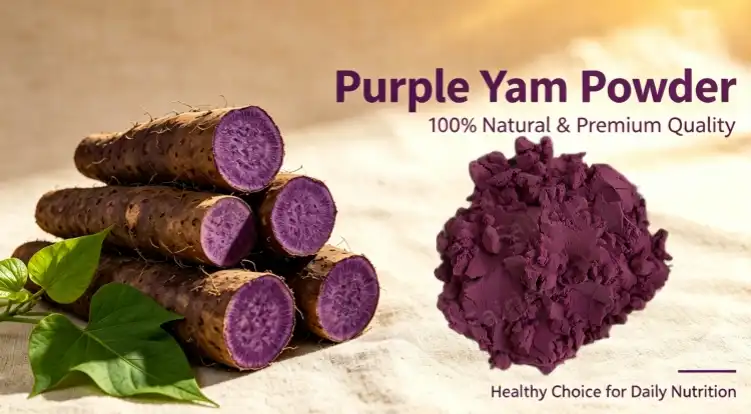
Understanding Ube Powder and Its Role in Baking
Even though it comes from the Philippines, the purple yam is now grown all over the world for food. When ground up, this root veggie can be used as a versatile food ingredient that adds real flavor and color, which are two important problems that need to be solved at the same time.
What Makes Purple Yam Different from Similar Ingredients
The living things that make up Ube Powder are different from those that make up taro powder and other related goods. Real ube has volatile aromatics that give it earthy-sweet notes like vanilla with bits of white chocolate. Taro, on the other hand, tastes softer and much drier. What gives the color is anthocyanins, which are chemicals that dissolve in water and stay stable in a wide range of pH levels when baked. The bright color can stay the same at high temperatures because of the way the natural pigment is structured. It's hard for synthetic colorants to consistently match this quality.
Benefits for Industrial Baking Applications
Manufacturing teams like the powder shape because it works well with the way things are made now. The dry form doesn't go bad as quickly as fresh yams or watery extracts do because it doesn't have any water in it. Product makers can get results that are the same from one batch to the next. This cuts down on quality differences that are bad for a brand's reputation. Since it doesn't have gluten, it meets the labeling rules for allergens that more and more shops and customers want. Positioning with a clean label is possible when recipes use ingredients that people can recognize instead of fillers that sound like drugs. This backs up marketing plans that stress being honest and using natural sources.
How Ube Powder Enhances Flavor and Color in Cake Recipes
This part is better than additives that can only be used once because it can be used for two different things. When mixed the right way, it turns regular cake recipes into ones that are one of a kind and stand out in a market full of cakes.
Flavor Enhancement Through Natural Compounds
The powder has active chemical molecules that give it a strong taste. When the recipe is mixed and baked, these molecules join with other parts of it to make taste combinations that fake flavorings can't match. Sensory groups often say that cakes made with real Ube Powder taste better than cakes made with fake flavors. Since the fruit is naturally sweet, less sugar needs to be added. This is in line with efforts to change the way foods are made so they have fewer calories. This trait comes in handy when making products for people who care about their health but still want high-end tastes.
Color Stability and Visual Appeal
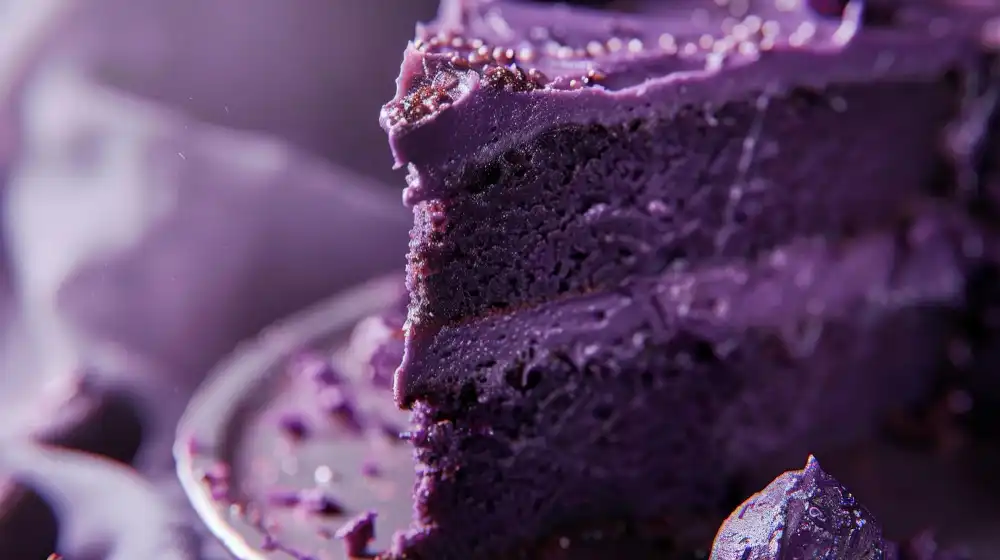
There are normal ways to bake cakes, and the anthocyanin pigments that give them their purple color don't change much at high temperatures. A study found that these chemicals keep about 80–85% of their color after being heated to 350°F for 25–30 minutes, which is how long most cake recipes say they should be baked. There is a better chance of retention with this than with many synthetic colorants, which change to gray or dark tones that are not what you want. The final color is always purple, and it can be anywhere from soft lavender to deep violet, depending on how much is used. In this way, names can be set apart across product lines.
Evidence from Product Development Case Studies
People who bought baked goods from restaurants that moved to using natural purple yam recipes said they liked them better. They changed the mix for their famous cupcake line to use high-quality powder, and as a result, 23% more people bought from them again. One time, a contract maker made cake mixes with their own brand name. They got better quality control when they moved from artificial colorants to uniform Ube Powder. This meant that 18% fewer batches had to be thrown out. These results show that changing ingredients doesn't help a business in any way.
Selecting the Best Ube Powder for Your Cake Production
The result doesn't work as well as it could because of differences in quality between providers. When buying, teams know what factors are most important, and they can make decisions that balance output goals with cost.
Certification and Purity Considerations
Organic approval may bring in more money at stores because some groups of people are interested in it. Plain Ube Powder, on the other hand, works just as well and costs less. Based on the purity level, the color and taste will be stronger or weaker. To get the same results from higher purity grades, you only need to use smaller amounts. Lowering formulation ratios could help make up for the higher cost per kilogram. Making sure the business stays true to its name and follows the rules is done by third-party lab tests that prove the lack of adulterants. Certificates of Analysis should list important details like the amount of water in the material, the spread of particle sizes, and the maximum number of microbes that can exist.
Processing Methods and Their Impact
Spray drying and freeze drying are the two main ways to work with things. Each is good in its own way. Powders that are spray-dried tend to melt better and mix in with recipes better, while freeze-dried powders tend to keep a few more volatile taste chemicals. The colors are also not always bright because of how the item is made. For instance, when processing is done slowly, more anthocyanins are kept, which makes the purple tones stronger. When you understand these technical differences, it's easier to match an item's specs to its purpose and the traits you want it to have when it's finished.
Regional Sourcing and Supply Chain Reliability
The Philippines is still the main place where this crop is grown because that's where it was first cultivated. It's usually easier to keep track of and get better quality control from suppliers who work directly with Filipino farms than from suppliers who use more than one level of marketing. But because the supply line is closer together, it is more likely to be affected by things like bad weather and problems in other parts of the country. It's smart to buy things from a variety of sources and keep enough on hand to keep output going. During the approval process, source capacity, wait times, and contact response can be checked to lower operational risks.
Using Ube Powder in Cake Production: Practical Guidelines
It is important to pay attention to the basic details that affect both how well something works and how good the result is. These tips are helpful for production teams because they help them make the best models and avoid making common mistakes.
Recommended Usage Ratios and Mixing Techniques
A little over 2% to 4% of the flour in most recipes is Ube Powder. This makes the color and taste stand out. More of both makes them stronger, but it may change the taste, which means that you need to change other ingredients to make up for it. Before adding the liquids, mix the powder with flour and other dry ingredients to make sure they are well spread out. This keeps the powder from sticking and makes sure that the batter has the same color all over. When doing some processes, it works best to mix powder with some of the liquid in the recipe and then add this mix during the wet ingredient step.
Storage Requirements for Maximum Shelf Life
The powder needs to be kept carefully because it soaks up water. When it's humid, anthocyanins can break down and form clumps, which weakens both the color and the taste. When sealed and kept in a temperature-controlled room below 70°F for 12 to 18 months, the quality stays at its best. Because oxygen triggers the breakdown, it's better to buy a lot of things in nitrogen-flushed packaging. When products are moved first-in, first-out, the quality of stock that doesn't move as quickly doesn't go down.
Commercial versus Small-Batch Production Considerations
Ube Powder is good for large-scale processes because it makes things more stable. Automated dosing systems know how to handle the dry ingredient properly, and standard specifications make sure that results are the same from one production run to the next. For small-batch craft businesses, sharp senses may be more important than strict standards. They might mix powders from different places to make their own unique taste combinations. When you know these differences, you can pick the right provider and set quality goals that are right for your business based on how much you make and where you want to stand in the market.
Where and How to Buy Quality Ube Powder for Business Use
Buyers need to carefully consider sellers and know all the different ways they can buy things in order to build trusted relationships with them.
Identifying Reputable Manufacturers and Distributors
Sites that are kept by top providers are GMP-certified and have scientific tools for checking quality. With high-performance liquid chromatography (HPLC), you can precisely measure the amount of anthocyanin that is present. This makes sure that the product stays stable from one batch to the next. UV spectrophotometry is a quick way to find out how bright a color is. When sellers spend money on these analytical tools, it shows that they are serious about quality control methods that make buying things less risky. To make sure that business standards are being met, it is helpful to ask for site audit records and third-party approval paperwork when a supplier is being considered.
Procurement Channels and Verification Processes
You can often get better prices and a safer supply for Ube Powder when you deal directly with makers instead of going through dealers. Wholesalers, on the other hand, may have a bigger range of ingredients and organized processes that make it easier to buy. There are B2B sites that connect buyers with sellers who have already been checked out. However, buyers must still do their own study on each provider. Prices for small orders change all the time. When you buy from the maker, you usually have to commit to bigger orders. But when you buy from a wholesaler, you can get smaller amounts for more money per unit. Samples should be tried before big orders are placed to avoid specification mismatches.
Regulatory Compliance and Documentation Requirements
There is a lot of paperwork that food goods need to be able to trade abroad. These include allergen statements, phytosanitary certificates, and certificates of origin. Suppliers who know what the U.S. market wants know the FDA's rules about bringing things into the country and can give you the information you need ahead of time. Standards for food safety, like HACCP and ISO 22000, show how to keep food from getting contaminated in a planned way. Getting Kosher and Halal approval helps finished things reach more people. Before placing an order, make sure that the seller has all the necessary paperwork. This will help you avoid delays in customs clearance and possible shipping returns.
Conclusion
Ube Powder stays the same color and tastes like a lot of different things. It has been shown to help cakes taste better. Clean-label ingredients give people who make products more options for finding ingredients that people will like while still meeting manufacturing standards. You need to pick the right quality grades, know how to use them properly, and work with reliable providers who have quality control systems in place for execution to go well. This ingredient is becoming more popular on the market, which shows that natural ingredients are becoming more popular in general. When manufacturers are ahead of the curve, they can take advantage of how customer tastes change and make their goods stand out in a crowded store.
FAQ
Can purple yam powder replace artificial food coloring completely?
Yes, Ube Powder can be used in place of candy colors in most cake recipes. It also makes the cake taste better. The anthocyanin pigments make the color stay put when the food is baked normally. It turns out more of a lavender to deep purple color than a bright color, which is what some man-made dyes can do. There are times when the recipe needs to be changed to reach certain color goals. However, natural color strengthening may still be useful when very bright shades are needed.
How does purple sweet potato powder compare to ube powder?
Most of the time, these ingredients are used in the same way, but they come from different plants and have small changes. Most of the time, purple sweet potato powder tastes a little less strong and can have color changes that lean toward reddish-purple tones. Most of the time, real Ube Powder smells and looks stronger and more violet. Sources need to be open when specific sensory patterns are needed for named things.
What is the typical shelf life for commercial-grade purple yam powder?
If you store it right, commercial-grade Ube Powder stays fresh for 12 to 18 months after you make it. How something is stored has a big impact on how long it lasts. Keep protected items in cool, dry, dark places for the best results. They should tell customers how to store their goods and make sure that the production or best-by dates are written on the package in a clear way. Storage stock doesn't lose its quality as long as the right inventory management methods are used.
Partner with Fairir for Premium Ube Powder Supply
Shaanxi Fairir Biotech Co., Ltd. works out of a 10,000-square-meter building that is GMP-certified and has cutting-edge technologies for analysis and extraction that make it great for making well-made plant-based goods. Some of the things we can make are HPLC and UV spectrophotometers, which check the specs of Ube Powder. This makes sure that the way you make things is always the same. We have 14 stainless steel extraction tanks that can hold between 500 and 3,000 liters of liquid and two fully automatic production lines that work 98% of the time. This lets us handle large orders. If you need Ube Powder, we can help you with private marking, unique formulas, and quick technical support. All of these are tailored to your specific needs. Feel free to email our team at sales@fairirbiotech.com to talk about how our knowledge of plant extracts can help you come up with new products on time and at a price you can afford.
References
1. Terahara, N., Shimizu, T., Kato, Y., Nakamura, M., Maitani, T., Yamaguchi, M., & Goda, Y. (1999). "Six Diacylated Anthocyanins from the Storage Roots of Purple Sweet Potato, Ipomoea batatas." Bioscience, Biotechnology, and Biochemistry, 63(8), 1420-1424.
2. Padmaja, G. (2009). "Uses and Nutritional Data of Sweetpotato." In The Sweetpotato (pp. 189-234). Springer Netherlands.
3. Bovell-Benjamin, A. C. (2007). "Sweet Potato: A Review of its Past, Present, and Future Role in Human Nutrition." Advances in Food and Nutrition Research, 52, 1-59.
4. Montilla, E. C., Hillebrand, S., Antezana, A., & Winterhalter, P. (2011). "Soluble and Bound Phenolic Compounds in Different Bolivian Purple Corn (Zea mays L.) Cultivars." Journal of Agricultural and Food Chemistry, 59(13), 7068-7074.
5. Islam, S. N., Nusrat, T., Begum, P., & Ahsan, M. (2016). "Carotenoids and β-carotene in Orange Fleshed Sweet Potato: A Possible Solution to Vitamin A Deficiency." Food Chemistry, 199, 628-631.
6. Lim, S., Xu, J., Kim, J., Chen, T. Y., Su, X., Standard, J., & Wang, W. (2013). "Role of Anthocyanin-enriched Purple-fleshed Sweet Potato P40 in Colorectal Cancer Prevention." Molecular Nutrition & Food Research, 57(11), 1908-1917.