_1751965378790.webp)

Does Pure Astaxanthin Powder Improve Eye Health?
Pure astaxanthin powder does improve eye health through its exceptional antioxidant properties. Derived primarily from Haematococcus pluvialis microalgae, this naturally occurring keto-carotenoid penetrates the blood-retinal barrier, delivering targeted protection to ocular tissues. Scientific research demonstrates that astaxanthin reduces oxidative stress and inflammation in the eyes, supporting conditions like digital eye strain, age-related macular degeneration, and overall visual function. The 3S,3'S stereoisomer present in natural sources shows superior bioavailability compared to synthetic variants, making it a valuable ingredient for manufacturers developing effective eye health formulations.
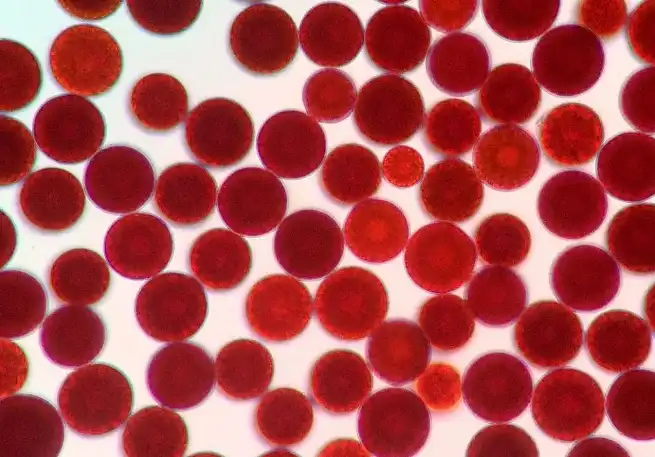
Understanding Pure Astaxanthin Powder and Its Role in Eye Health
Origin and Extraction of High-Quality Astaxanthin
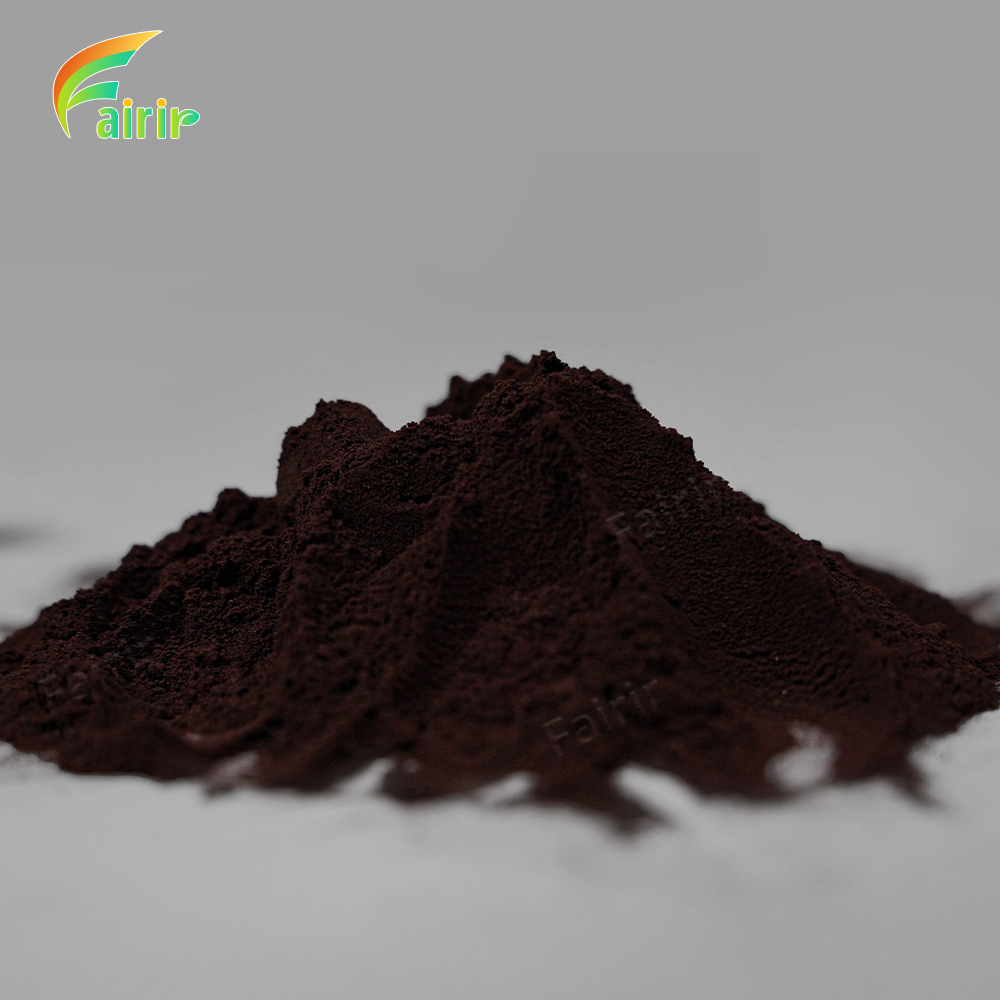
Understanding what makes pure astaxanthin powder special is the first step in making eye health goods that work. This deep red colour comes mostly from Haematococcus pluvialis, a type of microalgae that lives in fresh water and makes astaxanthin to protect itself from harmful things in its surroundings. Our Fairir extraction process uses supercritical CO₂ technology, which protects the delicate molecular structure and gets rid of any solvent residues that could make the product less pure. Unlike synthetic alternatives made from petrochemicals, naturally occurring astaxanthin has the biologically active 3S,3'S stereoisomer configuration. This particular molecular arrangement makes the compound more bioavailable, which means it can cross the blood-retinal barrier and build up in retinal cells, where it can protect them. During production, advanced membrane separation technology makes sure that the product is as pure as possible. The concentration ranges from 1% to 96%, depending on the needs of the application. HPLC and UV spectrophotometry testing are used for quality control to make sure that the product is effective and free of any contaminants. The brown-red powder that is made has a mild marine smell and stays stable as long as it is kept properly in vacuum-packed aluminum foil away from heat and light.
Antioxidant Mechanisms Protecting Ocular Tissues
Oxidative stress is always present in the human eye because of things like UV radiation, blue light from computers, and metabolic processes. Astaxanthin has a special chemical structure with hydroxyl groups on both ends and conjugated double bonds that allow it to cross whole cell membrane bilayers. Researchers have found that astaxanthin is about 6,000 times stronger as an antioxidant than vitamin C and 550 times stronger than vitamin E. This means that it can neutralize reactive oxygen species both inside and outside of cells, protecting them completely. This amazing strength directly deals with swelling and damage from free radicals in the macula, lens, and retinal tissues. The compound lowers lipid peroxidation in photoreceptor cells, which are more likely to be damaged by oxidative stress because they contain a lot of polyunsaturated fatty acids. Astaxanthin supplementation has been shown to improve visual acuity, contrast sensitivity, and accommodation amplitude in clinical studies. Changing inflammatory cytokines and helping mitochondria work better in retinal cells are part of the process. These benefits at the cellular level mean that people who suffer from digital eye strain, changes in their vision that come with getting older, and general eye pain will notice a big difference.
Addressing Specific Eye Health Conditions
Age-related macular degeneration is a big problem for people all over the world who are getting older. Taking astaxanthin supplements may help slow the development of AMD by protecting cells in the retinal pigment epithelium from oxidative damage. As people spend more time on screens for work and pleasure, digital eye strain is becoming more common. The compound builds up mostly in macular tissue, providing concentrated antioxidant action right where protection is needed the most. Astaxanthin solves this current problem by making ciliary muscles less tired and increasing blood flow to eye tissues. Astaxanthin's anti-inflammatory qualities also help people with inflammatory eye conditions because they make the eyes less tired, less dry, and easier to focus when they are staring at a screen for long periods of time. The compound helps control long-term inflammatory processes that hurt eye quality by pure astaxanthin powder blocking NF-κB signalling pathways and lowering the production of pro-inflammatory mediators. This makes it useful for making goods that treat more than one eye health problem at the same time.
Dosage, Usage, and Safety Considerations for Pure Astaxanthin Powder
Recommended Dosage Guidelines for Eye Health
According to research in the industry, everyday doses between 4 mg and 12 mg are good for eye health. Most clinical studies use 6 mg as a good starting point. The best dose depends on the type of product, the audience it's meant for, and the health goals it's meant to achieve. Nutraceutical companies usually make products in this proven range to find a good mix between effectiveness and cost-effectiveness. Bioavailability factors have a big impact on dosage suggestions. Pure astaxanthin powder in its natural state is lipophilic, which means it needs to be taken with fats in order to be absorbed properly. Some companies deal with this problem by using microencapsulation to make versions that can be dispersed in cold water. This makes formulations more flexible and makes it easier for customers to use. The timing of administration can improve therapeutic results. Astaxanthin supplements are best absorbed when taken with foods that contain healthy fats. The compound slowly builds up in tissues over a few weeks. After 8–12 weeks of constant supplementation, peak concentrations are usually reached in the eyes. This pharmacokinetic profile helps with both dose suggestions and marketing claims about when people can expect to see results.
Formulation Strategies for Manufacturing
When adding astaxanthin to finished goods, it's important to pay close attention to making sure they are stable and bioavailable. Because the compound is easily damaged by light, heat, and oxygen, it needs formulation techniques that protect it. Putting substances inside gelatin or HPMC structures protects them physically and lets you control how they release over time. At Fairir, we have both normal powder and specialized cold-water soluble versions to meet the needs of a wide range of product ideas. Adding complementary nutrients to a formula makes it work better overall. When you combine astaxanthin with lutein and zeaxanthin, they work together to help the macula more completely. Omega-3 fatty acids help the body absorb things better and also reduce inflammation. Astaxanthin molecules that have been oxidized can be repaired by vitamin E, which increases their antioxidant activity. Processing factors have a big effect on the quality of the final product. Controlling the temperature during production keeps the sensitive polyene chain structure from breaking down. Our fully automatic production lines keep the surroundings under tight control from the time the oil is extracted until it is packaged. Quality assurance testing at several checkpoints makes sure that each batch is the same, which is important for business formulations.
Safety Profile and Regulatory Compliance
Safety studies regularly show that the drug is well-tolerated across a wide range of doses. The European Food Safety Authority has approved natural astaxanthin that comes from microalgae. In the US, it is known as "Generally Recognized As Safe" (GRAS). Adverse effects are very rare and usually only include mild stomach pain or slight changes in skin colour at very high doses higher than 40 mg per day. GMP certification makes sure that manufacturing processes meet the strict quality standards needed for pharmaceutical and nutraceutical uses. Our 10,000-square-meter building has full documentation tools that help with regulatory submissions all over the world. To make sure the product is safe, testing methods include checking for heavy metals, microbial contamination, and residual solvents. Different countries have different rules about what health claims are allowed and how the product must be labelled. We give you all the paperwork you need, like Certificates of Analysis, allergen labels, GMO-free certifications, and organic certifications when they apply. This governmental support makes the process of importing easier and speeds up the time it takes for B2B clients to get their eye health products on the market.
Comparative Insights: Pure Astaxanthin Powder vs Other Eye Health Solutions
Bioavailability and Efficacy Comparisons
Manufacturers of eye health goods must look at both bioavailability and clinical efficacy when choosing raw materials. Astaxanthin that comes from algae is better absorbed than synthetic versions, which are made up of racemic mixes of stereoisomers that have different biological effects. Comparative studies show that the 3S,3'S configuration found in natural sources leads to 20–50% higher tissue accumulation rates. Krill oil has become popular as a source of astaxanthin, but it doesn't provide amounts that are as high as those found in dedicated extracts. Most krill oil supplements only have 0.5 to 1 mg of astaxanthin per dose, so you'd have to take more than one capsule to reach the therapeutic levels found in clinical studies. Concentrated powder forms allow for exact dosing and flexible formulation in tablets, capsules, softgels, gummies, and sachets. Astaxanthin is sometimes advertised as good for eye health because it includes carotenoids, but spirulina doesn't have much of it, even though it has pigment profiles that are similar. Direct studies show that pure astaxanthin powder has a special molecular structure that gives it benefits that spirulina can't copy. Knowing these differences helps buying teams make smart choices that are in line with their goals for product positioning and effectiveness.
Manufacturing Complexity and Cost Considerations
There are big differences in how hard it is to make astaxanthin from different sources and forms. Synthetic production has lower start-up costs, but as demand for clean labels rises, consumers may not like it as much. Natural extraction takes specialized tools and knowledge, but it comes with a higher price that people are willing to pay for what they think are quality and safety benefits. Powder formats offer more manufacturing options than pre-filled capsules. Buying powder in bulk lets you make your own doses, mix formulations, and use different delivery methods under private label agreements. Our specifications, which range from 1% to 96% concentration, can be used for both mass-market goods that need to be cheap and high-end therapeutic formulations that need the highest potency. When production volumes are high, like they are in B2B procurement, economies of scale become important. Our building has 14 stainless steel extraction tanks that can hold anywhere from 500 to 3,000 litres of liquid. These tanks are used for both small test batches for research and development labs and big production runs for well-known supplement brands. This capacity freedom makes sure that the product is always available without minimum order requirements that make it hard for the market to respond.
Market Trends and Consumer Preferences
The global eye health supplement market reflects growing consumer awareness of digital device impacts and proactive wellness approaches. Natural source ingredients command premium positioning, with transparency regarding origin and extraction methods influencing purchase decisions. Astaxanthin's story—derived from pristine microalgae through clean extraction processes—resonates with health-conscious consumers seeking science-backed solutions. Vegan and vegetarian formulations represent expanding market segments. Our astaxanthin powder qualifies as vegan when encapsulated in plant-based carriers, addressing dietary preference trends without compromising efficacy. Certifications, including organic, non-GMO, gluten-free, and allergen-free, expand addressable markets and support premium pricing strategies. Combination products incorporating multiple eye health ingredients dominate retail landscapes. Astaxanthin's compatibility with lutein, zeaxanthin, omega-3s, and vitamins enables comprehensive formulations addressing multiple mechanisms of ocular protection. This trend favours powder formats, allowing precise ratio control during manufacturing rather than limiting formulations to pre-made ingredient blends.
Procurement Guide for Pure Astaxanthin Powder: Best Practices for B2B Buyers
Supplier Selection and Certification Verification
When looking for a trusted astaxanthin supplier, you need to look at more than just price quotes. GMP certification is the basic requirement that ensures limited production areas and well-documented quality systems. ISO certifications give you more peace of mind about management processes, being responsible for the environment, and being consistent. Fraudulent claims can be avoided by asking for up-to-date papers and checking registration numbers with the organizations that issued them. Production capacity has a direct effect on how reliable the supply is when demand changes. Suppliers who have a lot of drying capacity and various extraction lines can fill orders quickly and handle sudden volume increases. Our two fully automatic production lines get 98% of the oil out of the plant, which increases output while keeping quality standards high. This operational excellence means that buying teams that are in charge of complicated supply lines can be sure of stable costs and on-time deliveries. The ability to provide technical help sets exceptional suppliers apart from commodity vendors. Access to experienced R&D teams lets people work together to create new formulations that meet specific product goals or take advantage of market opportunities. We offer analytical help, which includes creating new methods, testing for stability, and making regulatory paperwork. This partnership-based method speeds up product launches and lowers the risks of development.
Quality Assurance and Testing Protocols
Full testing protocols keep consumers safe and protect the brand's image. HPLC analysis of astaxanthin content proves what the label says and makes sure that the batch is consistent. Stereoisomer profiling can tell the difference between natural and artificial sources, which is important for premium placement because it verifies claims of authenticity. Testing for heavy metals, pesticide residues, and microbial contamination makes sure that all foreign markets follow safety rules. Asking for Certificates of Analysis for several production batches shows trends of consistency and how well quality control is working. Key parameters like assay concentration, moisture content, bulk density, and particle size distribution should have accepted ranges written out in specification sheets. Knowing the specification windows helps you guess how the formulation will behave and how stable the end product will be. Getting samples to test before making big purchases lowers the risk of buying. Because we give away free samples, formulators can test for compatibility, stability, and sensory properties in their own product combinations. This investment in the success of our customers shows that we trust the quality of our products and want to work with them for a long time.
Pricing, Lead Times, and Logistics Optimization
Astaxanthin pricing reflects raw material costs, extraction complexity, and concentration specifications. Establishing baseline market prices through multiple supplier quotes enables effective negotiations. Volume commitments often unlock preferential pricing, though minimum order quantities vary by supplier capacity and market positioning. Understanding your annual requirements facilitates discussions regarding volume discounts and long-term supply agreements. Lead times encompass production scheduling, quality testing, and international shipping logistics. Standard orders typically require 1-3 working days for processing at established suppliers maintaining inventory, though custom specifications may extend timelines. Building safety stock buffers accommodates unexpected demand while protecting against supply disruptions. Packaging options influence handling efficiency and product stability throughout distribution channels. Vacuum aluminum foil bags protect against moisture and oxidation for smaller quantities, while fibre drums with double-layer food-grade poly liners accommodate 25kg bulk shipments. Discussing packaging preferences during negotiations ensures materials arrive ready pure astaxanthin powder for your production workflows without repackaging requirements that add cost and contamination risk.
Real-World Applications and Case Studies Demonstrating Eye Health Benefits
Nutraceutical Product Development Success
A mid-sized supplement company approached us seeking a differentiated eye health formula for digital professionals experiencing screen fatigue. Working collaboratively, we developed a custom blend combining 6mg of our high-purity astaxanthin powder with lutein and omega-3s. The formulation utilized our cold-water dispersible variant, enabling production of convenient single-serve sachets that consumers could mix with morning beverages. Market response exceeded projections, with repeat purchase rates indicating genuine perceived benefits. Customer testimonials frequently mentioned reduced eye fatigue during work hours and improved visual comfort during evening screen time. The brand successfully positioned the product at premium pricing, with the natural algae source and GMP manufacturing credentials supporting quality perceptions that justified the investment. This case demonstrates how ingredient quality and supplier partnership contribute to commercial success. Our technical team provided formulation guidance, stability testing data, and regulatory documentation supporting health claims. The resulting product achieved retail distribution across health food channels while building direct-to-consumer subscription revenue streams.
Functional Food Applications
A creative drink business wanted to get into the eye health market by making a ready-to-drink functional drink for young professionals. Traditional forms of astaxanthin had problems with solubility and couldn't be used with clear drinking systems. Our cold-water soluble astaxanthin powder solved this problem in the formulation process, allowing a stable suspension without changing the taste or appearance. The final product line had several flavour options, and each serving contained 4 mg of astaxanthin. Marketing focused on natural materials, formulations with clean labels, and ease of use for busy people. Rapid volume growth was seen in products sold in convenience stores and through workplace wellness programs, proving that there is a market for eye health products that aren't just supplements. However, problems with foam control and fill line compatibility came up during scale-up. Our applications team suggested reformulations that fixed processing problems without lowering absorption. This quick help kept production on track during the important launch phase, which protected the brand's entry into the market timeline and its relationships with retailers.
OEM and Private Label Partnerships
A big retail pharmacy business saw eye health as a good area to grow its own brand of products. They needed an all-in-one solution that was proven to work and had prices that were competitive with national names. We offered full OEM services, such as formulating new ingredients, writing summaries of clinical studies to back up label claims, and giving advice on how to design packaging. The program started with softgel and tablet forms containing standard amounts of astaxanthin, which were backed by our quality certifications and analytical testing. At retail, prices were 20–30% lower than those of named competitors, but margins were still healthy. The retailer added higher-potency versions and combination formulas to the line after sales went above and beyond the category averages. This relationship shows how a supplier's abilities that go beyond providing raw materials can create value for both parties. The retailer's development process was sped up by our ability to handle formulation, testing, regulatory paperwork, and production coordination. Customers came to trust the store's private-label health products because they were always able to get them, and the quality was always the same.
Conclusion
Pure astaxanthin powder demonstrates significant potential for improving eye health through multiple protective mechanisms supported by scientific research. Its exceptional antioxidant capacity, ability to cross the blood-retinal barrier, and accumulation in ocular tissues provide comprehensive protection against modern visual stressors. B2B buyers benefit from understanding quality distinctions, regulatory requirements, and formulation strategies that maximize product efficacy. Selecting suppliers with robust quality systems, technical expertise, and reliable production capacity ensures successful product development and market performance. The growing eye health market, driven by digital device proliferation and aging demographics, presents substantial opportunities for manufacturers incorporating high-quality astaxanthin into innovative formulations.
FAQ
1. Can astaxanthin be combined with other supplements for enhanced eye health benefits?
Astaxanthin works synergistically with several complementary nutrients. Combining it with lutein and zeaxanthin provides comprehensive macular support through different mechanisms and tissue locations. Omega-3 fatty acids improve absorption while contributing anti-inflammatory benefits. Vitamin E helps regenerate oxidized astaxanthin molecules, extending antioxidant activity. These combinations are commonly used in professional formulations without adverse interactions, though we recommend consulting formulation specialists to optimize ratios and ensure stability.
2. How does dosage affect the timeline for visible eye health improvements?
Clinical research indicates meaningful improvements typically emerge after 4-8 weeks of consistent supplementation at dosages between 4-12mg daily. Higher dosages within safe ranges may accelerate benefits, though returns diminish above 12mg for most individuals. Accumulation in retinal tissues occurs gradually, requiring sustained supplementation for optimal results. Setting realistic consumer expectations regarding timelines improves satisfaction and reduces premature discontinuation.
3. What certifications should B2B buyers verify when sourcing astaxanthin?
Priority certifications include GMP (Good Manufacturing Practice) confirming quality systems, organic certifications if positioning as organic, non-GMO verification, and relevant food safety standards like HACCP. Natural source verification distinguishes algae-derived astaxanthin from synthetic alternatives. Third-party testing documentation for heavy metals, pesticides, and microbial contamination provides additional assurance. Requesting current certificates with valid dates and verifying registration numbers protects against fraudulent claims.
4. What distinguishes natural astaxanthin from synthetic versions?
Natural astaxanthin derived from Haematococcus pluvialis contains predominantly the 3S,3'S stereoisomer, which demonstrates superior bioavailability and biological activity. Synthetic versions comprise racemic mixtures with lower absorption rates and reduced efficacy. Consumer preference increasingly favours natural sources due to clean label trends and perceived safety advantages. While synthetic options offer lower costs, premium positioning and efficacy claims typically require natural sources backed by appropriate testing documentation.
Partner With Fairir for Premium Pure Astaxanthin Powder Supply
Shaanxi Fairir Biotech Co., Ltd. stands ready to support your eye health product development with certified, high-purity astaxanthin powder manufactured to exacting international standards. Our GMP-certified facility employs advanced supercritical CO₂ extraction technology, ensuring superior bioactivity and purity across specifications ranging from 1% to 96% concentration. As an experienced pure astaxanthin powder manufacturer, we maintain rigorous quality control through HPLC and UV testing protocols, delivering consistent batches that meet pharmaceutical-grade requirements.
We understand B2B procurement demands pure astaxanthin powder more than commodity ingredients. Our technical team provides comprehensive formulation support, stability testing data, and regulatory documentation, expediting your time-to-market. With production capacity exceeding 98% extraction efficiency across two fully automatic lines, we guarantee a reliable supply even during demand fluctuations. Bulk pricing structures reward long-term partnerships while maintaining the quality standards your brand reputation requires. Contact our team at sales@fairirbiotech.com to request free samples, discuss custom formulations, or explore how our pure astaxanthin powder for sale can differentiate your eye health product portfolio in competitive markets.
References
1. Tominaga K, Hongo N, Karato M, Yamashita E. "Cosmetic benefits of astaxanthin on human subjects." Acta Biochimica Polonica. 2012;59(1):43-47.
2. Iwasaki T, Tawara A. "Effects of astaxanthin on eyestrain induced by accommodative dysfunction." Journal of Eye. 2006;23(6):829-834.
3. Parisi V, Tedeschi M, Gallinaro G, Varano M, Saviano S, Piermarocchi S. "Carotenoids and antioxidants in age-related maculopathy Italian study: multifocal electroretinogram modifications after 1 year." Ophthalmology. 2008;115(2):324-333.
4. Naguib YM. "Antioxidant activities of astaxanthin and related carotenoids." Journal of Agricultural and Food Chemistry. 2000;48(4):1150-1154.
5. Nakamura A, Isobe R, Otaka Y, Abematsu Y, Nakata D, Honma T, Sakaki S. "Changes in visual function following peroral astaxanthin." Japanese Journal of Clinical Ophthalmology. 2004;58:1051-1054.
6. Barros MP, Poppe SC, Bondan EF. "Neuroprotective properties of the marine carotenoid astaxanthin and omega-3 fatty acids, and perspectives for the natural combination of both in krill oil." Nutrients. 2014;6(3):1293-1317.