_1751965378790.webp)

Does Purple Yam Ube Powder Work Well in Instant Beverages?
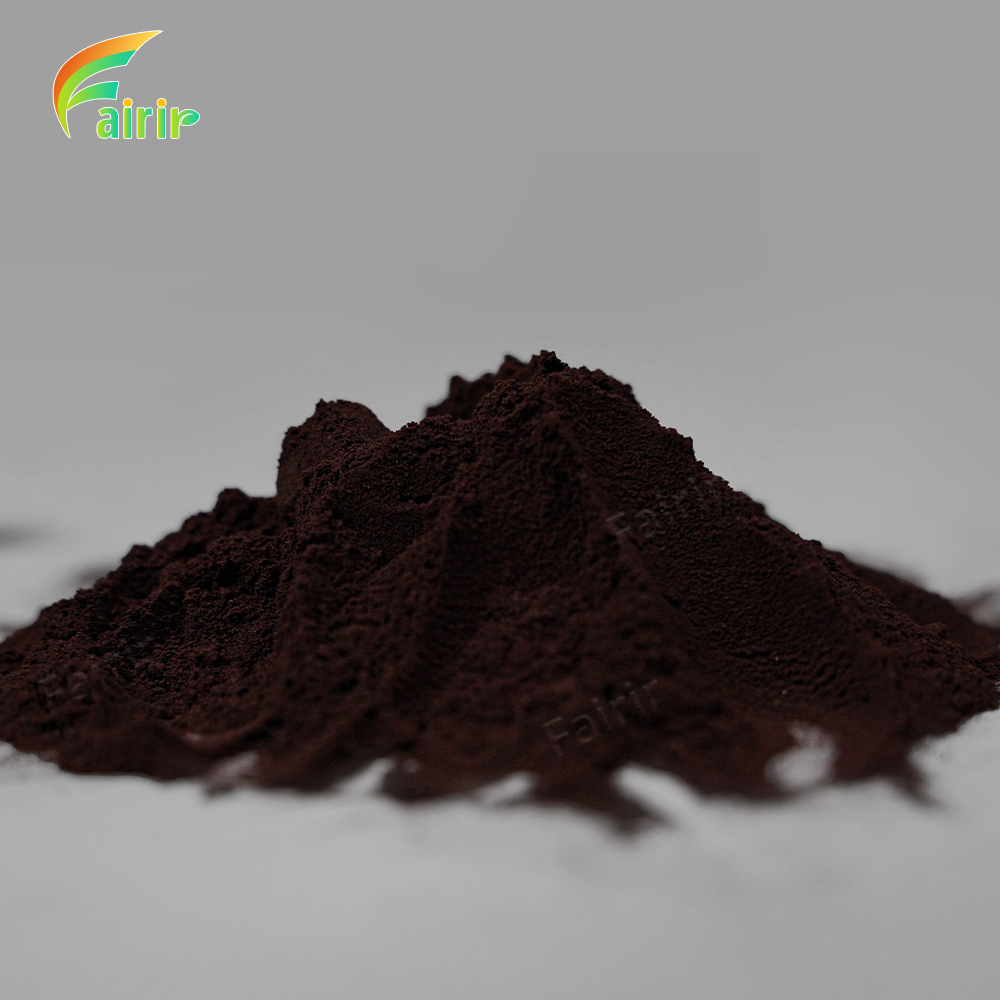
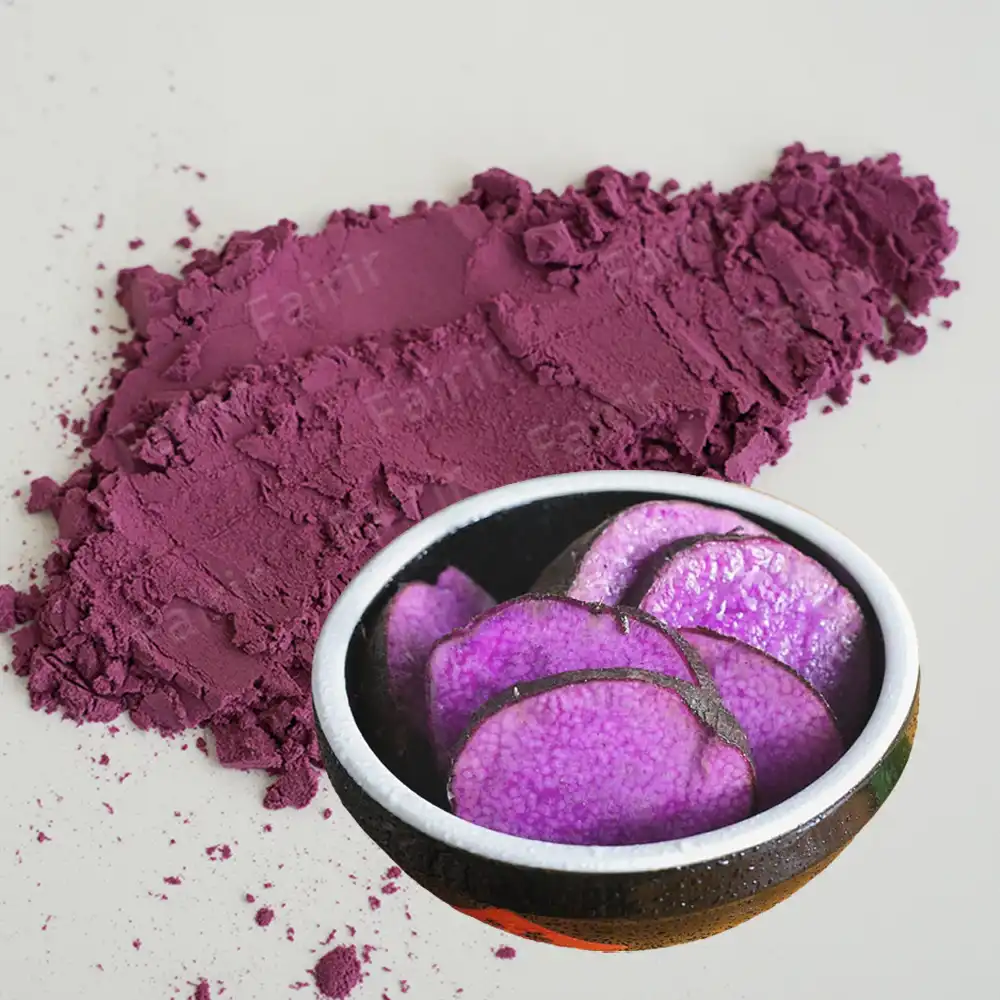
Indeed, Purple Yam Ube Powder works really well in quick drinks when it comes from reputable producers. Controlling the particle size, making sure the solubility is right, and making sure the anthocyanin level stays the same are all important for good integration. Good ube extract, which comes from Dioscorea alata roots, has a natural purple color, nutty-sweet flavors, and health benefits that make it appealing to people who care about their health. Our GMP-certified factory makes micronized powder that mixes well with other ingredients and is great for ready-to-drink mixes, protein shakes, and gourmet coffee drinks.
Understanding Purple Yam Ube Powder and Its Role in Instant Beverages
Botanical Origin and Composition
The Purple Yam Ube Powder comes from a Southeast Asian tuber. It is very different in taste, structure, and use from related ingredients like purple sweet potato powder or synthetic extracts. Dioscorea alata has a lot of anthocyanins, which give it its deep purple color and are useful as antioxidants in health-focused products. In contrast to purple sweet potatoes, real ube has unique flavor compounds, such as diacetyl and vanillin precursors, that give it its unique nutty-vanilla taste.
Manufacturing Process and Quality Parameters
The first step in our production process is choosing the best purple yams from approved growers. Then, they are washed and inspected very carefully. We use modern freeze-drying technology to keep the nutrients and flavor ingredients in the food. The dried food then goes through ultra-micro pulverizers to make sure the particles are all the same size. During processing, temperature and Purple Yam Ube Powder humidity controls keep the consistency of the product, and quality tests make sure that every batch meets international standards. It is very important to understand these manufacturing processes, such as drying and milling methods, to choose the right ingredient for your purpose. The size of the particles has a direct effect on how well they dissolve in quick-drinking systems. Our standards allow for concentrations of 80% and 99%. Both are made as fine Purple Yam Ube Powder with fixed mesh sizes that make it easy for the powder to spread out quickly. As part of the testing process, TLC analysis and HPLC confirmations are used to make sure that the anthocyanin levels are consistent and that there are no added substances.
Evaluating Purple Yam Ube Powder's Performance in Instant Beverage Formulations
Solubility and Dispersion Characteristics
When Purple Yam Ube Powder is added to quick drinks, how well it dissolves and mixes is very important to the success of the product. Dispersion and sedimentation problems need to be solved with the right manufacturing methods, taking into account the physical qualities of the powder compared to freeze-dried or extract options. Our micronized powder mixes evenly in both cold and hot water, but for the best color development, it should be mixed at temperatures above 140°F (60°C). Adding hydrocolloids like xanthan gum or guar gum to different types of beverages at amounts between 0.1% and 0.3% makes particle clumping less likely. Before adding the liquid, mixing the powder with sugar or maltodextrin carriers makes it much easier to wet and less likely to clump in single-serve stick packs. If a company wants to make products for cold-brew coffee, they might want to use enzyme-modified versions or co-processing with lecithin to make the products more soluble at low temperatures.
Nutritional and Functional Contributions
Many vitamins, enzymes, and special phytonutrients are still present after processing, which lets companies advertise health benefits and set their goods apart in a crowded market. Our Purple Yam Ube Powder still has a lot of anthocyanins in it, which can be tested for antioxidant activity using ORAC. The root-based powder also has dietary fiber, potassium, and vitamin C, which backs up claims that it is a healthy beverage. Researchers have found that anthocyanins from purple yams are more stable during heat processing than synthetic options. Because of this, beverage companies can safely show the amount of antioxidants on nutritional panels without worrying about major degradation. Our product has more market possibilities because it is certified organic, non-GMO, and vegan. This is especially true in natural food channels and specialty store settings.
Selecting the Best Purple Yam Ube Powder for Instant Beverage Production
Quality Criteria and Certification Standards
Picking the correct Purple Yam Ube Powder depends on strict quality standards, such as being certified organic, not containing any allergens, and always being pure from batch to batch. For global B2B buying to reduce supply risk and ensure uniformity, it is important to think about how reliable the seller is and how clear the sourcing process is. Our certificates show that we follow pharmaceutical-grade quality standards. These include Kosher, ISO22000, HALAL, USDA Organic, FSSC22000, HACCP, EU Organic, EcoCert, and cGMP compliance. As rules get stricter around the world, allergen-free proof is becoming more and more important. Third-party lab tests back up our claims that our powder is gluten-free, allergen-free, paraben-free, Purple Yam Ube Powder, and BSE/TSE-free. These certificates make it easier for importers and distributors who serve many foreign markets with different food safety rules to follow the rules.
Supply Chain and Logistics Considerations
Logistics problems, like where to store ingredients and how long it takes to ship them, are still very important for keeping the quality of ingredients in foreign supply chains. Changes in temperature during transport can make it harder for powder to flow and keep its color. We suggest temperature-controlled shipping for places with extreme weather, especially wet tropical areas where the goods tend to clump together when they absorb water. Receiving centers should keep the temperature below 77°F (25°C) and the relative humidity below 60% as part of their storage practices. Following the first-in, first-out rule for warehouse movement makes sure that ingredients stay as fresh as possible. Our vacuum-sealed aluminum foil bags keep out moisture and can handle normal distribution settings. However, to keep the quality from going down, they should be repackaged into smaller pieces in rooms with controlled humidity.
Best Practices for Using Purple Yam Ube Powder in Instant Beverages
Dosage Optimization Across Product Types
To make quick drinks work better, you need to make exact changes to the amounts that are added to different types of drinks, like smoothies, powdered mixes, and ready-to-drink drinks. Concentrations between 2 and 5 percent by weight usually have a noticeable effect on color and taste without being too strong for other elements. Protein shake users can handle higher inclusion rates of up to 8%, as long as the powder improves the taste and looks good. Lower doses, around 1% to 2%, work well when a faint color addition is wanted instead of strong purple tones. This group includes latte mixes and unique coffee blends. Purple Yam Ube Powder makes them stand out without hiding the coffee's natural flavors. By using sensory evaluation groups during development, the best concentration levels are found that combine cost concerns with information about what customers want.
Storage Protocols and Shelf Life Management
For different types of powder and packing, keeping them in cool, dry, Purple Yam Ube Powder and sealed places is important to keep them fresh, stop them from clumping, and extend their shelf life. Our packaging in vacuum metal foil bags or fiber drums with double-layer poly liners guards against environmental factors. However, how the products are handled after they have been opened decides how long they last in the end. After opening the original package, manufacturers should put large amounts into containers that can't be opened. When desiccant packets are put inside storage containers, they soak up any wetness that remains after being opened many times. Regular quality checks that look at things like color strength, taste profile, and dispersibility help find problems before they affect the quality of the final product. With these procedures, you can be sure that the specifications will be followed during long production efforts.
Market Insights and Trends for Purple Yam Ube Powder in Instant Beverages
Clean Label and Natural Color Demand
Clean label programs, more people wanting plant-based products, and the growth of the healthy beverage industry are all factors that are making the demand for Purple Yam Ube Powder rise around the world. Regulatory pressure on manufactured dyes, especially in the European and North American markets, speeds up attempts to switch to natural colors. Purple yam extract is a great option because it meets both government standards and customer expectations for clear ingredient lists. Market study shows that 73% of U.S. customers actively look for products with natural coloring and are ready to pay more for goods that say they are clean on the label. This trend isn't just happening with consumer goods in stores; it's also happening with food service, where show is a big part of why people buy things. When beverage makers use Purple Yam Ube Powder, they get a competitive edge in the premium market and can reach new groups of people who care about health and the environment.
Innovation Opportunities in Functional Beverages
Innovations in health-focused instant drinks, such as enriched and adaptogenic versions, could lead to more people using Purple Yam Ube Powder. The natural nutritional makeup of the ingredient works well with functional additives like probiotics, collagen peptides, and plant extracts; it doesn't change the stability or sensory properties of the product. Developers of drinks that want to make mood-boosting or brain-boosting drinks find that ube's mild taste lets other active ingredients shine while still providing antioxidant benefits. New uses include healing drinks after a workout, where the purple color shows that the drink contains anthocyanins, which have anti-inflammatory effects. Purple Yam Ube Powder's natural sweetness and carbohydrate content make plant-based meal replacement drinks better without the need for extra sugars. These ways of coming up with new ideas make Purple Yam Ube Powder more than just a coloring agent. This makes higher value offers more reasonable and strengthens relationships between suppliers and customers.
Conclusion
When buying Purple Yam Ube Powder from companies that have strict quality controls and the ability to make a lot of it, it works really well in quick drinks. The ingredient successfully solves several problems in the industry: it provides natural coloring that meets clean-label requirements, it provides nutritional benefits that support health positioning, and it can be used in a wide range of beverage formulations. Choosing suppliers with a wide range of certifications, cutting-edge processing technology, and quick expert help cuts down on procurement risks and speeds up the time it takes to make a product. As more people choose plant-based, environmentally friendly products, Purple Yam Ube Powder is a smart choice for beverage makers who want to stand out in the competitive market.
FAQ
1. How does Purple Yam Ube Powder perform in cold water instant beverage mixes?
If you properly micronize Purple Yam Ube Powder, it can be mixed with cold water, but it dissolves best at temperatures above 60°C. Some ways to improve the performance of cold mixes are to pre-blend with hydrocolloids or instantize through aggregation. Our expert team gives advice on carrier systems and processing methods that make low-temperature performance better for certain uses.
2. What storage conditions maintain ingredient quality during distribution?
Powder properties stay the same during normal distribution cycles as long as temperatures stay below 25°C and relative humidity stays below 60%. Vacuum metal foil package keeps out moisture and protects against the outside world. Moving the contents to airtight containers with desiccants after opening them makes them last longer. Our packaging standards allow for foreign shipping and keep the quality of the product intact in a range of climates.
3. Does the powder meet allergen-free and vegan certification standards?
Our Purple Yam Ube Powder has many approvals, such as being gluten-free, allergen-free, non-GMO, and vegan, all of which were confirmed by third-party tests. The product doesn't have any ingredients that come from animals, and the processes happen in separate buildings to avoid cross-contamination. Every package comes with full paperwork to prove it is in line with regulations. This makes the import process easier and helps back up label claims in all global markets.
Partner with Fairir for Premium Purple Yam Ube Powder Supply
Shaanxi Fairir Biotech Co., Ltd. can help you with Purple Yam Ube Powder for your quick drink idea by making pharmaceutical-grade Purple Yam Ube Powder in our GMP-certified 10,000-square-meter plant. As a committed Purple Yam Ube Powder maker, we use cutting-edge extraction technology and strict quality control procedures to make sure that every batch has the same color strength, particle size, and nutritional profile. Our low mass prices, fast shipping (within one to three business days), and wide range of certifications lower the risks of purchasing from us and speed up the time it takes to develop your product. You can email our technical team at sales@fairirbiotech.com to get free samples, talk about your needs for custom formulations, or look into relationship opportunities that will put your brand at the top of natural ingredient innovation.
References
1. Goda, Y., Shimizu, T., Kato, Y., Nakamura, M., Maitani, T., Yamada, T., & Terahara, N. (1997). Two acylated anthocyanins from purple yam, Dioscorea alata. Phytochemistry, 44(1), 183-186.
2. Truong, V. D., McFeeters, R. F., Thompson, R. T., Dean, L. L., & Shofran, B. (2007). Phenolic acid content and composition in leaves and roots of common commercial sweetpotato cultivars in the United States. Journal of Food Science, 72(6), C343-C349.
3. Yoshimoto, M., Okuno, S., Yamaguchi, M., & Yamakawa, O. (2001). Antimutagenicity of deacylated anthocyanins in purple-fleshed sweetpotato. Bioscience, Biotechnology, and Biochemistry, 65(7), 1652-1655.
4. Terahara, N., Shimizu, T., Kato, Y., Nakamura, M., Maitani, T., Yamaguchi, M., & Goda, Y. (1999). Six diacylated anthocyanins from the storage roots of purple sweet potato, Ipomoea batatas. Bioscience, Biotechnology, and Biochemistry, 63(8), 1420-1424.
5. Rodriguez-Saona, L. E., & Wrolstad, R. E. (2001). Extraction, isolation, and purification of anthocyanins. Current Protocols in Food Analytical Chemistry, F1.1.1-F1.1.11.
6. Hutapea, T. P., Situmorang, J., Girsang, W., & Siahaan, D. (2021). Utilization of purple yam (Dioscorea alata L.) as natural colorant in beverage application: A review of extraction methods and stability factors. IOP Conference Series: Earth and Environmental Science, 782, 032043.