_1751965378790.webp)

Does Ube Powder Benefit Eye Health Like Claims Say?
Product makers looking for natural ingredients with possible eye health benefits have become interested in Ube Powder, which comes from the purple yam native to Southeast Asia. The bright purple colour hints that it contains antioxidants, but there isn't a lot of scientific evidence to back direct eye health claims yet. Ube Powder has anthocyanins and beta-carotene precursors, which should help lower oxidative stress. However, because of problems with absorption and concentration, these effects are very different from those of well-known eye health ingredients like lutein or zeaxanthin. When procurement managers understand these subtleties, they can make choices based on facts instead of just marketing stories.
Understanding Ube Powder and Its Nutritional Profile
Defining Ube Powder and Its Origins
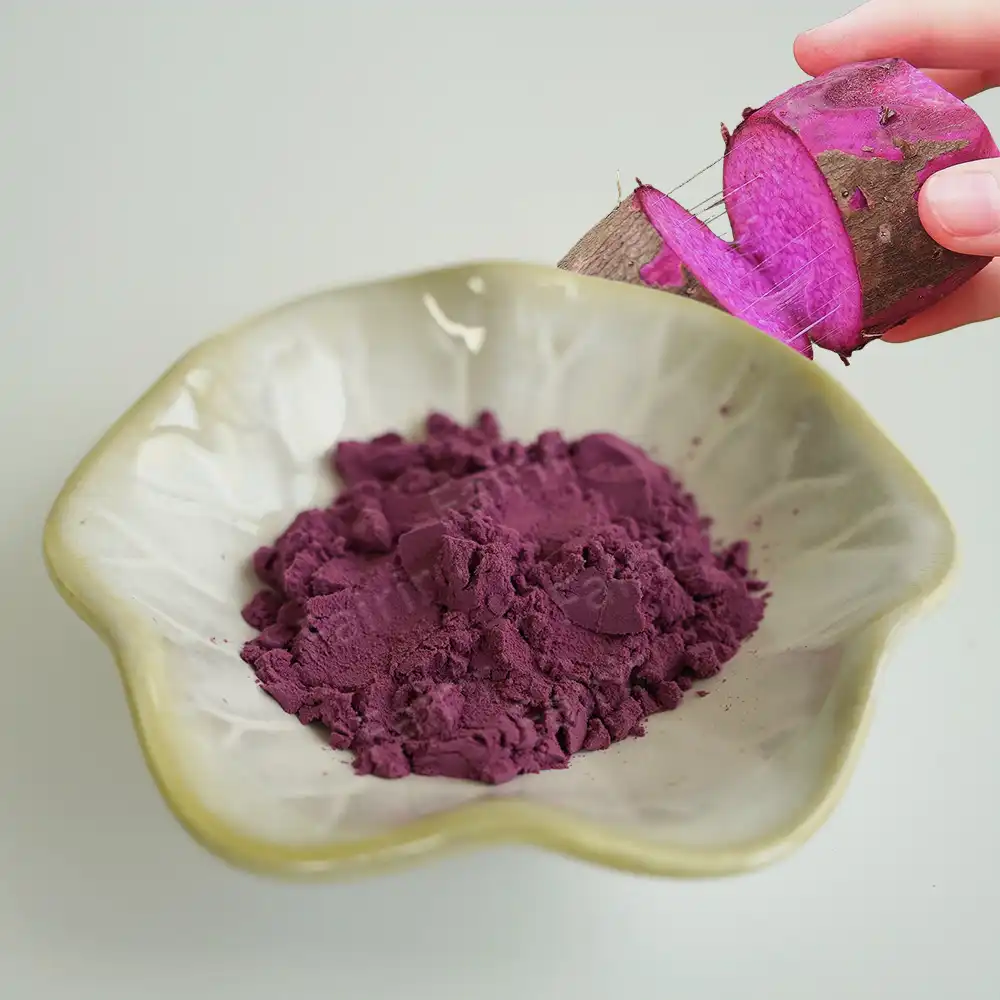
The purple yam, whose formal name is Dioscorea alata, mostly grows in the Philippines and other warm places. Manufacturers turn fresh potatoes into concentrated powder by spray-drying or freeze-drying them. This keeps the colour and extends the shelf life. This is not the same as purple sweet potato powder, which comes from Ipomoea batatas, even though they both have the same colour.
Nutritional Components Relevant to Eye Health
Purple yams have a unique colour because it has anthocyanins in them. It also has small amounts of beta-carotene, which the body turns into Vitamin A. Fresh Ube has about 140–180 IU of Vitamin A per 100 grams, but how it is processed has a big effect on how much of the vitamin is retained. The powder form usually has more nutrients, but heat-sensitive chemicals may be lost during production. Minerals like zinc and selenium are found in very small amounts and help the body's antioxidant defences work better.
Processing Impact on Nutrient Integrity
The way bioactive compounds are made has a huge impact on how long they last. Studies on how to process plant extracts have shown that freeze-drying keeps up to 85% of the anthocyanin content, while heat drying loses this to 40–60%. At Fairir, we use vacuum belt drying tools and controlled temperature routines to make sure that we keep as many nutrients as possible during production. Quality control using HPLC analysis shows that the anthocyanin patterns are the same across runs, which is very important for formulators who need to stick to strict rules.
Allergen Status and Regulatory Considerations
Ube doesn't usually have gluten, so it can be used in recipes that are safe for coeliacs. Cross-contamination risks do exist, though, based on how the building works. GMP-certified work settings keep these worries to a minimum by using special tools and following strict cleaning rules. Ube is generally recognised as safe (GRAS) by US regulatory bodies. This makes it easier for dietary products and useful foods that contain this ingredient to get on the market.
Exploring the Eye Health Benefits of Ube Powder — Myth or Reality?
Scientific Evidence on Anthocyanins and Vision
Research on foods high in anthocyanins shows that they may help your eyes in more than one way. A 2018 study in the journal Nutrients looked at how these compounds lower oxidative stress in retinal cells. However, most research on these compounds has been done on bilberry and blackcurrant, not Ube. In Ube, the amount of anthocyanin is 10–35 mg per 100 grams of fresh weight, which is much lower than the 300–700 mg quantity in bilberries.
Beta-Carotene Contribution and Limitations
A lack of vitamin A directly hurts night vision and general eye health, so beta-carotene sources are helpful for people who are lacking in this vitamin. However, Ube doesn't have as much beta-carotene as carrots or sweet potatoes. Different people have very different conversion rates from beta-carotene to retinol, ranging from 3:1 to 28:1 based on their genes and the amount of fat they eat.
Bioavailability Challenges in Powder Form
Nutrient uptake is very different when you eat whole foods versus powdered products. Anthocyanins are not very bioavailable when taken by mouth; only 1% to 2% make it to the systemic bloodstream intact. The leftover chemicals are broken down by microbes in the gut, creating metabolites whose effects on eye health are still not well understood. When Ube Powder is marketed as a main ingredient for eye health, this solubility gap is a big problem.
Realistic Expectations for Product Formulations
Claims made in marketing must be backed up by scientific proof to stay in line with regulations and keep customers' trust. As an independent healing agent, Ube Powder doesn't work as well as it does when used as an ingredient in a complete eye health recipe. When you mix it with well-known carotenoids like lutein powder—which our plant makes with a 98% extraction efficiency—you get stronger formulas with more clinical evidence.
Integrating Ube Powder Into Your Product Lines: Usage and Applications
Recommended Dosage and Usage Forms
The usual amount of inclusion in finished goods is between 2 and 8 per cent, which strikes a balance between cost and colour effect. For colour and flavour that can be seen, capsules need 200 to 500 mg per serving, while drinks need 1 to 3 grams per serving. These amounts give Ube a very low amount of anthocyanin compared to therapeutic levels, making it mostly useful as a colourant with some extra health benefits.
Versatile Application Opportunities
The food and drink industry loves Ube Powder because it looks good and doesn't have any added chemicals. It's used to make smoothie mixes, healthy lattes, and protein shakes, and the natural purple colour means that no artificial colourants are needed. Its heat stability makes it useful for baking because the colour stays the same at temperatures up to 180°C. Using Ube in ice cream shows off its smooth flavour, which goes well with both dairy and plant-based bases. Product makers are trying out savoury uses in addition to drinks and sweets. People who are health-conscious and want to eat carbs that are high in nutrients, like purple yam pasta and mashed potatoes. Ube extract is used in anti-aging serums and moisturising creams because it is an antioxidant. However, eye health claims for topical uses are very different from those for food supplements.
Storage Protocols for Bulk Procurement
The security and performance of a product are directly affected by how it is stored. Ube Powder should be kept in sealed containers that keep out moisture at temperatures below 25°C and relative humidity below 60%. As part of our quality control procedures, we test the moisture content and look for microbes on a frequent basis. This makes sure that the batches that are shipped meet the minimum stability standards for six months. Oxygen exposure speeds up the breakdown of anthocyanin, so nitrogen-flushed packing is necessary for long-distance shipping.
Powder Versus Fresh Tuber Considerations
Fresh Ube has more complicated flavours and more wetness, making it perfect for cooking right away. However, it can be hard to get because it has a short shelf life and is only available during certain times of the year. Powder form solves these problems because it stays stable for longer and supplies are steady all year, which are important for large-scale production settings. Powder has more nutrients per gram, but based on how it is processed, it may have less pure bioavailability.
Procurement Considerations: Choosing the Right Ube Powder Supplier
Organic Versus Conventional Sourcing
Organic approval appeals to high-end markets, charging 30–50% more and handling worries about pesticide residue. But growing Ube organically leads to lower yields and higher prices, which makes the supply system less reliable. Conventional sources offer more consistent volume and competitive pricing, making them a good choice for cost-sensitive uses where organic approval doesn't affect the decision to buy.
Quality Assessment Parameters
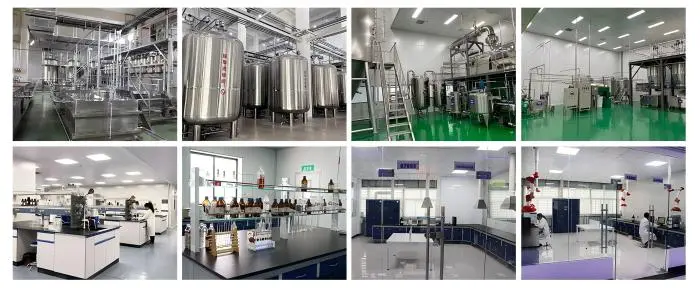
Verification of purity needs more than just an eye check. It also needs full analytical testing. Key requirements include measuring the amount of anthocyanin using HPLC, making sure the moisture level is below 5%, and making sure the number of microbes meets the standards for food supplements. Our lab tools, like UV spectrophotometers and rotating evaporators, let us precisely check the quality of the goods as they come in and as they are processed. Each batch should come with a Certificate of Analysis that lists the heavy metals that were tested, the chemical residues that were tested, and any allergens that were found.
Batch Consistency and Supplier Reliability
Variability in production is a big risk when buying things, especially farming raw materials that change with the seasons. Better batch-to-batch accuracy is achieved by suppliers who use multiple extraction lines with standard methods. At Fairir, we have three fully automatic production lines and fourteen stainless steel extraction tanks with capacities ranging from 500 to 3000 litres. This lets us make batches of different sizes while still keeping a close eye on the whole process. This infrastructure can handle both small amounts for study and big orders for business purposes without lowering quality standards.
Pricing Structures and Logistics
Prices for Ube Powder range from $15 to $45 per kilogram, based on the grade of purity, the state of the certification, and the size of the order. Philippine suppliers often have lower prices because they are close to where the raw materials come from, but wait times are longer, at 4 to 6 weeks, because of foreign shipping and customs clearance. Chinese companies like Fairir offer cheaper options by having a well-established export infrastructure, faster response times, and full technical help during the whole purchase process.
Making an Informed Decision: Does Ube Powder Meet Your Eye Health Product Claims?
Verified Benefits and Inherent Limitations
Based on what we know now, Ube Powder is more of a natural colourant with antioxidant qualities than a main eye health treatment. The anthocyanin and beta-carotene content is healthy, but the amounts are still too low for eye health claims that can stand on their own and pass regulatory review. To be realistic, Ube should be marketed as part of complete formulas, along with scientifically proven substances such as lutein, zeaxanthin, and omega-3 fatty acids.
Regulatory Compliance Strategies
According to US FDA rules, structure-function promises must be truthful and not misleading, and they must be backed up by good scientific proof. "Supports eye health as part of a balanced diet" claims are okay with regulators, but claims like "improves vision" or "prevents macular degeneration" need proof, which Ube Powder can't give at this time. Similar rules are enforced in European markets by EFSA guidelines, which reject most claims that plants can help with eye health that aren't backed up by strong clinical studies.
Strategic Positioning for Market Success
B2B buyers get the best results when they include Ube Powder in formulas with other ingredients that are aimed at specific groups of people. Young people who want to stay healthy and avoid getting sick respond well to natural, colourful foods that have protective properties. When you mix Ube with well-known eye health compounds, you get unique items that are good for both business and science. This builds trust with customers and gets them to buy from you again.
Conclusion
Ube Powder is a natural colourant and extra antioxidant source that has some value, but it doesn't have as much of an effect on eye health as clinically proven carotenoids. When making a purchase choice, the marketing appeal of the ingredient should be weighed against realistic hopes of its effectiveness. Formulations that mix Ube with known compounds like lutein should be favoured. Choosing providers with GMP certification, analytical skills, and consistent quality management lowers the risks of buying while supporting compliance with regulations. Clear information about restricted ingredients improves market positioning instead of hurting it. This helps build long-lasting relationships with customers based on honesty and scientific integrity.
FAQ
Does ube powder contain the same nutrients as lutein powder?
There isn't a lot of difference between Ube Powder and lutein powder in terms of their quantity and makeup. Lutein powder has a normal amount of carotenoids that are designed to target macular pigment density. It is usually between 5% and 20% pure. Ube has a wider range of nutrients than other fruits and vegetables because it has small amounts of lutein, anthocyanins, and beta-carotene. Product makers who want to make eye health claims that can be backed up should use lutein powder. On the other hand, those who want natural colour and some antioxidant support could use Ube as an extra element.
Can ube powder replace synthetic food colourants in eye health supplements?
Yes, Ube Powder can be used instead of fake violet and purple colourants in many situations, which is good for consumers who want clean labels. But colour stability changes depending on the pH and how the colour is processed. Conditions that are acidic make colours turn red, while conditions that are alkaline make colours turn blue. To make sure the colour stays the same throughout the product's shelf life, formulators must test its stability in the settings it will be stored in.
What extraction efficiency should I expect from quality ube powder suppliers?
By measuring anthocyanin recovery rates, reliable producers are able to get 85–95% extraction efficiency when turning fresh roots into concentrated powder. Continuous countercurrent extraction tools and optimised processing settings help our facility keep its 98% output efficiency. Lower efficiency means that the manufacturing process isn't working as well as it could, which could affect the quality of the nutrients and the cost-effectiveness.
Partner with Fairir for Premium Ube Powder Supply
Choosing the right Ube Powder maker has a direct effect on the quality of your product, your ability to follow the rules, and your ability to compete in the market. Fairir has a 10,000-square-meter building that is GMP-certified and has three fully automatic production lines, advanced HPLC analysis, and UV spectrophotometry. This makes sure that the quality of each batch is always the same. Our extraction rate is 98%, which means that we keep as many nutrients as possible while keeping production costs as low as possible for our clients. We know that food, nutraceutical, and pharmaceutical businesses need more than just basic materials. They also need partners they can rely on for technology support, quick responses to messages, and the ability to make changes as needed. Whether you're making eye health supplements, functional drinks, or cosmetics, our team can help you with the formulation process. We also offer private labelling services and full paperwork to back up your regulatory entries. Get in touch with our knowledgeable staff at sales@fairirbiotech.com to talk about your unique needs and get full information about our Ube Powder stock. We are a reliable Ube Powder seller, and we're open to long-term relationships based on openness, quality assurance, and growth for both parties. Request samples today and see how professional production of plant extracts can help your product do well.
References
1. Yao, Y., Vieira, A. (2019). Anthocyanins: Health Effects and Determining Factors of Their Levels in Foods. Journal of Food Science and Technology.
2. Rodriguez-Amaya, D.B. (2016). Natural Food Pigments and Colourants. Current Opinion in Food Science.
3. Khoo, H.E., Azlan, A., Tang, S.T., Lim, S.M. (2017). Anthocyanidins and Anthocyanins: Colored Pigments as Food, Pharmaceutical Ingredients, and Potential Health Benefits. Food & Nutrition Research.
4. Boon, C.S., McClements, D.J., Weiss, J., Decker, E.A. (2010). Factors Influencing the Chemical Stability of Carotenoids in Foods. Critical Reviews in Food Science and Nutrition.
5. Tanaka, Y., Sasaki, N., Ohmiya, A. (2008). Biosynthesis of Plant Pigments: Anthocyanins, Betalains and Carotenoids. The Plant Journal.
6. Schieber, A., Carle, R. (2005). Occurrence of Carotenoid Cis-Isomers in Food: Technological, Analytical, and Nutritional Implications. Trends in Food Science & Technology.