_1751965378790.webp)

Does Ube Powder Benefit Heart Health Significantly?
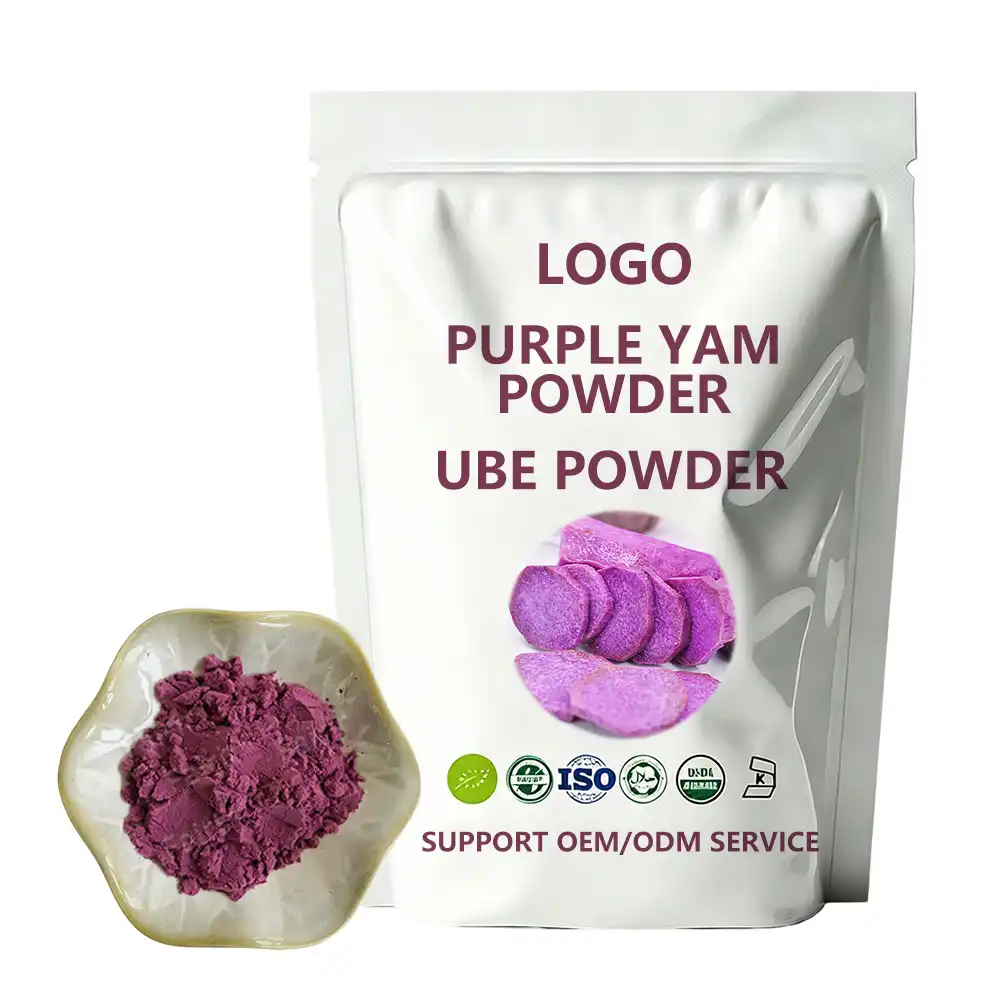
Ube Powder, which comes from the purple yam Dioscorea alata, which is native to Southeast Asia, has high anthocyanin content, dietary fibre, and antioxidant chemicals. Early study suggests that they might play a part in managing cholesterol and lowering oxidative stress, but the scientific proof is still very weak. Recent studies show some modest benefits for heart health, but large-scale clinical trials are needed to make sure these claims are true. When procurement workers look at this ingredient, they should think about both how healthy it is and how study is changing.
Understanding Ube Powder and Its Nutritional Profile
Origin and Manufacturing Process
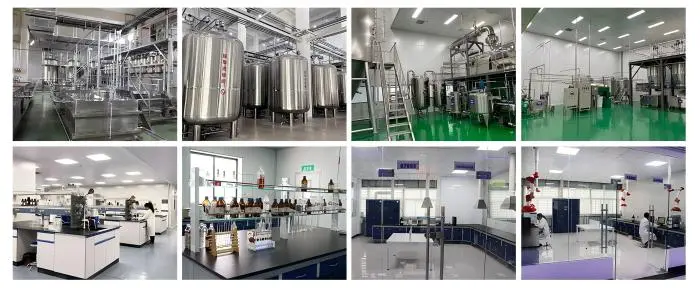
Ube Powder mostly comes from the Philippines and other warm places where Dioscorea alata grows well. The process of making something starts with carefully chosen roots that are cleaned, peeled, and the enzymes are turned off to keep them from turning brown. Modern factories use freeze-drying or low-temperature spray drying methods, which keep up to 95% of the beneficial chemicals in the raw tuber while traditional air-drying methods lose them due to oxidation. The powder that is made usually has particles that are between 60 and 120 mesh, which makes it ideal for a wide range of uses. The amount of moisture is carefully kept below 6%, which keeps the product stable during storage and shipping. Our 10,000-square-meter GMP-certified facility at Shaanxi Fairir Biotech Co., Ltd. uses Continuous Countercurrent Extraction Equipment and Vacuum Belt Drying Equipment to make standard batches with consistent colour intensity and flavour profiles. These are important factors for making large amounts of the product.
Nutritional Components Relevant to Cardiovascular Health
Because of how its nutrients are structured, Ube Powder is a useful ingredient that can help your heart in many ways. Anthocyanins, the pigments that give violet its bright colour, are antioxidants that may help protect heart cells from damage caused by free radicals. A big part of its carbohydrate structure is resistant starch, which helps control blood sugar better and, in turn, supports heart health by keeping the metabolism in check. The amount of fibre in food varies from 8 to 12% based on how it was processed. Fibre helps control cholesterol by sticking to bile acids. Minerals like manganese and potassium are known to help keep blood pressure in check and carry out enzyme-related metabolic processes in the heart. The complicated starch structure keeps the anthocyanin colours stable at high temperatures during processing, so they can survive the temperatures used to make food without breaking down too much.
Comparison with Fresh Ube and Alternative Powders
Fresh ube can be hard to get because it changes with the seasons, turns brown quickly due to enzymes, and has uneven sugar levels that make it harder to make standard recipes. Ube Powder gets rid of these problems, making it available all year and giving it a consistent taste and smell. The dehydration process makes the helpful chemicals more concentrated per unit weight. However, some water-soluble vitamins are slightly lost during the process. When compared to taro powder, Ube Powder has more anthocyanins and a unique flavour that is sweet and vanilla-like. Even though it looks like yam powder, purple sweet potato powder comes from Ipomoea batatas, not a real yam species. This means that it has different starch ratios and glycaemic reactions. By knowing these differences, buying teams can choose ingredients that are in line with how the product is positioned and with health claims that are legal.
Scientific Evidence on Ube Powder and Heart Health Benefits
Anthocyanins and Cardiovascular Function
Research that has been published in reputable health journals shows that anthocyanins help the heart in more than one way. These polyphenolic substances help endothelial cells do their job by encouraging the production of nitric oxide. Nitric oxide controls blood pressure and arterial tone. Studies in the lab show that anthocyanins may stop LDL cholesterol from oxidising, which is a key step in the formation of arterial plaques. Higher anthocyanin intake is linked to lower rates of cardiovascular events in population-based studies, but it's still hard to pinpoint Ube Powder's exact role because of how complicated the diet is. How bioavailable anthocyanins are from powdered forms depends on how they were processed and how the food matrix affects them. Freeze-dried mixtures keep the glycosylated forms that are better absorbed by the gut than colours that have been broken down by too much heat.
Fiber's Role in Cholesterol Management
The food fibre part works through well-known physiological processes. In the digestive system, soluble fibre makes thick gels that stop cholesterol and bile acid from being reabsorbed. This process makes the liver take in LDL cholesterol from the blood so it can make new bile acids, which lowers serum cholesterol levels. In clinical studies, adding 5 to 10 grams of soluble fibre to a person's food every day has been shown to lower LDL by 5 to 10 percent on average. Even though Ube Powder adds to your daily fibre intake, it would take a lot of it to reach medicinal levels, which is not possible in most food uses. The fibre content works better as a bonus to a healthier diet than as a separate treatment on its own.
Research Limitations and Future Directions
The data we have now mostly comes from in vitro studies, animal models, and observational dietary research. There haven't been any controlled human trials that look at Ube Powder directly. When you use results from similar anthocyanin sources to make generalisations about dose-response relationships and the best ways to give substances, you add doubt. The amount of anthocyanin in different types, growing conditions, and processing methods varies, which makes it harder to standardise, which is needed for a thorough clinical study. Before making cardiovascular-targeted goods, pharmaceutical and nutritional companies need strong, repeatable data. By working together on research, extraction sites like Fairir and university organisations can add to this body of evidence by using standard raw materials and tried-and-true analytical methods. The HPLC and UV spectrophotometers in our lab allow for accurate compositional analysis, which is necessary for research-grade materials.
Comparing Ube Powder with Similar Ingredients for Heart Health
Nutritional Content and Functional Efficacy
The amounts of anthocyanin in purple sweet potato powder are about the same, but the types of resistant starch are different. This means that the glycaemic reactions are different, which is important for metabolic cardiovascular risk factors. While taro powder has lower amounts of anthocyanins, it does have unique mucilage substances that may have prebiotic benefits. When making a procurement choice, these changes in composition should be weighed against the claims and expectations of consumers for the goal product. Getting certified as organic adds more quality aspects. Organic Ube Powder doesn't contain any synthetic pesticide leftovers that could cause oxidative stress. However, there isn't a lot of study directly linking organic status to better heart health yet. The approval is mostly about what consumers want and how to get into markets that value clean-label ingredients.
Instant versus Traditional Processing Forms
Instant Ube Powder goes through extra agglomeration or pregelatinization steps that make it easier to mix with cold water, which is useful for beverage uses and no-heat formulas. Through changes in structure, these tweaks slightly lower the amount of resistant starch present, which may lessen some metabolic effects. In traditional powders, the starch properties stay the same, but they need to be heated to form the best structure.
Evaluating Organic and Conventional Options
When it comes to shelf life, traditional forms are better than instant types because instant varieties absorb water and harden faster in bad storage conditions. Our building has controlled atmosphere storage methods that keep powder stable, but for the best anthocyanin preservation, we suggest sealed, light-protective packing for all powder types. Talking about specific application needs with technology teams makes sure that the right style is chosen. The higher price of organic Ube Powder comes from the costs of growing it and getting it certified. Comparing organic and standard powders from the same cultivar and processing method shows that there aren't many changes in their nutritional makeup. The choice is often based on how the company positions itself in the market, the rules that apply in the target areas, and the budget for buying things. Conventional choices offer cost savings for applications that care about price while still meeting functional requirements. Both organically approved and standard Ube Powder go through the same quality control steps at Fairir. These include checking for pesticide residues, testing for microbes, and using HPLC to confirm the anthocyanin content. With this two-in-one feature, clients can make the most of their product lines across all market groups without lowering quality standards.
How to Use Ube Powder to Maximize Heart Health Benefits in Food Production
Recommended Dosages and Integration Techniques
To make a real difference in diet, you need to find a balance between effectiveness and emotional impact. Adding 2 to 5 percent Ube Powder to baked goods adds anthocyanins without changing the taste too much. Drinks can have higher concentrations—up to 8%—where the unique taste is an advantage instead of a disadvantage. For both health and aesthetic reasons, 15–25% inclusion rates are used in savoury uses like purple yam gnocchi or potato replacements. Because anthocyanins are sensitive to pH, manufacturing issues need to be thought through. Acidic environments change the colour to reddish tones while keeping the pigment stable. Alkaline environments change the colour to blue-gray tones that are not desired and speed up the breakdown process. During the product's shelf life, buffering devices or smart ingredient sequencing keep the desired visual qualities. Based on decades of experience using plant extracts, our expert team helps with formulations that take these factors into account. Bioactive stability is greatly affected by the factors of thermal processing. Anthocyanins stay intact better when baked at temperatures below 350°F than when they are extruded or fried at high temperatures. Adding Ube Powder late in the making process or using it to decorate a surface keeps the nutritional value and visual effect while reducing the amount of heat that is exposed.
Allergen Profile and Dietary Compatibility
Ube Powder doesn't naturally have gluten in it, so it can be used in gluten-free and celiac-safe products. The ingredient isn't likely to cause allergies, and cases of sensitivity have been reported in medical papers very rarely. This safety profile makes it possible to make formulations that are flexible enough to meet the needs of a wide range of diets, such as those that are vegan, paleo, or concerned about allergies. The powder's neutral allergy status is different from purple ingredients or colourants made from nuts or cheese, so it can be used on clean labels without making it harder to list allergens. This flexibility helps food companies that want to make allergen-free buildings because it lowers the risk of cross-contamination and the need for segregation. Fairir keeps separate production areas for allergen-sensitive ingredients to help clients with strict facility qualification needs.
Storage and Handling Best Practices
Paying attention to environmental factors is needed to keep the nutritional purity of food throughout supply lines. Keep Ube Powder in opaque, sealed containers that are kept below 77°F and with a relative humidity of less than 60%. Light speeds up the breakdown of anthocyanin through photochemical processes. To keep food fresh longer, it needs to be packed in a way that blocks UV light. When industrial users open containers, they should quickly seal them again and think about nitrogen cleaning for partly used amounts to limit the amount of air exposure. Our packaging needs to be able to keep out moisture at rates higher than 0.5 g/m²/day. This has been proven by tests that simulate 24-month keeping at room temperature. Taking these steps lowers the risks that come with buying ingredients that might not work the same way from the time they are made until they are used.
Procurement Considerations for B2B Clients: Sourcing Quality Ube Powder
Evaluating Supplier Credentials and Certifications
Checking regulatory compliance paperwork is the first step in choosing reliable manufacturing partners. GMP approval shows that a company follows the rules for making medicines, which include writing down cleaning methods, making sure that the equipment is properly trained, and keeping track of each batch. ISO approvals for quality management systems show that they use a planned method to be consistent and keep getting better. For organic and non-GMO certificates, the supply chain must be checked by a third party every year, from the farm to the final packing. Instead of taking facility-level paperwork that might not cover all products, ask for up-to-date certificates that cover the individual product. At Shaanxi Fairir Biotech Co., Ltd., we keep complete certification files that buying teams can easily access during qualification processes. Analytical skills set superior providers apart. A facility with HPLC can measure individual anthocyanin compounds instead of using rough spectrophotometric predictions. This level of accuracy makes it possible to check that the specifications are met and helps back up promises that regulatory bodies need to see. Every production batch goes through microbial testing, heavy metal screening, pesticide residue analysis, and anthocyanin profile in our lab.
Price Point Analysis and Value Propositions
The price of Ube Powder depends on how easy it is to get the raw materials and how much it costs to get certified. In bulk, conventional powder costs between $8 and $15 per kilogram, while organic approved powder costs between $18 and $28 per kilogram. Instant processing costs an extra $3 to $6 per kilogram because it requires more steps in the manufacturing process and special tools. True value is more than just the price per unit; it also takes into account things like consistency, expert help, and supply reliability. When suppliers offer strict specs with small error ranges, it leads to fewer formulation changes and quality problems further down the line. The cheapest choice usually means that there is more variation between batches, which raises the total cost of ownership through attempts to reformulate and possible product recalls. When you commit to a certain amount of volume, you can get better prices. Annual contracts that require at least three purchases every three months help makers plan their production and get buyers better prices. Our three fully automatic production lines and 14 stainless steel extraction tanks with capacities ranging from 500 to 3,000 litres make production 98% efficient. This lets us offer reasonable prices on large orders without lowering the quality standards.
Logistics and Regional Distribution Considerations
How the bulk is shipped affects how much it costs to land and how much space it needs. Ube Powder usually comes in 25-kilogram fibre drums or multi-wall paper bags. However, bigger businesses may ask for 500-kilogram supersacks, which would lower the cost of packing per unit weight. Optimising the load of a container affects the efficiency of freight. Depending on the packing style, a 20-foot container can hold between 10 and 12 metric tonnes. Different countries have different standards for import paperwork. The United States needs food ingredient exports to be approved by the FDA ahead of time. They also need a certificate of analysis to show that the specifications have been met and, if necessary, phytosanitary certificates. Experienced providers like Fairir keep up with importers and customs brokers and their networks, which speeds up the clearance process and cuts down on border delays. Regional plans for warehousing make the supply chain more flexible. When compared to direct plant sales, distributors who keep inventory in the United States allow for smaller minimum order numbers and faster replenishment rounds. We work with qualified delivery partners all over North America to provide personalised customer service and keep the cold chain intact so that products last as long as possible.
Conclusion
Anthocyanin antioxidants and dietary fibre in Ube Powder help the heart in a mild way, but these health claims need to be proven by more extensive clinical testing. People who work in procurement should think of this ingredient as a useful part of larger heart-healthy product plans, not as a therapeutic answer on its own. The powder's clean-label draw, bright natural colour, and wide range of uses make it a good choice for health-conscious consumers. For sourcing to go well, you need to work with certified makers who offer strict quality control, clear analytics, and quick technical help. As research keeps changing, businesses that are making new cardiovascular health goods can get a competitive edge by adopting them early.
FAQ
Can purple yam powder effectively lower cholesterol levels?
There is soluble fibre and anthocyanins in Ube Powder that help control cholesterol in known ways. However, this powder should not be used instead of proven treatments. Anthocyanins may stop LDL from being oxidised, and fibre stops cholesterol from being absorbed. To get clinically important benefits, you need to keep taking it and make other changes to your diet as well.
Is ube powder suitable for allergen-free product formulations?
The item is a great choice for people who are allergic to gluten, dairy, nuts, soy, or other common allergens because it doesn't contain any of those things. This flexibility makes it easier to make products for people with sensitive tastes and lowers the risk of cross-contamination in factories that make a lot of different products. Always check the supplier's paperwork that says the working areas are allergen-free, especially if you're trying to reach coeliac or anaphylactic customers who need strict rules.
How should manufacturers store purple yam powder to maintain freshness?
For best keeping, keep in cool, dry places below 77°F with humidity below 60% in containers that are sealed and opaque. Anthocyanins lose their colour and protective power when they are exposed to light. By reducing oxidative processes, nitrogen flushing makes packages that have only been partly used last longer on the shelf. Powder that is stored properly will keep its useful qualities for 18 to 24 months after it is made, though it should be tested every so often to make sure it stays in line with specifications during the expected use times.
Partner with Fairir for Premium Purple Yam Powder Supply
Shaanxi Fairir Biotech Co., Ltd. is ready to help you make heart health products by providing you with high-quality Ube Powder that has been rigorously tested for quality. Our GMP-approved plant uses cutting-edge extraction methods and analytical tools, such as HPLC and UV spectrophotometry, to make sure that every output batch meets the same high standards for anthocyanin profiles and purity. As a Ube Powder maker with years of experience working with the food, nutraceutical, and pharmaceutical industries around the world, we know how important it is to have accurate specs, paperwork that shows we follow all the rules, and quick technical teamwork. With 14 extraction tanks and three fully automatic production lines, we can meet a large number of promises with the speed and efficiency needed while still keeping prices low. We have both organically approved and standard Ube Powder, and we can track it all the way from the farm to the package. Email our knowledgeable staff at sales@fairirbiotech.com to talk about your particular needs, get detailed data sheets, or set up a sample evaluation. We'd love the chance to become your reliable Ube Powder source and help you reach your goal of giving picky customers new, heart-healthy goods.
References
1. Wallace, T.C., Slavin, M., and Frankenfeld, C.L. (2016). "Systematic Review of Anthocyanins and Markers of Cardiovascular Disease." Nutrients, 8(1), 32.
2. Rodríguez-Mateos, A., et al. (2013). "Intake and Time Dependence of Blueberry Flavonoid-Induced Improvements in Vascular Function: A Randomized, Controlled, Double-Blind, Crossover Intervention Study." American Journal of Clinical Nutrition, 98(5), 1179-1191.
3. Brown, L., Rosner, B., Willett, W.W., and Sacks, F.M. (1999). "Cholesterol-Lowering Effects of Dietary Fiber: A Meta-Analysis." American Journal of Clinical Nutrition, 69(1), 30-42.
4. Terahara, N., et al. (2004). "Five New Anthocyanins from Purple Yam and Their Antioxidant Activity." Journal of Natural Products, 67(10), 1752-1755.
5. Khoo, H.E., Azlan, A., Tang, S.T., and Lim, S.M. (2017). "Anthocyanidins and Anthocyanins: Colored Pigments as Food, Pharmaceutical Ingredients, and the Potential Health Benefits." Food & Nutrition Research, 61(1), 1361779.
6. Cassidy, A., et al. (2013). "High Anthocyanin Intake Is Associated with a Reduced Risk of Myocardial Infarction in Young and Middle-Aged Women." Circulation, 127(2), 188-196.