_1751965378790.webp)

How Can Centella Asiatica Extract Powder Enhance Water-Soluble Formulas?
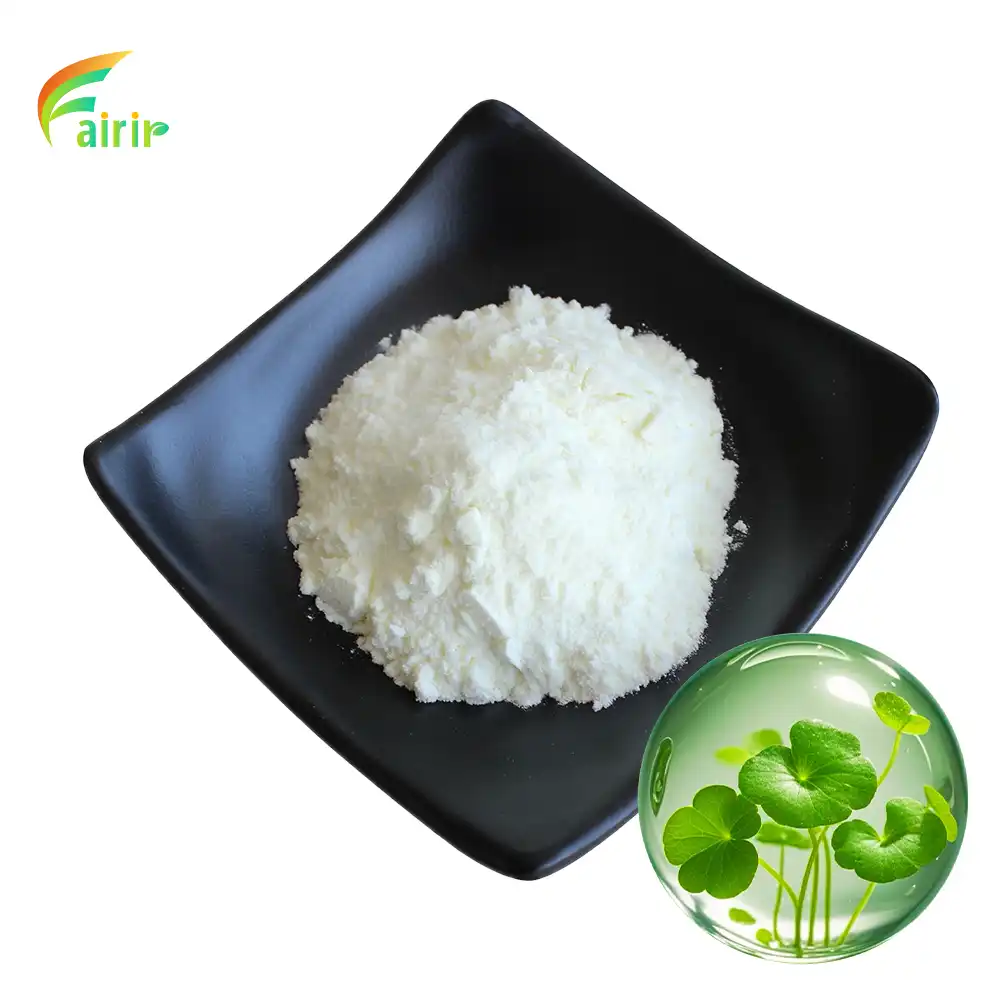
Centella Asiatica Extract Powder greatly improves water-soluble mixtures because it is very compatible with water and contains beneficial triterpenes. The standardized extract adds Asiaticoside, Madecassoside, Asiatic Acid, and Madecassic Acid directly to recipes. This makes sure that the acids mix quickly in toners, serums, and micellar waters. Because of the way its molecules are structured, it can be easily mixed into hydrogels and emulsions without clumping or clouding, and it still has the ability to stimulate collagen production. The powder form gives formulators precise dosing control, better shelf stability than liquid extracts, and consistent potency across production batches. This makes it an essential tool for companies that want to make cosmetic-grade water-based products that repair skin barriers and reduce inflammation.
Understanding Centella Asiatica Extract Powder and Its Role in Water-Soluble Formulas
Botanical Origins and Chemical Composition
This annual plant comes from the aerial parts of Centella asiatica (L.) Urban and does well in marsh areas all over Asia. There are specific amounts of pentacyclic triterpenes in the uniform powder. These include the glycosides Asiaticoside and Madecassoside, as well as their aglycone forms. Raw herb powders have a lot of different ingredients. Professional-grade extracts, on the other hand, are cleaned using chromatography to get titrated specifications that range from 10% to 95% total triterpenes. In pharmaceutical settings, this is often called TECA (Titrated Extract of Centella Asiatica). Formulators who use raw plant materials have a hard time making sure that the products they make are consistent from batch to batch. This uniformity fixes that problem.
Aqueous Compatibility and Bioavailability
The glycosylated structure of Asiaticoside makes Centella Asiatica Extract Powder naturally hydrophilic, which means that the powder dissolves easily in water-based systems with pH levels between 4.0 and 7.0. This quality is very important for toners, hydrosols, and leave-on products that don't have a lot of oil in them. According to a study in the Journal of Ethnopharmacology, water-soluble triterpene fractions are better at penetrating the skin than lipophilic extracts. This means that they can increase the production of collagen types I and III in fibroblast cultures. The small particle size (usually 80–100 mesh) allows for quick dissolving without the need for heavy mixing, which could break down chemicals that break down at high temperatures.
Functional Performance in Formulation Systems
When mixed into water-based gels, the extract stays stable even when the temperature changes that happen during production and shipping. Its antioxidant power, tested at DPPH radical scavenging rates above 70%, keeps products from breaking down due to oxidation and helps support claims that they can slow down the aging process. Because the extract works well with humectants like glycerin and hyaluronic acid, they work together to keep wetness in the skin. Studies show that hydrogels with Centella in them can hold 23% more water than base formulas. This addresses customer worries about water loss through the skin's barriers when they are damaged.
Core Benefits of Using Centella Asiatica Extract Powder in Formulation
Accelerated Wound Healing and Skin Repair
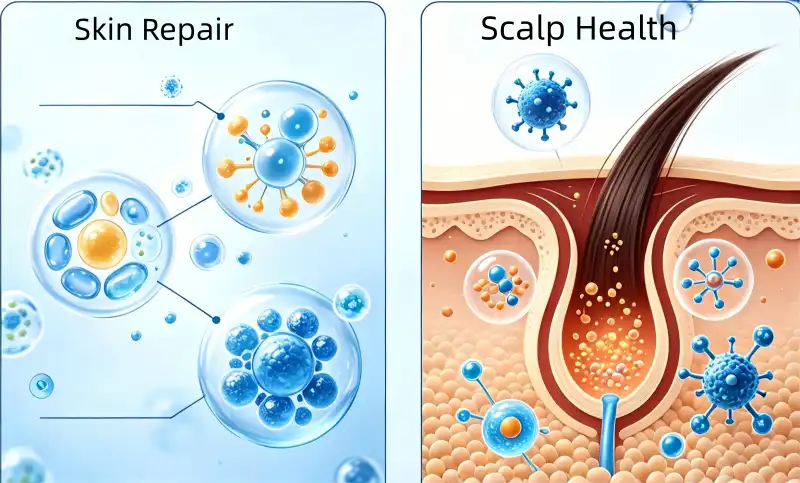
Clinical studies published in dermatology literature show that applying standardized Centella extracts to wounds speeds up the healing process by encouraging fibroblast growth and increasing collagen formation. The Asiaticoside part specifically raises the production of TGF-β1, which is a key signaling molecule in skin healing. Those who are making products for sensitive skin, acne scars, or healing after surgery can use these qualities by adding 0.5% to 2% powder concentrations to water-based serums and essences. This dose range strikes a good mix between effectiveness and cost-effectiveness while staying below the levels of irritation found in repeated shock patch tests on humans.
Anti-Inflammatory and Soothing Properties
Madecassoside has strong anti-inflammatory effects by stopping NF-κB from activating and lowering the release of pro-inflammatory cytokines. This process works especially well in formulas meant to calm skin that is prone to acne, skin that has been in the sun, or skin that is reactive. Because these bioactives dissolve in water, they can get to irritated tissue right away when used as face mists or cooling creams. An independent lab test using ELISA assays shows that mixtures with 1% standardized extract lower IL-6 levels by 34% in grown keratinocytes that are exposed to UV light. This backs up claims that the product can reduce inflammation.
Haircare Applications and Scalp Health
Triterpenes in Centella not only help with face care, but they also improve blood flow to the head, which helps nutrients get to hair follicles. Concerns about hair loss and cell dormancy are addressed by shampoo and scalp tonic makers who use the powder at amounts of 0.3% to 1%. Because it strengthens capillary walls, the extract is useful in professional hairdresser product lines because it makes the head less sensitive to chemical treatments. Its antibacterial qualities, which work against Staphylococcus epidermidis and Malassezia species, make it an even better way to treat seborrheic dermatitis than synthetic antimicrobials, which are often harsh.
Practical Dosage Guidelines and Formulation Stability
To keep performance at its best, you need to pay attention to pH balancing and pesticide compatibility. Centella extracts work best in slightly acidic settings (pH 5.0–6.5), which is close to the pH of human skin. Phenoxyethanol and ethylhexylglycerin preservation systems work well together and don't break down the triterpene content in 24-month stability studies. Cold-process manufacturing methods are better for temperature-sensitive products, but the extract can handle being exposed to 70°C for a short time while the emulsion is being made. Quality control procedures should use HPLC analysis to check the triterpene level at the intake, mid-production, and end product stages. This will make sure that the label claims are met and that regulatory requirements are met.
Comparative Insights: Choosing the Right Form of Centella Asiatica for Your Product
Powder Versus Liquid Extract Considerations
Compared to liquid preparations, Centella Asiatica Extract Powder is easier to work with, less expensive to ship, and takes up less space in storage. The dehydrated format gets rid of the need for cold-chain operations and lowers the risk of germ contamination during long storage periods. Formulators can mix powders back together to get the amounts they want. This lets them make changes to different product lines without having to keep multiple stocks of liquid extracts. Liquid extracts make direct addition methods easier, but they also add factors related to preservative systems and solvent leftovers that make clean-label placement harder. When the weight of the water in liquid forms is taken into account, cost research shows that powder forms usually offer 20–30% more value per gram of active triterpene content.
Organic Certification and Market Positioning
Centella extract that is approved as USDA Organic or EU Organic costs more, but it opens up new markets that want to buy from sources that can be trusted to be sustainable. Organic certification has effects on buying that go beyond price. It needs supply lines that can be checked, proof that crops were grown without pesticides, and processing sites that follow the rules. Brands that want to sell to natural specialty stores and health-conscious consumers need the license in order to put their products on shelves and write marketing copy. Even though non-organic pharmaceutical-grade extracts aren't certified organic, they often meet stricter standardization requirements and higher purity levels, making them ideal for clinical skincare lines and medical device classifications where therapeutic stability is more important than organic branding.
Standardization Levels and Efficacy Trade-offs
Entry-level extracts that are standardized to 10% triterpenes work well in low-cost formulas where Centella is used as a supporting element along with the main actives. The best standardization range for most makeup uses is between 40 and 50 percent. This is where cost, effectiveness, and ease of preparation are all balanced. Pharmaceutical preparations and high-end skin care products use high-purity 80–95% extracts because their concentrated active ingredients support high market prices. Standardization choices made by procurement teams need to be in line with how the final product will be positioned. For example, a moisturizer for the mass market needs different specs than a cream for people who have just had surgery. However, both types of creams can benefit from being able to be tracked back to their source and having analytical certificates that prove the triterpene content that was claimed.
Effective Procurement Strategies for Centella Asiatica Extract Powder
Supplier Qualification and Certification Requirements
Manufacturers with a good reputation keep GMP-certified facilities with tested extraction methods and analysis tools like HPLC systems, UV spectrophotometers, and the ability to test for microbes. Check the ISO 9001 quality management certification, the hazard analysis procedures, and the third-party audit records before making a purchase. Regulatory bodies and business compliance teams are looking for suppliers that can fully trace their products, from choosing the cultivar to harvesting the crop and keeping records of each batch of extraction. This kind of openness is what suppliers offer. Ask for records of analysis that show triterpene profiles, heavy metal screening (for example, lead, arsenic, cadmium, and mercury), pesticide residue tests, and microbial limits that meet USP standards.
Pricing Dynamics and MOQ Optimization
Standardized extracts' prices change on the market depending on crop rates, how well they are extracted, and demand cycles. Depending on the purity grade, prices usually range from USD 40 to USD 180 per kilogram. For stock standards, the minimum order quantity is usually 25 kilograms. For custom standardizations, however, pledges of 100 kilograms may be needed to cover the costs of analytical setup. Long-term supply deals that are made after the harvest can get better prices and make sure that supplies are distributed during months with high demand. When non-competing brands work together to form bulk purchasing groups, they can pool their purchases to get lower prices directly from the maker, which are usually only available to big cosmetics companies.
Quality Assurance Protocols Throughout Supply Chain
Setting up testing methods for new raw materials like Centella Asiatica Extract Powder stops formulation mistakes and regulatory problems before they happen. In addition to looking at the COAs from suppliers, it is recommended to do independent verification tests on random production runs to confirm the triterpene content, check the solubility characteristics, and look for adulterants like synthetic Madecassoside analogs that can be added by dishonest vendors. Set up processes for putting materials in quarantine while they wait for analytical clearance before being sent to the production floors. Keep powder stable in climate-controlled storage at 15–25°C with humidity below 60%, and set up first-expired-first-out inventory cycle methods to stop it from going bad after being stored for a long time.
Formulation Tips: How Centella Asiatica Extract Powder Enhances Water-Soluble Products
pH Optimization and Preservative Compatibility
To get the best results from an extract, the formulation's pH must be set to between 5.0 and 6.5, which is the area where triterpene stability is highest. pH can be controlled reliably with citric acid or sodium citrate buffer systems that don't affect reactive structures. When choosing a preservative, you should stay away from formaldehyde-releasing agents because they can mix with glycosidic bonds and make Asiaticoside less available. Broad-spectrum systems that combine 0.8 to 1.0% phenoxyethanol and 0.1 to 0.2% caprylyl glycol work very well together and keep the purity of the triterpenes through accelerated stability testing methods that mimic a three-year shelf life.
Preventing Sedimentation and Enhancing Solubility
To completely dissolve the powder, it needs to be slowly added to the water phase while it is being stirred slowly. This lets the particles become wet before the mixing speed is increased. Temperatures between 40°C and 50°C help with dispersion without breaking down thermolabile parts. Adding hydrotropes like propylene glycol or pentylene glycol at amounts of 2 to 5 percent makes the mixture more soluble and stops it from solidifying when it cools down. When added at 0.2% to 0.3%, xanthan gum or hydroxyethylcellulose helps recipes with insoluble particulates stay homogeneous over time and stops the layering that you can see in toners that weren't made well.
Synergistic Ingredient Combinations
When you mix Centella extract with Niacinamide, you get two barrier-repair processes that work together. Centella increases the production of structural proteins, and Niacinamide raises the production of ceramides, which strengthens the skin all over. Putting collagen-stimulating signals together with peptides like palmitoyl tripeptide-5 makes them stronger through several molecular routes. Antioxidant stacks that contain Ferulic Acid and Vitamin C molecules benefit from Centella's metal-chelating qualities, which keep ascorbic compounds stable even though they are easily broken down by oxygen. These strategic combos set goods apart in crowded markets by supporting premium positioning through multi-modal action claims backed by science instead of claims based on a single ingredient.
Conclusion
Using standardized gotu kola extract in water-soluble mixtures is a smart way to combine old-fashioned plant knowledge with modern pharmaceutical accuracy. If procurement workers know a lot about standardization levels, pH compatibility, and qualifying suppliers, they can get a competitive edge by reliably getting this multifunctional active. The extract has been shown to help fix skin barriers, reduce inflammation, and make collagen. This gives formulators a lot of options for how to help customers with a wide range of skin and hair problems. The strong clinical literature backing Centella makes it a low-risk, high-value ingredient that deserves long-term formulation investment and strategic supply partnerships. This is especially true in cosmetics, where claims need to be backed up by evidence.
FAQ
1. What is the optimal concentration of Centella Asiatica Extract Powder in water-based formulations?
Different types of products need different concentrations. Leave-on serums and essences work best with 0.5 to 2%, while rinse-off products like toners can use 0.3 to 1%. Higher amounts don't always make something work better, and they might change how it smells or how much it costs. Formulations with at least 40% triterpenes and 1% standardized extract are usually used in clinical tests that show measurable skin improvement benefits.
2. How does this extract compare to asiaticoside powder alone?
Pure Asiaticoside is a strong single-compound dose, but the full-spectrum extract, which has Madecassoside, Asiatic Acid, and Madecassic Acid, works better because it has all three of them. According to research, these substances work in ways that support each other. Asiaticoside mainly promotes collagen production, while Madecassoside has better anti-inflammatory effects. Full-spectrum extracts also have phytochemicals that help them be more stable and bioavailable.
3. Can this ingredient be used in both preservative-free and preserved formulations?
The powder doesn't have enough antimicrobial properties to keep recipes fresh, so water-based goods need to have the right preservation methods. The extract is compatible with most types of preservatives, but it is still important to test its compliance with specific preservation methods. Anhydrous systems that use the powder don't have to worry about preservation at all, but they don't get the benefits of watery solubility that make Centella valuable in water-based recipes.
Partner with Fairir for Premium Centella Asiatica Extract Powder
Shaanxi Fairir Biotech Co., Ltd. is a reliable company that makes Centella Asiatica Extract Powder. They are dedicated to providing pharmaceutical-grade plants that meet the high standards of the beauty and nutraceutical businesses around the world. Our GMP-certified building is 10,000 square meters and has 14 stainless steel extraction tanks with capacities between 500 and 3,000 liters. It also has two fully automatic production lines that work at 98% efficiency. We use High Performance Liquid Chromatography, UV spectrophotometry, and rotating evaporation analysis to keep a close eye on quality and make sure that every batch meets the triterpene standards that were stated.
Our expert team can help you with everything from the initial formulation advice to large-scale production. They can help you get the most out of adding Centella to your water-soluble goods. We have low prices for large orders of Centella Asiatica Extract Powder and flexible minimum order numbers. We also offer custom standardization services that are made to fit your unique formulation needs. Our experienced staff is here to help you with prompt contact and a steady flow of products, whether you need cosmetic-grade extracts for high-end skin care lines or pharmaceutical specs for clinical uses.
To get analytical certificates, talk about custom formulation support, or set up sample evaluation, please email our buying experts at sales@fairirbiotech.com. We'd love the chance to show you how our focus on quality and competitive positioning can help improve your plant supply chain and shorten the time it takes to come up with new products.
References
1. Brinkhaus B, Lindner M, Schuppan D, Hahn EG. Chemical, pharmacological and clinical profile of the East Asian medical plant Centella asiatica. Phytomedicine. 2000;7(5):427-448.
2. Bylka W, Znajdek-Awiżeń P, Studzińska-Sroka E, Brzezińska M. Centella asiatica in cosmetology. Postępy dermatologii i alergologii. 2013;30(1):46-49.
3. Gohil KJ, Patel JA, Gajjar AK. Pharmacological review on Centella asiatica: a potential herbal cure-all. Indian Journal of Pharmaceutical Sciences. 2010;72(5):546-556.
4. Hashim P, Sidek H, Helan MHM, Sabery A, Palanisamy UD, Ilham M. Triterpene composition and bioactivities of Centella asiatica. Molecules. 2011;16(2):1310-1322.
5. Maquart FX, Bellon G, Gillery P, Wegrowski Y, Borel JP. Stimulation of collagen synthesis in fibroblast cultures by a triterpene extracted from Centella asiatica. Connective Tissue Research. 1990;24(2):107-120.
6. Somboonwong J, Kankaisre M, Tantisira B, Tantisira MH. Wound healing activities of different extracts of Centella asiatica in incision and burn wound models: an experimental animal study. BMC Complementary and Alternative Medicine. 2012;12:103.