How Does an Astaxanthin Supplier Maintain Stable Global Supply?
To keep the world supply of astaxanthin stable, we need a trustworthy Astaxanthin Powder Supplier who can handle several problems that are all linked. These include finding high-quality raw materials like Haematococcus pluvialis algae, dealing with changes in production that happen with the seasons, enforcing strict quality control, and figuring out how to handle complicated foreign processes. To lower risks and make sure that products are always available for the cosmetics, nutraceuticals, and pharmaceutical businesses around the world, suppliers need to use a variety of buying strategies, cutting-edge manufacturing technologies, and clear supply chain management systems.
Understanding the Challenges in Maintaining a Stable Astaxanthin Supply
Getting a steady supply of ingredients high in astaxanthin can be hard for people who work in global buying. These problems come from both a lack of raw materials upstream and high market demand downstream.
Limited Raw Material Availability and Source Variability
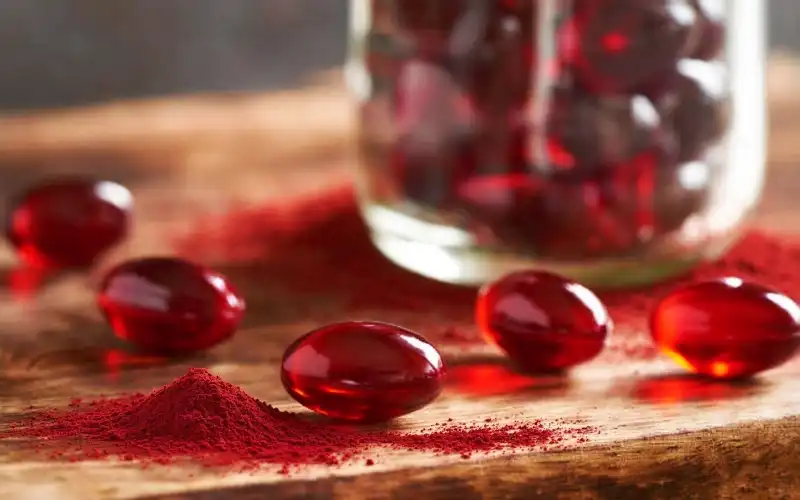
Astaxanthin mostly comes from Haematococcus pluvialis microalgae, and how well they grow varies with the weather, the quality of the water, and the rounds of cultivation. Natural astaxanthin must be gathered from controlled algae farms or wild-caught marine sources like salmon and shrimp, while manmade astaxanthin powder is made from petrochemical processes. Studies show that farmed Atlantic salmon only has 6–8 mg of astaxanthin per kilogram, while wild sockeye salmon has 26–38 mg per kilogram of meat. Because of this, it's hard to keep up a steady supply, especially when market demand changes toward natural options instead of synthetic ones. Bad weather, the chance of contamination, and a lack of suitable growing areas can all suddenly lower the output of raw materials, leaving buyers with insufficient stock or inconsistent quality.
Compliance With Certification and Regulatory Standards
Business-to-business clients in the pharmaceutical and dietary supplement industries expect strict compliance paperwork. When astaxanthin ingredients come into the US market, they have to follow FDA rules, get Good Manufacturing Practice certifications, and be tested by a third party for heavy metals and microbial diseases. Suppliers must give thorough analysis papers that prove the product's potency, stereoisomer makeup, and esterification status. Astaxanthin from algae is more than 95% esterified, which means that fatty acids are linked to the molecule. Synthetic forms, on the other hand, are not esterified at all. To meet the requirements of regulations and customer tastes in many places, procurement teams need clear proof of organic origin, non-GMO status, and environmentally friendly gathering methods.
Seasonal Production Cycles and Manufacturing Capacity Constraints
Growing microalgae follows yearly trends that are affected by weather and sunlight. Higher levels of astaxanthin are found during peak crop seasons. Off-season production may need extra lights or climate control systems that cost more. Manufacturing capacity problems happen when there is a lot of demand around the world, especially when people in developing areas start taking more antioxidant pills. Suppliers with only one production site are more likely to have problems with their tools, a lack of workers, or government checks that stop production for a while. By being aware of these practical and cyclical risks, procurement professionals can plan for shipping delays and make sure they have enough backup stock.
Core Strategies Astaxanthin Suppliers Use to Ensure Global Supply Stability
Reliable astaxanthin suppliers use all-encompassing plans that cover finding raw materials, making production more efficient, and making sure quality standards are met so that supply chains don't break down.
Diversified Sourcing and Strategic Raw Material Partnerships
Leading sellers build ties with several algae farms in different parts of the world so they are not dependent on just one harvest zone. This spread-out geographical coverage guards against localized weather events, pest outbreaks, or unstable governments that might stop output. Vertical integration methods, in which providers oversee both the growing and extracting processes, make it easier to track and ensure quality. Strategic relationships with certified organic farms make sure that high-quality Haematococcus pluvialis biomass is available, and backup deals with makers of astaxanthin from Phaffia yeast provide extra supply sources in case of shortages. Suppliers stay flexible without sacrificing the authenticity or viability of their products by using a mix of natural and biotechnologically produced sources.
Advanced Extraction Technologies and Sustainable Production Methods
To get the most astaxanthin out of algae matter, modern extraction plants use supercritical CO2 extraction, liquid extraction, and enzymatic hydrolysis. These methods keep the delicate molecular structure and esterified form of natural astaxanthin, which sets it apart from manufactured versions. Throughput is increased with automated production lines that have constant countercurrent extraction systems and double-effect concentration equipment. Batch-to-batch differences are reduced. Vacuum belt drying technology keeps heat-sensitive carotenoids from breaking down due to oxidation, and ultra-micro pulverizers make sure that the particles are all the same size, which is important for solubility. Three fully automatic production lines and 14 stainless steel extraction tanks ranging from 500 to 3000 liters are used at places like Shaanxi Fairir Biotech Co., Ltd. to get up to 98% production efficiency. These investments in technology lead to stable output numbers and consistent product standards that meet strict customer needs.
Rigorous Quality Assurance and Third-Party Auditing
Quality control rules start when the raw materials are brought in and continue through all stages of production. Astaxanthin content and stereoisomer ratios can be found using high-performance liquid chromatography, and the quality of the pigment can be checked with UV spectrophotometry. Rotating evaporators and thermostat water baths help with the flow of scientific tests, and ultrasonic cleaners keep equipment clean to stop contamination. Suppliers who use GMP-compliant manufacturing methods are regularly checked by a third party to make sure they are following international rules. These audits check the correctness of the records, the cleanliness of the building, the training of employees, and the calibration of analytical equipment. Pharmaceutical businesses, nutraceutical brands, and cosmetic makers that need verified chain-of-custody paperwork trust providers more when they keep detailed records of traceability. Clear communication of proof of research data builds trust and helps keep clients for a long time.
Leveraging Supply Chain Management to Mitigate Risks
Through cautious planning and flexible operations, sophisticated supply chain strategies turn possible weaknesses into competitive advantages.
Inventory Management and Demand Forecasting Tools
Predictive analytics systems look at past buying habits, seasonal patterns, and market signs to accurately guess what people will want to buy in the future. If Astaxanthin Supplier suppliers keep extra stocks that are in line with expected high demand, they can fill rush orders without affecting delivery times. When you calculate your safety stock, you take into account changes in lead times and the supply of raw materials. This way, you can always get your products, even when cultivation rounds are late. Real-time inventory visibility systems let sellers move stock between regional warehouses, which makes delivery more efficient in North America, Europe, and the Asia-Pacific area. This flexible method cuts down on stock-outs and boosts customers' trust in the supply chain.
Logistics Optimization and Regulatory Navigation
When astaxanthin ingredients are shipped internationally, they have to go through complicated customs procedures, be transported at a controlled temperature, and meet the paperwork needs of each target country. Reliable sellers work with freight forwarders with a lot of experience who know how to ship pharmaceuticals and can speed up the clearance process. Using cold chain transportation keeps products stable while they're being shipped, stopping oxidative breakdown that lowers their effectiveness. By strategically placing distribution hubs near large groups of factories, last-mile supply times and transportation costs can be cut. When suppliers offer flexible contract terms, like letting clients change the number of orders and when they send them, it helps clients plan their production and handle their cash flow. These logistics skills set professional makers apart from sellers who are only interested in making money and don't have a strong infrastructure.
Supplier Relationship Management and Contingency Planning
Astaxanthin makers and raw material providers can work together better when there are problems with supplies because they have been working together for a long time. In the event of a tight market, contractual deals may include minimum buy obligations that are balanced by promised allocation rights. Freight contracts and a network of different carriers help keep deliveries from getting backed up. In case something unexpected happens, having backup plans with details like different ways to get items, what to use instead, and how to communicate in an emergency lets you act quickly. Procurement workers who manage complicated global supply chains look for suppliers who do regular risk assessments and scenario planning drills as signs of operational maturity.
Evaluating and Choosing the Right Astaxanthin Supplier for a Stable Supply
To find a reliable partner, you need to carefully look at their business skills, how quickly they can respond to service requests, and how well they fit with your buying goals.
Supplier Certification and Compliance Verification
Teams in charge of buying things should ask for copies of GMP badges, organic qualifications, and recent audit reports from a third party. Checking ISO certificates shows that you are dedicated to quality management systems. When suppliers have 10,000-square-meter buildings with a wide range of scientific instruments, it means they have invested in infrastructure that allows production to be scaled up. Checking references from current clients in companies that make medicines or dietary supplements can give you an idea of how reliable and good at fixing problems someone is. Buyers can make sure their choices about where to get raw materials are in line with their environmental promises and government rules when they know where the materials come from, like sea biomass or controlled algae farming.
Lead Time Consistency and Pricing Stability
Lead times from order approval to delivery are usually between two and four weeks for normal orders of natural astaxanthin powder from dependable sources. When buyers sign multi-quarter contracts that lock in prices, they are protected from uncertain raw material markets and currency changes. Minimum order number rules should find a balance between how efficiently suppliers make things and how much it costs buyers to keep goods on hand. Flexible price models that offer discounts for large orders encourage long-term relationships while keeping costs low. Suppliers who are ready to talk about special formulations or private labels show that they care about their customers, which helps with product innovation and brand differentiation.
Technical Support and Customer Service Responsiveness
Having access to expert staff who are skilled in extraction chemistry, bioavailability, and formulation compatibility speeds up the process of making new products. When looking at new products, suppliers who offer small-batch trial amounts for R&D testing lower the risk of buying them. Time zones make it easier to work together when there are responsive communication lines and specialized account managers who speak English and know how to do business in North America. Being able to talk about changes to specifications, look over test results, and solve quality problems in real time helps people work together. Companies like Shaanxi Fairir Biotech Co., Ltd., which focus on careful customer service and always being open to talking about what clients need, are great examples of the relationship attitude that smart buying teams look for.
Industry Trends and Future Outlook Affecting Astaxanthin Supply Stability
The competitive environment and supply chain tactics for Astaxanthin Supplier astaxanthin ingredients are affected by new technologies and changing customer tastes.
Growing Demand for Natural and Organic Certifications
Natural goods made from algae are gaining market share as people seek "nature-identical" ingredients. This means that synthetic astaxanthin powder is losing market share. Even though the costs are different, brands that invest in organic certification and non-GMO products get to sell to more expensive customers. This trend makes the battle for limited sources of certified organic Haematococcus pluvialis biomass stronger, which could make it harder to get during times of high demand. Suppliers who increase the amount of crops they can grow by working with sustainable farmers and spending money on organic certification will have a strategic edge. When procurement workers choose natural alternatives over synthetic ones, they have to be ready for longer wait times and higher prices. They have to balance what consumers want with what costs.
Digital Transformation and Supply Chain Transparency
Blockchain technologies make it possible to track algae from the time they are grown until they are extracted and sold. Records that can't be changed that show harvest dates, batch numbers, and quality test results build trust and make it easier to do checks for regulatory compliance. Internet of Things sensors keep an eye on the conditions of storage and send out alerts when changes in temperature or humidity could make the product less stable. When suppliers use these digital tools, they set themselves apart by being open and making their info easy to access. When buyers use supplier portals, they can see the state of their orders in real time, get quick access to certificates of analysis, and look at quality trends from the past. This change in technology raises standards for what suppliers can do and how they share information.
Automation and Production Efficiency Innovations
Using robotics, AI, and advanced process control systems to make process changes all the time raises output and lowers unit costs. Automated extraction lines increase output while lowering the risk of pollution and mistakes made by humans. Predictive repair programs keep machines from breaking down at bad times, which delays production. Suppliers can meet rising global demand without raising prices by putting the extra money they make from higher margins back into expanding their capacity. These operating efficiencies lead to low prices and reliable delivery, which strengthens long-term relationships with B2B clients in the cosmetics, nutraceuticals, and pharmaceutical industries.
Conclusion
To make sure there is a steady supply of astaxanthin, you need to work with sellers who can show you a variety of sources, advanced manufacturing skills, and effective supply chain management. People who work in procurement should give more weight to sellers whose facilities are GMP-certified, who test for quality using HPLC and UV spectrophotometry, and who communicate clearly. Bioavailability and market standing are affected by the difference between natural esterified astaxanthin from Haematococcus pluvialis and synthetic substitutes. As the need for natural ingredients grows and government scrutiny rises, providers who invest in long-term relationships for farming, digital tools for tracking products, and automated production infrastructure will provide more reliable products. A careful look at certifications, consistent lead times, and expert support skills lets you choose a seller wisely, which lowers the risks of buying things and encourages new products.
FAQ
1. What distinguishes natural astaxanthin from synthetic alternatives in supply stability?
Natural astaxanthin comes from Haematococcus pluvialis algae, which grows in cycles that rely on the seasons and the weather, which makes the supply unpredictable. The output of synthetic astaxanthin made through petrochemical methods is more reliable, but the molecules are different. The natural forms mostly have the (3S, 3'S) stereoisomer and are more than 95% esterified with fatty acids, which makes them more bioavailable. The synthetic forms don't become esters, and they might have different stereoisomer ratios. When making buying plans, procurement teams have to weigh the benefits of natural astaxanthin in terms of how well it works and how appealing it is to consumers against the benefits of synthetic options in terms of supply stability.
2. How can buyers verify supplier capacity to maintain long-term supply continuity?
Buyers should either do site checks or ask for specific records of the amount of extraction that can be done, the size of the tanks, and the level of automation in the production line. Infrastructure depth is shown by suppliers who run multiple production lines with a total extraction capacity of more than 3,000 liters. Look over how you handle your goods and find out about your buffer stock policies. Look at your supply ties with several algae growers in different parts of the world. Ask current long-term clients for examples and look at past on-time shipping performance metrics to figure out how reliable the company is.
Partner With a Trusted Astaxanthin Supplier Manufacturer for Reliable Global Supply
Astaxanthin Supplier Shaanxi Fairir Biotech Co., Ltd. consistently provides natural astaxanthin powder by combining GMP-certified manufacturing quality with service that puts the customer first. Our 10,000-square-meter building has three fully automatic production lines that are 98% efficient. It also has 14 stainless steel extraction tanks and high-tech analysis tools like HPLC and UV spectrophotometers.. We work with a variety of suppliers and follow strict quality control procedures that meet pharmaceutical-grade standards. Whether you need useful ingredients for dietary supplements, anti-aging compounds for cosmetics, or high-purity extracts for medicine formulations, our experienced team can help you with technical issues and come up with custom solutions. Email us at sales@fairirbiotech.com to talk about your buying needs and start a relationship based on quality, trust, and success for both of us.
References
1. Hussein, G., Sankawa, U., Goto, H., Matsumoto, K., & Watanabe, H. (2006). Astaxanthin, a carotenoid with potential in human health and nutrition. Journal of Natural Products, 69(3), 443-449.
2. Ambati, R. R., Phang, S. M., Ravi, S., & Aswathanarayana, R. G. (2014). Astaxanthin: sources, extraction, stability, biological activities, and its commercial applications. Marine Drugs, 12(1), 128-152.
3. Guerin, M., Huntley, M. E., & Olaizola, M. (2003). Haematococcus astaxanthin: applications for human health and nutrition. Trends in Biotechnology, 21(5), 210-216.
4. Capelli, B., Bagchi, D., & Cysewski, G. R. (2013). Synthetic astaxanthin is significantly inferior to algal-based astaxanthin as an antioxidant and may not be suitable as a human nutraceutical supplement. Nutrafoods, 12(4), 145-152.
5. Panis, G., & Carreon, J. R. (2016). Commercial astaxanthin production derived from green alga Haematococcus pluvialis: A microalgae process model and a techno-economic assessment throughout the production line. Algal Research, 18, 175-190.
6. Shah, M. R., Liang, Y., Cheng, J. J., & Daroch, M. (2016). Astaxanthin-producing green microalga Haematococcus pluvialis: From single cell to high-value commercial products. Frontiers in Plant Science, 7, 531.