_1751965378790.webp)

How Does Ube Powder Create a Naturally Purple Latte?
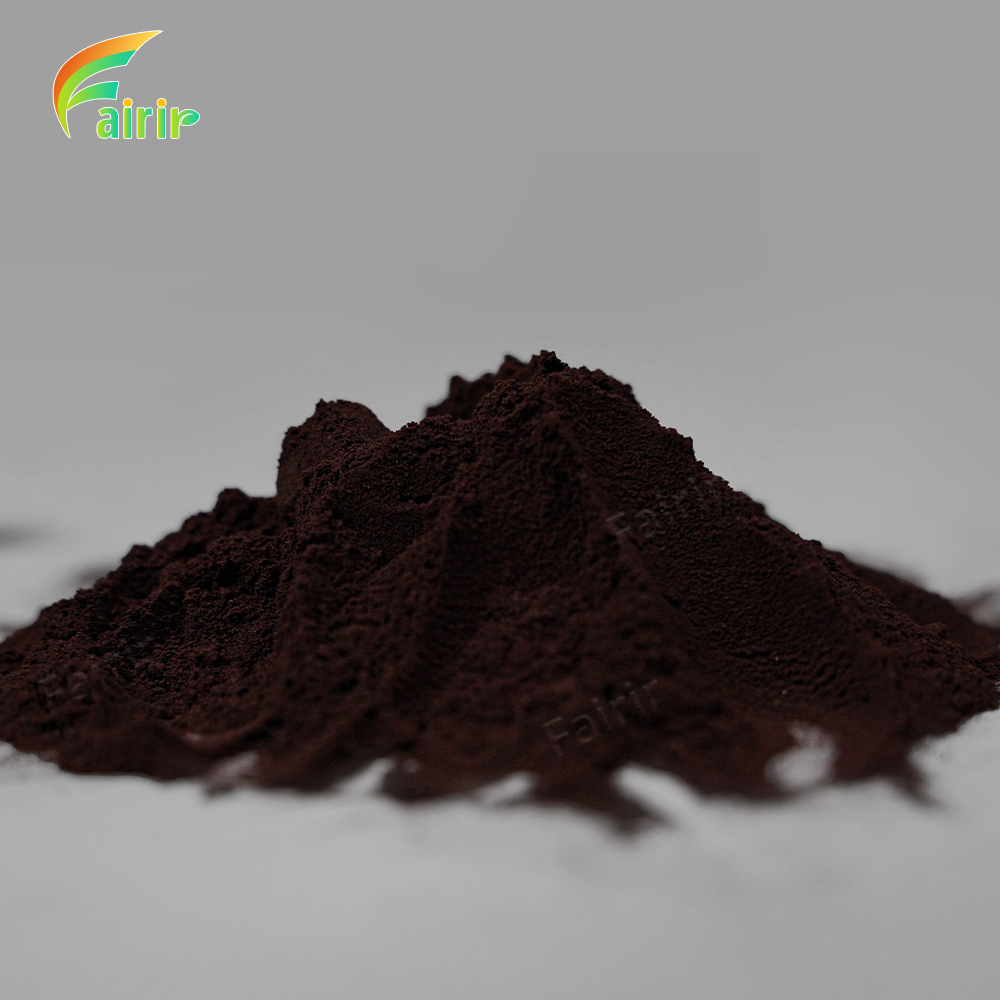
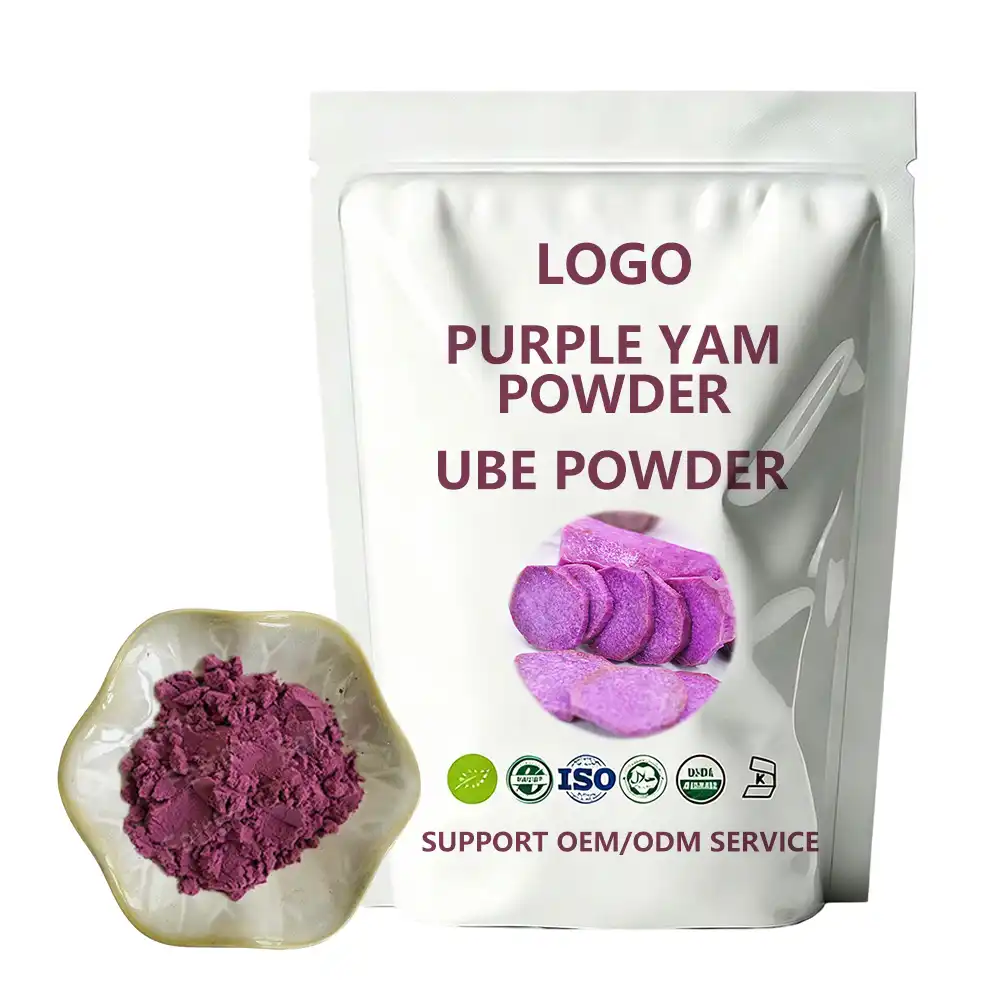
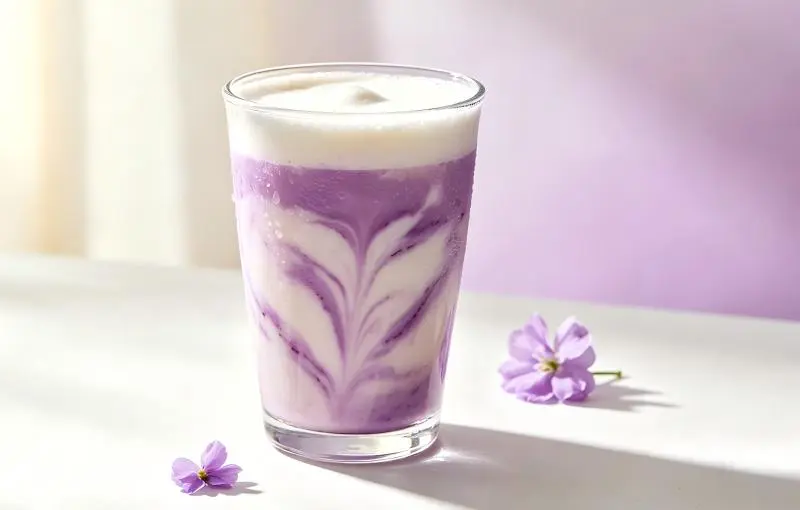
Ube Powder transforms ordinary lattes into visually stunning purple beverages through its concentrated anthocyanin pigments extracted from purple yam (Dioscorea alata). It turns a bright violet color when mixed with hot milk or water because these natural compounds spread out evenly in the liquid. No artificial dyes are needed. The powder is easy to mix with drinks because it has small particles. Its natural flavor is slightly sweet and earthy, which goes well with cheese and espresso.
What Is Ube Powder and Why Is It Ideal for Naturally Purple Lattes?
Origin and Production Process
It takes a lot of care to dry and grind purple yam juice into Ube Powder. The color of the juice comes from healthy anthocyanins that are kept. Most yams are grown in Southeast Asia. It is dried until the wetness level drops below 5% after being washed, peeled, and worked on with steam. Because the production is always the same, the concentration of the pigments stays the same. People who buy in bulk need to know this so they can be sure that each batch will work well.
Shaanxi Fairir Biotech uses ultra-micro pulverizers and vacuum belt dryers to get particles smaller than 80 mesh. This makes it easy to mix the bits with drinks. The powder mixes quickly with both hot and cold liquids because it is ground very finely. This is helpful because when making lattes professionally, bigger powders tend to stick together.
Nutritional Composition and Clean-Label Appeal
The powder is good for making healthy drinks because it still has the fiber, potassium, and vitamins that were in the whole yam. This ingredient comes from plants and fits in with the "clean label" movement that more and more Americans want. False purple dyes need a lot of information on the label, but this is not the same. The FDA says that Ube Powder is usually a natural way to color food. It's simple to follow the rules now.
People who make food and supplements try to use things that look good and are good for you. The amount of anthocyanin in 100 grams depends on how it was taken out of the raw material and how good it was. This chemical can be used to say that it is an antioxidant if the right proof is used to back up the claims.
Vegan-Friendly and Allergen-Safe Profile
There are more and more people who want to be vegan and free of allergens. Those needs are met by extracts from purple yam and other plants. It's easy for big allergens to mix with this powder because it has colorants or fillers made from dairy. This helps you follow the rules for marking better. It's best for companies that make food supplements because they can sell their goods to more people.
How Does Ube Powder Create a Vibrant, Naturally Purple Latte?
Anthocyanin Stability Under Heat Conditions
The anthocyanins in Ube Powder will stay put in hot weather much better than those in red cabbage or butterfly pea flower. Most of the time, mixing coffee is done between 65°C and 80°C. When cooked to this point, some of these things keep about 85–90% of their color. A lot of milk-based drinks stay stable between 5.5 and 6.5 on the pH scale. That makes them strong.
According to research published in food science journals, acylated anthocyanins are harder to break down than non-acylated forms, which are found in berries. A lot of purple yam has these forms. For instance, drink shops can keep freshly made ube lattes warm for up to 30 minutes without the color running, which comes in handy when there are a lot of customers.
Interaction Dynamics with Milk and Sweeteners
When Ube Powder comes in touch with dairy or plant-based milk replacements, the hydrophilic particles quickly soak up the liquid while releasing pigment molecules. Milk's fat content acts as a stabilizing agent, stopping pigments from precipitating, which can lead to uneven coloring. Because it better dissolves pigments, whole milk (3.5% fat) makes purple tones that are deeper than those made with skim milk.
Comparative Advantages Over Liquid Extracts
Compared to liquid ube extracts, powder forms are more stable on the shelf and cost less. For international distributors, it's harder to get concentrated extracts because they need to be kept cold and with preservatives to stop microbes from growing. Powder, on the other hand, keeps its pigment content for 18 to 24 months at room temperature if it is kept correctly. This lowers the risk of running out of stock and makes it easier to plan purchases.
With powder formulations, it's easier to get the right dose. For a normal ube latte, you need 3–5 grams of Ube Powder per 12-ounce dose. However, liquid extracts have different concentrations, so there are differences between batches. Automated beverage systems can accurately measure powder additions to within ±0.2 grams, which is necessary to keep the brand consistent across multiple locations.
Comparing Ube Powder Options for B2B Buyers: Quality, Cost, and Use Cases
Shelf Life and Storage Efficiency
When compared to fresh yam or frozen purees, which go bad within weeks even when kept cold, purple yam powder can be used for a longer time. When Ube Powder is sealed in moisture-barrier packing and flushed with nitrogen, it doesn't oxidize or clump for up to two years. This longer shelf life cuts down on waste for companies that make seasonal drinks and need reliable off-season stock.
After taking into account the time it takes to prepare, the amount of waste that needs to be cut down, and the amount that goes bad, powder formats are 40–60% cheaper per serving than fresh yam. Food service businesses that make more than 200 lattes every day find that powder forms cut the time it takes to prepare the drinks by about 15 minutes per service shift, which saves them measurable amounts of labor.
Quality Indicators and Certification Standards
When looking for purple yam extract, purchasing managers should look at a number of technical details. The amount of pigment, which can be found using UV spectrophotometry at a range of 530nm, should be between 2 and 4 percent anthocyanin for use in high-end drinks. Lower concentrations need higher doses, which changes the balance of flavors and the cost-effectiveness of the product.
GMP certification makes sure that companies follow standard rules for cleanliness and quality control. Our building has 14 stainless steel extraction tanks that range in size from 500 to 3000 liters. These tanks are equipped with constant countercurrent extraction systems that get the most out of the solvents while leaving the least amount of residue. Every batch should come with a proof of analysis that shows it has been tested by a third party for heavy metals (lead, cadmium, mercury) and microbial toxins.
Organic Versus Conventional Processing Trade-offs
Organic Ube Powder costs 25–35% more than regular Ube Powder, but brands that want to attract health-conscious customers like it. Certification rules limit the amount of pesticides that can be used during cultivation and forbid synthetic processing aids, which leads to cleaner residue profiles. But organic outputs are usually 15 to 20 percent lower, which makes it harder to keep up supply during times of high demand.
Conventional handling gives you more options for where to get your supplies and makes them available all year long. Our network of suppliers covers many growing areas, which lets us keep a buffer stock that saves us in case a crop fails or there are regular gaps. When buyers have to choose between price and quality, they usually go with conventional grades for new products and then switch to organic versions once the market accepts them.
Procurement Guide: How to Buy and Store Ube Powder Efficiently
Supplier Evaluation Beyond Pricing
To find reliable sources, you need to look at their production capacity, quality management systems, and how quickly they respond to communication. Suppliers who use more than one extraction line with automated controls are more consistent than those who only use one line, which is more likely to have equipment break down. Our three fully automatic production lines are 98% efficient, which means we can meet requests from 25 kg to multi-ton contracts without lowering the standard.
Minimum order amounts are very different from one provider to the next. Smaller wholesalers may set minimum order quantities (MOQs) of 100 to 500 kg, which is fine for boutique brands. Larger makers, on the other hand, look for suppliers who can ship pallets of goods (500 to 1000 kg) with predictable wait times. Shaanxi Fairir Biotech can handle both situations because they have flexible mixing and storage plans that work with the production routines of its customers.
Logistics Considerations for International Shipments
When shipping Ube Powder from Asia to North America, it takes 25–35 days by ocean freight or 5–7 days by air freight. If the stability of the package is compromised, changes in temperature during transport can speed up the absorption of moisture. We use triple-layer aluminum foil bags with desiccant packets inside corrugated cartons, which have been shown to keep products stable even when they are shipped in the summer.
To avoid delays in clearance, the goods must be correctly labeled under HS code 2106.90 (food preparations not otherwise stated) on the customs paperwork. Having all the necessary paperwork, like phytosanitary certificates, certificates of origin, and non-GMO declarations, makes the border process go more quickly. Our export team works with freight forwarders who know how to handle the logistics of botanical extracts so that landing costs and transport risks are kept to a minimum.
Storage Protocols to Preserve Quality
Once you receive your investment, keeping it in the best possible storage conditions will keep it safe. Ube Powder should be kept in places that are controlled for temperature and humidity, between 15°C and 25°C. Moisture makes substances like flakes and colors break down, which makes drinks look bad and not work as well.
When you reseal an opened package, make sure there is very little room so that air doesn't get in. Sealing partially used bags with a vacuum sealer makes them last longer. Using first-in, first-out inventory movement keeps older stock from going bad before it should. Put a date of receipt and a lot number on each container so that problems with quality can be tracked.
Leveraging Ube Powder in Product Development and Menu Innovation
Applications Beyond Beverage Formulations
While purple lattes show how the ingredient looks, Ube Powder shows how it can be used in a lot of different types of products. In bakery uses, it stays true to color even when baked at temperatures up to 180°C, so purple bread, cakes, and desserts stay bright. Because the powder is naturally sweet, it cuts the amount of added sugar needed in dessert recipes by 5 to 10 percent.
Market Trends Driving Demand Growth
People in both Europe and the US want naturally colored foods more than ever because they want to eat foods that look different. Photogenic foods become more popular on social media sites, which opens up marketing possibilities for brands that offer unique color arrangements. By 2027, the global market for natural food colorants is expected to be worth $3.2 billion. Purple pigments are expected to be a fast-growing part of this market.
Clean-label programs backed by big stores push manufacturers to be more open about what's in their products. Products with Ube Powder can list "colored with purple yam" on the labels, which helps customers who want to know what's in their food. Millennials and Gen Zers, who value sincerity and sustainability, are especially affected by this trend when they decide what to buy.
Strategic Ingredient Forecasting
Product development teams do better when they build long-term relationships with trustworthy extract suppliers. Powder costs can change by 15 to 25 percent a year because of changes in the prices of raw yams that happen with the seasons. This is why fixed-price contracts are good for budget planning. Our procurement team keeps an eye on crop conditions in all the growing areas and lets us know ahead of time if there might be supply problems that make it impossible to fulfill orders.
Lead times for innovation pipelines that use Ube Powder should include 6 to 8 weeks for testing the first sample and 10 to 12 weeks for large-scale production orders during busy times. Getting in touch with providers early on in the research and development process lets you change the particle size, pigment concentration, or carrier blends to fit the needs of a particular application. This collaborative approach cuts down on the time needed to re-formulate and speeds up the time it takes to get new products on the market.
Conclusion
B2B users in the food, beverage, nutraceutical, and skincare industries can rely on Ube Powder to provide natural color and useful benefits. Its anthocyanin stability, long shelf life, and clean-label profile meet important buying goals while letting products stand out in a unique way. When you choose providers with GMP-certified facilities, thorough quality testing, and flexible production capacity, you can be sure of consistent performance that meets both legal requirements and customer expectations. Strategic partnerships for sourcing ingredients and following the right storage rules help keep ingredient values high all along the supply chain.
FAQ
What concentration of Ube Powder produces the best latte color?
To get a bright purple color, most commercial recipes call for 3–5 grams of Ube Powder per 12-ounce latte. Higher amounts (6–8 grams) make the violet tones darker, but they may make the earthy taste stronger than what the customer wants. The best way to get reliable results is to test different types of milk and different temperature settings.
How does pH affect the purple color in beverages?
The anthocyanins in purple yam extract change color depending on the pH level. They look purple-blue at normal pH (6.5–7.0) and pink-red when the pH level drops below 5.0. Normal lattes naturally keep the right pH levels, but adding things like citrus syrups or extra vitamin C may change the color. When acidic ingredients are needed, buffering agents can keep the color stable.
Can Ube Powder replace artificial colorants in existing formulations?
Because natural pigments and synthetic dyes behave differently, direct substitution needs new testing. Unlike flavorless fake colors, Ube Powder adds a mild flavor and slightly changes the texture through its fiber content. But its clean-label appeal and ability to do more than one thing often mean that recipe changes are necessary. Our expert team gives recipe advice to make this change easier while keeping the performance of the product the same.
What certifications should B2B buyers prioritize?
GMP certification shows that the product meets high standards for quality, while organic certification appeals to more expensive customers. Testing for heavy metals, herbicides, and microbes by a third party is an important way to ensure safety. Having ISO 22000 food safety management certification means that risks are controlled in a planned way. Ask for proof of analysis with every package to make sure they meet your quality standards.
Partner with Fairir for Premium Ube Powder Supply
The 10,000-square-meter building that Shaanxi Fairir Biotech Co., Ltd. runs is GMP-certified and has high-tech tools for extraction and analysis, such as HPLC, UV spectrophotometry, and rotary evaporators. Our 14 stainless steel extraction tanks and three fully automatic production lines make sure that the quality of each batch of Ube Powder and other botanical extracts is the same. As a provider of Ube Powder with a lot of experience, we can make formulas, private label, and offer quick technical support that meet the needs of the food, cosmetics, nutraceutical, and pharmaceutical industries. Get in touch with our team at sales@fairirbiotech.com to talk about your buying needs and get detailed product specifications and competitive prices for working together in the long term.
References
1. Rodriguez-Amaya, D. B. (2019). "Natural Food Pigments and Colorants." Current Opinion in Food Science, Volume 7, Pages 20-26.
2. Lim, T. K. (2016). "Edible Medicinal and Non-Medicinal Plants: Volume 9, Modified Stems, Roots, Bulbs." Springer Netherlands Publishing.
3. Wrolstad, R. E., & Culver, C. A. (2012). "Alternatives to Artificial Food Colorants." Annual Review of Food Science and Technology, Volume 3, Pages 59-77.
4. Montilla, E. C., et al. (2021). "Anthocyanin Stability and Degradation Mechanisms in Food Systems." Critical Reviews in Food Science and Nutrition, Volume 61, Issue 3.
5. Cevallos-Casals, B. A., & Cisneros-Zevallos, L. (2018). "Processing and Storage Effects on Anthocyanin Composition and Concentration in Purple-Fleshed Root Crops." Food Chemistry, Volume 245, Pages 1265-1273.
6. Giusti, M. M., & Wrolstad, R. E. (2003). "Acylated Anthocyanins from Edible Sources and Their Applications in Food Systems." Biochemical Engineering Journal, Volume 14, Issue 3, Pages 217-225.