How Is Apple Fiber Powder Used in Bakery Products?
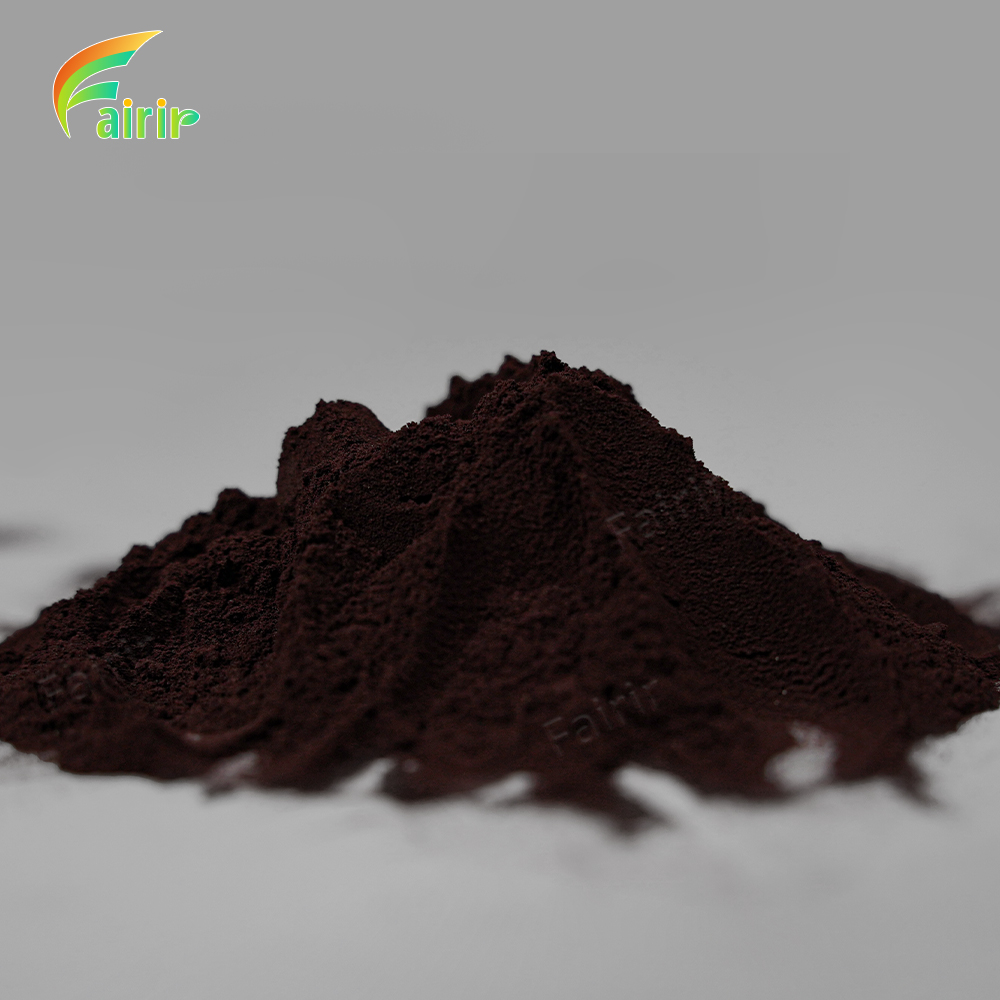
Apple fiber powder is a brownish-yellow, concentrated substance made from apple pomace, which is the fibrous residue left behind after juice is extracted from apples. It is a multi-dimensional ingredient for bakery applications: it replaces part of flour, binds moisture in dough, enhances crumb structure, and increases shelf life organically. Apple fiber powder is rich in both soluble pectin and insoluble cellulose, enhancing the nutritional profile of breads, cakes, muffins and cookies without affecting flavor. Adding apple fiber powder to manufacturing lines is a clean-label, functional enhancement for food makers and B2B formulators that fulfills today’s consumer health standards.
Understanding Apple Fiber Powder in Bakery Applications
Apple Fiber Powder is a standardised pomace-derived fibre ingredient, specified at 60% or 98% fibre, that binds a lot of water because it contains both soluble pectin and insoluble cellulose. Made from apple pomace that would otherwise be discarded, it is dried and micronised into a stable, free-flowing powder, and this water binding leads to softer bread crumb and less stickiness in baked goods.
Water-binding values depend heavily on grade and test method. Apple pomace powders with more than 50% total dietary fibre showed water-holding capacities of 11.7 to 18.3 g/g in one study, and adding 5% to 15% to wheat dough raised water absorption and lengthened dough development time (Kohajdová et al., 2014). Commercial specifications use different methods, so ask suppliers for the assay used and validate in your own dough system. Published work also shows the trade-off: in biscuits, 5% apple pomace powder was acceptable in sensory tests, while 10% and 15% reduced volume, thickness and spread (Kohajdová et al., 2014), and cake studies reported lower volume as replacement rose (Sudha et al., 2007). A 2012 review summarised the wider evidence on high-fibre baked products (Ktenioudaki & Gallagher, 2012).
The pectin fraction is a soluble fibre that gut bacteria can ferment, and in vitro work suggests prebiotic potential, but evidence for blood-sugar or gut-health benefits in finished baked goods is limited, so keep nutrition messaging to fibre content and let regulators' claim rules guide wording.
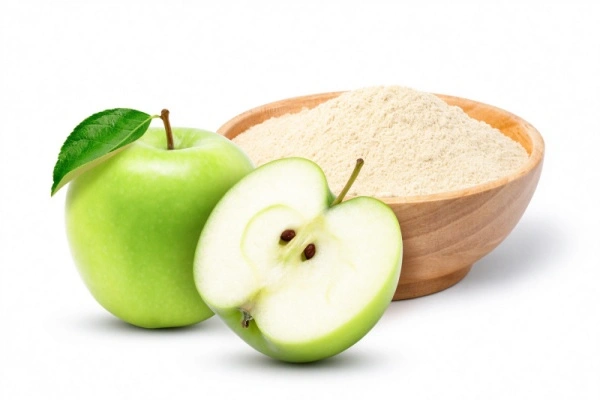
Organic Apple Powder Versus Apple Fiber Powder in Baking
Organic apple powder is a dried whole-fruit ingredient used for flavour and natural sweetness, whereas organic apple fiber powder is a standardised fibre fraction used for fibre fortification, water binding and texture. Searches and spec sheets often mix them up, so confirm the declared fibre content before buying.
|
Attribute |
Organic apple powder |
Organic apple fiber powder |
|
Composition |
Dried whole apple including fruit sugars |
Fibre fraction of apple pomace, standardised at 60% or 98% fibre |
|
Main role in baking |
Apple flavour, colour and natural sweetness |
Fibre fortification, moisture binding and crumb structure |
|
Fibre claim potential |
Lower fibre per gram and not standardised for fibre |
Specified fibre content supports claim calculations |
|
Typical declaration |
Apple powder |
Apple fibre |
How to Use Apple Fiber Powder in Bakery Products: Practical Guidelines
When adding Apple Fiber Powder to baking recipes, it's important to keep the water balance in mind. Depending on the type of product and the amount of fiber that is wanted, substitution rates are usually between 3 and 10 percent of the total weight of the flour. Apple Fiber Powder absorbs a lot more water than wheat flour, so formulators have to add about 10 to 15 percent more water to the dough to keep it workable.
Before mixing, pre-hydrating the powder by blending it with the liquid for 5 to 10 minutes stops it from lumping and spreads the fiber particles out evenly in the dough. This step also stops water from competing with yeast during fermenting, which could stop it from working. A study published in Food Chemistry (2020) found that adding up to 8% properly hydrated apple fiber did not hurt the fermentation of yeast-leavened dough when the amount of water was changed [2].
Most of the time, it works well with popular bakery materials. Apple Fiber Powder works well with whole grain flours, natural sweeteners, veggie fats, and wheat flour. Flaxseed or chia fiber can sometimes have sour or green tastes, but this one doesn't. This makes it much more acceptable to a wider range of consumers.
Here are some core program standards that bakery formulators always trust:
- Bread and rolls: a 5–8% replacement makes the crumb softer and the freshness last 2–3 days longer than with the control loaves, which allows for longer store shelf windows.
- Muffins and quick breads: adding 6–10% improves moisture retention and gives the food a slightly denser, pleasing structure that people associate with healthy ingredients.
- Cookies and biscuits: 3–5% of fiber in cookies and biscuits lowers spread, tightens crumb structure, and supports a clean-label "high fiber" claim on packages for health-focused SKUs.
While these standards are a good place to start, the exact ratios should be confirmed through pilot tests that are tailored to the production environment and the product specification.
Comparing Apple Fiber Powder with Other Bakery Fiber Options
Fibre sources differ in how they bind water, how they taste and how efficiently they contribute fibre, so the best choice depends on the function and the claim you need.
|
Fibre source |
Main fibre type |
Water and gel behaviour |
Flavour |
Bakery role |
|
Apple fiber powder |
Pectin and cellulose |
High water binding; particulate, not a viscous gel |
Mild, slightly sweet |
Moisture, crumb structure and light flour replacement |
|
Psyllium husk |
Mainly arabinoxylan (soluble) |
Forms a viscous gel; can feel sticky at higher levels |
Stronger |
Binding and thickening |
|
Oat fibre (hull) |
Mainly insoluble cellulose and hemicellulose |
High water absorption |
Light grainy taste |
Moisture and bulk |
|
Inulin |
Fructan (soluble) |
Dissolves; adds little structure |
Slightly sweet |
Sugar reduction and prebiotic positioning |
|
Flaxseed |
Fibre plus oil |
Forms mucilage |
Nutty, earthy |
Fibre with omega-3; visible seeds |
|
Chia seed |
Fibre plus oil |
Forms gel |
Near neutral |
Fibre with omega-3; visible seeds and gel |
In practice, Apple Fiber Powder sits in the middle: its mild flavour and light colour blend into most baked goods, and it contributes both soluble and insoluble fibre, unlike oat fibre, which is mostly insoluble. Cost comparisons should be made per gram of fibre delivered, not per kilogram of ingredient, because psyllium and inulin carry different fibre contents and the grade of apple fibre changes the result.
Procurement Insights for Apple Fiber Powder in Bakery Manufacturing
Finding Apple Fiber Powder for making baked goods requires a careful review of potential suppliers. Certification files are very important, especially for goods that will be sold in the US and EU. Large buyers need suppliers who have the right compliance infrastructure, like Kosher, HALAL, USDA Organic, ISO22000, FSSC22000, HACCP, and cGMP certifications. The EU Organic and EcoCert certifications make it easier to get into high-end natural and organic stores.
Minimum order amounts and wait times have a big impact on planning how to make things. Apple Fiber Powder providers that you can trust usually have flexible MOQs, ranging from small trial runs to 25 kg fiber drums with double-layer food-grade poly bag liners. This lets formulators test the product before committing to full production volumes. Standardized production lines that can remove up to 98% of the material efficiently help the processing turn around time of 1 to 3 working days. This keeps the supply chain as smooth as possible. Verified quality paperwork, such as full COA reports made by HPLC, UV, and GC testing, gives buying teams the traceability proof that regulators are asking for more and more.
Bakery brands can choose the particle size, purity grade (60% or 98%), and packaging format (from 1 kg vacuum aluminum foil bags to bulk fiber drums) that best fits their production needs through private label and OEM customization.
Best Practices and Future Trends in Apple Fiber Powder Use for Bakery Products
To get the most out of Apple Fiber Powder, you have to do iterative preparation work. Bakers should test fiber levels slowly, starting at 3% and going up until they reach a level where the texture and taste are still acceptable to customers. Adding natural humectants like honey or glycerin to Apple Fiber Powder helps keep wetness in without adding any chemicals, which supports the clean-label stance.
For market access, regulatory alignment is a must. In the US, the FDA says that apple pomace derivatives contain pectin and cellulose, which means that labels can say "good source of fiber" or "high fiber" as long as the right amounts of these substances are present [3]. Similar nutrition claims can be made on all European markets under EU Regulation (EC) No 1924/2006.
The market for useful bakery products is still going strongly up. The global dietary fiber market was worth USD 5.45 billion in 2022, according to Grand View Research (2023). It is expected to grow at a CAGR of 9.6% through 2030, thanks to higher demand for ingredients that help with weight loss and gut health [4]. Fiber from apples is a good example of something that can take advantage of this increase because it is both eco-friendly and useful.

Conclusion
Apple Fiber Powder has proven itself to be a useful and flexible addition in modern baking. It's a great choice for bread, muffin, and cookie makers because it helps keep moisture in, extends shelf life, improves crumb structure, and backs up clean-label nutrition claims. As the demand for fiber-rich, lightly processed baked goods keeps growing, procurement teams that build strong relationships with suppliers now will have a big edge in the market. The key difference between formulation risk and regular product performance is choosing a provider with proven quality systems and certifications.
FAQ
Q1: What is the best amount of Apple Fiber Powder to use in baking recipes?
Between 3% and 10% of flour weight is a common texture-driven range, with 5% to 8% for breads, 6% to 10% for muffins and 3% to 5% for cookies, and higher levels can reduce volume and spread. Add about 10% to 15% more water as a starting point, and confirm in pilot trials.
Q2: How much Apple Fiber Powder is needed for a fibre claim?
In the US, "good source" needs 2.8 g of fibre per serving and "high" needs 5.6 g, so you need about 4.7 g (60% grade) or 2.9 g (98% grade) of powder per serving for "good source", and about 9.3 g or 5.7 g for "high", if all fibre comes from the powder. Typical bakery replacement rates in a 50 g serving often fall below these amounts.
Q3: Does Apple Fiber Powder change the way baked goods taste?
It has a mild, slightly sweet flavour that blends into sweet and savoury baking at typical rates, although high levels can add a fruity note and darker colour. Flaxseed has a nutty, earthy flavour, whereas chia is near neutral.
Q4: What approvals should I look for in organic apple fiber powder?
For organic apple fiber powder, ask for the organic certificate (USDA Organic, EU Organic or EcoCert) and confirm its scope, along with cGMP, ISO 22000, FSSC 22000, HACCP, HALAL or Kosher certificates for your markets. Certificates show quality systems and compliance, and each covers a different thing.
Q5: Is Apple Fiber Powder free of gluten and other allergens?
Apple fibre is naturally gluten-free because it is made from apples, but confirm the supplier's gluten-free and allergen documents and facility controls, especially for celiac or allergen-sensitive products.
Q6: What is the difference between organic apple powder, organic apple fiber powder and an apple fiber supplement?
Organic apple powder is a dried whole-fruit ingredient used for flavour and sweetness, organic apple fiber powder is a standardised fibre fraction (60% or 98%) used for bakery fibre and texture, and an apple fiber supplement is a finished supplement format that uses the fibre ingredient in capsules, sachets or drink mixes under supplement labelling rules.
Partner with Fairir for Premium Apple Fiber Powder Supply
Fairir sells Apple Fiber Powder for sale that meets the high standards of bread makers around the world. Our GMP-certified plant in Xi'an has 3 fully automatic production lines and an extraction rate of 98%, which makes sure that each batch is the same. Fairir helps you with your formulation needs from small samples to large-scale production. It is available at 60% and 98% purity and has full certification coverage, including Kosher, HALAL, USDA Organic, and FSSC22000. Go to our website or email our team at sales@fairirbiotech.com to get your free sample right away.
References
1. Ktenioudaki, A., & Gallagher, E. (2012). LWT – Food Science and Technology. "Recent advances in the development of high-fibre baked products."
2. Collar, C., & Bollain, C. (2020). Food Chemistry. "Impact of dietary fiber additions on dough rheology and bread quality."
3. U.S. Food and Drug Administration. (2018). "Dietary Fiber."
4. Grand View Research. (2023). "Dietary Fiber Market Size, Share & Trends Analysis Report."
5. Rößle, C., Brunton, N., Gormley, R. T., & Butler, F. (2011). Journal of Food Science. "Characterization of apple pomace as a functional ingredient for food product development."
6. European Commission. (2006). Regulation (EC) No 1924/2006 on Nutrition and Health Claims Made on Foods.