_1751965378790.webp)

How Is Matcha Powder Used in Bakery and Confectionery?
Matcha Powder is a natural green color, an earthy flavor, and functional health benefits in bread and confectionery creations. This premium ingredient from shade-grown Camellia sinensis leaves provides depth to cakes, cookies, chocolates and pastries while satisfying consumer desire for clean-label, antioxidant-rich recipes. Its ultra-fine particle size — usually 1,000 to 2,000 mesh — allows it to disperse smoothly in batters and doughs to create visually appealing goods with consistent flavor profiles for health-conscious clients throughout the globe.
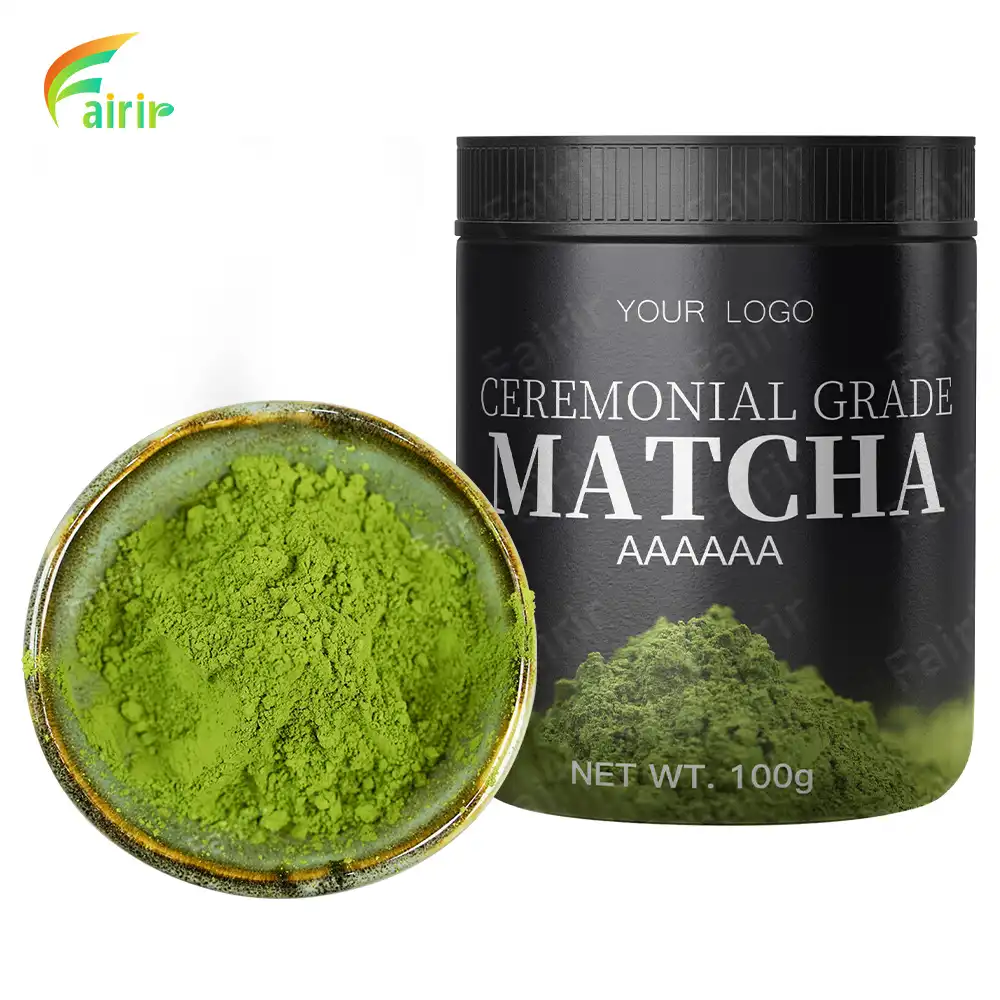
Overview of Matcha Powder in Bakery and Confectionery
You need to know the difference between authentic Matcha Powder and green tea powder when you are preparing elegant baked products and sweets. Shade causes tea plants to produce a surplus of chlorophyll and L-theanine during the 20 to 30 days before they are plucked. They have a vibrant color and taste called umami, which you won't find in any other tea.
What Makes Matcha Powder Special?
Real Matcha Powder is crushed on a cold granite stone to safeguard the beneficial phytonutrients and volatile aromatic ingredients. We treat it with care to get a functional, water-soluble substance with enhanced antioxidant capacity. This allows the product to stand out in areas with strong competition by providing additional catechins such as EGCG (epigallocatechin gallate). It's easy to produce business meals, but occasionally things go wrong with the cuisine. The secret approach to creating it ensures that each batch will be the same color and taste.
Nutritional and Functional Benefits
JAS states that high-quality Matcha Powder should include more than 2% L-theanine and at least 5% total catechins. These molecules provide you with long-lasting energy without the jitters you get with coffee. This makes matcha-infused items desirable for those who watch their health. The green color, measurable in the CIELAB color space with high negative a* values, indicates that the molecules are still intact and the substance has a strong antioxidant potency, which confirms the health claim.
Ceremonial vs. Culinary Grade Selection
The funds and the goals of the application will determine whether official or cooking grades are best. Ceremonial grade has a light taste and bright color that make it perfect for fine sweets where Matcha Powder is the main ingredient. The taste of culinary grade is strong, can handle high temperatures, and mixes well with other things. It can be made in large quantities without breaking the bank and still has important, useful properties. When standardizing recipes to get reliable production results, procurement experts should weigh the taste qualities against the price-performance ratios.
Core Functional Roles of Matcha Powder in Bakery and Confectionery
By adding Matcha Powder to baking recipes, a number of technical issues can be fixed, and the product is better positioned. This versatile item does a lot of important tasks besides just adding flavor. It helps with speed and what the customer wants.
Natural Flavor Enhancement and Color Stability
Matcha Powder is naturally sweet and smells like plants. It goes well with chocolate, butter, and cream bases without taking away from the main tastes. Because it is high in chlorophyll, it gives steady green colors that can handle mild heat when baking, unlike synthetic colorants. As long as the right keeping rules are followed, the natural color will stay bright for a long time. There is no longer any need to worry about artificial dye marking, which is a bigger issue for both customers and regulators.
Texture Modification in Doughs and Batters
What happens to the micro-particle structure of the Matcha Powder when you mix fats and sugars with properly ground Matcha Powder? It changes how quickly the dough softens and how thick the batter is. This interaction makes the right mouthfeel, like when cakes are a little thick, cookie ends are crisp, and filled sweets have smooth ganaches. By knowing these effects on structure, formulators can change the amounts of water used and the amount of time mixed to make sure that production is uniform across batches while still meeting standards for quality.
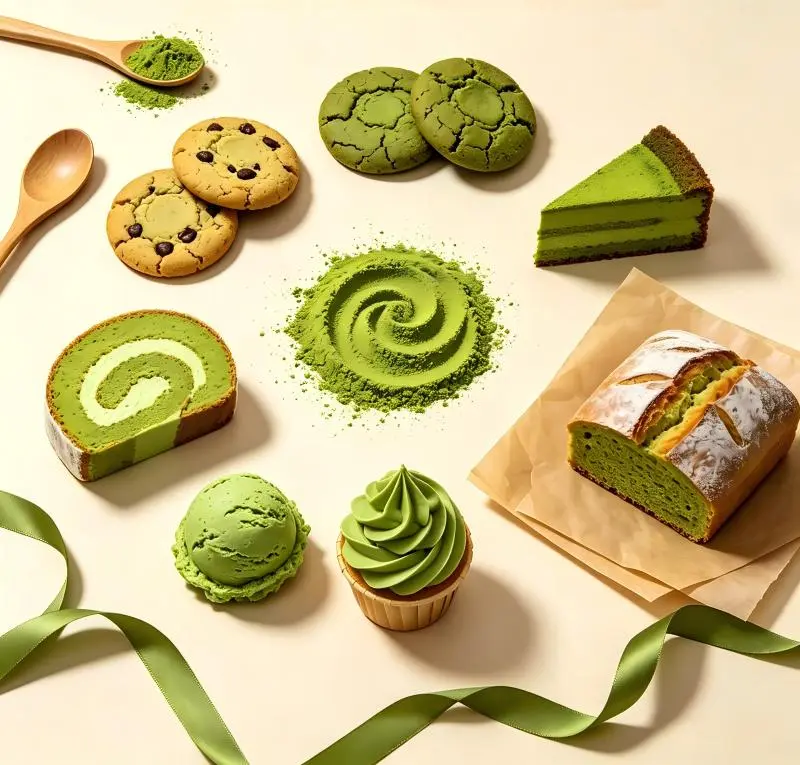
Antioxidant Profile for Product Differentiation
The catechins in the food give it some antioxidant power, which backs up its claim to be a functional food. Products made with good Matcha Powder can honestly say they are healthier than regular sweets. This makes them appealing to people who care about their health without giving up treats. Value deals for high-end product lines aimed at picky customers are very appealing because they offer both delicious taste and health benefits.
Techniques and Best Practices for Incorporating Matcha Powder
To successfully add Matcha Powder, you need to pay attention to the little things that keep the quality good and make sure that each batch is the same. Production teams can avoid making these mistakes and get the most out of each ingredient with these helpful tips.
Supplier Selection and Quality Verification
The first step in effective sourcing is to check the supplier's qualifications and the product specs. It is best to work with companies whose plants are GMP-certified and have HPLC and UV spectrophotometry to check the ingredients. Microbes and enzymes that break down food can't grow when the wetness level is below 4%. This is bad for the color and taste of the food. If the ash content is less than 8%, there isn't much pollution. Checking the particle size distribution ensures that the solution works well in liquids and that the solids have an even color distribution.
Proper Measurement and Mixing Protocols
Sift the Matcha Powder before adding it, and then add it slowly to the wet ingredients while mixing all the time. This will keep the Matcha Powder from clumping. For baked goods, the amount used is usually between 1 and 3 teaspoons per cup of flour. This can be changed depending on the color and taste you want. You can get rid of green streaks or spots that make baked goods look bad by mixing Matcha Powder with small amounts of liquid or fat before adding it all in. This will make smooth pastes that spread out evenly in batters.
Here are proven techniques that enhance mixing efficiency:
- Pre-sifting: Run the Matcha Powder through fine mesh screens to get rid of any lumps that formed during storage and make sure that the individual pieces are spread out evenly.
- Fat binding: Before adding the Matcha Powder to the dry ingredients, mix it with melted butter or oil to make it stick together. Due to the solubility of lipids, the ingredients will not stick together as water would.
- Temperature control: Don't let the water for making Matcha Powder get hotter than 85°C. The catechins will stay steady, and the color won't turn brown.
- Sequential addition: There is less time for oxidation when ingredients are added in a certain order, like when Matcha Powder is added in the middle of mixing instead of with the dry ingredients at the start.
These techniques collectively improve production outcomes by standardizing color development and flavor consistency across manufacturing runs, reducing waste from rejected batches.
Storage Conditions for Freshness Preservation
The surroundings should be strictly controlled to maintain the quality of Matcha Powder. Store in sealed containers in a cool, dark, dry place, preferably below 5°C. It cakes up with humidity and is hard to measure right. However, oxidation has the effect of dulling the color and making bland meals bitter. When you vacuum-seal and fill a product with nitrogen, you safeguard the volatile aromatic compounds and bioactive phytochemicals that make fine Matcha Powder distinctive. This greatly extends the life of the Matcha Powder.
Case Studies: Successful Matcha Powder Applications in Commercial Bakery and Confectionery
Matcha Powder can be used in a lot of different types of products, as shown by real-life examples. These examples show both the technical ways and how the market responds to them. People use both of these to decide what to buy.
Matcha-Infused Cakes and Pastries
It made 34% more money for a European baking chain to sell matcha chiffon cakes than regular cakes. People who were looking for new experiences liked how light and airy the Matcha Powder was and how earthy and sweet it tasted. To make it work technically, the egg ratio had to be changed to take into account that Matcha Powder can soak up water. This kept the structure from drying out. People liked the natural products and the way the food looked in pictures, which made them talk to each other on social media.
Chocolate Confections and Truffles
Chocolate artists make sweets that look beautiful and taste complex by adding Matcha Powder to white chocolate ganaches. The mix has the right amount of creaminess from the chocolate and the green notes from the Matcha Powder to make complex flavors that are worth the high price. The amount of chocolate to Matcha Powder that works best is 2:1. This stops the taste from being bitter while still bringing out the Matcha Powder flavor. Processing below 45°C saves both the chocolate temper and the catechins in Matcha Powder. This gives the product snap and shine as well as health benefits.
Addressing Common Challenges
If the Matcha Powder is too strong or heated for too long, it will taste bitter. This problem can be fixed by adding less or adding it earlier in the mixing process. The color effect will still be there. The color fades in batters that sit around before they are baked. When you load the pan right away after mixing, the color stays bright. A good way to quickly fix recipe issues and avoid production delays and ingredient waste is to work with sources that have a lot of experience and can offer technological help.
Strategic partnerships with approved Matcha Powder sources ensure stable quality and low costs when you buy in bulk. Subscription shopping keeps stock moving without buying too much because Matcha Powder doesn't last long. By making businesses more efficient, product prices go up while quality standards stay the same, which is what keeps customers coming back.
Procurement Guide for Matcha Powder in B2B Bakery and Confectionery Operations
The quality of your goods, the security of your supply chain, and your long-term income will all depend on where you buy them. A methodical way to review sellers and get the most out of their buying strategies is shown in this guide.
Verifying Authenticity and Certifications
Real Japanese Matcha Powder comes with proof that it was grown in places that are known for making great tea. Growing plants without pesticides is becoming more and more popular among customers who care about the environment. This is shown by the rise of organic certifications. It looks good for a business to have sustainable buying certificates because they show that they care about the environment. To make sure the specs are right for the recipe, ask for lab analysis papers that show the amount of catechins, wetness, and microbes.
Price Analysis and Supplier Comparison
Matcha Powder prices change a lot based on the grade, where it comes from, and how much the seller sells. The prices for cooking grade range from reasonable to easy to afford, which makes it good for making a lot of food. And ceremonial grade costs a lot and is only worth it when the Matcha Powder tastes are strong. When you compare suppliers, you should look at the total cost, which should include shipping, the minimum order size, and how you can pay. Many times, well-known distributors give extra services, like expert help and special mixing, that make up for slightly higher unit costs by speeding up production.
Logistics and Supply Chain Optimization
When you buy Matcha Powder from another country, it's especially important that the shipping keeps the quality of the tea while it's in transit. Two flexible ways to buy things that balance the costs of keeping things and the risks of running out are just-in-time delivery and scheduled subscriptions. Making links with suppliers who can produce quickly and communicate clearly helps keep production schedules open. This way, formulas can be changed quickly based on what the market says without too many ingredients going bad too quickly.
Conclusion
When used to make baked goods and sweets, Matcha Powder is a great deal because it adds natural color, is healthy, and has a unique flavor that makes products stand out in crowded markets. To integrate well, you need to know the differences between grades, work in the right way, and work with providers you can trust to give you quality work every time. The technical information, like the minimum powder size and how to store it, helps production teams get the most out of Matcha Powder and avoid making common mistakes when making it. People are buying more and more treats with clean labels that focus on health. Adding Matcha Powder to products can help brands stand out as high-end while also giving real benefits.
FAQ
What grade of Matcha Powder works best for baking?
Cooking Matcha Powder is good for most bakery uses because it keeps its strong flavor even when heated and is still cheap enough to make a lot of it. You can taste the Matcha Powder flavor through the butter and sugar because the taste is a little stronger. If you want to make treats that don't need to be baked or use low heat, ceremonial grade is better because you can still tell the difference in taste. For big jobs, though, it's not as useful because it costs more.
How much Matcha Powder should I add to recipes?
You can change the amounts based on how strong you want the color and taste to be. The standard amounts are between 1 and 3 teaspoons per cup of flour. Add more slowly as you go along, since too much Matcha Powder makes things taste bitter. Remember that the color changes slightly when it bakes, so testing it out before baking helps you figure out how fast to add the cookies. It is important to record exact data so that each production batch gets the same results.
Does Matcha Powder lose nutritional value when baked?
At normal baking temps, some catechins break down, but the finished goods still have a lot of protective power. Research shows that when food is baked at normal temperatures (175–190°C) for normal amounts of time, it keeps 60–70% of its antioxidant power. Cutting down on cooking time and temperature helps keep more of the food. On the other hand, mixing it too much or leaving it hot for too long speeds up the loss process. Some ingredients are still useful in baked goods, even if they are used less than in regular recipes.
Partner with Fairir for Premium Matcha Powder Supply
Quality starts with sourcing decisions that balance performance against reliability. At Fairir, we understand the technical demands of bakery and confectionery manufacturing, which is why our Matcha Powder selling services focus on quality, speed, and stability. Our 10,000-square-meter GMP-certified facility employs advanced analytical equipment—including HPLC and UV spectrophotometry—to verify that every batch meets stringent specifications for moisture content, particle size, and catechin concentration.
Working with our experienced team means access to 14 stainless steel extraction tanks ranging from 500 to 3,000 liters, plus three fully automatic production lines achieving 98% efficiency. We maintain competitive pricing through optimized operations while never compromising the quality standards that define premium botanical extracts. Whether you need bulk quantities for ongoing production or custom formulations for product development, our technical experts provide consultation that helps you achieve target sensory profiles and functional claims.
Reach out today at sales@fairirbiotech.com to discuss your specific Matcha Powder requirements. We deliver fast responses, flexible ordering options, and transparent communication that builds lasting partnerships. Let us support your product innovation with reliable, high-quality Matcha Powder for sale backed by rigorous quality control and decades of extraction expertise.
References
1. Yamamoto, T., Juneja, L. R., Chu, D. C., & Kim, M. (2017). Chemistry and Applications of Green Tea. CRC Press.
2. Graham, H. N. (1992). Green tea composition, consumption, and polyphenol chemistry. Preventive Medicine, 21(3), 334-350.
3. Weiss, D. J., & Anderton, C. R. (2003). Determination of catechins in matcha green tea by micellar electrokinetic chromatography. Journal of Chromatography A, 1011(1-2), 173-180.
4. Keiko, U., & Takeo, T. (1995). Influence of green tea compounds on the production of odorant volatiles by Streptomyces species. Journal of Agricultural and Food Chemistry, 43(7), 1830-1833.
5. Horie, H., Ema, K., & Sumikawa, Y. (2005). Chemical components of matcha and powdered green tea. Journal of the Japanese Society for Food Science and Technology, 52(3), 127-131.
6. Alcázar, A., Ballesteros, O., Jurado, J. M., Pablos, F., Martín, M. J., Vilches, J. L., & Navalón, A. (2007). Differentiation of green, white, black, oolong, and Pu-erh teas according to their free amino acid content. Journal of Agricultural and Food Chemistry, 55(15), 5960-5965.