_1751965378790.webp)

How Is Matcha Powder Used in Modern Food and Beverage Applications?
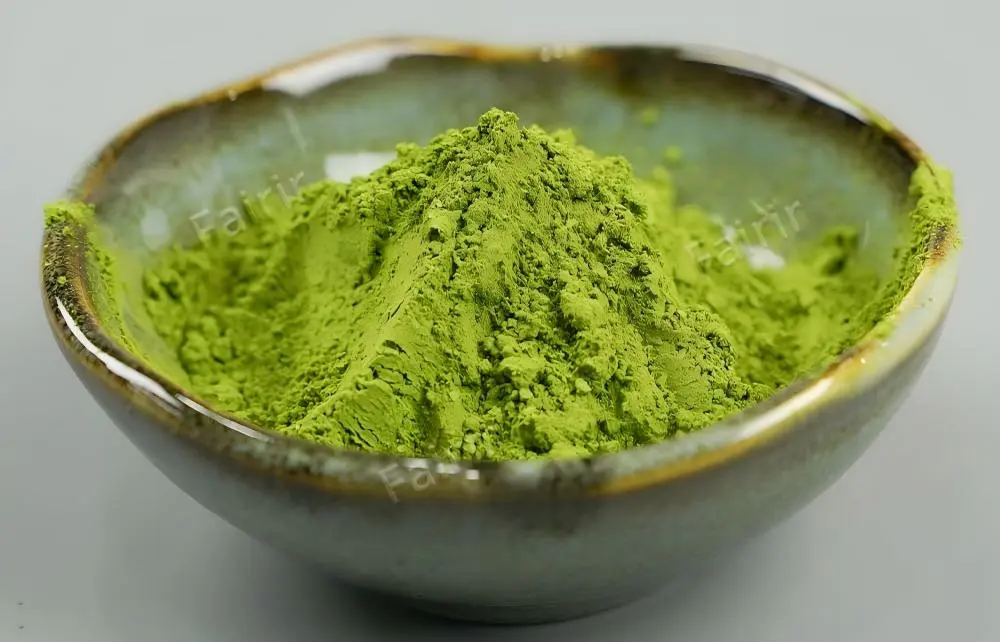
Matcha Powder has changed from a traditional Japanese drink used in ceremonies to a useful ingredient that is changing how foods and drinks are made today. This finely ground green tea powder comes from Camellia sinensis leaves that were grown in the shade. It gives producers a unique mix of bright color, umami taste, and bioactive compounds. Today's market is very competitive, so companies use Matcha Powder's natural vitamins, long-lasting energy, and clean-label appeal to come up with new products that health-conscious customers who want both great taste and wellness benefits will love.
Understanding Matcha Powder and Its Key Attributes
When it comes to making green tea, Matcha Powder is a specialty category that is set apart by its careful production methods. If you keep the plants in the shade for 20 to 30 days before you harvest them, the method causes changes in their bodies that greatly raise the amounts of chlorophyll and L-theanine. This stress reaction gives the powder its unique green color and complex taste.
Production Process and Quality Standards
The process starts with picking tencha leaves, which are then steamed right away to stop them from turning brown. After the leaves are deveined and destalked, they are dried in controlled conditions and then ground in traditional granite stone mills. This low-temperature milling keeps volatile aromatic chemicals and protects sensitive catechins from breaking down at high temperatures. Premium Matcha Powder has particles that are between 5 and 15 microns in size, which makes it easy to mix with liquids and gives final goods a smooth texture.
Ceremonial Versus Culinary Grades
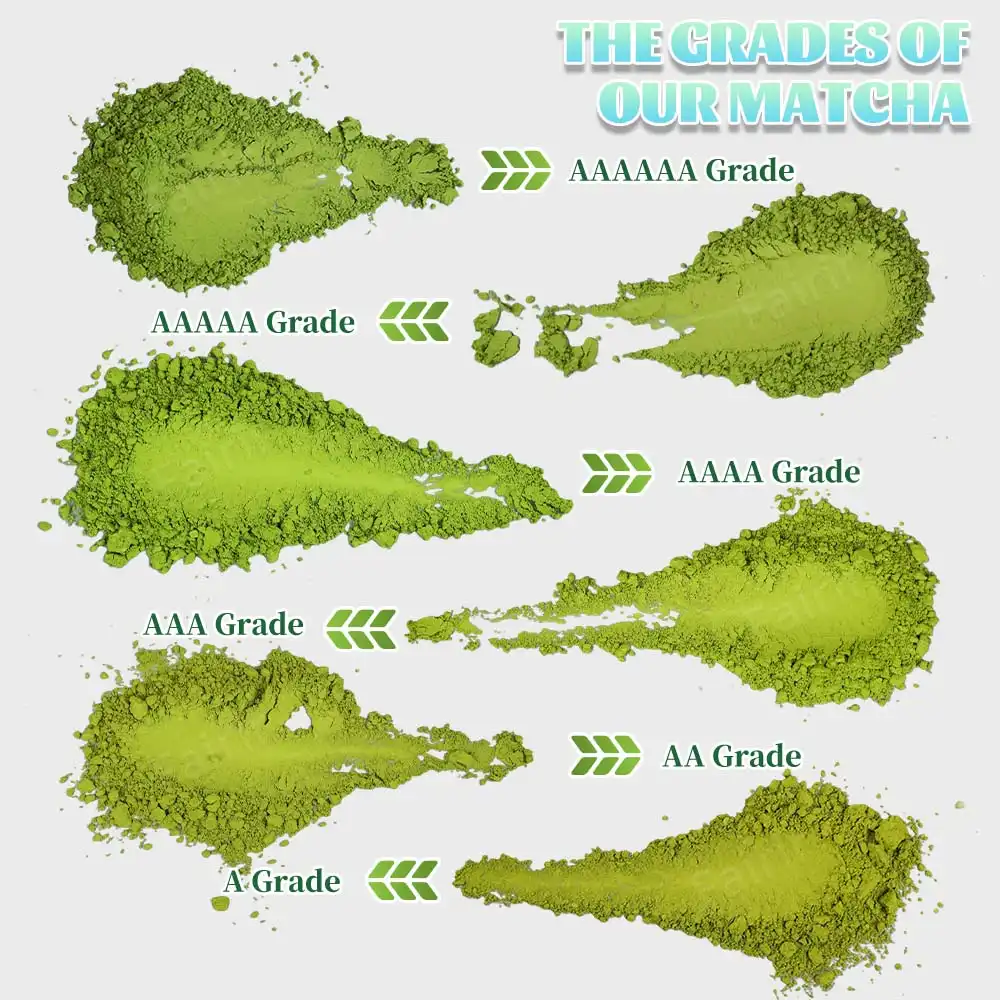
Knowing the differences between grades helps people who buy things match the specs of ingredients to the needs of applications. Ceremonial-grade Matcha Powder comes from the youngest leaves and has a light sweetness and little bitterness, making it perfect for high-end drinks and uses that don't need much processing. Culinary-grade Matcha Powder, which comes from leaves picked later in the season, has strong flavors that can stand up to being processed in baked goods, sweets, and savory dishes. Both grades still have useful properties, but special types are more expensive because they are harder to find and require a lot of work to make.
Functional Properties Setting Matcha Apart
Matcha Powder is different from other plant-based powders like algae or ginger because of the chemicals that make it up. When caffeine and L-theanine work together, they make you mentally alert for a long time without giving you the jittery feeling that coffee does. Catechin content, especially epigallocatechin gallate (EGCG), must be higher than 5% for antioxidant claims to be true. Keeping the moisture level below 4% protects against microbes and increases the shelf life while it is being stored and shipped.
Modern Food Applications of Matcha Powder: Versatility and Innovation
Manufacturers of food products like Matcha Powder because it can be used in a lot of different types of food and does more than just add taste. As a natural colorant, antioxidant booster, and physical change, the powder also adds nutritional value that supports marketing strategies that use clean-label.
Bakery and Confectionery Integration
Before you can put Matcha Powder in baked goods, you need to know how it reacts to heat. The powder can handle temps up to 180°C without losing much color, but bright green tones may become less lively if they are baked for a long time. Cookies, cakes, cupcakes, and desserts with Matcha Powder in them work well; the amount of Matcha Powder in these foods is usually between 1% and 3% by weight. Japanese companies were the first to make Matcha Powder chocolate candies, showing that fat-based grids can keep colors stable while reducing sourness by matching flavors that go well together.
Savory Food Formulations
Chefs and food scientists are exploring how to use Matcha Powder in spicy dishes as well as sweet ones. Manufacturers of noodles use the powder at amounts between 2% and 4% to make visually stunning pasta with light vegetable notes. Matcha Powder is used to add depth to dressings, marinades, and condiments because it has an umami taste that makes the total flavor more complicated. These uses show that Matcha Powder has the ability to make goods stand out in competitive market segments and appeal to people who like to try new foods.
Frozen Dessert and Dairy Applications
Manufacturers of ice cream are big users of culinary-grade Matcha Powder because it keeps its color over freeze-thaw cycles, which is important to them. Matcha Powder ice cream recipes usually use a powder content of 1.5% to 2.5%, with sweets added to smooth out the bitterness of the powder. Yogurt and smoothie bowl makers also use Matcha Powder's good looks and health benefits to make products that look good on Instagram and get people to interact with them and buy again.
Health and Functional Benefits Driving Matcha Adoption in Modern Products
Matcha Powder's health benefits are becoming more well-known, which increases demand for the ingredient in many different types of products. Traditional health claims are backed up by scientific study, which gives companies marketing ideas that educated customers can relate to.
Antioxidant Powerhouse for Wellness Positioning
Researchers in a lab have confirmed that Matcha Powder has a lot more antioxidants than brewed green tea. This is because people drink the whole leaf, not just the extracted chemicals. A good Matcha Powder has an ORAC value of more than 1,300 units per gram, which is higher than many superfoods that are sold for their antioxidant content. Nutraceutical companies can make vitamins and functional foods with free radical neutralization promises that are backed up by science because of this measured benefit.
Sustained Energy Without Crash Effects
The amount of caffeine to L-theanine in Matcha Powder gives it a special pharmacological profile that drink makers are looking for as an option to energy drinks. Matcha Powder has about 25 to 35 milligrams of caffeine per gram, but L-theanine levels above 2% slow down the absorption of caffeine, giving you energy slowly for four to six hours. Professionals who want to stay focused without getting sleepy in the afternoon will like this long-lasting effect, which makes Matcha Powder drinks a sophisticated alternative to coffee.
Certification and Quality Assurance Considerations
When reviewing Matcha Powder suppliers, procurement teams look for organic approval and testing by a third party. Certifications like USDA Organic, EU Organic, and JAS (Japanese Agricultural Standard) give consumers peace of mind about chemical residues, heavy metal poisoning, and the honesty of the production process. Manufacturers you can trust give you Certificates of Analysis that show the catechin profiles, particle size distribution, and microbiological safety factors that were tested using HPLC, UV spectrophotometry, and other analytical methods.
Choosing the Right Type of Matcha Powder for Your Food and Beverage Products
Strategically choosing ingredients strikes a balance between quality standards, application needs, and cost limitations. Knowing how grade traits affect the performance of the end product lets you make smart buying decisions that save money and make customers happy.
Matching Grade to Application Intensity
For delicate uses where Matcha Powder is the main flavoring, ceremonial grades are needed that have clean, sweet profiles without being harsh. Higher ingredient costs are justified by better customer experiences in things like premium lattes, formal tea services, and luxury candies. On the other hand, culinary-grade Matcha Powders that offer useful properties and color at reasonable prices are better for uses that require strong complementary tastes, heat processing, or longer shelf life. With mid-grade options, baked goods, energy bars, and shakes that have been blended usually do well.
Bulk Purchasing Strategies for Manufacturers
When buying in bulk, you need to think about different packing choices that will keep the product's quality during shipping and storage. Because Matcha Powder is sensitive to light, air, and humidity, it needs to be packed in foil-lined bags with nitrogen flushing or containers that are sealed with a vacuum. Manufacturers who make large amounts of goods should discuss minimum order numbers of 25 to 100 kilograms in order to get wholesale prices and keep quality from dropping. Knowing that Matcha Powder is at its freshest for about six months after it is milled helps buyers and producers coordinate their buying and making plans.
Supplier Evaluation Criteria Beyond Price
To build solid supply relationships, you need to look at the things that affect the success of a partnership in the long run. Geographic sourcing affects both how real something is seen to be and how resilient the supply chain is. For example, Japanese sources fetch a higher price even though Chinese and Korean makers also make high-quality goods. Professional partners are different from commodity sellers because their suppliers are prompt, can provide expert support, and are willing to send small batches of samples for formulation testing. Certifications like GMP-approved, ISO standards, and provable source documents lower the risk of buying things and help make sure they follow the rules in all foreign markets.
Procurement Insights: How to Secure Quality Matcha Powder for Bulk Purchase
To navigate the global Matcha Powder supply chain, you need to know how the markets work, how prices are set, and how to handle the logistics that affect the abundance of ingredients and the total cost of ownership.
Market Pricing Benchmarks and Value Analysis
The price of wholesale Matcha Powder changes a lot depending on the grade, where it comes from, and whether it is certified. Depending on when they are picked and how well-known the grower is, ceremonial types can fetch $80 to $200 per kilogram or more. Culinary-grade Matcha Powders are usually between $20 and $50 per kilogram. Instead of looking for the cheapest choices, procurement professionals should compare prices based on how well they work, knowing that inconsistent quality causes problems in manufacturing, customer complaints, and brand image risks that are much greater than the cost savings from using cheaper ingredients.
Direct Manufacturer Relationships and Distribution Channels
The supply chain benefits from teaming up with vertically integrated producers that can remove, process, and check the quality of their products. Companies that run GMP-approved factories with constant countercurrent extraction systems, vacuum belt dryers, and a wide range of testing instruments are able to meet the same standards with every batch. Direct buying gets rid of markups on middlemen and lets you create packaging, use private labels, and get help with formulations, all of which speed up the product development process.
Import Compliance and Regulatory Navigation
To buy Matcha Powder across international borders, you need to know the FDA rules, the paperwork needed at customs, and the phytosanitary rules for importing plant ingredients. Suppliers who offer complete export paperwork, such as health certificates, country-of-origin statements, and pesticide residue reports, make it easier for customs officials to clear goods and cut down on shipping delays. Partnering with makers who have experience serving both European and American markets makes sure that regulations are followed and makes it easier for buying teams to manage multiple relationships for getting ingredients.
Conclusion
Matcha Powder has shown amazing adaptability in modern food and drink uses, moving from traditional tea ceremonies to popular product creation. Its unique mix of health benefits, functional benefits, and natural color qualities makes it a great choice for makers who want to stand out in crowded markets. To integrate things well, you need to know the differences between grades, what your provider can do, and how to formulate things for each application in a way that maximizes both performance and cost efficiency. Matcha Powder is still seen as an elite plant extract that helps product development in the food, nutraceutical, cosmetic, and pharmaceutical industries, even though customer demand for clean-label useful ingredients keeps going up.
FAQ
Which Matcha Grade Works Best for Beverage Manufacturing?
Depending on how complicated the recipe is, ceremonial or special culinary-grade Matcha Powders work best for beverage uses. When using ceremonial grades of Matcha Powder as the main ingredient in ready-to-drink lattes, cold brews, and health shots, the flavors should be smooth and well-balanced. When mixed with fruits, dairy, or other milks, blended drinks made with culinary-grade Matcha Powder work well, adding color and function while other ingredients cover up any small astringency.
How Does Matcha Compare to Regular Green Tea for Health Benefits?
People who drink Matcha Powder concentrate its vitamins because they eat the ground-up whole leaves instead of throwing them away after steeping. This way of drinking Matcha Powder has about ten times as many catechins as regular boiled green tea. It also has fiber and chlorophyll that liquid extracts don't have. The amount of L-theanine in Matcha Powder is also higher than in green tea, which gives people the calm and focused feeling that functional beverage makers like.
What Quality Concerns Should Bulk Purchasers Monitor?
Third-party laboratory tests should be used by procurement teams to make sure that the particle size is consistent, the moisture content is below 4%, and there are no adulterants. Color loss, off-flavors, or clumps are all signs of bad keeping or old stock. Asking for batch-specific Certificates of Analysis that show catechin profiles, heavy metal screening, and bacterial safety is an important way to make sure that the quality of the product stays high and that the manufacturing process follows the rules.
Partner with Fairir for Premium Matcha Powder Supply Solutions
Shaanxi Fairir Biotech Co., Ltd. knows how important constant, high-quality plant extracts are for making products that can compete in the market. Our GMP-approved 10,000-square-meter building has 14 stainless steel tanks with capacities between 500 and 3,000 liters and two fully automatic production lines that work 98% of the time. We use HPLC, UV spectrophotometry, and rotating evaporators for strict quality control to make sure that every batch of Matcha Powder meets your exact needs. Our experienced team can help you with custom formulations, cheap bulk pricing, and quick technical support, whether you need culinary-grade powder for mass production of food or expensive ceremonial types for high-end beverage lines. As a reliable manufacturer of Matcha Powder, we offer stable supply lines, open communication, and a lot of paperwork to help with legal compliance in markets around the world. Get in touch with our purchasing experts at sales@fairirbiotech.com to talk about your unique needs and find out how our knowledge of plant extracts can help you reach your product innovation goals faster.
References
1. Weiss, D.J. and Anderton, C.R. (2003). "Determination of catechins in matcha green tea by micellar electrokinetic chromatography." Journal of Chromatography A, 1011(1-2), 173-180.
2. Kakuda, T. (2011). "Neuroprotective effects of theanine and its preventive effects on cognitive dysfunction." Pharmacological Research, 64(2), 162-168.
3. Yamabe, N., Kang, K.S., Hur, J.M. and Yokozawa, T. (2009). "Matcha, a powdered green tea, ameliorates chronic kidney disease-induced vascular calcification in rats." Journal of Medicinal Food, 12(4), 714-721.
4. Kochman, J., Jakubczyk, K., Antoniewicz, J., Mruk, H. and Janda, K. (2021). "Health Benefits and Chemical Composition of Matcha Green Tea: A Review." Molecules, 26(1), 85.
5. Graham, H.N. (1992). "Green tea composition, consumption, and polyphenol chemistry." Preventive Medicine, 21(3), 334-350.
6. Unno, K., Furushima, D., Hamamoto, S., Iguchi, K., Yamada, H., Morita, A., Horie, H., and Nakamura, Y. (2018). "Stress-reducing function of matcha green tea in animal experiments and clinical trials." Nutrients, 10(10), 1468.