How Is Ube Powder Used in Functional Food Products?
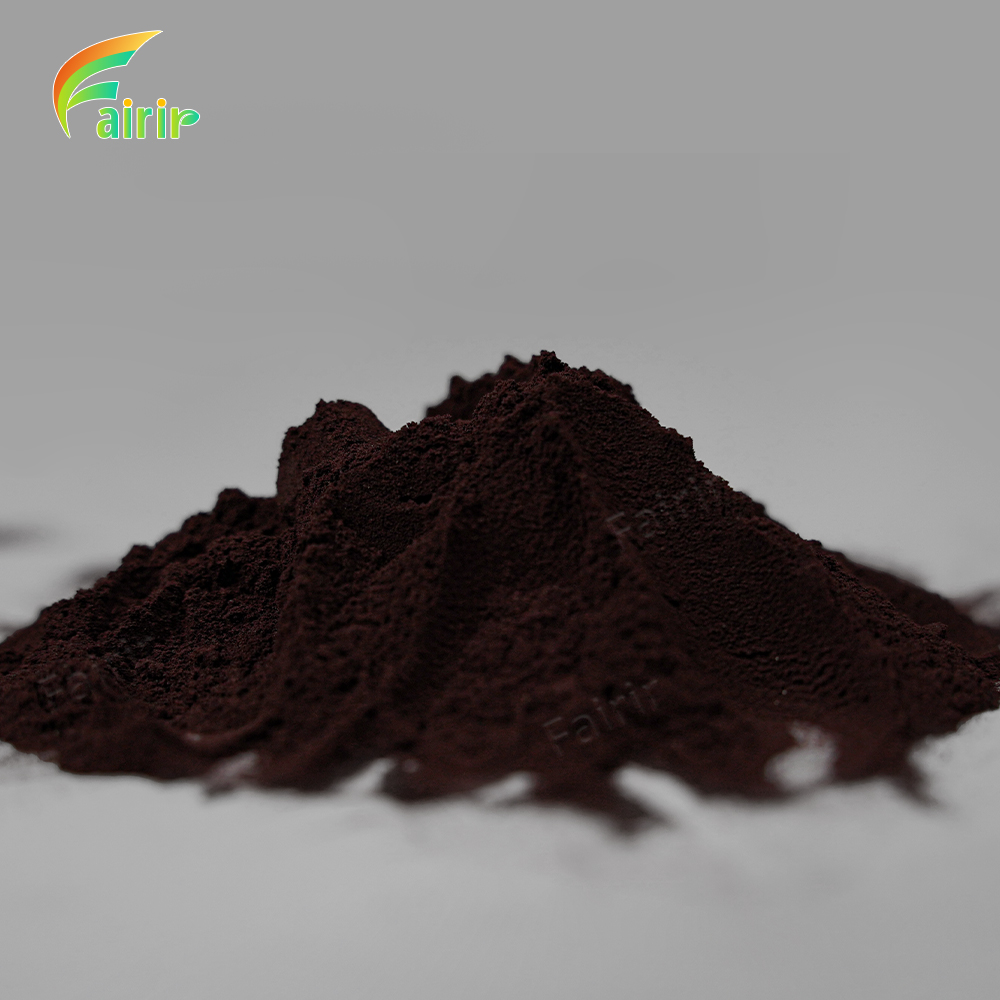
One of the most sought-after botanical ingredients in the production of functional foods is ube powder, which has grown more popular. This bright ingredient, which is derived from Dioscorea alata, a purple yam that is native to the Philippines, offers a substantial amount of benefits in addition to its trademark violet hue. Ube powder is a versatile ingredient that may be used in a variety of applications, including baking, beverage, dairy, and nutraceutical products. It is abundant in anthocyanins, resistant starch, dietary fiber, and important minerals. Because of its clean-label appeal, antioxidant capacity, and taste variety, it is an appealing option for producers that are wanting to differentiate their goods in a market that is becoming increasingly health aware.

Understanding Ube Powder and Its Role in Functional Foods
What Makes Ube Powder Distinct from Similar Ingredients
Genuine ube powder differs from purple sweet potato powder and taro powder in botany, pigments, flavour and starch behaviour, so the species should be confirmed before a recipe is created. Ube (Dioscorea alata) is a true yam with naturally purple flesh and brown skin, purple sweet potato is a different species (Ipomoea batatas), and taro (Colocasia esculenta) has white flesh and is sometimes coloured purple with added dyes. True purple yam powder gets its colour from the roots themselves when it is dried at low temperatures and processed properly, and buyers should verify this before they buy.
|
Dimension |
Ube (Dioscorea alata) |
Purple sweet potato (Ipomoea batatas) |
Taro (Colocasia esculenta) |
|
Flesh and colour source |
Naturally purple flesh; acylated anthocyanins such as alatanins (Moriya et al., 2015) |
Naturally purple flesh; a different anthocyanin profile |
White flesh; purple only if coloured |
|
Flavour |
Often described as sweet, nutty and vanilla-like, with a coconut note |
Sweeter, roasted, earthier |
Mild, starchy, neutral |
|
Starch |
D. alata starch is reported to be relatively high in amylose, roughly 20-32% depending on cultivar and method (Rosida et al., 2016) |
Several sweet potato cultivars show amylose of about 15-19% |
Small granules; varies by cultivar |
|
Formulation meaning |
Higher amylose supports resistant-starch and gel behaviour but can retrograde; test texture on storage |
Different gelatinisation and sweetness profile |
Neutral base that needs added colour |
The starch structure of ube is a real formulation variable, but it should be described accurately: published work reports that D. alata is relatively high in amylose and suitable for resistant-starch flours (Rosida et al., 2016; Li et al., 2018), which is the opposite of the sometimes-repeated claim that ube is a purely amylopectin starch. Because amylose retrogrades, texture changes on storage and freezing should be tested in your own formula, whichever species you use.
Ube Powder, Purple Yam Powder and Extracts: Which Form Do You Need?
Ube powder and purple yam powder are the same type of ingredient, the dried milled root, whereas ube extract and purple yam extract are concentrated fractions standardised for colour or anthocyanin content. Choose the whole-root powder when you need body, starch, fibre and flavour, and choose an extract when colour intensity is the main goal and texture should not change.
|
Form |
Composition |
Best use |
|
Ube powder (purple yam powder) |
Whole dried, milled root: anthocyanins, starch, fibre, minerals |
Bakery, dairy and frozen desserts, beverage mixes, supplements where body and flavour matter |
|
Ube extract or purple yam extract |
Concentrated anthocyanin and flavour fraction; standardised by HPLC; low in starch |
Colour-driven applications, clear drinks and frostings where texture should not change |
Nutritional Profile for Functional Claims
Premium Ube Powder is loaded with harsh chemicals. It is the anthocyanins in it that give it its violet color and a certain measure of defensive function. This implies it may be used to back up claims that it decreases inflammation and protects cells. The powder also has healthy fiber and resistant starch which are great for your intestinal health. Minerals like manganese and potassium are labeled on functional foods. Freeze-drying or low-temperature spray drying can be used to generate high-quality Ube Powder that keeps up to 95% of the beneficial compounds in the raw root. That is something important to check for when you are evaluating services.
Practical Applications of Ube Powder in Functional Food Products
Ube Powder for business is great because it can be used in many kinds of food. You can use this item in a number of different cooking situations, so you can make a healthy snack bar or a drink blend with added nutrients.
Where Ube Powder is most useful and how much you need is shown below:
- Bakery and confectionery: You may add ube powder to cakes, muffins, cookies and bread to give them a natural purple color and slightly sweet flavor, similar to vanilla. The general recommendation for inclusion rates is 3-8% of the dry ingredient mix, depending on the desired color intensity and taste balance. The powder's carbohydrate structure provides heat stability to safeguard anthocyanin pigments during baking, however formulators should be aware that alkaline pH settings might lead to a change to blue hues.
- Functional drinks: Ube powder integrates well with smoothies, ube lattes, protein shakes and powdered drink mixes. Moderate solubility at particle sizes of 60 to 120 mesh facilitates suspension stability in liquid forms. Beverage developers like that it delivers natural color, no artificial ingredients, and fits the FDA’s labeling requirements for clean-label goods in the U.S. market.
- Dairy and frozen desserts formats: Purple yam powder is used in the formulation of yogurt bases, ice cream premixes and dairy replacement blends. The starch provides substance to the texture, minimizing synthetic thickeners. It adds color and a unique sweet creaminess to ice cream bases that is quite attractive to customers who are familiar with Filipino-inspired delicacies.
- Types of nutraceuticals: Encapsulated ube powder in capsule or tablet form is gaining momentum among dietary supplement marketers looking for antioxidant-positioned SKUs. The high concentration of anthocyanins enables uniform dosage and the regulated moisture content of the powder to less than 6% provides the hygroscopic stability needed for long shelf life supplement manufacture.
Ube Powder is more than just a colourant, as you can see from the list above. This ingredient does more than one thing; it makes the food taste good, is good for you, and helps the label put it there. Most commercial forms can keep their colour and bioactive integrity for up to 24 months in sealed, moisture-barrier packaging kept below 25°C.
Key Considerations When Purchasing Ube Powder for B2B Needs
Quality Authentication and Certification Standards
The people whose job it is to buy things should favour suppliers who work in GMP-certified sites and follow well-known testing methods. Anthocyanin content confirmed by HPLC, colour value confirmed by UV spectrophotometer, and moisture content below 6% are some of the most important quality markers. A certificate of analysis (COA) should be given for each batch, along with allergen statements and heavy metal testing reports. Organic varieties are more expensive, but they are allowed in the EU and US, where claims of organic help with shop positioning. You should always ask for sample batches before you place a big order.
Evaluating Supplier Reliability and Supply Chain Stability
There is more that bulk buyers need than just cheap unit prices. They also need a supply line that is stable. An honest company that makes Ube Powder should have a lot of automatic production lines, be able to show that the extraction process works very well, and always have good deals on raw materials. Check with the seller to see if they can do private-label packaging, different particle sizes, or normal anthocyanin ratios. Before making a big buy, it's important to know how to handle logistics, stick to wait times, and get tech support quickly.
Comparison and Decision-Making for Ube Powder Solutions
Organic Ube Powder usually costs 20–35% more than normal grades. But for companies that want to sell natural foods, the extra cost is worth it because people are willing to pay for the approval. Real Ube Powder always beats fake purple yam flavouring when it comes to taste accuracy, regulatory ease, and clean label confidence. These are three things that U.S. functional food brands are using more and more to choose what to buy.
You should also pay close attention to how the flavours stay the same from batch to batch. What makes the fruit sweet can change based on when it is picked and how it is dried. You can usually tell the difference between freeze-dried and air-dried Ube Powder by the way the flavours stay the same. businesses that make a lot of standard goods must make sure that all of them have the same sensory quality because of a contract. This difference is very important for those businesses.
Troubleshooting and Risk Management When Using Ube Powder
Colour change is the main difficulty when using purple yam powder in recipes, because anthocyanins respond to pH. Colour is more red-purple at low pH and shifts toward blue or grey as pH rises above about 7. Many bakery and dairy matrices sit around pH 5.0 to 6.5, where the colour is usually acceptable, but this is a practical operating window and not a stability limit, and purple yam anthocyanins remain pH-responsive over a wide range. Acylated anthocyanins are generally more stable to heat and pH than non-acylated ones (Castañeda-Ovando et al., 2009; Moriya et al., 2015), but test colour first when scaling goods that contain baking soda.
|
pH range |
Main anthocyanin form |
Expected colour |
Operating note |
|
Below about 3.5 |
Flavylium cation |
Red to red-purple; most stable |
Acidic systems give strong colour but may limit taste and ingredient compatibility |
|
About 4 to 6 |
Colourless carbinol and chalcone forms increase |
Paler purple |
Common bakery and dairy window; verify colour in your matrix |
|
About 6 to 8 |
Quinoidal bases |
Violet to blue |
Expect a hue shift; test colour hold |
|
Above about 8 |
Degradation products |
Blue-green, then yellow-brown |
Avoid alkaline leavening or washes |
If you buy Ube Powder from people you do not know or trust, there is a real chance that it is adulterated. A sample has probably been tampered with if the colour values are raised without the anthocyanin concentration rising too, or if particle sizes are uneven and moisture readings look strange. The best way to confirm identity is an HPLC fingerprint that shows the acylated cyanidin profile expected for purple yam, and when you add a new source, check the supplier's data against a second laboratory.
Procurement Snapshot: Supply Specifications at a Glance
Fairir supplies ube powder, also called purple yam powder, and can quote ube extract and purple yam extract grades, from a GMP-certified facility with batch COAs. The table collects the main purchasing parameters.

Conclusion
Why is Ube Powder quickly becoming popular in both food and supplement categories? Because it is a unique mix of new tastes and healthy ingredients. Its anthocyanin profile, digestive fibre content, and ability to be used on clean labels make it a very flexible ingredient that can be used in a wide range of products, from baked goods to concentrated antioxidant pills. It depends on which Ube Powder service you pick whether this ingredient becomes a stable part of your product line or a source of trouble. Find one that has been shown to follow good manufacturing practices (GMPs), use standard quality control methods, and offer helpful expert support.
FAQ
Q1: Can ube powder be consumed without further processing?
Ube powder made from properly heat-treated and dried purple yam may be used in ready-to-eat products if the supplier's process and microbiological results meet the food safety rules of your market. Confirm the drying and microbial documentation before using it without further cooking.
Q2: How does ube powder enhance nutritional claims on product labels?
The label can list the dietary fibre, potassium and manganese actually measured in the product, and supplements can standardise dose by the anthocyanin content measured by HPLC. Keep claims to composition and structure-function wording, because antioxidant and anti-inflammatory effects of anthocyanins are mainly shown in laboratory and animal work.
Q3: What is the recommended storage condition for ube powder?
Keep ube powder in sealed, moisture-protected packages away from direct sunlight and below 25°C. Moisture should stay below 6% to prevent caking and microbial growth, and under these conditions the powder typically lasts for about 24 months.
Q4: Is ube powder the same as purple sweet potato powder?
No. Ube is Dioscorea alata, a yam, while purple sweet potato powder is made from a different species, Ipomoea batatas. They differ in flavour, anthocyanin profile and starch properties, and published work reports relatively high amylose in D. alata starch. Ask for species identity and the HPLC anthocyanin profile on the COA.
Q5: What is the difference between purple yam powder, ube extract and purple yam extract?
Purple yam powder is the same ingredient as ube powder, the dried milled root, while ube extract and purple yam extract are concentrated fractions with little starch that are standardised for anthocyanins. Use the powder for body and flavour, and an extract when colour is the main goal.
Source Your Ube Powder with Confidence — Contact Fairir Today
Fairir knows how to make fantastic plant extracts, and our Ube Powder for sale is GMP-approved and up to strict standards. Three fully automatic production lines use HPLC, UV spectrophotometry, and rotary evaporator analysis to make sure the powder meets these standards. Our team is ready to help you with your project, whether you need private-label options, bulk Ube Powder for making healthy foods, or special bit size choices. You can get samples and prices from a trustworthy Ube Powder provider by emailing sales@fairirbiotech.com.
References
1. Ramos, M.R., et al. "Physicochemical and Functional Properties of Purple Yam (Dioscorea alata) Flour." Food Chemistry, 2020.
2. He, J., & Giusti, M.M. "Anthocyanins: Natural Colorants with Health-Promoting Properties." Annual Review of Food Science and Technology, 2010.
3. Sinela, A., et al. "Anthocyanin Degradation in Foods: Mechanisms and Preventive Strategies." Food Chemistry, 2017.
4. Clifford, T., et al. "The Potential Benefits of Red Beetroot Supplementation in Health and Disease." Nutrients, 2015 — cited for comparative anthocyanin-beverage stability benchmarks.
5. USDA National Organic Program. "Organic Labeling Standards." USDA Agricultural Marketing Service, 2023.
6. Grand View Research. "Natural Food Colors Market Size & Trends Report." Grand View Research, 2023.