_1751965378790.webp)

How Pure Astaxanthin Powder Supports Cellular Protection?
Pure astaxanthin powder is a powerful cellular defence agent because its unique chemical structure lets it pass through cell membranes and neutralise reactive oxygen species (ROS) both inside and outside of cells. This powerful keto-carotenoid comes from the microalgae Haematococcus pluvialis through advanced supercritical CO₂ extraction. It is about 6,000 times stronger as an antioxidant than Vitamin C and 550 times stronger than Vitamin E. Because it can protect cellular integrity, stabilise cell membranes, and lower oxidative stress, it is a must-have ingredient for drug companies, nutraceutical companies, cosmetic brands, and food producers looking for science-backed, high-performance raw materials that are effective in a wide range of formulations.
Understanding Pure Astaxanthin Powder and Its Cellular Protective Properties
The foundation of astaxanthin's cellular protection lies in its biochemical structure and natural sourcing. When we talk about this remarkable ingredient, we're discussing a naturally occurring pigment that has captured the attention of researchers and industry professionals worldwide for its unmatched protective capabilities.
What Makes Natural Astaxanthin Different
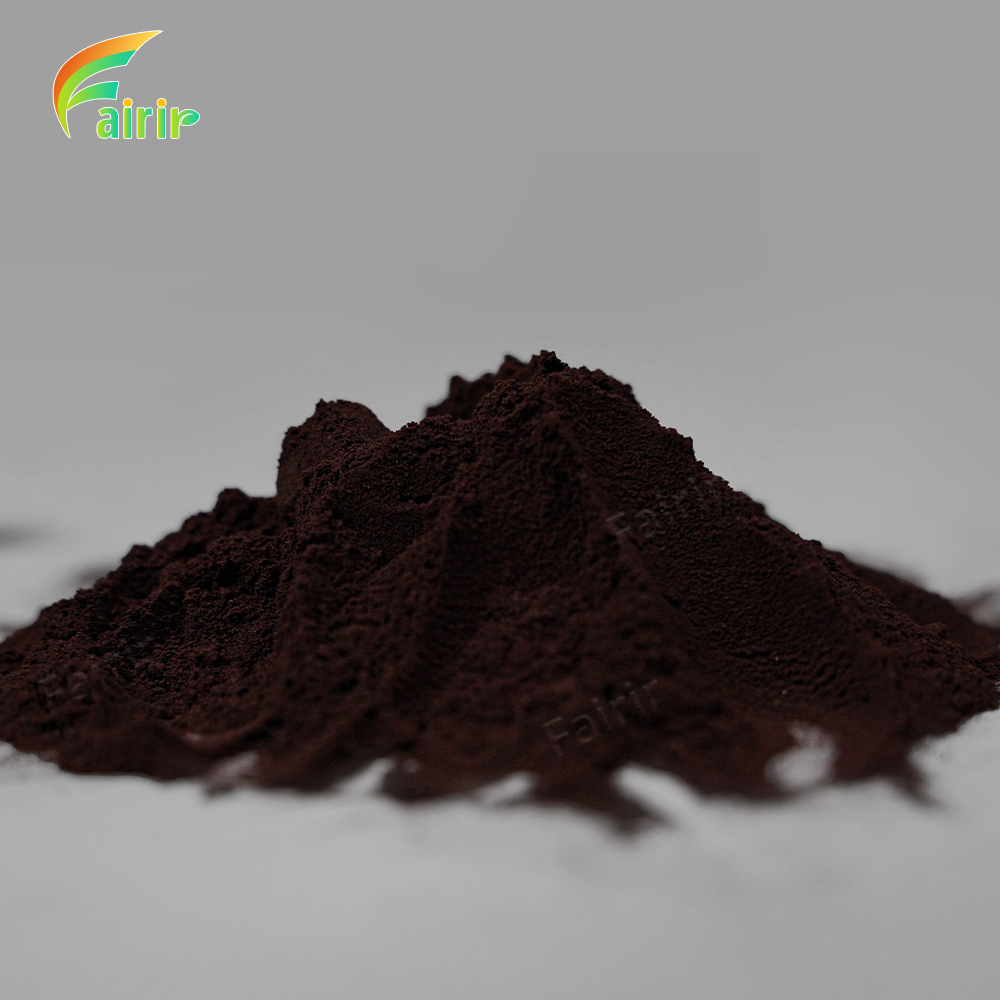
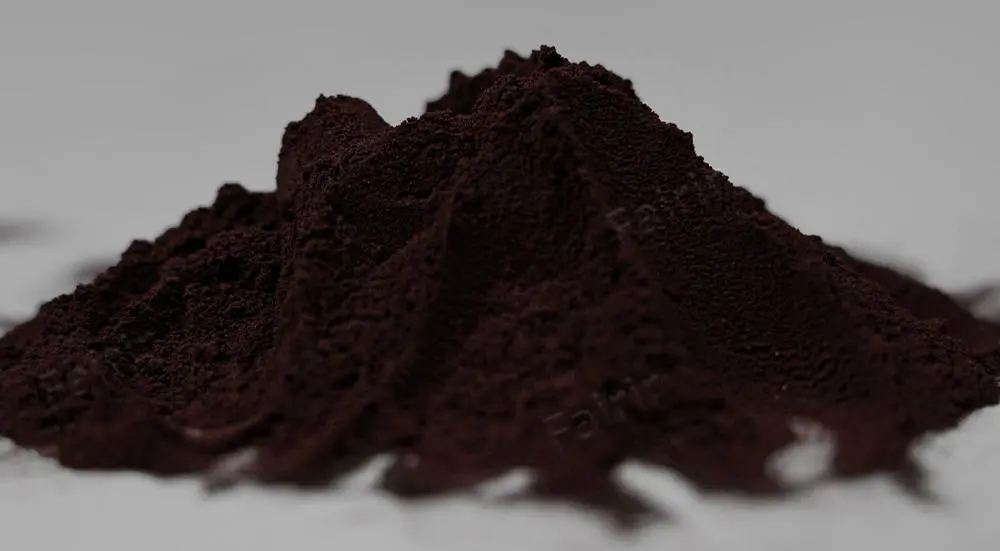
Astaxanthin that comes from Haematococcus pluvialis microalgae has the biologically active (3S, 3'S) stereoisomer configuration, which sets it apart from synthetic options that come from petrochemicals. This stereoisomer has better bioavailability and cellular absorption rates, which makes it the best choice for formulations that need to deliver reliable therapeutic effects. Synthetic forms usually have racemic mixtures that are less biologically active and less stable. The natural extraction process protects the delicate conjugated double-bond structure that gives astaxanthin its powerful antioxidant properties. This lets it quickly remove singlet oxygen and neutralise free radicals. At Fairir, we use solvent-free CO₂ supercritical extraction technology, which keeps the molecular integrity of this sensitive compound while getting rid of the problems that come with using solvents in traditional extraction methods. This makes a brown-red powder with a concentration range of 1% to 96%. The concentration is carefully measured using HPLC and UV spectrophotometry to make sure that each batch is the same.
The Science Behind Cellular Protection
One of the biggest threats to the health of cells in all biological processes is oxidative stress. Free radicals and reactive oxygen species are released by regular metabolic processes, environmental toxins, UV radiation, and inflammatory reactions. They throw the body's balance out of whack, damaging DNA, lipids, and proteins. If this oxidative damage isn't fixed, it speeds up the ageing process, weakens the immune system, and makes a lot of long-term health problems worse. Astaxanthin has a special polar-nonpolar-polar structure, with hydroxyl groups and keto groups strategically placed along a central polyene chain. The molecule can cross the entire phospholipid bilayer of cell membranes because of its structure. It can attach to both surfaces and move through the hydrophobic interior with the help of its conjugated double bonds. This position lets astaxanthin stop free radicals from entering cell membranes from either direction, offering full protection that other antioxidants can't match. Clinical studies have shown that taking astaxanthin supplements greatly lowers biomarkers of oxidative stress while improving the body's defence systems. According to studies published in reputable journals, astaxanthin turns on the Nrf2 pathway. This is a main controller of antioxidant response elements that increases the production of natural antioxidant enzymes such as catalase and superoxide dismutase. This dual action—directly Pure astaxanthin powder neutralising free radicals while also boosting the body's own defence systems—is what makes astaxanthin powder so wonderful at keeping cells healthy.
Comparative Antioxidant Performance
Understanding the relative potency of antioxidant raw materials is important for formulation optimisation and cost-benefit analysis when sourcing teams look at them. Astaxanthin regularly does better than other antioxidants in standard tests that measure oxygen radical absorbance capacity (ORAC) and singlet oxygen quenching rates. Astaxanthin has about 10 times more antioxidant activity than beta-carotene. When tested against certain reactive oxygen species, it works better than lutein by about 2.75 times and better than CoQ10 by a factor of 6,000. These measurable differences lead directly to formulation benefits, letting manufacturers gain the desired protective effects at lower inclusion rates, lowering overall ingredient costs while keeping the premium product positioning. The stability benefits of properly encapsulated astaxanthin powder add to its value. Many carotenoids break down quickly when they come into contact with light, oxygen, and high temperatures. However, microencapsulation technologies used in high-end products surround astaxanthin molecules in protective matrices. We use advanced membrane separation technology and special protection systems to protect the fragile polyene structure. This means that the product can be stored for longer than 24 months and will still be effective at that point in its lifecycle.
The Benefits of Pure Astaxanthin Powder in B2B Applications
The versatility of astaxanthin powder across industrial sectors creates compelling opportunities for diverse procurement strategies. Understanding application-specific advantages enables manufacturers and distributors to identify optimal market positioning and formulation approaches that leverage this ingredient's unique capabilities.
Health and Wellness Applications
Astaxanthin has been used in nutraceuticals for a long time because it has been shown in studies to help many different body systems. It is especially helpful for eye health products because astaxanthin can get through the blood-retinal barrier and build up in the retinal tissues, where it protects photoreceptor cells from damage caused by light. Astaxanthin supplements given daily in doses ranging from 6 to 12 mg have been shown to improve visual acuity, reduce eye fatigue, and improve the body's ability to adapt to new light. Astaxanthin is also effective in improving skin health, which is another area that is growing quickly. The ingredient helps the skin make more collagen, lowers inflammation caused by UV light, and slows down the ageing process by fighting free radicals that are made by sun exposure. Cosmetic makers like astaxanthin for both beauty supplements that you eat and skin treatments that you put on your skin. After 8 to 12 weeks of regular use, astaxanthin makes your skin more elastic, keeps it moisturised, and reduces wrinkles. Its anti-inflammatory properties and ability to change lipid metabolism are also used in cardiovascular and metabolic health. According to research, taking astaxanthin supplements can help keep cholesterol levels in a healthy range, improve the function of vascular cells, and lower signs of systemic inflammation. Because of these benefits, astaxanthin is a useful ingredient for developing heart health products and metabolic support products for older people who want to keep their hearts healthy.
Industrial and Pharmaceutical Applications
Astaxanthin has a well-known safety profile and a wide range of biological activities that make it a good choice for pharmaceutical companies that want to create new drugs. The compound shows potential neuroprotective effects by crossing the blood-brain barrier and lowering oxidative stress in neural tissues. This makes it a possible ingredient for studies on brain health and neuroprotection. It can help with inflammation by changing the NF-κB pathway, which could be used as a therapeutic agent in conditions with long-term inflammation. Food and drink companies use astaxanthin as a natural colourant and functional ingredient that offers both good looks and health benefits. Manufacturers can use this intense red colour instead of synthetic dyes, and it also adds antioxidant value to the goods. Cold-water-dispersible formulations that stay stable in water systems without phase separation or sedimentation are especially useful for beverage uses.
Form Comparison and Selection Criteria
When making a procurement choice, people often have to look at different delivery formats to make sure they meet the needs of manufacturing and end-use applications. Depending on the production process and formulation goals, astaxanthin powder has clear advantages over oil suspensions, beadlets, and encapsulated forms. Astaxanthin oleoresin, which usually has 5–10% active content suspended in vegetable oils, works well for soft-gel encapsulation but is hard to blend into powders. Water-dispersible beadlets have great flow qualities and are easy to add to tablets and capsules, but they usually have lower active content percentages because they need to be mixed with a carrier matrix. The highest concentration of pure crystalline astaxanthin is close to 96%, but it needs to be handled and mixed in a certain way because it doesn't dissolve well in water and is sensitive to environmental factors. When choosing an ingredient, more than just the active ingredient itself needs to be thought about. Stability profiles, regulatory status, cost-per-dose economics, and compatibility with existing production equipment are also important. Fairir's technical team helps clients compare these parameters to their own unique needs by giving them samples ranging from 1% concentration to 96% concentration to make formulating and testing for stability easier. We keep organic, non-GMO, gluten-free, and vegan options on hand to meet the needs of a wide range of market positioning strategies and customer taste trends.
Choosing the Right Pure Astaxanthin Powder: What Matters to B2B Buyers
Procurement excellence in astaxanthin sourcing requires systematic evaluation of supplier capabilities, quality systems, and product specifications. The complexity of this ingredient category demands thorough due diligence to mitigate supply chain risks and ensure consistent product performance.
Essential Quality Certifications and Standards
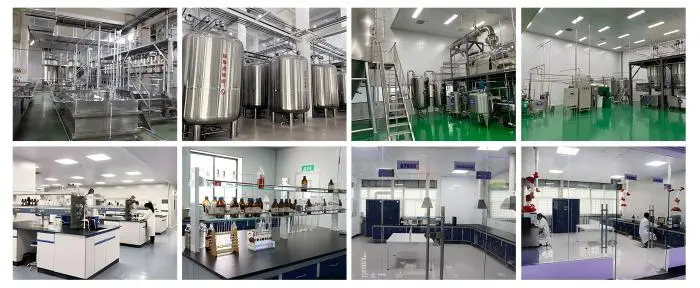
As a minimum, astaxanthin providers that work with the pharmaceutical and nutraceutical industries need to have GMP certification. Our 10,000-square-meter factory follows strict GMP rules and has full paperwork systems that keep track of materials from the time they are received until they are packaged. The certification ensures that standard operating procedures, cleaning protocols, and regular third-party audits that check ongoing compliance with international quality standards are followed. ISO certifications go beyond GMP requirements to show that systematic quality management practices are used in areas like supplier qualification, customer service, and continuous improvement. Organic certifications from the USDA, the EU, or similar governing bodies show that the methods used for farming and processing meet the standards for organic agriculture. This means that the product can be sold at a higher price to health-conscious consumers. Non-GMO certification is becoming more important as companies try to address consumer concerns about genetic modification, especially in markets where GMO labelling laws allow companies to stand out from the competition. Allergen-free, gluten-free, Pure astaxanthin powder and vegan certifications cater to specific dietary needs and lifestyle choices that affect buying decisions across all age groups. We have thorough testing methods that prove our astaxanthin powder meets these requirements, and you can easily find proof to back up your regulatory filings and marketing claims. Our BSE/TSE-free approval gives extra peace of mind to markets that are worried about transmissible spongiform encephalopathies, especially when it comes to ingredients that come from living things.
Extraction Technology and Purity Considerations
Supercritical CO₂ extraction is the best way to make natural astaxanthin because it has many benefits over methods that use solvents. At certain temperatures and pressures, this method turns carbon dioxide into a supercritical fluid that has qualities that are halfway between gases and liquids. The supercritical CO₂ breaks down astaxanthin from algal biomass while leaving behind proteins, unwanted compounds, and cell debris. Since CO₂ extraction doesn't use any solvents, it doesn't have the problems with leftover solvents that come up with hexane and ethanol-based methods. Regulatory agencies are looking more closely at residual solvent amounts, and manufacturers have to follow strict rules about how much can be in finished products. These problems are not a problem at all with supercritical CO₂ extraction, which makes cleaner extracts with better stability and organoleptic qualities. The process also works at lower temperatures than other extraction methods, which keeps the biological activity at its highest level and prevents the damage of sensitive astaxanthin molecules caused by heat. Our extraction efficiency can reach up to 98%, which maximises the yield from valuable microalgae biomass while maintaining the highest standards of purity. Advanced membrane separation technology is used in the process to make the crude extracts even better by getting rid of any remaining lipids and focusing the active ingredients to the right levels. Two fully automated production lines make sure that the same processing settings are used for all batches of products. This gets rid of the differences in quality that can happen in facilities that are mostly manual or partially automated.
Supplier Evaluation and Verification
When choosing a supplier, it's important to do more than just look at their certificates. You should also learn about their production skills, quality control infrastructure, and how resilient their supply chain is. The purchasing teams should ask for detailed information about the extraction capacity, how the inventory is managed, and what plans are in place in case there are problems with the supply. Our facility has 14 stainless steel extraction tanks with capacities ranging from 500 to 3,000 litres, so we can handle orders of any size, from small research amounts to large commercial volumes. The range of equipment includes continuous countercurrent extraction systems, double-effect concentration equipment, scraper concentration units and vacuum belt dryers. These all work together to effectively process microalgae while keeping the purity of the product. As part of quality control, high-performance liquid chromatography, UV spectrophotometry, rotary evaporators, and thermostatic water baths are used to do full analytical testing at every stage of production. To make sure that specifications are met, such as active content assays, heavy metal levels, microbial counts, and pesticide residues, certificates of analysis (CoA) for recent production batches can be requested. When you compare data from different batches, you can see how consistent the manufacturing methods are and how well the quality control is working. We include full COA paperwork with every package, along with HPLC chromatograms and testing data that can be linked to calibrated reference standards. Transparency in analytical testing increases customers' trust in suppliers and makes quality assurance tasks easier for them later on. Getting samples is an important part of qualifying suppliers because it lets you test physical properties, solubility, and formulation compatibility firsthand. We give away free samples of all of our specifications so that formulators can test for stability, dissolvability, and compatibility before committing to large quantities. This method lowers the risk of procurement and makes sure that the specs chosen are in line with the needs of manufacturing and the goals for product performance.
Safe and Effective Usage Guidelines for Pure Astaxanthin Powder
Successful product development with astaxanthin requires understanding recommended usage levels, application methods, and regulatory considerations that ensure both efficacy and safety in commercial formulations.
Dosage Recommendations Across Applications
Clinical study gives us evidence-based advice on how much astaxanthin to take for different health purposes. General antioxidant support and health formulas usually have doses of 4 to 12 mg per day, with higher amounts saved for specific therapeutic uses. Eye health supplements usually have between 6 and 12 mg per day to get clinically proven benefits. Sports nutrition and recovery products may have up to 20 mg to help manage oxidative stress caused by exercise. Different concentration strategies are used in cosmetic applications depending on the form they come in. Nutraceutical doses for beauty supplements are usually 4 to 8 mg per day, while 0.01-0.1% astaxanthin is added to finished creams and serums for dermal use. Astaxanthin is lipophilic, which means it needs to be mixed with compatible oils or added to liposomal delivery systems that help it get deeper into the skin for topical uses. In food and beverage applications, the added ingredients must be regulated so that the functional benefits are balanced. For natural colourants, lower concentrations may be used that focus on colouration. But for functional beverages, astaxanthin is seen as a key health-promoting ingredient at levels that provide significant antioxidant capacity. Formulators need to make sure that the amounts they want to use are allowed by the rules for Food Additives in the markets they want to reach. These rules vary from place to place.
Quality Control and Risk Mitigation
Strict quality control during the entire making and formulation process ensures that the product is safe and always works the same way. Testing raw materials as soon as they arrive from suppliers makes sure they meet specifications before they are used in production. This keeps finished goods from being harmed by contamination or ingredients that aren't up to par. In-process testing keeps an eye on important parameters while the product is being made and packaged, so if there are any problems, they can be fixed right away. Finished product testing makes sure that the product meets the claims on the label and all legal requirements. Microbial contamination, heavy metals, pesticide residues, and active content analysis should all be tested for using approved analytical methods. We test every production batch thoroughly, and we keep the data for as long as the law requires. Customers can access this data to help them with their quality documentation needs. Stability testing in both short-term and long-term storage conditions gives us important information for setting expiration dates and storage suggestions. Because astaxanthin is easily damaged by air, it needs to be carefully packaged. Vacuum-sealed aluminium foil pouches or fibre drums with double-layer food-grade poly bag liners that keep oxygen and light out are usually used. Our usual packaging keeps the product's integrity during shipping and storage, and it will stay effective for more than 24 months if kept below 8°C and out of the light.
Regulatory Compliance Considerations
Regulatory status is different for different markets and types of applications, so it's important to carefully look over the requirements that apply before going to market. In the US, natural astaxanthin from Haematococcus pluvialis is generally recognised as safe (GRAS) and can be used in certain foods and dietary supplements. The GRAS notifications spell out the safest amounts of use. European markets see astaxanthin as a new food ingredient that needs to follow rules about how it can be used and how much of it can be used. When it comes to cosmetics, rules aren't as strict, but ingredient safety checks are still necessary. The International Nomenclature of Cosmetic Ingredients (INCI) code for astaxanthin makes labelling easier, and safety data from a lot of studies backs up its use in personal care products. We offer a wide range of regulatory documents to help with the registration and compliance of products on global markets. These include safety data sheets, allergen declarations, and country-specific certificates of free sale. Traceability systems that link raw materials to finished products allow for quick responses to quality concerns and meet regulatory needs for supply chain transparency. From growing the microalgae to packaging it up, our quality management system keeps full trackability. For each batch, computer records link analytical data, processing parameters, and distribution information. This infrastructure enables audit requests from customers and inspections by regulators, and it also makes sure that the supply chain is honest.
Future Trends and Innovations in Pure Astaxanthin Powder Market
Market dynamics and technological advances continue to reshape the astaxanthin landscape, creating opportunities for forward-thinking manufacturers and distributors to capitalise on emerging trends.
Growing Market Sectors and Geographic Expansion
The global astaxanthin market is growing quickly because more people are learning about the health benefits of antioxidants and more study is proving their usefulness. According to a study of the market, it will grow at rates higher than 6% per year until 2030. The market will grow the fastest in the Asia-Pacific region, where wealthy middle-class people are adopting nutraceuticals more quickly. As astaxanthin moves from being a niche ingredient to being well-known by most people, the markets in North America and Europe keep growing steadily. Beauty-from-within trends make astaxanthin a good fit for the growing market for ingestible cosmetics, where people are becoming more aware of the links between nutrition and skin health. This coming together of beauty and health creates high-end positioning possibilities for products that focus on natural, science-backed ingredients that show results. Another area of high growth is sports nutrition, where players and other active people look for natural ways to improve their performance and speed up their recovery.
Technological Advances Enhancing Bioavailability
Astaxanthin is naturally lipophilic and doesn't dissolve well in water. Pure astaxanthin powder can make it harder to absorb and use in some situations. However, new delivery methods are being developed to deal with these issues. Microencapsulation technologies make protective structures around molecules of astaxanthin while also making them easier to disperse in water. Liposomal delivery systems are a sophisticated way to improve cellular uptake by mimicking biological membrane structures. Cold-water-dispersible formulations make beverage uses possible that weren't possible with traditional astaxanthin forms. Putting astaxanthin inside phospholipid bilayers saves the delicate molecule during digestion and makes it easier for the molecule to be absorbed through the intestinal epithelium. Clinical studies show that liposomal formulations have much higher bioavailability than standard preparations. This could mean that the dose needs to be lowered while the therapeutic effects are still maintained. Nano-emulsion technologies make astaxanthin particles much smaller, which greatly increases their surface area and rate of dissolution. This method looks like it could work well for both oral and topical uses. Early study suggests that it might work better for cosmetics that go deep into the skin and work faster for dietary supplements. We keep a close eye on these new technologies and are ready to use innovations that give our customers real benefits in their formulations.
Sustainability and Eco-Friendly Manufacturing
Environmental considerations increasingly influence procurement decisions as brands respond to consumer expectations for sustainable sourcing and production practices. Microalgae cultivation for astaxanthin production offers inherent sustainability advantages over synthetic alternatives, utilising photosynthesis to convert sunlight and carbon dioxide into valuable biomass. This approach sequesters atmospheric carbon while producing renewable raw materials without depleting finite petroleum resources required for synthetic production. Closed-system photobioreactor cultivation minimises water consumption and prevents environmental contamination compared to open-pond systems. These controlled environments eliminate pesticide requirements and reduce contamination risks from environmental pollutants, producing cleaner raw materials requiring less intensive purification. Supercritical CO₂ extraction complements sustainable cultivation by avoiding toxic solvents and minimising waste generation during processing. We prioritise sustainability throughout our operations, implementing water recycling systems, energy-efficient equipment, and waste minimisation protocols that reduce environmental impact. Our commitment extends to transparent communication about environmental practices, providing documentation supporting customer sustainability reporting requirements and marketing claims emphasising eco-friendly sourcing.
Conclusion
Cellular protection represents a fundamental requirement across pharmaceutical, nutraceutical, cosmetic, and food applications, with astaxanthin emerging as a scientifically validated solution delivering exceptional antioxidant capacity. Understanding the biochemical mechanisms underlying its cellular protective effects, combined with rigorous evaluation of quality parameters and supplier capabilities, enables informed procurement decisions that balance efficacy requirements with commercial objectives. As market demand accelerates and technological innovations enhance product performance, astaxanthin's role in health and wellness formulations will continue expanding, creating opportunities for manufacturers and distributors partnering with reliable suppliers committed to quality, sustainability, and customer success.
FAQ
1. What distinguishes natural astaxanthin powder from synthetic alternatives?
Natural astaxanthin extracted from Haematococcus pluvialis contains the (3S, 3'S) stereoisomer configuration with superior bioavailability and biological activity compared to synthetic petrochemical-derived versions. Synthetic astaxanthin consists of racemic mixtures containing multiple stereoisomers with reduced cellular uptake and antioxidant potency. Natural sources also provide complementary carotenoids and lipids that may enhance astaxanthin stability and absorption, while synthetic production relies on petroleum feedstocks, raising sustainability concerns.
2. How can I verify astaxanthin powder purity before purchasing?
Request comprehensive certificates of analysis showing HPLC assay results confirming active content, heavy metal testing below regulatory limits, microbial counts meeting safety standards, and pesticide residue screening. Examine supplier certifications, including GMP, organic, and third-party quality audits. Request samples for independent laboratory testing to verify specifications match supplier claims. Review stability data demonstrating maintained potency throughout shelf life. Supplier transparency regarding extraction methods and quality control infrastructure provides additional confidence in product integrity.
3. Are bulk discounts and samples available from certified manufacturers?
Reputable astaxanthin suppliers typically offer tiered pricing structures providing cost advantages for larger order volumes, with specific discounts negotiated based on annual purchase commitments and order frequency. Free samples allow formulation development and quality verification before commercial orders, though sample sizes may be limited. We provide complimentary samples across our specification range and offer competitive bulk pricing supporting long-term customer relationships. Our sales team works directly with procurement professionals to structure pricing to meet budget requirements while maintaining quality standards essential for successful product commercialisation.
Partner with a Trusted Pure Astaxanthin Powder Supplier for Cellular Protection Excellence
Shaanxi Fairir Biotech Co., Ltd. delivers exceptional value to pharmaceutical manufacturers, nutraceutical companies, cosmetic brands, and food producers seeking premium astaxanthin ingredients. Pure astaxanthin powder backed by rigorous quality systems and a reliable supply. Our GMP-certified 10,000-square-meter facility combines advanced supercritical CO₂ extraction technology with comprehensive analytical capabilities, including HPLC and UV spectrophotometry, ensuring every batch meets specifications from 1% to 96% concentration. We maintain organic, non-GMO, vegan, and allergen-free certifications supporting diverse market requirements, with fast delivery typically within 1-3 working days and flexible packaging options from small bags to 25kg fibre drums. Our experienced team provides responsive technical support, custom formulation services, and complete regulatory documentation, facilitating smooth importation and product registration. Contact our procurement specialists at sales@fairirbiotech.com to discuss your specific astaxanthin requirements, request free samples, and explore how our manufacturing excellence and customer-focused approach can strengthen your supply chain and enhance your product portfolio with scientifically validated cellular protection ingredients.
References
1. Ambati, R.R., Phang, S.M., Ravi, S., and Aswathanarayana, R.G. (2014). Astaxanthin: Sources, Extraction, Stability, Biological Activities and Its Commercial Applications. Marine Drugs, 12(1), 128-152.
2. Fassett, R.G. and Coombes, J.S. (2011). Astaxanthin: A Potential Therapeutic Agent in Cardiovascular Disease. Marine Drugs, 9(3), 447-465.
3. Higuera-Ciapara, I., Félix-Valenzuela, L. y Goycoolea, F.M. (2006). Astaxanthin: A Review of its Chemistry and Applications. Critical Reviews in Food Science and Nutrition, 46(2), 185-196.
4. Naguib, Y.M.A. (2000). Antioxidant Activities of Astaxanthin and Related Carotenoids. Journal of Agricultural and Food Chemistry, 48(4), 1150-1154.
5. Yuan, J.P., Peng, J., Yin, K., and Wang, J.H. (2011). Potential Health-Promoting Effects of Astaxanthin: A High-Value Carotenoid Mostly from Microalgae. Molecular Nutrition and Food Research, 55(1), 150-165.
6. Capelli, B., Bagchi, D., and Cysewski, G.R. (2013). Synthetic Astaxanthin is Significantly Inferior to Algal-Based Astaxanthin as an Antioxidant and May Not be Suitable as a Human Nutraceutical Supplement. Nutrafoods, 12(4), 145-152.