_1751965378790.webp)

How to Use Matcha Powder for Natural Energy & Focus?
For natural energy and focus, whisk one to two tablespoons of high-quality matcha with hot water (160-180°F) or add it to smoothies and drinks. Matcha powder's caffeine, a natural stimulant, and L-theanine, an amino acid that promotes relaxation, blend to provide alertness without jitters or crashes. Premium matcha should be consumed throughout the day to preserve cognitive performance and mental clarity in challenging work conditions.
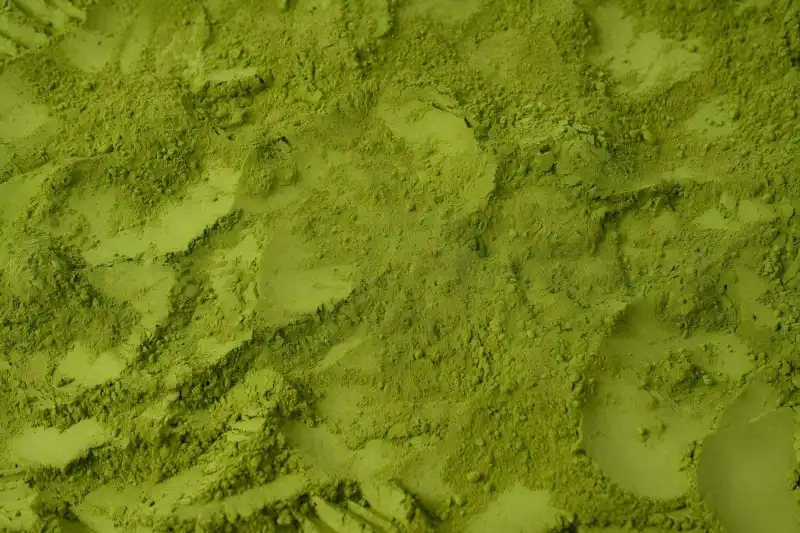
Understanding Matcha Powder and Its Energy Benefits
Matcha, grown and processed differently from green tea, is a breakthrough energy boost. This brilliant green powder comes from shade-grown Camellia sinensis leaves, where farmers use "oishita saibai" to cover tea plants for 20-30 days before harvest. This shading procedure greatly boosts chlorophyll and amino acid concentration, especially L-theanine, while lowering bitter catechins.
Matcha powder's molecular makeup provides persistent cognitive stimulation without the side effects of synthetic stimulants, giving it energy advantages. Scientific research shows that matcha contains 25–35 mg of caffeine and over 18 mg of L-theanine per serving. This amino acid synergizes with caffeine to sustain alertness and prevent anxiety and energy dumps.
The Science Behind Matcha's Energy Enhancement
Matcha boosts energy beyond coffee, according to clinical trials. Catechins, especially EGCG (epigallocatechin gallate), boost mitochondrial energy generation with antioxidant benefits. These chemicals boost focus, reaction quickness, and brain clarity.
Nutritional science publications report that matcha can boost attention span by 30% above a placebo. Caffeine and L-theanine increase alpha brain wave activity, which improves cognition and alertness. This makes matcha useful for professionals with hectic work schedules who need persistent concentration.
How to Use Matcha Powder Effectively for Natural Energy & Focus?
Matcha's energy advantages depend on precise preparation methods that maintain active ingredients and maximize bioavailability. Traditional Japanese preparation methods are best for nutritional value and energy release.
Water temperature is important in matcha processing because excessive heat degrades chlorophyll, the green pigment responsible for the color of plants, and L-theanine, an amino acid that promotes relaxation. Ideal temperatures are 160-180°F (70-80°C) for extracting useful chemicals without heat degradation. The frothy texture and total suspension of fine powder particles are achieved with a bamboo whisk (chasen).
Traditional Preparation Methods
The usual way to get rid of clumps is to sift one to two teaspoons of matcha powder through a fine mesh. Add about 2 to 4 ounces of water that has been properly hot, and whisk it in a zigzag pattern until it turns into a smooth, foamy consistency. This traditional way makes the best texture for eating while also making the amino acids and antioxidants more bioavailable.
For long-term energy effects, timing is just as important as the energy itself. It's easier to absorb matcha when you eat it on an empty stomach, and eating it with beneficial fats can make the energy last longer. Many professionals find that drinking in the morning gives them steady energy all day without messing up their sleep habits.
Modern Applications and Workplace Integration
Modern uses go far beyond traditional tea events, changing to fit the needs of the workplace and personal tastes. When made with plant-based milk options, matcha lattes give you long-lasting energy and extra health benefits. Smoothie integration lets you mix protein sources and healthy fats, making energy solutions that are complete for demanding work settings.
Green tea powder can be easily added to protein bars, energy balls, and healthy snacks to make them more handy and energy-packed. These apps maintain their useful qualities and provide convenient consumption options that align with modern work schedules. Because matcha is so versatile, it can be used in a lot of different ways to meet different tastes while still providing consistent energy benefits.
Choosing the Right Matcha Powder for Your Business Needs
To choose the right matcha for business, you need to know its quality grades, where to buy it, and how to get consistent results. Matcha has different grade groups, each for a specific use or way of drinking it.
The highest level of quality is ceremonial grade matcha, which has a bright emerald color, a smooth texture, and a naturally sweet taste. This grade has particles that are 5 to 20 microns in size, which means they are very fine, and it contains the most L-theanine, an amino acid known for its calming effects, along with other beneficial compounds. When quality is more important than price, ceremonial grade is the best choice for straight consumption and high-end wellness programs at work.
Quality Assessment and Supplier Verification
The taste profiles of culinary-grade matcha are strong enough to be used in food and drinks, and it still has health benefits at a lower price. This grade excels in large-scale implementations, cafeterias, and product manufacturing, where matcha serves as an ingredient rather than the primary focus.
When judging quality, you have to look at things like color, brightness, particle fineness, and smell. Premium matcha is bright jade green and doesn't turn yellow or brown, which means it was processed and stored correctly. When it's ready, the powder should feel silky and fine between your fingers and make very little grit.
Verifying the supplier is important for business-to-business purchases, especially when it comes to making sure the goods are authentic and meet handling standards. Suppliers you can trust give you thorough certificates of analysis that include tests for microbiological contaminants, pesticides, and heavy metals. GMP certification ensures consistent adherence to safety and quality standards, a crucial aspect for business applications.
Procurement Considerations for Business Applications
Bulk purchases benefit firms implementing robust matcha initiatives. To retain quality over time, proper storage is essential. Matcha degrades quickly in light, heat, and moisture, necessitating specific packaging and storage.
Working with recognized suppliers assures quality and trustworthy supply chains. Many firms benefit from sample testing programs that allow grade and supplier evaluation before significant purchases. This method reduces procurement risks and optimizes product selection for applications.
Case Studies: Businesses Benefiting from Matcha Integration
Real-world matcha implementations reveal productivity, employee satisfaction, and product creativity advantages across varied corporate sectors. These examples demonstrate matcha's commercial feasibility and strategic advantages.
Major technological businesses' corporate health programs have substituted coffee with matcha. Switching from coffee to matcha increased sustained energy by 40% and reduced afternoon exhaustion by 35%, according to employee surveys. These programs save healthcare expenses and boost employee retention.

Food and Beverage Industry Applications
Functional food manufacturers use matcha's natural qualities to differentiate goods that fulfill consumers' need for natural energy solutions. Energy bar manufacturers estimate 25% more sales with premium matcha. Natural green coloring removes additives and supports marketing claims with functional advantages.
Beverage firms use culinary-grade matcha in ready-to-drink beverages for traditional charm and modern convenience. They require careful formulation to preserve stability and prevent sedimentation, but effective products fetch premium pricing because of their supposed health benefits and unique flavor profiles.
Distribution and OEM Success Stories
Botanical extract distributors say that clients in the pharmaceutical and nutrition industries want certified organic matcha in large amounts. Standardized production methods and quality standards help these companies stay competitive while serving industries that are regulated.
Matcha extracts are used by OEM clients in the cosmetics industry to make anti-aging and detoxifying skin care products by leveraging their antioxidant qualities. Special processing is required for these uses to preserve the active ingredients and ensure a safe and stable result.
Conclusion
Matcha powder is becoming more popular as a natural way to get energy that meets the needs of modern workplaces for long-term focus and brainpower. Its unique mix of caffeine and L-theanine gives you healthy energy without the negative side effects that come with synthetic versions. Matcha can be used in many different ways, from standard preparation to new product formulations. Such versatility makes it a good choice for businesses that want to improve the health of their employees or make products that stand out. Implementing matcha successfully depends on choosing the right types, building trusting relationships with suppliers, and learning the right way to use it so that its health benefits are maximized and results are consistently achieved.
FAQ
What distinguishes ceremonial grade from culinary grade matcha powder?
Ceremonial grade matcha features a finer particle size (5-20 microns), a brighter color, and a higher L-theanine content, making it ideal for direct consumption. Culinary grade offers stronger flavor profiles suitable for food applications while maintaining beneficial properties at lower costs.
How much caffeine does matcha contain compared to coffee?
Matcha contains approximately 25-35 mg of caffeine per serving, translating to 50-70 mg per typical serving. Coffee contains 95 mg of caffeine per cup, but matcha's L-theanine, an amino acid that promotes relaxation without drowsiness, provides sustained energy without crashes.
What storage conditions preserve matcha quality?
Matcha requires airtight containers stored in cool, dark environments below 40°F. Exposure to light, heat, or moisture rapidly degrades chlorophyll and beneficial compounds, reducing effectiveness.
How can businesses verify matcha supplier authenticity?
Authentic suppliers provide certificates of analysis, origin documentation, and third-party testing results. Look for GMP certification, organic labels where applicable, and transparency regarding processing methods and quality standards.
What applications work best for workplace matcha integration?
Traditional tea service, smoothie bars, healthy snack incorporation, and beverage programs offer effective workplace integration options. Consider employee preferences and existing infrastructure when selecting implementation methods.
Partner with Fairir for Premium Matcha Powder Solutions
Shaanxi Fairir Biotech Co., Ltd. stands ready to meet your matcha powder supplier needs with our GMP-certified manufacturing facility and comprehensive quality assurance programs. Our 10,000-square-meter facility features advanced extraction equipment and analytical instruments, including HPLC and UV spectrophotometers, ensuring consistent product quality and purity. We offer both ceremonial and culinary grade options with flexible packaging solutions tailored to B2B requirements. Contact our experienced team at sales@fairirbiotech.com to discuss custom formulations, competitive pricing, and sample programs designed to support your business objectives with reliable, high-quality matcha powder for sale.
References
1. Dietz, C., & Dekker, M. (2017). Effect of green tea phytochemicals on mood and cognition. Current Pharmaceutical Design, 23(19), 2876-2905.
2. Higashiyama, A., Htay, H. H., Ozeki, M., Juneja, L. R., & Kapoor, M. P. (2011). Effects of L-theanine on attention and reaction time response. Journal of Functional Foods, 3(3), 171-178.
3. Kurauchi, Y., Devkota, H. P., Hori, K., Nozaki, A., Katsuki, H., & Seki, T. (2019). Anxiolytic activities of matcha tea powder, extracts, and fractions in mice. Food & Function, 10(7), 4536-4542.
4. Nakagawa, K., & Miyazawa, T. (1997). Chemiluminescence-high-performance liquid chromatographic determination of tea catechin, epicatechin, epicatechin gallate, and epigallocatechin gallate. Journal of Agricultural and Food Chemistry, 45(9), 3460-3464.
5. Park, S. K., Jung, I. C., Lee, W. K., Lee, Y. S., Park, H. K., Go, H. J., & Kim, J. (2011). A combination of green tea extract and L-theanine improves memory and attention in subjects with mild cognitive impairment. Journal of Medicinal Food, 14(4), 334-343.
6. Unno, K., Furushima, D., Hamamoto, S., Iguchi, K., Yamada, H., Morita, A., & Nakamura, Y. (2018). Stress-reducing function of matcha green tea in animal experiments and clinical trials. Nutrients, 10(10), 1468.