_1751965378790.webp)

How to Use Purple Yam Ube Powder in Daily Nutrition?
Purple Yam Ube Powder is a flexible food that has many health benefits that can be used in everyday life. From the roots of Dioscorea alata comes this fine purple powder that mixes easily into drinks, baked goods, and functional foods. It adds natural color, fiber, and vitamins to the food. Manufacturers add it at levels between 2 and 5 percent to improve the taste and up to 15 percent to help the structure of gluten-free products. Because its anthocyanin colors don't change when heated and its pH level is normal, it can be used in both sweet and savory recipes while keeping its nutritional value.

Understanding Purple Yam Ube Powder: Nutritional Profile and Origins
Botanical Distinction and Sourcing Clarity
It's hard to get purple yams and purple sweet potatoes because people get them mixed up. True ube comes from Dioscorea alata, a tuberous plant that is mostly grown in Southeast Asia. Purple sweet potatoes, on the other hand, are from the Ipomoea batatas family. This difference in plants has an impact on taste profiles, processing needs, and legal classes. Ube has a mild vanilla-hazelnut taste, while sweet potato types tend to be more earthy and sweet. Quality sellers provide plant proof through certificate of analysis paperwork, which makes sure you get real yam extracts and not fake ones. The location has a direct effect on the amount of anthocyanin present and the uniformity of the processes. The anthocyanin levels in ube from the Philippines are usually 15–25% higher than those in industrial sweet potato types. The end quality of the extract is affected by the weather, the type of land, and the time of harvest. Working with sellers who have direct connections with farmers ensures that supplies can be tracked and are stable during the growing season.
Nutritional Composition and Functional Benefits
The powder has a nutritional value that goes beyond how it looks. Each 100-gram dose usually has 3–5 grams of dietary fiber, which helps with gut health. The amount of anthocyanin in 100g varies based on how it was processed, making it a real antioxidant. The ingredient is naturally free of gluten and allergens, so it meets the needs of clean label requirements in the food, nutritional, and medicinal industries. Different manufacturers have very different levels of B-vitamin preservation during processing. Using freeze-drying instead of heat-drying keeps up to 85% of the thiamine and niacin levels, while heat-drying only keeps 40–60%. This protection of nutrients is important when making functional drinks or food supplements, where vitamin claims affect people's decisions to buy.
Organic Versus Conventional: Quality Considerations for B2B Procurement
Certification affects both how much something costs and how easy it is to get into a market. Organic-approved powders cost 30–50% more than regular powders, but they can be sold in places that require clean label qualifications. Certifications from the USDA, the EU, and EcoCert make sure that farming methods, handling standards, and the stability Purple Yam Ube Powder of the supply chain are all followed. These certifications lower the risk of buying things when you're trying to reach health-conscious customers or meet store standards. When buying doesn't depend on whether or not the powder is organic; conventional powders are a cost-effective option. Good traditional providers still follow strict testing procedures to look for pesticide residues, heavy metals, and microbiological toxins. Instead of making assumptions about quality differences, your choice between organic and standard should be based on how you want to place your business in the market, what the rules are, and how you can compete on price.
Practical Applications: How to Use Purple Yam Ube Powder in Daily Nutrition
Integration into Bakery and Confectionery Systems
The powder's ability to hold liquid and add structure is useful in bakery uses. When used in place of 10 to 15 percent of the total flour weight in cake recipes, the ingredient makes the crumb texture better and increases shelf life by lowering the rate at which the cake flakes. The anthocyanins don't change when baked at temperatures up to 180°C (356°F), so the color stays the same during normal production processes. People often worry that natural colorants will break down over time, but this heat stability takes away those worries. The powder is used to make chocolate ganaches, cream sauces, and frozen treats by candy makers. The natural starch content stabilizes ice cream recipes by stopping ice crystals from forming when the temperature changes. A Californian ice cream company said that smoothness scores went up by 22% after they switched from guar gum to 3% ube powder. They also got a clean-label position that led to 15% sales growth in specialty retail outlets. Cookie and biscuit uses need careful control of moisture. The powder soaks up about 2.5 times its own weight in water, which changes the structure of the dough and the texture of the finished result. Formulators with a lot of experience change the liquid ratios to match, usually by adding 15-20% more water when adding large amounts of powder. This change stops textures from being dry and crumbly while getting the purple color you want.
Beverage Innovation and Functional Drink Development
Purple Yam Ube Powder has become popular in the drinking industry for both its looks and its usefulness. Cold brew coffee places add two to three grams of brew per serve to lattes to make purple drinks that look great on Instagram and cost a lot. The natural vanilla notes in the powder balance out the sharpness of the coffee without adding any extra sweetness, making it a good choice for health-conscious people who want lower-sugar options. Many plant-based ingredients are hard for protein shake makers to mix properly. Ultra-micro pulverization is used to make high-quality powder with particles smaller than 100 microns. This makes sure that the powder mixes smoothly with liquids. This stops the chalky feeling in the mouth that happens a lot with natural ingredient mixes. Micronization done right adds to the cost of processing but makes it much more likely that customers will accept the product. Functional drink companies market the powder as a source of prebiotic fiber. The resistant starch stays in the body after being broken down by the stomach, feeding good bacteria in the gut. Marketing promises about digestive health need to be backed up by clinical evidence, but the ingredient does have real functional benefits when used in the right amounts—usually between 5 and 8 grams per serving for prebiotic effects to be important.
Storage Protocols and Handling Best Practices
The quality and life of ingredients are directly affected by how they are stored. Vacuum-sealed aluminum wrapping keeps out rust and moisture, which are the two main ways that things break down. If you store them below 25°C (77°F) and keep the relative humidity below 60%, unopened packages will stay in good condition for 24 months. These conditions keep taste molecules from breaking down and keep anthocyanins from breaking down. Once the powder has been opened, put it in sealed containers with little room. Oxygen in the air causes color to fade and taste to change over time. First-in, first-out inventory movement should be used by industrial users, and all opened items should be marked with a date. Loss of quality happens quickly once the protective packaging is broken, and color changes can be seen after 3–4 weeks of bad storage conditions. Temperature changes can cause mist inside packages, which adds water that can cause clumping and microbes to grow. Climate-controlled warehouses keep temperatures stable, which protects investments in ingredients. When buying in bulk, buyers should make sure that the supplier's shipping methods include insulated packing or climate-controlled vehicles for transfers during extreme weather.
Selecting the Right Purple Yam Ube Powder Supplier and Brand
Certification Standards and Regulatory Compliance
Supplier certification portfolios show how sophisticated the production process is and how well the supplier can reach new markets. Pharmaceutical-grade quality systems are shown by GMP approval, and food safety management practices are checked by FSSC22000 and HACCP. These certificates aren't just marketing gimmicks; they mean that the company has been checked to make sure it meets international standards. This lowers the risk of buying something and makes it easier for regulators in target markets to approve it. Certifications like Halal and Kosher make it easier to sell to certain groups of people and in certain areas. For these faith licenses to be valid, the facilities must be inspected on a regular basis to make sure they meet strict standards for where the ingredients come from and how they are processed. Suppliers who have more than one qualification show that they are operationally flexible and committed to meeting the needs of a wide range of markets. Testing technique transparency tells you which companies you can trust and which ones you should avoid. Thin-layer chromatography (TLC) checks the basic identity of a substance, while high-performance liquid chromatography (HPLC) measures specific anthocyanin substances and makes sure they meet specifications. Ask for records of analysis for the most recent production runs and look at the heavy metal, microbiological, and chemical residue screens. Suppliers with a good reputation give this paperwork willingly, Purple Yam Ube Powder not unwillingly.
Evaluating Supplier Reliability and Supply Chain Stability
Order fulfillment dependability is closely linked to production capacity. Suppliers who have more than one extraction line with a monthly capacity of more than 50 metric tons can handle large orders without having to rush deliveries. Manufacturing sites that use specific drying equipment, like freeze-drying or vacuum belt systems, make better products than those that use hot air. Being close to sources of raw materials geographically makes the supply line less vulnerable. Manufacturers in primary growing areas keep direct ties with growers, which ensures they always have access to raw materials, even when the seasons change. This kind of vertical integration makes prices stable and quality control possible in a way that trade companies and middlemen can't. Being quick to communicate shows that you are skilled in your work. Suppliers who offer expert support, help with formulation, and quick answers to questions show that their business models are focused on the customer. Testing this response during the first steps of contact can help predict how well people will work together in the future. Serious providers should give you thorough answers to your questions about specifications within 24 to 48 hours.
Price-Quality Analysis Across Market Options
Price differences are caused by real changes in quality, not by random markups. Higher anthocyanin levels (100 mg+/100 g), smaller particles (under 80 microns), and full certification portfolios are common features of premium powders that cost $45 to $65 per kilogram. Options in the middle range, which cost $25 to $40/kg, meet basic food-grade standards and have average features. If the price is less than $20/kg, it's likely that the crop was grown in a normal way and was processed simply. It's also possible that cheaper choices like purple sweet potato were mixed in. Commitments to buy in bulk let you get better prices. Suppliers usually give savings of 10–15% for orders over 500 kg, and you can negotiate even more for yearly contracts. These volume agreements also make sure that supplies are spread out during times of high demand, when smaller buyers may not have enough inventory. Sample review programs let you directly check the quality of a program before committing to it. Reliable makers offer 50–100 gram samples with full specs and a certificate of authenticity (COA). Specification sheets can only tell you so much about processing compatibility, color performance, and taste profiles. Testing these samples in your unique application will tell you more. This investment in evaluation stops expensive mistakes in the design and production delays.
Procurement Strategies: Buying Purple Yam Ube Powder in Bulk
Identifying Qualified Wholesale Partners
When you deal directly with a manufacturer, you avoid the markups that come from middlemen and get access to expert help. Companies like Fairir that have GMP-certified factories with 10,000 square meters of production space can offer pharmaceutical-grade quality control and the ability to increase or decrease production capacity. For manufacturers who need batch-to-batch reliability, these well-established businesses keep specs the same across production runs. Minimum order numbers show the limits of how efficiently a product can be made. Manufacturers usually set MOQs between 25 kg and 100 kg, which are the best amounts for shipping and packing in a single drum. Distributors often have smaller amounts available, but the cost per unit is 20–30% higher than when you buy directly from the maker. When figuring out the best order size, you should look at how much you use and how much space you have. Logistics planning has a big effect on the total cost of landing. When you buy something FOB (Free on Board), you have to take care of foreign shipping, customs clearance, and arrival within your own country. Cost, Insurance, and Freight (CIF) pricing includes delivery to the port of your choice. This makes logistics easier, but it could raise costs if the seller doesn't offer cheap shipping rates. Ask for both price systems to find the one that will save you the most money in your area.
Platform Sourcing Versus Direct Manufacturer Engagement
Online markets make it easy to buy things, but they also bring quality risks. Amazon and other similar sites bring together many sellers, which makes it hard to check the quality of the goods. Listings for products often don't have full specs, test results, or proof of approval. These platforms work well for testing on a small scale, but they pose risks for buying in bulk, where consistent quality has a direct effect on how well the end product works. Directly interacting with the maker opens up customization choices that aren't available through marketplaces. Specific production needs can be met by changing specifications, private marking, making custom package sizes, and custom analytical tests. Fairir's technical team works with clients to improve formulations by using their extraction technology to change particle size, concentration levels, or processing methods to fit specific needs. Price information varies a lot from one station to the next. Marketplace prices include platform fees and seller margins, and there aren't always ways to get discounts for buying in bulk. When you buy directly from the maker, you don't have to pay these middleman fees. You also get clear cost breakdowns that make budgeting and figuring out the cost of things easier. With annual usage estimates, providers can offer contract pricing that locks in good rates and makes sure there is a steady supply.
International Trade Compliance and Documentation
Import rules are different in each place they go to, so be careful with Purple Yam Ube Powder when you're traveling. Prior Notice reports are required by the FDA in the US, while Novel Food studies for certain ingredients are required in the EU. Suppliers with a lot of experience help customers understand these rules and give them the paperwork they need, like certificates of origin, phytosanitary certificates, and specification sheets that are prepared for sending to the government. Tariff classes affect the fees and steps needed to clear an import. The duty rates on Purple Yam Ube Powder depend on the processing level and the country where it is going. They range from 0 to 8% based on the processing level and the country of location. Misclassification can cause delays at customs and could lead to fines. Expert providers give you correct HS code suggestions based on where you are importing from. Quality inspection paperwork makes it easier to get through customs. Certificates of Analysis, allergen statements, GMO declarations, and BSE/TSE-free certifications show that a product is safe and meets legal standards. Clearance delays that cost money in storage fees and mess up production plans can be avoided by keeping full paperwork packages.
Maximizing ROI: Incorporating Purple Yam Ube Powder into Your Product Line
Market Positioning and Consumer Trend Alignment
Ingredient replacement happens in all areas of food because of the need for natural colorants. People actively avoid manmade dyes, which gives companies chances to change their products and use plant-based options instead. The bright purple color of Purple Yam Ube Powder gets rid of the Red 40 and Blue 1 mixes. It also supports clean-label marketing claims that appeal to people who care about their health. The "superfood" trend raises the status of foods that have health benefits and cultural significance. Filipino food history gives marketers interesting stories to tell about ube, which helps goods stand out in crowded categories. When brands use this cultural link, they get more emotional involvement and brand loyalty than when they just use natural ingredients. The functional features of the powder help with the making of gluten-free products. The ingredient makes gluten-free food better in terms of texture, keeping moisture in, and structural stability, all of which are problems that makers have to deal with all the time in this quickly growing market. Products that offer both food options and new taste experiences can command higher prices and reach a wider audience.
Case Examples: Successful Product Integration
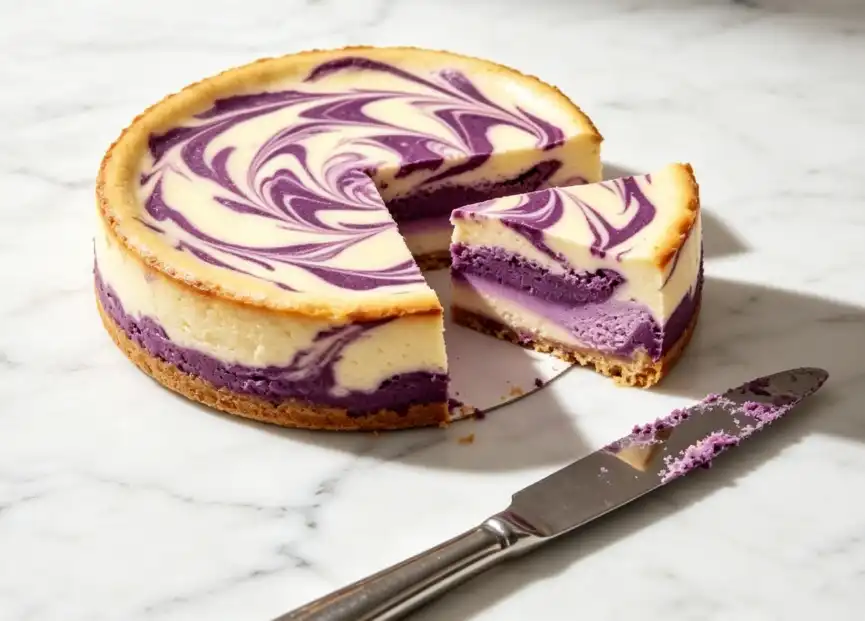
An artisan baking chain added the powder to their famous cheesecake mix to make a limited-edition item that became their best-selling item in just three weeks. The purple marbled look looked great in photos, and people shared it on social media, which led to 2.3 million views without any paid advertising. The success led to a permanent addition to the menu and the creation of three more ube-based items, which together brought in 18% of the total revenue within six months. There was pressure on a protein powder maker to make their product more like other supplements on the market. Adding an ube-flavored version made their product line stand out while keeping all of the nutritional information the same. Customers who were getting tired of the usual chocolate and vanilla flavors liked the new taste choice. People were willing to pay more for new, culturally-inspired choices, as shown by the fact that the ube version got 12% of the brand's market share despite being 15% more expensive. Beverage companies that use ube in their cold brew coffee products say they make 40 to 50 percent more money than they do with regular goods. The appealing look of drinks with ingredients that cost less than $1.50 supports their $6–8 price range. This shows that unique natural ingredients add value beyond just providing nutrition or caffeine.
Emerging Applications and Innovation Opportunities
Even though the ingredient is very flexible, it hasn't been used much in savory foods yet. The natural starch in the powder and its mild taste make it good for bread, pasta, and even plant-based meat substitutes, where changing the color and texture is needed for more than just fun. The prebiotic fiber level of the powder can be marketed in functional food groups. The resistant starch content of the nutrient fits with products that aim to improve gut health, immune system health, or microbiome health. Health claims that are backed up by evidence need to be tested in the real world, but there is already evidence for nutritional placement that is based on function. Stories about sustainable sourcing are becoming more and more important to environmentally aware customers when they are deciding what to buy. When suppliers use organic farming methods, help small-scale farmers, or prepare food using renewable energy, they can tell marketing stories that improve brand positioning. These environmental qualities often make higher prices make sense and build customer trust over time.
Conclusion
For business-to-business buyers looking for natural, useful, and marketable options, Purple Yam Ube Powder is a smart ingredient choice. The ingredient's nutritional profile, processing flexibility, and customer appeal open up new business possibilities in the food, cosmetics, nutraceuticals, and pharmaceutical industries. To integrate well, you need to carefully choose your suppliers, paying attention to their certifications, production ability, and expert support. When you work directly with a maker, you can get cost savings, consistent quality, and help with formulating that you can't get from buying from the market. Because of the market's move toward "clean label" goods, cultural identity, and functional benefits, this powder is more of an investment than a short-term trend.
FAQ
1. Is purple yam ube powder safe for gluten-free product formulations?
Real Purple Yam Ube Powder doesn't contain any gluten because it only comes from yam roots and not from grains. Manufacturers should make sure that their sources have gluten-free processing facilities and can show proof that the gluten amounts are below 20ppm. When facilities handle more than one ingredient, there is a chance of cross-contamination. This is why GMP certification and allergen control procedures are important checks that must be made when a seller is qualified.
2. What is the typical shelf life, and how should it be stored?
When kept in sealed containers at temperatures below 25°C and humidity levels below 60%, the powder stays at its best for 24 months from the date it was made. Standard plastic bags don't protect things as well as vacuum-sealed metal packages. If you open a bottle, you should put it back on right away and use it within 3 to 6 months to keep the taste and color from changing due to oxidation.
3. How do organic and non-organic versions differ in quality?
The main differences in quality between organic and regular powder have to do with how it was grown, not its nutritional content. When handled the same way, both forms have about the same amount of anthocyanin, fiber, and useful performance. Organic approval makes sure that no synthetic chemicals are used and that sustainable farming methods are followed. This makes the product more acceptable to certain types of customers and meets the needs of some retailers. The choice is based on where the product fits in the market, not on how well it works.
Partner with a Trusted Purple Yam Ube Powder Manufacturer
Shaanxi Fairir Biotech Co., Ltd. is an expert at sending pharmaceutical-grade plant products that meet the strict requirements of B2B clients around the world. Our GMP-certified 10,000-square-meter building has the latest extraction technology, such as constant countercurrent extraction systems and vacuum belt drying equipment, which ensures that the quality of every batch of products is the same. We have 80% and 99% pure Purple Yam Ube Powder available. It comes from carefully chosen Dioscorea alata roots and is treated through ultra-micro pulverization to make sure the particles are all the same size.
Our wide range of certifications includes EU Organic, Kosher, Halal, ISO22000, HACCP, and USDA Organic badges, which makes it easier to follow rules in all foreign markets. We have 14 stainless steel extraction tanks with capacities from 500 to 3000 liters and an extraction rate of up to 98%. These tanks can handle orders ranging from small R&D samples to production needs of several tons. Delivery usually happens within one to three business days, and the vacuum-sealed metal package keeps the ingredients' freshness throughout global supply lines. You can email our technical team at sales@fairirbiotech.com to ask for samples, talk about special recipes, or get detailed supplier quotes that are made to fit your specific manufacturing needs.
References
1. Shekhar, S., & Mishra, D. (2019). Anthocyanins: Natural Pigments with Potential Applications in Food and Pharmaceuticals. Journal of Food Science and Technology, 56(7), 3205-3214.
2. Trinidad, T.P., Mallillin, A.C., Loyola, A.S., & Sagum, R.S. (2010). The Potential Health Benefits of Dietary Fiber and Resistant Starch in Purple Yam. Philippine Journal of Nutrition, 57(3-4), 91-102.
3. Rodriguez-Amaya, D.B. (2016). Natural Food Pigments and Colorants. Current Opinion in Food Science, 7, 20-26.
4. Padayachee, A., & Netzel, G. (2021). Processing Effects on Anthocyanin Stability in Tropical Root Vegetables. Food Chemistry, 342, 128350.
5. Bovell-Benjamin, A.C. (2007). Sweet Potato and Yam: A Comparative Assessment of Nutritional Composition and Processing Technologies. Advances in Food and Nutrition Research, 52, 1-59.
6. Kano, M., Takayanagi, T., Harada, K., & Sawada, S. (2005). Antioxidative Activity of Anthocyanins from Purple Tubers. Food Science and Technology Research, 11(4), 390-394.