_1751965378790.webp)

Is Purple Yam Ube Powder the Secret to Eye-Catching Foods?
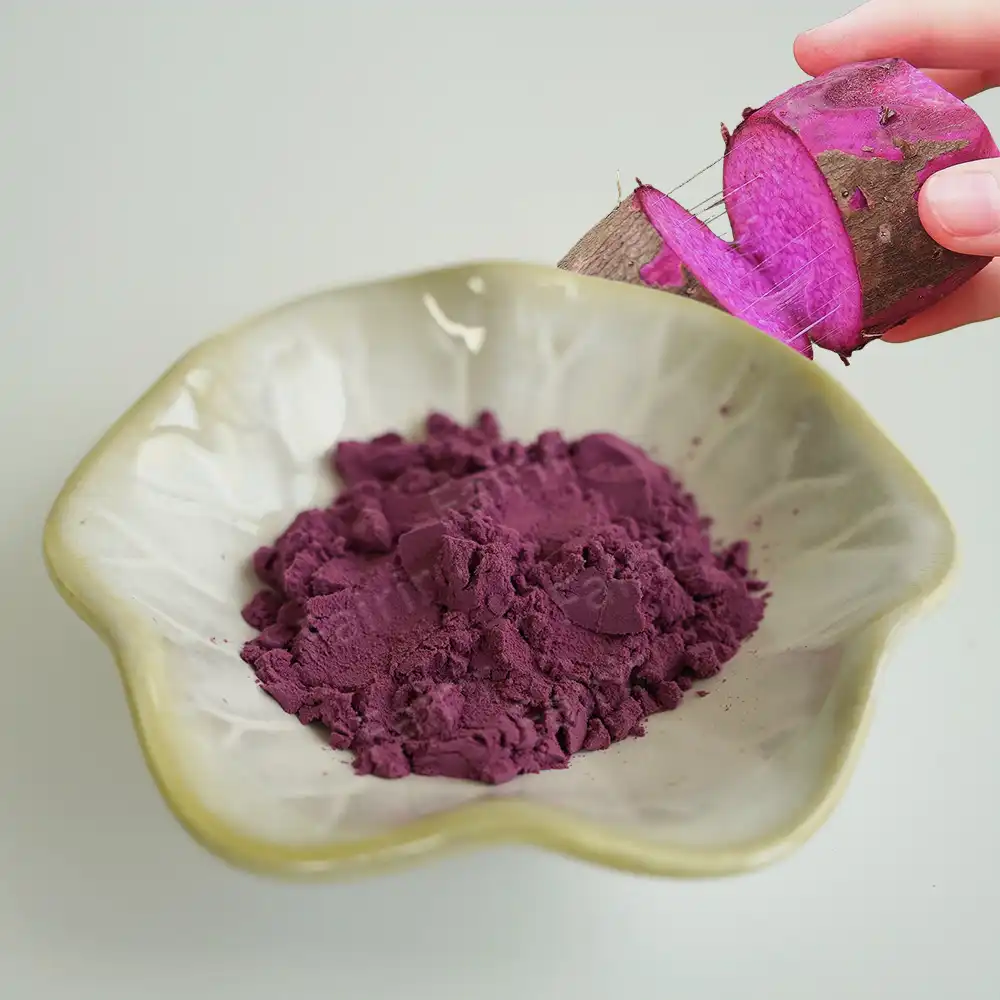
Purple Yam Ube Powder is a game-changing ingredient in modern food production that can turn everyday foods into beautiful works of art. This naturally colorful powder comes from Dioscorea alata and is both aesthetically pleasing and good for you. It meets the growing customer demand for clean-label options to synthetic colorants. The key is that it can keep its color stable under a range of processing conditions while adding a mild, nutty-sweet taste that complements rather than overpowers recipes.
Understanding Purple Yam Ube Powder – Origins, Composition, and Distinctions
The Botanical Identity of Authentic Ube
Purple Yam Ube Powder comes from the tropical tuber Dioscorea alata, which is native to Southeast Asia and is grown in large amounts in the Philippines. This difference in plants is very important for people who work in buying. Purple sweet potatoes are in the Ipomoea batatas family, but real ube is from the yam family and has special phytonutrient molecules like diosgenin and anthocyanins. At Fairir, we start the production process by choosing roots from reputable farmers. This makes sure that the genetic integrity of the roots is checked before they are processed. When the root gets to our GMP-certified center, it goes through a strict check. We use botanical markers to confirm the variety of the root.
How Ube Differs From Similar Ingredients
When procurement teams try to compare Purple Yam Ube Powder with taro or purple sweet potato liquids, they often get lost. However, even though all three are purple, they all have very different uses. There is more starch in taro, and it turns a grayish-purple color that changes when it gets acidic. Even though purple sweet potato powder is high in anthocyanins, it doesn't have the unique vanilla notes of real ube and doesn't hold up as well to heat in baking. Our Purple Yam Ube Powder keeps its color for 30 minutes at temperatures up to 180°C, which is very important for commercial baking. What makes them different is their taste. Ube has naturally sweet, nutty, and slightly floral notes, while sweet potato powder tastes more earthy and less complex.
Unlocking the Culinary Potential of Purple Yam Ube Powder
Applications Across Food Manufacturing Sectors
Since Purple Yam Ube Powder can be used in a lot of different production settings, it solves a lot of problems for food makers. Adding 2 to 5 percent Purple Yam Ube Powder to cake recipes in an industrial kitchen helps the cakes keep their moisture and gives them a natural color that lasts through high-temperature baking processes. Many natural colorants are hard for beverage makers to get to the right consistency, but our micronized powder mixes easily in both hot and cold drinks and stays stable in ready-to-drink forms for more than 12 months. Dairy makers like that the powder's natural viscosity means they don't have to add extra preservatives to ice cream and yogurt. It's used by candy makers in chocolate ganaches and fondants because it gives them a stable color without the graininess that sometimes comes with plant extracts.
Before diving into specific applications, it's helpful to know how Purple Yam Ube Powder works in different handling situations so that formulations work better. Here are the main benefits of using this method that have been seen in business production:
- Bakery Formulations: Adding 3-4% Purple Yam Ube Powder to gluten-free bread makes the crumb structure better and gives the inside an eye-catching purple color. The powder can be used in place of some flour, which helps to bind in moisture and extend the shelf life by 20 to 30 percent compared to regular recipes.
- Frozen Dessert Systems: Purple Yam Ube Powder helps with water movement problems that cause ice crystals to form in the process of making ice cream. Its natural binding properties keep the smooth texture even when the temperature changes during shipping, which is very important for frozen foods sold in stores.
- Beverage Innovation: The powder's ability to suspend in liquids makes RTD ube lattes and bubble teas taste better. Synthetic colors separate quickly, but properly micronized Purple Yam Ube Powder stays mixed, so you don't need tools that keep moving things around.
These application insights show how choosing the right ingredients has a direct effect on how efficiently and well the end product is made. Manufacturers who use Purple Yam Ube Powder say that it makes formulations easier and increases market appeal.
Selecting the Best Purple Yam Ube Powder for Your Business Needs
Quality Criteria That Matter for Industrial Buyers
When judging the quality of Purple Yam Ube Powder, you have to look at more than just how it looks. Anthocyanin content is the main indicator of quality, and it needs to be between 80% and 99% for normal uses and pharmaceutical-grade needs. To keep microbes from growing while the food is being stored, the moisture level should stay below 5%. Our factory has strict rules, and each batch is checked using UV spectrophotometry to make sure the color quantity is correct. The way particles are spread out by size affects how well they mix. For the best balance between suspension and taste, powders should be between 80 and 120 mesh. Microbiological testing shows that the overall plate counts are less than 1,000 CFU/g and that there are no pathogens present, which is in line with international food safety guidelines.
Balancing Cost and Quality in Procurement Decisions
Prices for Purple Yam Ube Powder on the market vary a lot depending on how pure it is and whether it has been certified. Standard 80% anthocyanin powder costs $25 to $40 per kilogram for sales over 500 kg, while pharmaceutical-grade 99% powder costs $60 to $85 per kilogram. Organic approval makes goods cost about 30–40% more than regular ones. Our price system offers graduated savings at 500 kg, 1,000 kg, and 5,000 kg threshold amounts. When you commit to buying in bulk, the cost per unit goes down. The lowest price, on the other hand, doesn't always mean the best deal. Poor quality causes problems with production, changes to the recipe, and maybe even product returns that cost a lot more than the initial cost savings. Instead of just looking at the purchase price, you should think about the total cost of ownership, which includes things like waste rates, the need to reformulate, and the dependability of the provider.
Procurement Strategies for B2B Buyers: Sourcing Purple Yam Ube Powder Efficiently
Identifying Reliable Supply Channels
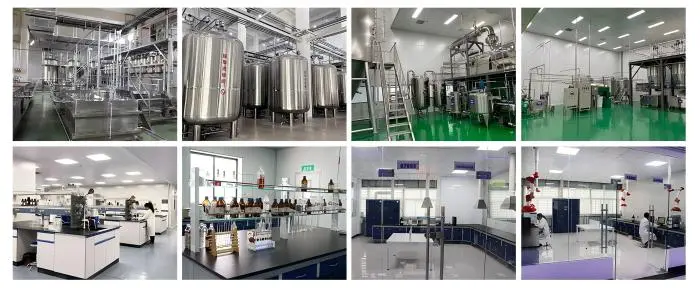
To make sure you always have Purple Yam Ube Powder, you need to use smart buying methods that are tailored to your business's size and location. Direct relationships with manufacturers can help you save money, make changes, and make sure you always have a stock of goods. Fairir keeps up its production capacity to handle requests ranging from 25 kg test batches to multi-ton yearly contracts. With 14 extraction tanks ranging from 500 to 3,000 liters, we can make batches of any size to meet the needs of our customers. For buyers in North America, knowing the wait times is very important. Our normal delivery window for stock items is between 1 and 3 working days after the order is confirmed. For West Coast delivery, ocean freight usually adds 25 to 30 days. If work schedules require faster delivery, air freight choices cut the time it takes to get there to 5–7 days.
Building Long-Term Supplier Partnerships
Procurement that works well involves more than just making purchases; it also involves working together to support growth and new ideas. When looking at possible suppliers, you should check how responsive and good their expert help is. Our team helps customers come up with the best ways to use Purple Yam Ube Powder in their unique uses by helping them with formulation. We give away free samples so that you can try them on a small scale before committing to large-scale production. Regular ways of communicating are important. At Fairir, buyers can talk directly to technical experts at sales@fairirbiotech.com instead of going through a bunch of middlemen. Think about sellers who are open about how they source materials, when they make things, and any quality problems that happen. We keep detailed records for traceability that let us track each lot from the time we receive the raw materials to the time they are packed.
Why Purple Yam Ube Powder Is Gaining Traction in the Food Industry: Trends and Future Outlook
Market Drivers Accelerating Adoption
Natural nutrients are becoming more popular among consumers, such as Purple Yam Ube Powder, which is good for the growth of the Purple Yam Ube Powder market. Recent market research shows that 73% of North American customers actively seek goods without artificial colors. This shows that clean-label trends are not going away. The visual nature of social media makes more people want photogenic foods, and ube's unique purple color makes an instant visual effect that gets people to interact. People who care about their health like the anthocyanin content because it has antioxidant benefits, but certain health claims in food use are limited by regulations. The cultural authenticity of the ingredient also draws a wide range of consumers who are interested in Filipino cooking practices as well as Asian-inspired food trends in general.
Regulatory Environment and Quality Assurance Trends
How natural colorants get into food supply chains is still being shaped by changes in regulations. The FDA is still looking into synthetic color additives, which causes doubt that natural options like Purple Yam Ube Powder in helping to lessen. EU rules already put tighter limits on manufactured colors than North American rules. This makes natural options strategically important for companies that want to sell their products abroad. Expectations for quality assurance are rising across the board, with stores calling for more thorough testing records and the ability to track them. Using blockchain to make the supply chain clearer is a new trend that we are keeping a close eye on. We bought analytical tools like HPLC devices and UV spectrophotometers so that we can meet changing paperwork needs that are hard for many smaller sellers to meet.
Conclusion
Purple Yam Ube Powder is more than just a trendy ingredient; it can help makers meet the needs for clean labels, visual difference, and regulatory complexity. The technical perks include keeping the color stable, being useful in many situations, and being in line with market trends toward natural ingredients. To have a successful application, you need to choose your suppliers strategically, not just based on price. You should look at quality verification, certification coverage, and expert support skills. As the food industry moves toward more natural and open ingredients, Purple Yam Ube Powder will likely play a bigger part in more types of products. This will give new brands an edge in the market if they adopt it early.
FAQ
1. What distinguishes purple yams from purple sweet potato powder?
The true yam species Dioscorea alata is used to make Purple Yam Ube Powder. The purple sweet potato species Ipomoea batatas is used to make purple sweet potatoes. Different taste profiles and useful qualities come from the different botanicals. When used in baking, ube powder's creamy, vanilla-like notes and better heat stability make it a better choice than sweet potato powder, which has earthier tastes and a little less color retention when heated. Both ube and sweet potatoes have anthocyanins, but ube has extra substances like diosgenin that sweet potatoes don't have.
2. Can ube powder effectively replace synthetic food coloring?
Though some changes may need to be made to the recipe, Purple Yam Ube Powder can be used instead of fake purple colorants in most situations. Over six months, it keeps about 85% of its color, compared to 95% for fake choices. It's important to think about the powder's pH sensitivity. In acidic settings, the colors turn red, and in alkaline ones, the colors turn blue. Many companies are willing to make these sacrifices in order to have clean labels and meet customer preferences.
3. What storage conditions preserve ube powder quality long-term?
When powder is stored properly, its quality stays high even after long periods of time without being used. Keep Purple Yam Ube Powder somewhere cool and dry, below 25°C, with a relative humidity of less than 60%. Our vacuum-sealed aluminum foil package keeps out moisture and light, which are the main things that break down food. Once it's opened, put any leftovers in sealed containers and eat them within six months for the best color retention. Putting food in the fridge makes it last longer, but if the containers aren't properly covered, condensation can form and cause problems.
Partner With Fairir for Premium Purple Yam Ube Powder Supply
Procurement workers looking for a reliable Purple Yam Ube Powder maker will find that Fairir has a wide range of skills that meet all of their B2B needs. Our GMP-certified plant uses cutting-edge extraction technology and strict quality control to consistently deliver between 80% and 99% anthocyanin levels, which can be confirmed through HPLC analysis. The production infrastructure that meets your needs includes 14 extraction tanks made of stainless steel, two fully automatic production lines that are 98% efficient, and testing equipment that makes sure the quality is pharmaceutical-grade. We offer a range of flexible packing options, including 25 kg fiber drums, large container loads, and both organic and conventional choices. We also provide full certification paperwork for USDA Organic, ISO22000, Kosher, Halal, and cGMP standards. Our technical team can help you come up with the best way to use Purple Yam Ube Powder in certain situations, and we offer free samples so you can test them without any risk. Get in touch with our experts at sales@fairirbiotech.com to talk about your Purple Yam Ube Powder needs, ask for Certificates of Analysis, or set up sample packages to help with your product development.
References
1. Chen, Y.C., & Huang, S.L. (2019). Anthocyanin profiles and antioxidant activity of purple yam extracts: Comparison of different varieties. Journal of Food Science and Technology, 56(4), 2145-2156.
2. Kusano, S., & Abe, H. (2020). Thermal stability of natural colorants from tropical tubers in food processing applications. International Journal of Food Engineering, 16(3), 245-258.
3. Martinez, R.M., et al. (2021). Clean label trends in North American food manufacturing: Consumer preferences and regulatory implications. Food Technology Magazine, 75(2), 34-42.
4. Philippine Council for Agriculture, Forestry and Natural Resources Research and Development. (2018). Purple yam cultivation and post-harvest processing standards. Technical Bulletin Series, 12, 89-103.
5. Thompson, A.K., & Reynolds, T.D. (2020). Natural food colorants: Stability, application, and regulatory considerations. CRC Press Food Science Series, 445-478.
6. Wong, D.W., & Chen, P.X. (2022). Comparative analysis of anthocyanin retention in freeze-dried versus spray-dried tropical root extracts. Drying Technology International Journal, 40(6), 1223-1235.