_1751965378790.webp)

Matcha Powder for Better Sleep: Can It Help You Relax?
Matcha powder, a vivid green tea made from shade-grown Camellia sinensis leaves, contains caffeine and L-theanine that may help you relax and sleep better. Matcha's amino acid composition calms energy without jitters, unlike caffeinated drinks. The powder's concentrated nutrients and bioactive ingredients make it an appealing natural alternative for light sleep support and daytime alertness.
Introduction
Matcha powder is a finely ground green tea with a high nutritional profile and growing popularity in the health and wellness industry. Global markets are interested in this traditional Japanese component, especially in wellness, food, and beverage, where customers are seeking natural alternatives to synthetic solutions. B2B procurement professionals negotiating functional ingredient changes must understand matcha's ability to improve sleep and relaxation. Bioactive ingredients, including L-theanine and catechins, distinguish the powder from other caffeinated goods. These traits make matcha a tempting natural sleep aid that keeps modern consumers moderately alert. This extensive review examines matcha's scientific and practical benefits as a sleep aid. Learn how procurement professionals and product developers can make smart sourcing selections to link product innovation with fast-developing consumer wellness trends. Competitive market positioning requires understanding matcha's calming characteristics due to the increased demand for clean-label, functional ingredients.
Understanding Matcha Powder and Its Nutritional Profile
Matcha powder is a Japanese green tea with unique cultivation, harvesting, and processing processes that maintain the leaves' nutritional value. Matcha, which is powdered, provides a concentrated amount of beneficial ingredients. Traditional green teas steep, and the leaves are discarded.
Cultivation and Processing Methods
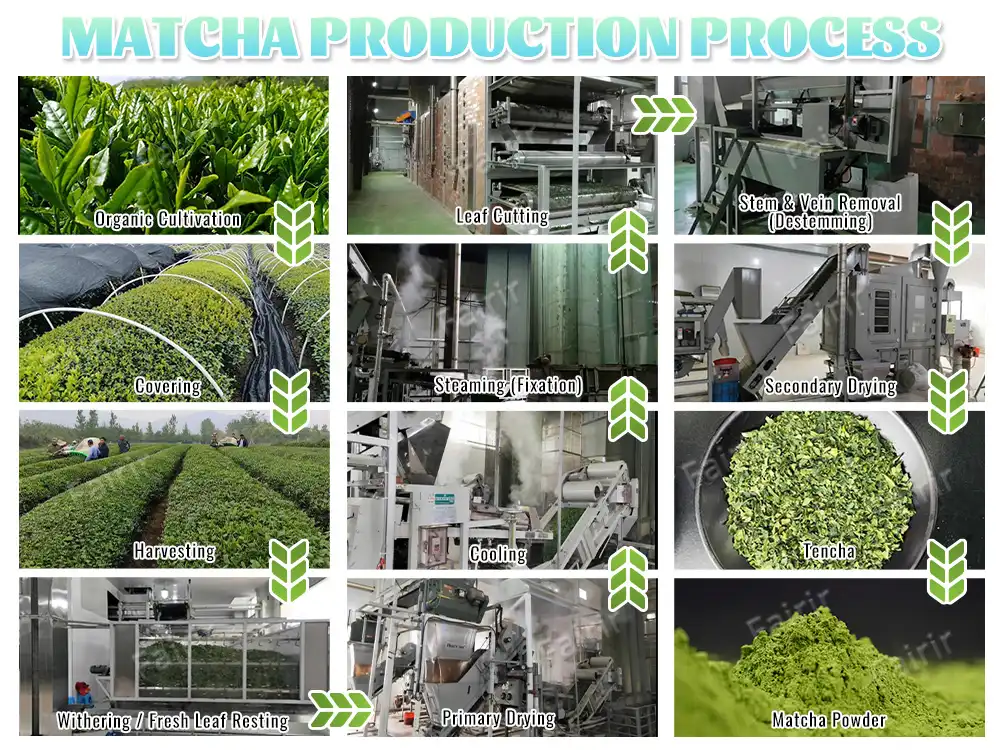
Our high-quality matcha starts with 'Oishita saibai' shaded culture, where tea plants grow under cover for 20-30 days before harvest. Premium matcha's brilliant green color and umami flavor come from chlorophyll synthesis and L-theanine biosynthesis in this controlled atmosphere, which suppresses catechin bitterness. Traditional stone-grinding turns meticulously processed leaves into ultra-fine 5–20-micron powder. Micro-milling gives whisking and frothing the texture and suspension qualities they need. Grinder temperatures must be managed to avoid damaging chlorophyll and amino acids.
Nutritional Composition and Bioactive Compounds
Due to whole-leaf intake, matcha has more nutrients than green tea. In high-quality types, catechins like epigallocatechin gallate (EGCG) make up 10-18% of the powder's antioxidants. Polyphenolic chemicals give matcha its astringent taste and health benefits. Matcha ceremonial grades include over 18 mg per serving of L-theanine, distinguishing it from other caffeinated beverages. This amino acid pairs with caffeine to provide prolonged energy without caffeine crashes. Researchers call the unusual mix "calm alertness," making matcha ideal for evening ingestion when timed appropriately.
Grade Classifications and Quality Standards
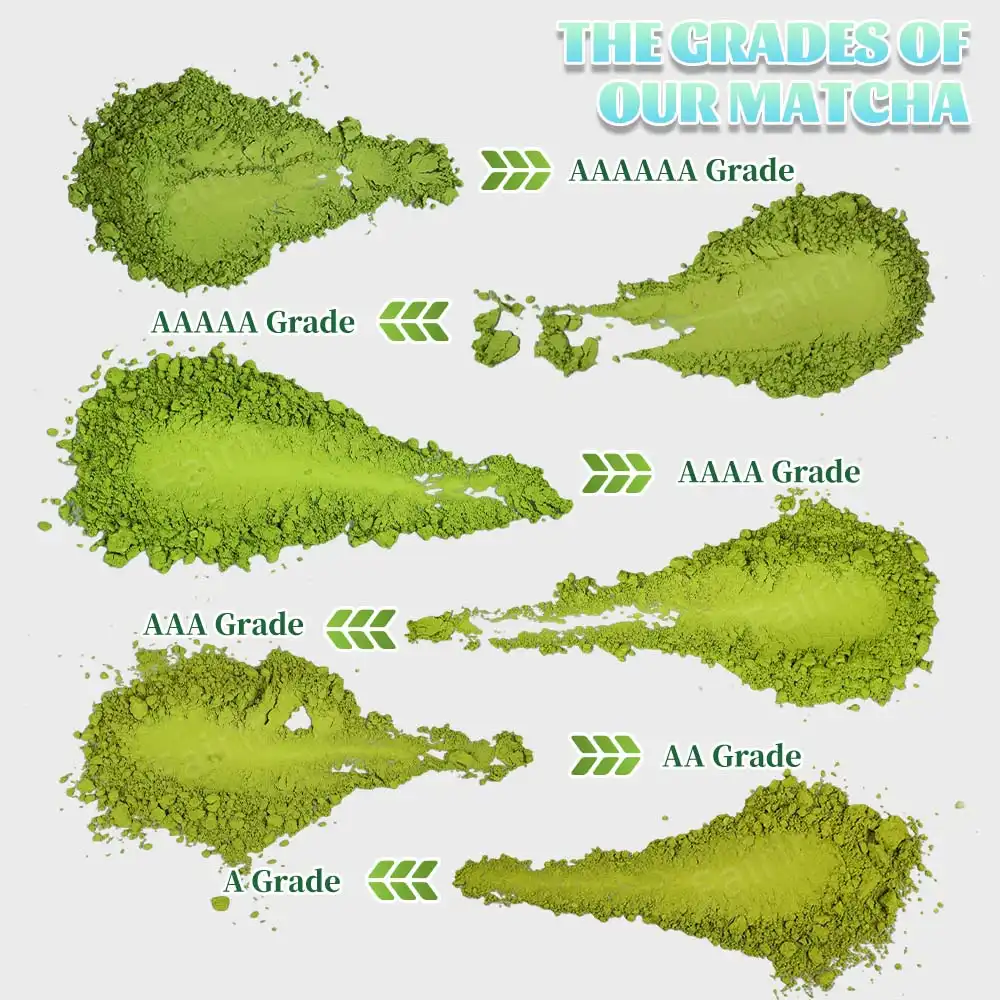
B2B procurement teams choosing matcha for specific applications must understand grade distinctions. Ceremony-grade matcha has the finest particle size, richest green color, and greatest L-theanine content, making it suitable for premium wellness products. Culinary-grade powders have stronger flavors and work well in food and beverage applications where they compete with other ingredients. Moisture content below 5%, regulated particle size distribution, and Lab color space analysis color metrics, which are measurements used to quantify color, determine quality. High-quality matcha has negative 'a' values for greenness intensity and high 'L' values for brightness, offering objective quality requirements for buying decisions.
Can Matcha Powder Help You Relax and Improve Sleep?
Matcha and sleep quality are linked by L-theanine, a unique amino acid that relaxes without sedating. L-theanine increases alpha brain wave activity, which calms alertness and reduces stress, according to a study. Matcha affects mood and cognition differently from coffee because its neurological reaction differs from caffeine's beta wave patterns.
The Science Behind L-Theanine and Relaxation
L-theanine effectively penetrates the blood-brain barrier, impacting neurotransmitter synthesis and brain wave patterns within 30–40 minutes. Studies show that L-theanine administration lowers cortisol and perceived stress while maintaining cognitive performance. The amino acid boosts GABA, the brain's main inhibitory neurotransmitter that calms the nervous system. L-theanine tempers caffeine's stimulating effects in matcha's natural ratio, avoiding coffee-induced anxiety and restlessness. This synergistic interaction releases energy over 4–6 hours rather than a rapid surge and crash like other caffeinated beverages. Caffeine-sensitive people can drink in the evening without disrupting sleep due to slow metabolism.
Comparing Matcha to Coffee and Other Stimulants
Matcha has 25-35 mg of caffeine per gram is somewhat stimulating compared to coffee. However, L-theanine, an amino acid found in tea, completely changes the effects of caffeine, eliminating jitters and enhancing focus. This makes matcha better for late-day ingestion when caffeine avoidance is not necessary, but sleep quality is. Antioxidants, which are compounds that help protect the body from damage caused by free radicals, set the powder apart from synthetic stimulants and coffee equivalents. Catechins and chlorophyll molecules may reduce stress through anti-inflammatory effects. Regular green tea drinking, especially matcha, may enhance sleep quality in some groups, but results vary.
Timing Considerations and Caffeine Sensitivity
Optimizing matcha's sleep-supportive potential requires caffeine metabolic knowledge. In healthy adults, caffeine's half-life is 5-6 hours, so afternoon ingestion may impact overnight sleep in sensitive people. Matcha's sustained release of caffeine and its concentration of L-theanine, an amino acid known for its calming effects, may lessen sleep disturbance compared to other caffeine levels. Morning or early afternoon ingestion maximizes soothing properties and allows enough time before bedtime. Some users have consumed tiny doses in the evening without sleep interruption; however, sensitivity varies. These variances should be considered when creating sleep-supportive products or providing consumer guidance.
Best Practices for Incorporating Matcha Powder into Sleep and Relaxation Routines
To maximize matcha's calming benefits, preparation, dosage timing, and complementing substances that encourage sleep are crucial. Proper methodology preserves matcha's delicate bioactive ingredients and ensures consistent consumer experiences across product applications.
Preparation Methods and Dosage Guidelines
Traditional bamboo chasen whisking creates perfect suspension and activates matcha's entire flavor profile, while current commercial mixing methods can produce similar effects. To avoid chlorophyll degradation and bitter ingredient extraction, keep water below 176°F (80°C). The temperature regulation preserves nutritional integrity and palatability for consumer acceptability. 1-2 grams of high-quality matcha powder provides enough L-theanine (18-36 mg) to calm without caffeine. These ratios should be considered while creating sleep-supportive products to balance efficacy and comfort. Standardized dosage ensures product consistency and predictability across batches.
Synergistic Botanical Combinations
Matcha with relaxing herbs can boost relaxation and create unique product positioning. Traditional sleep aids like chamomile, passionflower, and lemon balm complement matcha's moderate stimulation. These combinations appeal to consumers seeking holistic wellness solutions over single-ingredient ones. Matcha may reduce stress and improve sleep with adaptogenic herbs like ashwagandha or rhodiola. To preserve flavor balance and bioactive stability during product shelf life, these combinations require careful formulation. Understanding ingredient interactions is crucial to creating multi-component formulations with consistent benefits.
Storage and Handling Requirements
Maintaining the color, flavor, and nutritional content of matcha throughout the supply chain requires precise environmental controls. Light, heat, and oxygen rapidly destroy chlorophyll and antioxidant molecules, diminishing their appearance and function. Use opaque, airtight containers to prevent deterioration during storage and transport. Storing below 40°F extends shelf life more than room temperature; therefore, temperature control is crucial. Processing and packaging must be done carefully to keep moisture below 5% to avoid clumping and microbiological growth. These storage requirements help maintain product quality and support the premium positioning of wellness market success. Regular color retention, particle size uniformity, and bioactive compound stability testing should be part of quality assurance. HPLC analysis effectively checks the levels of L-theanine and catechins, making sure the products keep their beneficial qualities
Procurement Considerations for Matcha Powder in Wellness Product Lines
To enable effective product development and market positioning, strategic matcha procurement must balance quality criteria, supplier capabilities, cost, and regulatory compliance. Matcha production and grading methods are complex; therefore, suppliers must be carefully selected to provide consistent, high-quality ingredients that fulfill consumer standards.
Quality Certification and Sourcing Standards
Certified organic matchas are more marketable and priced higher to appeal to health-conscious consumers. Procurement teams must assess certification bodies and check the target market's organic standards. JAS accreditation adds a quality guarantee for authentic matcha. Consumers expect clarity about ingredient origins and production techniques, making traceability data crucial. Matcha suppliers should keep detailed records, from tea estates to processing facilities to packaging. This paperwork enables the prompt resolution of quality claims and supply chain issues.
Supplier Evaluation Criteria
Assessing manufacturing, quality control, and technical support is necessary to choose reliable matcha suppliers. Suppliers should have consistent particle size control, uniform extraction, and extensive analytical testing. HPLC, UV spectrophotometry, and moisture analysis are the minimum analytical requirements for quality assurance. Growing brands must consider production capacity and scalability to meet demand. Multiple extraction tanks, automated production lines, and efficient drying equipment let suppliers meet variable order volumes and maintain quality. Understand supplier constraints to avoid supply disruptions during peak demand or rapid business expansion.
Sample Testing and Quality Verification
A thorough sample examination should involve sensory, analytical, and functional performance testing before bulk purchasing. Color measurement using established methods allows comparisons of supplier quality and production lots. For beverage applications, analyzing particle size distribution assures optimal suspension. HPLC analysis verifies L-theanine levels for sleep-supportive product claims. Microbial testing ensures safety, while heavy metals screening detects pollution. These analytical procedures set baseline quality criteria and enable supply chain quality monitoring.
Integrating Matcha Powder as a Relaxation & Sleep Aid into Your Product Portfolio
Matcha is a premium ingredient that can capture significant wellness market share due to rising consumer interest in natural sleep aids and functional beverages. The global functional tea industry is growing as customers seek alternatives to pharmaceutical sleep aids and synthetic relaxing products.
Market Positioning and Consumer Trends
Clean-label preferences and sleep wellness awareness create ideal market conditions for matcha-based relaxing products. Matcha is excellent for bridging ancient wisdom with modern wellness demands since consumer research shows a preference for products with traditional use history and scientific support. Premium positioning uses matcha's Japanese background and ceremonial customs to justify higher prices. A demographic study shows that millennials and Gen Z customers value natural wellness solutions and are willing to pay more for authentic, sustainable products. These customer demographics grow functional beverage categories where matcha's unique qualities differentiate it from tea and coffee.
Product Development Applications
Ready-to-drink formulations offer great prospects for matcha in sleep-support products. Formulation with stabilizers like pectin or gellan gum is needed to keep the powder suspended and prevent sedimentation. To preserve chlorophyll and color during shelf storage, UV-protective packaging is necessary. Powder blend applications provide consumers with preparation flexibility, precision dosing, and extended shelf life. Matcha, with other sleep-supporting substances, develops formulations that address several relaxing and sleep quality factors. These multi-ingredient methods boost consumer value and premium positioning.
Success Strategies and Market Entry
Matcha's sleep aid legitimacy depends on educational marketing, given consumers' links with caffeine and alertness. Providing scientific evidence of L-theanine's relaxing qualities overcomes initial resistance and builds wellness brand authority. Clinical studies on matcha's stress-reduction advantages support marketing and professional suggestions. Wellness, sleep, and nutrition partnerships boost market acceptance through genuine endorsements. These interactions establish health and wellness distribution networks and provide product optimization feedback.
Conclusion
Matcha powder's bioactive ingredients make it a promising sleep and relaxation treatment. L-theanine, an amino acid found in tea, and caffeine, a stimulant, work together to synergistically relax the mind and clarify focus, meeting modern customers' complicated wellness needs. Supplier evaluation, quality verification, and grade distinctions are essential for strategic procurement, product performance, and market positioning.
FAQ
Can matcha really help with sleep despite containing caffeine?
Matcha contains L-theanine, an amino acid that modulates caffeine's stimulating effects and promotes calm alertness without jitters. The unique ratio of L-theanine to caffeine in matcha creates sustained energy release rather than sudden spikes and crashes, making it potentially suitable for relaxation when consumed earlier in the day. Individual caffeine sensitivity varies, so timing remains crucial for sleep-supportive benefits.
What grade of matcha works best for sleep and wellness products?
Ceremonial grade matcha contains higher L-theanine concentrations and finer particle sizes, making it ideal for premium wellness applications where relaxation benefits are primary concerns. Culinary grades may work effectively in blended formulations where stronger flavor profiles complement other calming botanicals, though L-theanine content may be lower than in ceremonial varieties.
How can businesses verify matcha quality and authenticity?
Reliable suppliers should provide comprehensive analytical testing, including HPLC analysis for L-theanine content, particle size distribution measurements, and color stability assessments. Traceability documentation from specific tea gardens through processing facilities ensures authenticity, while third-party testing for heavy metals, pesticides, and microbial contamination confirms safety compliance and quality standards.
Partner with Fairir for Premium Matcha Solutions
Shaanxi Fairir Biotech stands ready to support your wellness product development with high-quality matcha powder sourced through rigorous quality control protocols. Our facility, which meets GMP standards, has modern extraction machines, thorough testing methods like HPLC and UV spectrophotometry, and consistent production processes to guarantee high product quality. As an experienced matcha powder supplier, we understand the critical importance of L-theanine content and particle size consistency for sleep-supportive applications.
Connect with our technical team at sales@fairirbiotech.com to explore custom formulation opportunities, request analytical samples, and discuss bulk procurement strategies that align with your market positioning goals. Our commitment to transparency, competitive pricing, and reliable supply chain management makes Fairir your trusted partner for premium matcha powder solutions.
References
1. Nobre, A.C., Rao, A., & Owen, G.N. (2008). L-theanine, a natural constituent in tea, and its effect on mental state. Asia Pacific Journal of Clinical Nutrition, 17(1), 167-168.
2. Kimura, K., Ozeki, M., Juneja, L.R., & Ohira, H. (2007). L-Theanine reduces psychological and physiological stress responses. Biological Psychology, 74(1), 39-45.
3. Vuong, Q.V., Bowyer, M.C., & Roach, P.D. (2011). L-Theanine: properties, synthesis, and isolation from tea. Journal of the Science of Food and Agriculture, 91(11), 1931-1939.
4. Eschenauer, G., & Sweet, B.V. (2006). Pharmacology and therapeutic uses of theanine. American Journal of Health-System Pharmacy, 63(1), 26-30.
5. Juneja, L.R., Chu, D.C., Okubo, T., Nagato, Y., & Yokogoshi, H. (1999). L-theanine—a unique amino acid of green tea and its relaxation effect in humans. Trends in Food Science & Technology, 10(6-7), 199-204.
6. Nathan, P.J., Lu, K., Gray, M., & Oliver, C. (2006). The neuropharmacology of L-theanine: a possible neuroprotective and cognitive-enhancing agent. Journal of Herbal Pharmacotherapy, 6(2), 21-30.