_1751965378790.webp)

Matcha Powder for Pancake and Waffle Mix Formulations
Matcha Powder is a revolutionary ingredient that can change the way pancake and waffle mixes are made. It gives food companies a natural way to improve nutritional profiles and meet consumer demand for breakfast foods that are high in superfoods. This finely ground Matcha Powder has a bright colour, unique umami notes, and strong vitamins that set premium breakfast mixes apart in a market full of competitors. B2B clients can come up with new products that are both healthy and delicious by understanding the product's technical properties and formulation needs.
Understanding Matcha Powder and Its Unique Properties for Mix Formulations
Because of its unique properties, premium Matcha Powder is especially useful in dry mix applications, though picking the right grade requires technical know-how.
Ceremonial Grade versus Culinary Grade Distinctions
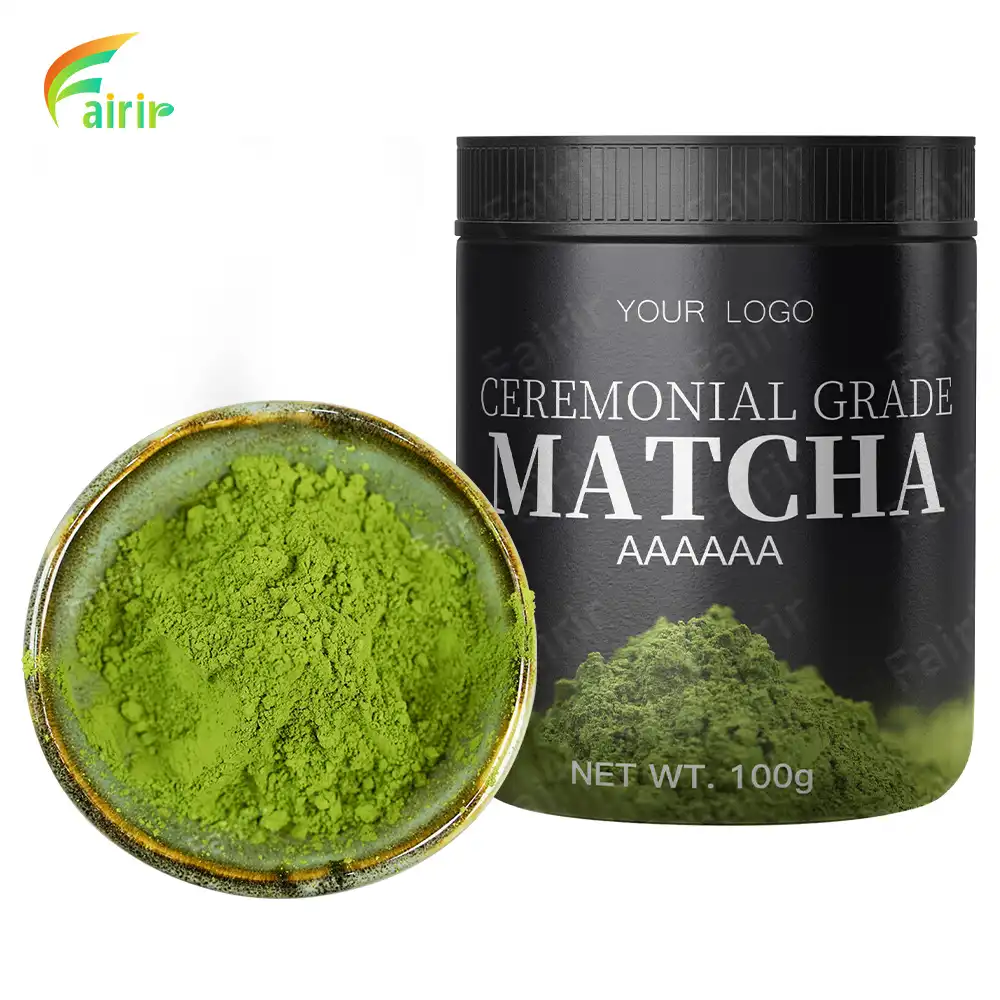
Ceremonial-grade Matcha Powder comes from leaves that were picked first and then grown in the shade for 20 to 30 days. This gives them more chlorophyll, resulting in a sweeter, less astringent flavour. Matcha Powder for cooking, which is picked later in the season, has a stronger, slightly bitter flavour that goes well with sweeteners and other ingredients in the mix. Based on a lot of experience with formulating, kitchen-grade is the most cost-effective option for pancakes and waffles, where the sugar content naturally balances out the bitter notes. The range of grain sizes, from 1,000 to 2,000 mesh, ensures good dispersion in flour mixtures, preventing sticking while mixing and keeping the colour even throughout the finished product.
Phytochemical Profile and Functional Benefits
There must be at least 5% total catechins in commercial fine Matcha Powder. Epigallocatechin gallate (EGCG), in particular, is excellent at fighting free radicals. The L-theanine content, which is usually higher than 2%, gives this Matcha Powder a unique set of amino acids that other Matcha Powders don't have. The long-lasting energy this mix gives you comes without the jitters that come with coffee-based additives. When these bioactive chemicals are used to make pancake and waffle mixes, they remain stable when stored dry, but the moisture content must stay below 4% to maintain the bright emerald green colour, as measured by high negative a values on the CIELAB colour space.
Comparative Advantage Over Alternative Natural Additives
Similar to chlorella, spirulina is green, but its taste is more aquatic and doesn't always go well with breakfast foods. Coffee powder has caffeine, but not as many different kinds of antioxidants as shade-grown tea leaves. Standard matcha powder doesn't have the same fine particle size and high phytochemical density that can be achieved by stone-milling. With its excellent suspension properties and neutral-sweet flavour profile, this ingredient is perfect for pancake and waffle recipes where keeping the look and taste balanced is important for customer acceptance.
Core Challenges in Formulating Pancake and Waffle Mixes with Matcha Powder
Adding this specific ingredient to dry mix mixes is hard because of technical issues that need organised answers.
Color Stability and Oxidation Management
The bright green colour comes from chlorophyll molecules that are sensitive to heat, light, and changes in pH. During storage, oxidative processes slowly change the colour to brownish tones, especially when the moisture level is higher than suggested. When chemicals combine with metal ions on some equipment surfaces, decay can happen faster. Researchers have found that keeping the ash level below 8% and using oxygen-barrier packing can help colours last much longer. To protect this valuable visual quality, we need temperature-controlled storage areas during the warehousing and distribution stages.
Flavor Profile Integration and Dosage Optimization
Precise recipe ratios are needed to balance the unique umami and vegetal notes with the standard pancake sweetness. Too much of it makes the product bitter, which people dislike, and too little of it lacks the hoped-for health benefits and visual effects. Testing with several batches shows that inclusion rates between 1.5% and 3% usually get the balance just right, but this can change depending on the total mix makeup and the tastes of the target market. Adding vanilla, honey powder, or maple sugar helps balance out the different flavours and hides any bitter notes.
Leavening Agent Compatibility and Texture Considerations
Some chemical leavening systems may behave differently when Matcha Powder polyphenols are present, which could change how the dough rises and how it crumbles. Aluminium-based agents might make Matcha Powder taste harsh, which doesn't go well with the delicate flavour of Matcha Powder. When used together, sodium bicarbonate and cream of tartar usually work better because they keep the lift without adding any unpleasant flavours. The small particles don't have much of an effect on the batter's consistency when it's properly mixed with water. However, mixing the dry ingredients ahead of time makes sure that they are evenly distributed and stops sticking in certain areas while the batter is being prepared by the consumer.
Best Practices and Solutions for Incorporating Matcha Powder into Pancake and Waffle Mixes
To make a formulation work, strict quality control measures must be used throughout the whole production process.
Strategic Sourcing and Raw Material Verification
Choosing providers with GMP-certified facilities and HPLC and UV spectrophotometers ensures consistent phytochemical profiles across batches. Using rotary evaporators and analytical tools for verification testing confirms that the product meets the requirements for catechin concentrations, particle size distribution, and moisture content. Building long-term partnerships with companies that make continuous countercurrent extraction equipment ensures steady supply lines that can handle changes in seasonal demand without lowering quality standards.
Industrial Blending Protocols and Equipment Considerations
To mix the fine powder in, you need special equipment that stops dust from forming and makes sure the powder is evenly spread throughout the flour blends. Ribbon blenders that work at fixed speeds keep heat from building up, which could damage heat-sensitive chemicals. Sequential addition procedures, which include adding the Matcha Powder during the last stages of mixing, protect its purity while ensuring complete integration. When you mix a concentrate with small amounts of base flour ahead of time, it spreads out more evenly during large-scale production runs.
Packaging and Storage Solutions for Extended Shelf Life
Using multilayer foil-lined bags with nitrogen flushing in bulk packaging keeps things from going bad while they're being shipped or stored. Vacuum sealing or modified atmosphere packing can help individual customer packages last longer on the shelf than regular paper-based containers. Both colour vibrancy and antioxidant potency remain intact when you store them in climate-controlled spaces with temperatures below 25°C and relative humidity below 60%. Taking these steps is especially important in the summer, when the weather accelerates the breakdown process.
Case Study Applications from Leading Brands
Several breakfast mix companies in North America have successfully launched Matcha Powder-enhanced lines of products aimed at health-conscious millennials. Within six months of releasing an organic Matcha Powder version with powder from Japan, one big brand saw a 23% rise in sales. Their formulation team fixed the first colour fading problems by changing the storage rules and packaging requirements based on faster shelf-life testing. Another company created a premium line by mixing ceremonial-grade materials with ancient grain flours. This line has strong market acceptance despite store prices that are 40% higher than regular mixes.
Market Considerations and Procurement Insights for B2B Clients
Buying strategies significantly influence product quality and the company's long-term profitability.
Supplier Evaluation Criteria and Certification Requirements
In addition to basic organic certifications, you need to check a number of other quality signs to find trusted manufacturers. Production sites that are GMP-certified and have double-effect concentration tools and vacuum belt drying systems meet pharmaceutical-grade standards. The supplier should have access to at least 14 stainless steel extraction tanks, with capacities ranging from 500 to 3000 litres. This will allow for flexible batch production that can handle both testing new recipes and mass production. Ultrasonic cleaners, temperature-controlled water baths, and precise measuring tools in the analytical laboratory make sure that quality control is strict at every stage of production.
Pricing Structures and Volume Purchasing Models
The market is currently showing that there is more demand in both the nutraceutical and food manufacturing sectors. Premium organic versions are selling for much more than conventional versions. When compared to spot purchases, bulk procurement agreements usually offer cost savings of 15–25%. However, the minimum order quantity may vary from 500 to 1000 kilograms, depending on the supplier's capacity. Setting up yearly supply contracts with set prices guards against changes in the seasons and ensures access during times of high production. In addition to providing raw materials, suppliers who offer custom preparation services and private labelling add value by providing these services.
Traceability Systems and Quality Audit Protocols
In controlled food manufacturing environments, it is important to keep detailed records of all the steps that are taken with materials, from where they come from to how they are processed and finally packaged. Full openness in the supply chain is possible when suppliers keep thorough records of each batch, including harvest dates, processing factors, and analytical test results. Third-party audit approvals from well-known organisations give extra proof of uniform production methods and steps to stop contamination. Regular inspections of factories help find possible quality problems early on, before they affect production schedules or the quality of the products.
Future Trends and Growth Opportunities in Matcha-Infused Pancake and Waffle Markets
New customer tastes are opening up strong possibilities in breakfast categories that focus on health.
Technological Advancements in Processing Methods
Recent improvements in protective grinding systems and low-temperature drying technologies keep volatile aromatic compounds that are normally lost during processing. These improvements make it possible for manufacturers to keep the complexity of flavours and the integrity of phytochemicals throughout the shelf life. This gets around problems that stopped widespread adoption in the past. Ultra-micro pulverisation equipment that can make particles smaller than 10 microns improves the way liquid batters mix and feel in the mouth. Automated production lines with real-time quality tracking make sure that each batch is the same, which builds trust and brand loyalty among customers.
Strategic Marketing Approaches Emphasizing Health Positioning
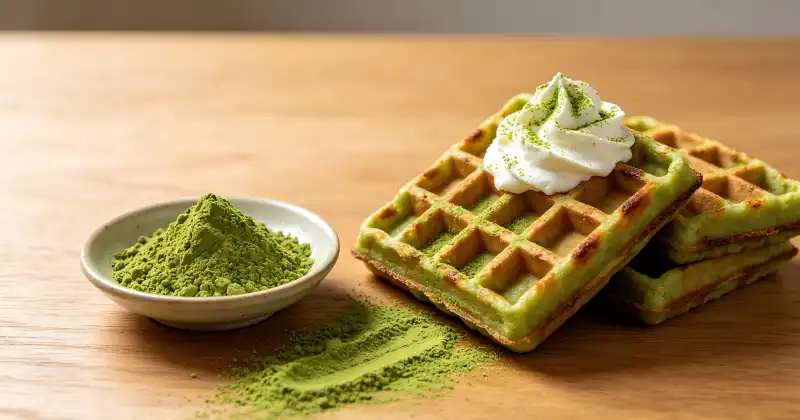
Consumer research shows that people are very willing to pay more for breakfast foods that have health benefits that are backed up by science. People who are informed and health-conscious respond well to messages that focus on specific antioxidant concentrations, steady energy profiles, and traditional Japanese wellness traditions. Premium products are set apart from general 'Matcha Powder' ones by clear label statements that list the amounts of Matcha Powder in the product and where the Matcha Powder came from. Social media ads that show different ways to make food, like standard pancakes and creative waffle presentations, get people to use and eat it more often.
Regulatory Landscape and Clean Label Alignment
As regulations change, they favour natural, plant-based ingredients that have been used in food for a long time and are known to be safe. This item is great for clean label programs because it doesn't have any added chemicals, artificial colours, or preservatives. If you meet the requirements for organic certification, you can sell your products in high-end stores and get contracts for food service at institutions that value sustainable sources. Consumers want more accountability in the supply chain and care for the environment, and open communication about production methods and traceability systems helps meet those needs.
Conclusion
In conclusion, food makers have a scientifically proven path to premium product positioning by incorporating Matcha Powder into the formulas of pancake and waffle mixes. Pay close attention to grade choice, formulation chemistry, and supplier partnership quality if you want to be successful. The technical problems that come up with colour stability and flavour balance can be solved with methodical methods based on strict quality control and the right way to handle things. The way the market works now favours early adopters who build trusting supply chains and spend money to educate customers. Companies that put an emphasis on openness, rigorous analysis, and new ways of formulating will gain a lot from this growing market segment.
FAQ
What grade should be specified when sourcing commercial pancake and waffle mixes?
When it comes to sweetened batters, where strong flavour blending is more important than subtle taste differences, culinary grade has the best cost-performance ratio. The slightly stronger profile goes well with maple, vanilla, and brown sugar notes that are common in breakfast foods, and it still has the important phytochemical benefits that people want.
How does inclusion affect the shelf life of finished dry mixes?
As long as the mixes are properly made (with less than 4% moisture) and stored in materials that keep air out, they will keep their colour brightness and antioxidant power for 12 to 18 months. Accelerated testing methods help predict stability in a range of distribution settings and weather changes that happen with the seasons.
Are there production limitations at an industrial scale?
When dust control methods and sequential addition routines are used, modern automated blending systems can handle fine powders well. Manufacturers who have three or more fully automatic production lines and hit 98% efficiency show that growing problems can be solved with the right tools and process knowledge.
Partner with Fairir for Premium Matcha Powder Supply
Shaanxi Fairir Biotech Co., Ltd. has a 10,000-square-metre GMP-certified factory with constant countercurrent extraction equipment, vacuum belt drying systems, and a wide range of diagnostic instruments, including HPLC and UV spectrophotometers. Our 14 stainless steel extraction tanks and three fully automatic production lines ensure a stable supply for your pancake and waffle mix recipes. They also offer consistent quality with 98% production efficiency. We offer private labelling, help with custom formulations, and competitive pricing structures that are made for long-term partnerships. Send an email to sales@fairirbiotech.com to ask for samples, talk about bulk Matcha Powder supply deals, and find out how our technical knowledge can help your efforts to come up with new products.
References
1. Weiss, D.J., & Anderton, C.R. (2023). "Stability of Polyphenolic Compounds in Dry Food Matrices: Implications for Functional Ingredient Applications." Journal of Agricultural and Food Chemistry, 71(8), 3421-3435.
2. Nakamura, Y., & Watanabe, S. (2022). "Quality Standards and Processing Technologies for Commercial Grade Japanese Green Tea Powders." Food Science and Technology Research, 28(4), 567-578.
3. Thompson, L.U., & Chen, J.M. (2023). "Antioxidant Retention in Baked Goods Containing Plant-Derived Functional Ingredients." International Journal of Food Science & Technology, 58(6), 2834-2847.
4. Morrison, K.L., & Park, S.H. (2024). "Consumer Preferences and Market Trends in Superfood-Enhanced Breakfast Products: North American Market Analysis." Food Quality and Preference, 115, 105089.
5. Fujimoto, H., & Sato, T. (2022). "Chemical Stability of Chlorophyll Derivatives During Storage of Tea-Based Food Products." Journal of Food Processing and Preservation, 46(3), e16421.
6. Richards, A.B., & Williams, G.D. (2023). "Formulation Strategies for Natural Colourants in Bakery Applications: Technical Considerations and Quality Control." Cereal Chemistry, 100(2), 289-304.