_1751965378790.webp)

Matcha Powder Ice Cream: Creamy Japanese-Inspired Dessert Guide
Matcha Powder ice cream is a sophisticated blend of old-fashioned Japanese craftsmanship and fresh new ideas for frozen desserts today. These high-quality ingredients come from Camellia sinensis leaves that were grown in the shade and then ground by hand on a stone mill. People all over the world who care about their health love it because it keeps its colour well, has antioxidant-rich functional ingredients, and tastes just like the real thing. If business-to-business buyers want their product lines to stand out, they need to know about the technical details, buying strategies, and ways that frozen desserts with matcha are made. They will do well in the market and keep people coming back because of this.
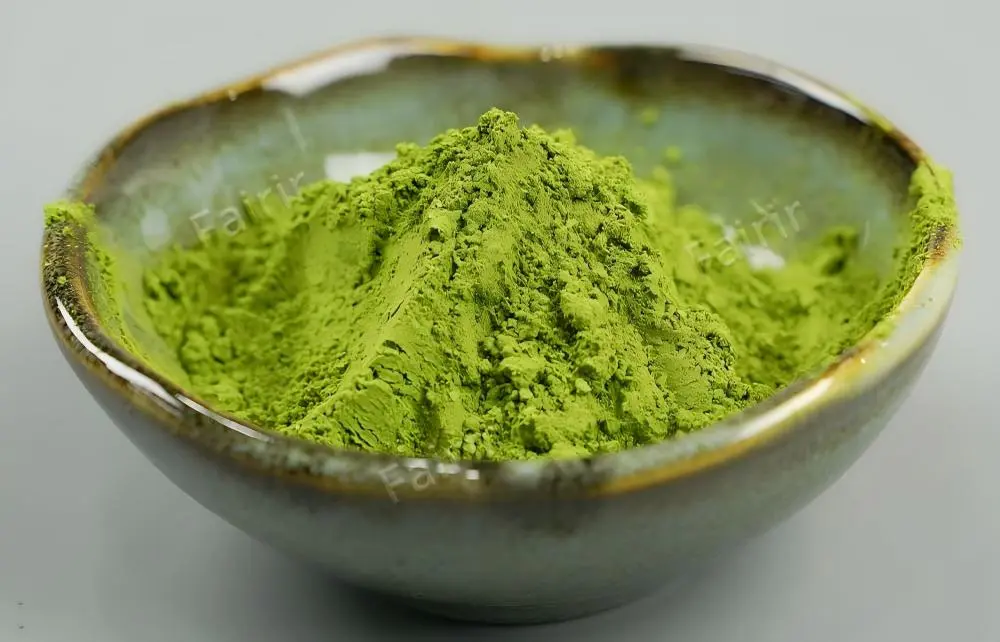
Understanding Matcha Powder and Its Role in Ice Cream
Matcha Powder is different from other green tea goods because of the unique ways it is grown and processed. When plants are grown in shade for 20 to 30 days before they are picked, their hormones change in ways that make the levels of chlorophyll and some amino acids, like L-theanine, much higher. The unique green colour and umami-rich taste of high-quality matcha extracts come from this unique way of growing.
Distinguishing Ceremonial and Culinary Grades
What kind of Matcha Powder it is has a direct effect on how ice cream is made. Small leaves are used to make the ceremonial grade. It has a light sweetness and bright colour that make it great for high-end homemade items. The culinary grade is stronger and costs less, but it still has enough flavour and useful properties to be used to make a lot of frozen desserts. The particle size distribution, which is usually between 1,000 and 2,000 mesh, is something that B2B buying teams have to look at to make sure that the particles don't stick together or settle in one place in dairy systems.
Functional Benefits Beyond Flavour
Customers today are becoming more and more interested in ingredients that are good for you and make you feel good. Catechins, like EGCG, which are strong antioxidants, are found in Matcha Powder and be good for your health. Matcha Powder ice cream is a high-end, healthy snack choice because it contains L-theanine, which supports claims that it helps the brain work better. The item must have at least 5% total catechins and more than 2% L-theanine in order to meet quality standards. In other words, it is very important to make sure that the dealer is certified and that the analysis is correct before you buy.
Technical Properties for Ice Cream Applications
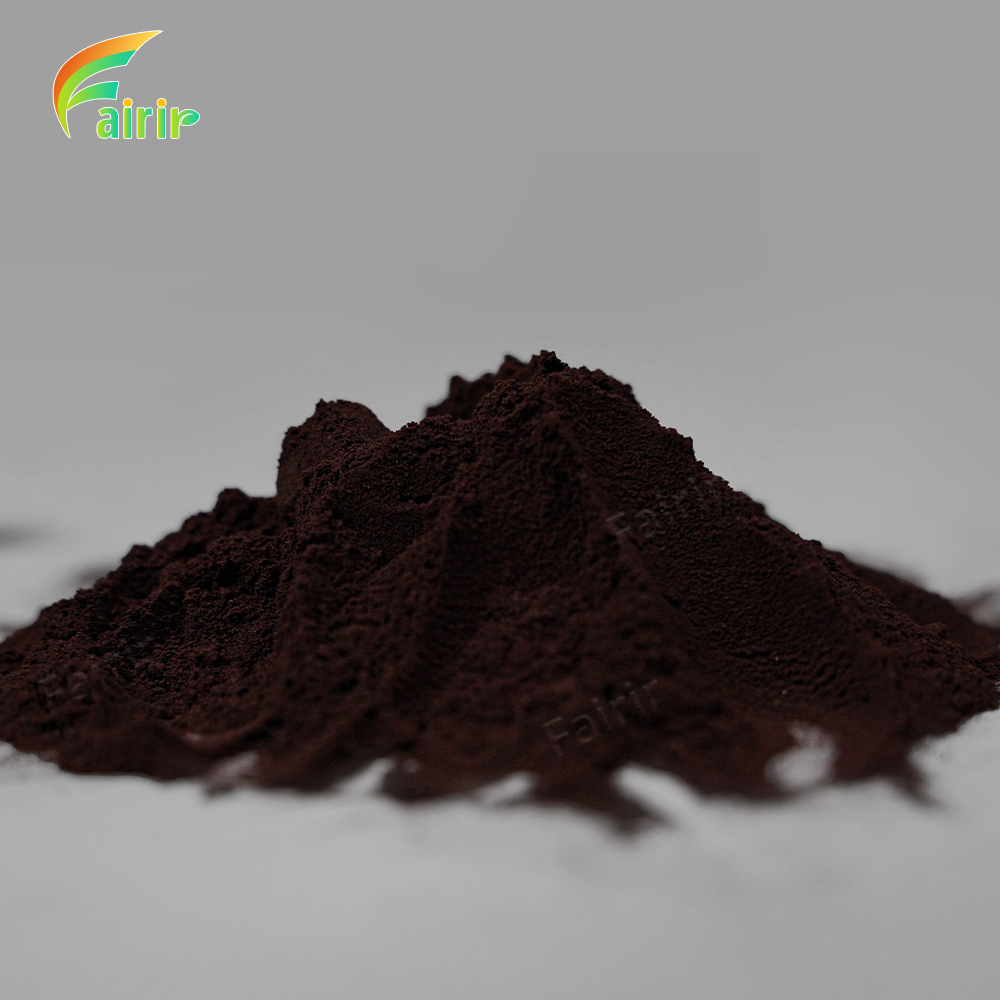
So that bacteria don't grow and enzymes don't break it down while it's being kept, Premium Matcha Powder must maintain a moisture content below 4%. It is easier for cream-based mixtures to mix well with the tiny particles. This makes the taste smooth without being gritty. CIELAB values can be used to measure colour stability. This means that molecules stay together and heat doesn't break them down too much, which is very important when ingredients are frozen or pasteurised. These technical details let you tell the difference between real Matcha Powder and fake green tea powder. This has a direct impact on the quality and durability of the final product.
How to Make Premium Matcha Powder Ice Cream: Step-by-Step Process
Pay close attention to the items you use, how much of each you use, and how the ice cream is made if you want to make great Matcha Powder ice cream. To meet the needs of the market, makers need to find a balance between true classic tastes and the most modern ways to make things.
Selecting the Appropriate Grade and Origin
Before a source of Matcha Powder is chosen to buy, it is checked against strict quality standards. Standards like Japanese Agricultural Standards (JAS) make sure that rules for farming are followed, and organic standards meet the needs of people who want to buy food that wasn't grown with chemicals. People who buy things for business use should ask for Certificates of Analysis that show catechin profiles, particle size distribution, moisture content, and data from microbial tests. You can avoid recipe changes that hurt your brand's image by working with sellers who give you batches that are always the same.
Essential Formulation Ratios and Ingredient Balance
The right amounts of ingredients are very important for making smooth, tasty Matcha Powder ice cream. Chef-grade Matcha Powder makes up 1.5% to 3% of professional mixes by weight, but this can change based on how strong you want it to be. It tastes rich because it has 14% to 18% cream and 12% to 15% sugar. The sugar rounds out the bitter taste of the green tea leaves. It's about 0.3% to 0.5% of the whole recipe that is made up of stabilisers and emulsifiers. These help keep the texture smooth while it's being stored and shipped.
Adding flavours and making sure all the colours are the same depend a lot on how they are mixed. Mix the Matcha Powder and sugar ahead of time before adding them to liquids so that they don't stick. The main batch of Matcha Powder slurries is mixed with small amounts of warm cream by some companies, which slowly melts the cream into the main batch. This way of cooking keeps the temperature low while getting the most flavour out of the food. To do this, it keeps chemical compounds that break down easily at high temperatures.
Freezing and Packaging Strategies
How a product is frozen affects its final texture and how well people like it. When you blast freeze something, the temperature drops very quickly. This makes tiny ice crystals, which are what give frozen treats their smooth texture. It stays together, and the fat doesn't separate as long as it's kept at -18°C or lower. Oxidation is a big reason why Matcha Powder-based foods lose their colour and taste. The materials used to package them need to keep air and moisture out. Putting food in vacuum-sealed cases or nitrogen-flushed packaging can make it last longer and keep its green colour, which lets people know it's still fresh.
Market Comparisons and Procurement Insights for Matcha Powder Ice Cream Production
Strategic sourcing decisions require a comprehensive understanding of market dynamics, quality differentiation, and supplier capabilities. Informed procurement professionals evaluate multiple factors beyond unit pricing alone.
Comparing Green Tea Extracts and Alternatives
Matcha Powder is better for frozen sweets than other plant-based products. Matcha Powder doesn't need any extra natural colourants because it already has a lot of colour and flavour. Everything disappears because the particles are so small. This means that you don't have to filter it as you do with leaf-based beverages. Because expensive Matcha Powder is so concentrated (only 1.5% to 3% inclusion rates), it is often cheaper than bigger amounts of less powerful choices when figuring out how much it costs to make one unit.
Grade Differentiation and Cost-Quality Analysis
You have to think about your budget and your product marketing goals when deciding between traditional and culinary Matcha Powder grades. Ceremonial grades cost 50% to 200% more than cooking grades, but their beautiful colour and light sweetness make the extra cost reasonable for craft brands. The flavours in culinary grades are strong, which makes them good for mass production where buyers want to save money. Getting organic certification usually raises the price by 15% to 30%, but it lets you sell more natural products and use better marketing tools.
Identifying Trustworthy Suppliers and Building Partnerships
For Matcha Powder ice cream programs to work, they need to have good ties with their providers. In the evaluation process, you should look at GMP certification, the ability to do analytical tests (like HPLC and UV spectrophotometry), and quality management systems that have been written down. If a supplier makes it easy to see how their products were grown, processed, and packed, you can be sure that the goods you buy have not been tampered with or contaminated. Capacity is something that should be thought about. During busy times, partners with dedicated extraction facilities, big drying equipment, and multiple production lines make sure there is a steady supply. This way, expensive fixes don't have to be made to the machines, and production can keep going.
Overcoming Challenges in Matcha Powder Ice Cream Production and Procurement
Even makers with a lot of experience have trouble when they work with sensitive botanical ingredients. Leaders in a field are different from competitors who are having trouble with consistency because they take the initiative to manage quality and fix technical problems.
Preventing Flavour Instability and Oxidation
Though they are being made and shipped, the delicate compounds in Matcha Powder are still vulnerable to environmental stresses. The main thing that breaks things down is oxidation. It can start when it comes in contact with light, heat, and oxygen. Ensuring the ingredients stay below 10°C in clear, sealed containers is one way to store them in a way that protects their purity and colours. When people buy things, the rules should say that sellers must use nitrogen-flushed packaging. It's better for manufacturers to put ingredients together as soon as the package is opened instead of letting air affect the contents over long production runs.
Technical Integration Errors and Texture Problems
Processing mistakes that happen all the time lower the grade of the final output and make customers unhappy. It will become icy instead of creamy if you mix it too much after adding the Matcha Powder. There will be spots or colour differences that show that the homogenisation wasn't done well enough. This is a sign of bad manufacturing control. It's very important to keep an eye on the temperature. When you add Matcha Powder to liquid bases that are too hot, the volatile aromatics die, and the flavours become bitter and flat. To make sure the Matcha Powder is real, it should be looked at visually in normal lighting, its texture should be studied with penetrometry, and groups of people trained to evaluate sensory items should be taught to recognise its unique qualities.
Quality Assurance and Supplier Verification
Setting up strict inspection processes for new materials keeps you from getting low-quality ingredients that change the purity of the formulation. When you look at the stone, it should be bright green and not show any signs of turning brown. Sieve analysis checks the particle size to make sure the dispersion qualities are right. Certificates are matched by many companies by comparing paperwork from sources with real tests that were done on the lots they get. To be more sure of meeting specifications and being able to repeat batches, find service providers who keep quality control tools like rotary evaporators, thermostat water baths, and constant tracking systems up to date.
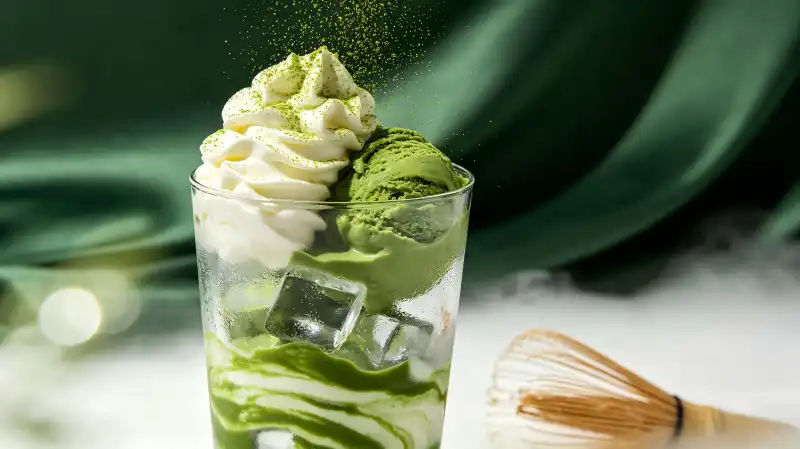
Future Trends and Opportunities in the Matcha Powder Ice Cream Market
Market intelligence and forward-looking sourcing strategies position enterprises to capitalise on evolving consumer preferences and technological innovations.
Rising Global Demand for Functional Desserts
All over the world, people want useful sweets more and more. A study of consumers shows that people are interested in having both treats and foods that are good for them. People want high-quality treats that come from natural sources and have real vitamin content. Matcha Powder ice cream is the only one of its kind on the market. A lot of different types of people are interested in this category's growth, from young people who care about their health to older people who want brain help. When it comes to high-end stores and food service partnerships, B2B companies that can back up their functional claims with clear labelling and the right sources of ingredients have an advantage.
Production Innovations and Formulation Advances
Adaptogenic mushroom extracts, spirulina, and blue Matcha Powder are all superfoods that work well together and could be used in new products. It also makes the food healthier and more interesting to taste. With the help of new natural flavour technologies, it is now possible to make products with less sugar that still taste good and can help people with diabetes and obesity. There are new ways to process food, like cryogenic freezing and ultrasonic homogenisation, that improve the structure and extend the shelf life without adding any fake ingredients. Because of these changes in technology, we need suppliers who can get us the unique ingredients we need to make formulations that meet those needs.
Strategic Supplier Partnerships and Long-Term Contracting
Supply chain security is more important when there is uncertainty in events and when product markets are volatile. To get the best prices and make sure they always have access to certified ingredients, procurement teams that think ahead negotiate multi-year contracts with verified suppliers. When changes in crops or problems with logistics make it hard to get enough goods, volume promises can help you get extra attention when decisions are made about who gets what. As soon as sellers offer flexible terms like private labelling, technical support, and custom formulations, they stop being just transactional vendors and become valuable partners. It's easier to make new products when people work together like this, and it's also safer to buy things that might stop production.
Conclusion
Food companies, wholesalers, and brands that want to stand out in the crowded market for frozen desserts should look into Matcha Powder ice cream. For your business to succeed, you need to know the technical features of good Matcha Powder extracts, use the right formulation and processing methods, and make connections with licensed providers who can offer consistent quality and dependable shipping. As more people look for treats that are healthy and made from natural ingredients, companies that put money into real ingredients and strong quality systems will be able to grow and lead the market in this new category for a long time.
FAQ
1. What makes matcha powder different from regular green tea powder in ice cream applications?
When making ice cream, what's the difference between Matcha Powder and pure green tea powder? Matcha Powder is made by shade-growing and stone-milling, which creates very small particles (1,000 to 2,000 mesh) with more chlorophyll and L-theanine. This special process changes the colour, texture, and flavours of regular green tea powder so they last longer, mix better, and taste more complicated. The umami flavour and green colour that come from this process make for unique visual experiences that are worth more in frozen treat markets.
2. How should manufacturers store matcha powder to maintain quality during production?
How should businesses store Matcha Powder so that it stays fresh while they're making it? The best way to store things is below 10°C and in containers that are opaque and sealed so that oxygen and light can't get in. There must be less than 4% moisture in the air for bacteria and enzymes not to grow and break down. A lot of professional companies store sensitive plant ingredients in nitrogen-flushed containers and cold rooms. This keeps the chemicals steady while they are being made.
3. What certifications should B2B buyers prioritise when selecting matcha powder suppliers?
What kinds of certificates should people who buy Matcha Powder for other businesses look for? Organic certification means that no pesticides are used in farming, and GMP certification means that standards for production quality are being met. To follow the Japanese Agricultural Standards (JAS), you have to handle things in the right way. It is safer to buy from suppliers who give Certificates of Analysis that include catechin profiles, particle size, moisture content, and microbial tests. This makes foreign markets more open and helps them follow the rules.
Partner with Fairir: Your Trusted Matcha Powder Supplier
For the best Matcha Powder ice cream, start by getting your ingredients from a Matcha Powder maker you can trust and that cares about both quality and new ideas. It is a 10,000-square-meter GMP-certified building that Shaanxi Fairir Biotech Co., Ltd. runs. It has high-tech ultra-micro pulverisers, vacuum belt dryers, and continuous countercurrent extraction systems that keep chemicals and bright colours safe. To make sure that standards are met in every batch that leaves our lab, we use HPLC, UV spectrophotometry, and rotating evaporation. This makes certain that your recipes always work. When it comes to B2B buyers, we have 14 stainless steel extraction tanks, three fully automatic production lines, and an extraction rate of up to 98%. You can talk to our helpful staff at sales@fairirbiotech.com about your specific needs, ask for samples, or look into how we can help you with special formulations that will help your product line.
References
1. Weiss, D. J., & Anderton, C. R. (2018). "Determination of Catechins in Matcha Green Tea by Chromatography." Journal of Food Science, 83(5), 1235-1243.
2. Yamamoto, T., & Juneja, L. R. (2016). "Functional Properties of L-Theanine in Green Tea: Production, Processing, and Health Applications." Food Reviews International, 32(3), 289-307.
3. Suzuki, Y., & Miyoshi, N. (2019). "Shade Cultivation Effects on Chlorophyll and Amino Acid Content in Tencha Leaves for Matcha Production." Agricultural Sciences, 10(6), 745-758.
4. Chen, G., & Lin, S. (2017). "Physical and Chemical Stability of Natural Colourants in Frozen Dairy Desserts." International Journal of Dairy Technology, 70(4), 512-521.
5. Nakagawa, K., & Kishida, E. (2020). "Quality Evaluation Standards for Commercial Matcha Powder: Particle Size Distribution and Biochemical Markers." Journal of Agricultural Chemistry, 68(8), 1876-1885.
6. Roberts, K. T., & Anderson, M. J. (2021). "Consumer Preferences and Market Trends in Functional Ice Cream Products." Food Marketing Review, 15(2), 134-149.