_1751965378790.webp)

Pure Resveratrol Powder: Applications in Dietary Supplements
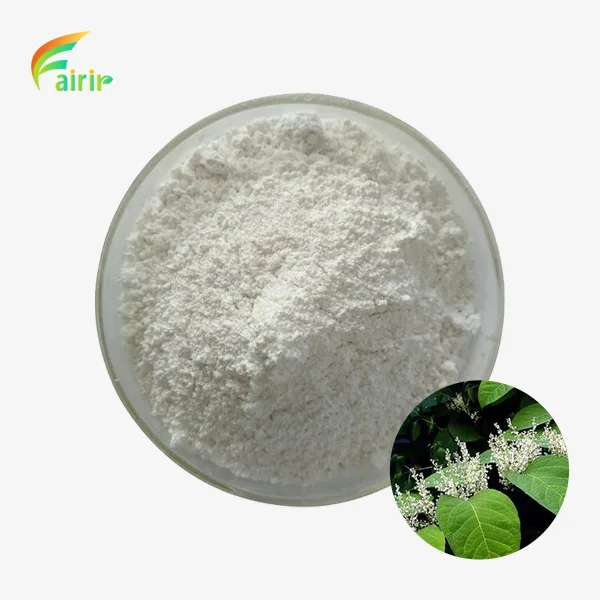
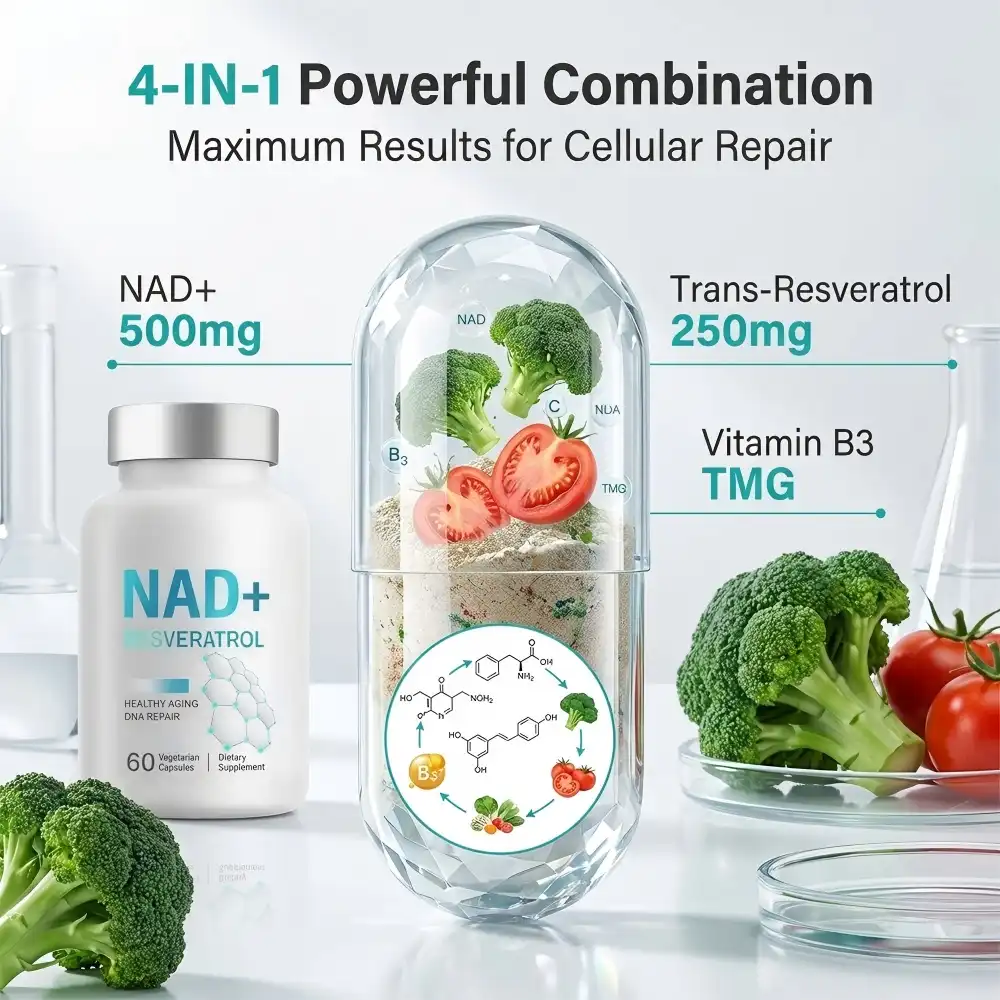
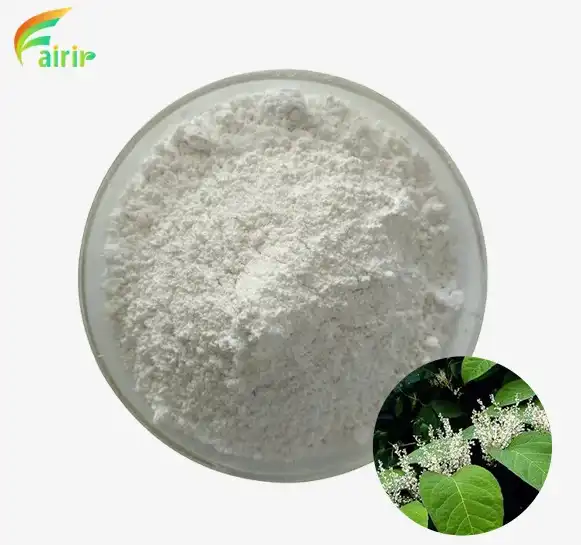
Pure Resveratrol Powder is a pure plant extract that is standardized to contain 98% trans-resveratrol. It is mostly made from the roots of Polygonum cuspidatum, which is also known as Japanese knotweed. This very pure polyphenol is an important active ingredient in dietary products that aim to improve metabolic health, cardiovascular health, and cell life. This ingredient, which has a fine white crystalline look (CAS: 501-36-0), goes through strict HPLC testing to make sure it is of pharmaceutical-grade quality and can be used in nutrition and functional food pill, tablet, and powder formulations.
Understanding Pure Resveratrol Powder and Its Benefits
The basic chemistry of resveratrol is based on its stilbenoid structure, especially the trans-isomer configuration, which is more biologically active than the cis cousin. Researchers have found that this natural substance is a powerful antioxidant that works by blocking free radicals and turning on sirtuins, which are proteins that play a role in the aging process of cells. Better endothelial function and support for fat metabolism have been shown in clinical tests to have real effects on the cardiovascular system. When it comes to making food supplements, powders are clearly better than liquid extracts. They are more stable during storage and production, easier to control the amount, and can last longer if stored properly.
Chemical Composition and Purity Standards
Trans-resveratrol has a molecular weight of 228.25 g/mol and a formula of C14H12O3. Its freezing point is usually between 253°C and 255°C. The 98% standardization shows the substance that has been confirmed by high-performance liquid chromatography. This tells the difference between pharmaceutical-grade material and plant products with lower concentrations. This specification is especially important for manufacturers who want their end goods to work the same from batch to batch. Quality sellers do extra tests to make sure there are no contaminants like emodin (which can make you go to the bathroom more often than you want to) and polycyclic aromatic hydrocarbons. This makes sure they meet strict FDA and EU regulations.
Health Applications in Supplement Development
Modern studies in nutraceuticals have found a number of ways that resveratrol helps people reach their health goals. Its main use in cardiovascular medicine is to support healthy blood valve flexibility and keep cholesterol levels in check. The anti-aging part works by turning on processes that make you live longer, especially SIRT1 genes that help fix cells and keep your metabolism in check. New uses look into ways to improve metabolic health by changing insulin sensitivity and supporting brain function through neuroprotective qualities. Manufacturers of dietary supplements usually use doses between 100 mg and 500 mg per serving, which strikes a balance between bioavailability and effectiveness. The powder form works well with many delivery methods, such as standard pills and tablets, as well as new functional drinks, Pure Resveratrol Powder, and gummy bears.
Comparison of Pure Resveratrol Powder with Alternative Products
Buyers come across a number of different types of resveratrol products, each with its own set of technical features. By knowing these differences, you can choose the right raw materials for your product and meet the needs of the manufacturing process.
Trans-Resveratrol Versus Red Wine Extracts
Red wine extracts usually have between 5% and 20% resveratrol along with polyphenolic complexes like proanthocyanidins and anthocyanins. Standardized trans-resveratrol powder, on the other hand, has concentrated active molecules that are 98% pure. The extract method gives a wider range of antioxidants, but it makes doses less accurate. The molecular isolation of trans-resveratrol makes it possible to predict its bioactivity patterns, which is important for making clinical-grade supplements. Stability tests show that resveratrol by itself stays active for 24 to 36 months when stored properly, but only 12 to 18 months for complex grape products that break down easily due to oxidation. Bioavailability is still a problem for both forms. To get around the problem of not dissolving well in water, methods like micronization or lipid-based delivery systems can help.
Natural Sourcing Versus Synthetic Production
The usual way to get it is to use botanical extraction on Japanese knotweed roots. This method offers organic and non-GMO certifications that are valuable in high-end supplement markets. New developments in bioengineering have made it possible for yeast to ferment in ways that produce similar molecular structures through controlled microbial processes. Resveratrol, which comes from fermentation, solves the environmental problems that come with wild-harvesting and makes sure that each batch is the same. When you compare analytical data, you can't tell the difference in performance traits, but in some market groups, consumers may prefer plant sources. No matter the production method, the review of a supplier should check the source's openness, the testing documents, and the authenticity of the certification.
Evaluating Supplier Quality Indicators
Manufacturers you can trust show their dedication to quality in several ways that can be checked. GMP approval shows that a company follows strict rules for making medicines. These rules cover things like building the right facilities, keeping the machines in good shape, training employees, and keeping records. Testing by a third party from a recognized lab gives proof of promises of cleanliness, limits on microbes, and heavy metal content. Each batch should come with a Certificate of Analysis that includes HPLC chromatograms, spectrophotometric data, and signs of longevity. Leading sellers are open and honest about where their raw materials come from, how they are extracted, and how they check the quality of their products. This lets buyers do their research before committing to a long-term supply relationship.
Procurement Considerations for Pure Resveratrol Powder
To successfully source in bulk, you have to deal with technology requirements, legal requirements, and logistical issues that have a direct effect on output schedules and costs.
Wholesale Markets and B2B Platforms
China's Shaanxi Province has become a major center for making high-purity Pure Resveratrol Powder plant extracts. This is possible because of easy access to raw materials and well-established extraction infrastructure in the area. Manufacturers in this area usually have minimum order sizes between 10 kg and 25 kg, with better prices starting to apply at 100 kg or more. B2B sites make it easier to find suppliers at first, but direct relationships with manufacturers offer better technical help and more customization options. European wholesalers serve regional markets with lower MOQs and legal paperwork that is specific to that market. North American importers, on the other hand, often combine different botanical ingredients to save money on shipping.
Quality Assurance and Certification Requirements
Regulatory compliance starts with thorough testing procedures that cover safety, identity, and cleanliness. The HPLC test shows the presence of trans-resveratrol and finds any breakdown products or isomerization. According to USP guidelines, microbial testing checks for yeast, mold, pathogens, and overall plate count. Heavy metal screening makes sure that amounts of arsenic, mercury, cadmium, and lead are below what is allowed. Certificates of Analysis, Safety Data Sheets, stability studies, and allergy statements are some of the documents that must be kept. Pharmaceutical suppliers should keep their FDA license up to date and show that they follow 21 CFR Part 111 (dietary supplement cGMP). Kosher and Halal licenses make markets more open, and organic certification (USDA, EU) gives natural products a higher profile in those outlets.
Logistics and Supply Chain Management
International shipping requires planning the right packing to keep things from getting wet or breaking down during travel. Aluminum foil bags inside fiber drums that are vacuum-sealed are the best way to protect 25 kg of large items. In hot areas, temperature-controlled shipping is needed in the summer to avoid heat stress. Harmonized tariff codes, country of origin statements, and phytosanitary documents, if needed, must be included in customs paperwork. Lead times are usually between 10 and 15 days for known supply relationships with in-stock items. They can go up to 25 to 35 days for custom specs that need new production runs. Reliable sellers keep extra stock on hand to handle last-minute orders, and fast processing can finish within one to three business days if production capacity allows.
Application Scenarios and Formulation Tips for Dietary Supplements
To turn the specs of raw materials into goods that are ready to sell, you need to know about formulation chemistry, stability issues, and regulatory positioning strategies.
Capsule and Tablet Formulations
Hard gelatin capsules are the easiest way to give resveratrol powder, which is usually mixed with the right other ingredients to make 100–500 mg capsules. Flow agents, such as silicon dioxide and magnesium stearate, make automatic packaging easier. Microcrystalline cellulose, on the other hand, fills the capsules to the right size. For tablet formulas, more work needs to be done to make sure that the crushing properties are right without hurting the active ingredient. Disintegrants like croscarmellose sodium and binding agents like hydroxypropyl methylcellulose make sure that tablets have the right toughness and dissolving profiles. Enteric covering technologies can delay release until the pH levels of the intestines, which may improve absorption by skipping acidic stomach conditions that could break down resveratrol.
Powder and Functional Food Integration
Direct-to-consumer powder vitamins are becoming more popular because they are easy to dose and have clean labels. Getting the particles smaller than 10 microns makes it much easier to mix and tastes better in juice or water. The slightly sour notes of resveratrol are hidden by flavor systems that use natural sweeteners and fruit oils. Lipid coating saves resveratrol during baking, which is another use for functional foods in protein bars. Manufacturers of drinks have problems with solubility that can be fixed with cyclodextrin complexation or nano-emulsion technologies that make solid solutions. The bioavailability of these advanced delivery methods is 2–5 times better than that of regular powder, which shows that the money spent on developing them for top product lines was well spent.
Regulatory Compliance Across Key Markets
The DSHEA rules for dietary supplements in the US say that resveratrol is a legally tradable ingredient, but there are limits on what it can be claimed to do in terms of structure and function. Manufacturers must not make disease claims, but they can make comments about antioxidant support and maintaining cellular health, as long as they include the necessary FDA cautions. Novel Food law in the European Union recognizes that resveratrol has been used for a long time, but different member states may have limits on the highest amounts that can be taken each day. Labels on products must properly show how much trans-resveratrol is in each dose, list all ingredients using correct names, and include the right allergen alerts. To get a Canadian Natural Health Product license, you need to show proof that the product is safe and effective before it goes on sale. As resveratrol is considered an alternative medicine by Australia's TGA, it must be listed with the ARTG before it can be sold commercially.
Making the Right Decision: A B2B Buyer's Checklist for Pure Resveratrol Powder
Strategic buying Pure Resveratrol Powder choices have to weigh the needs of the current project against the possibility of a long-term relationship. This means that technical and financial factors must be carefully considered.
Defining Technical Specifications
Purity levels must meet certain goals for product development, and 98% standardization is good enough for most food supplement uses. Pharmaceutical experts working on new medicines may need grades of 99% or higher with extra impurity analysis. Particle size affects both how well the product is made and how bioavailable it is. Standard 80-mesh powder works well for packaging, while micronized versions smaller than 5 microns work best for absorption. When it comes to marketing, the source of the product is important. For example, organic Japanese knotweed costs more than regular fermentation-derived material. Before agreeing to large amounts of production, buyers should ask for example samples along with analytical paperwork. This way, lab checks and small-scale formulation trials can be done.
Supplier Evaluation Criteria
Checking the facility's licensing, especially its GMP compliance through site checks or inspection reports from a third party, is the first step in figuring out its manufacturing capability. Production capacity affects the dependability of the supply. Well-known makers run multiple extraction lines and keep 30–60 days' worth of inventory on hand. Technical support is what sets value-added partners apart from basic product providers; quick R&D teams help with formulation troubleshooting, stability optimization, and regulation paperwork. To be competitive with prices, you need to look at more than just the cost per kilogram. You also need to think about the total cost of acquisition, which includes shipping terms, payment options, and minimum order requirements. Suppliers that have been around for a long time can show that they have a track record by giving client references, publishing certificates, and joining industry groups like AHPA or UNPA.
Building Strategic Partnerships
When compared to collaborative seller partnerships, transactional buying ties don't offer as many benefits. Modern makers offer customization options such as changing the particle size, getting organic certification, and setting up private marketing agreements. Scalability is very important as a product line does well; suppliers who can easily go from 50 kg trial orders to 500 kg or more production runs cut down on the need for expensive approval processes. Intellectual property rights are protected by secrecy agreements, which keep secret formulas safe during talks about contract manufacturing. Protocols for regular contact make sure that changes in the supply of raw materials, changes to regulations, or quality problems that need batch tracking are reported ahead of time. These aspects of relationships play a big role in making the supply chain more resilient and helping businesses get ahead in the market.
Conclusion
High-purity trans-resveratrol powder keeps showing a lot of value in dietary supplement uses, thanks to strong scientific support and the ability to work with a wide range of formulations. Procurement strategies that work well strike a balance between exact technical requirements and good relationships with suppliers, putting an emphasis on certifications that can be checked and quick technical help. As regulations change, it's important to keep up with compliance requirements across all target markets. At the same time, factory innovations that improve nutrition create chances for products to stand out. As people learn more about chemicals that can help with metabolic health and living longer, supplement companies that can strategically get resveratrol from pharmaceutical-grade sources will have an edge in the supplement market.
FAQ
1. What is the recommended daily dosage for resveratrol supplements?
Doses of 150 mg to 500 mg per day are common in clinical studies, and most market supplements have 200 mg to 250 mg per dose. Because of limits on bioavailability, bigger doses don't always have the same benefits. It's possible that micronized formulations or enhanced delivery methods could get the same benefits with smaller amounts by making absorption more efficient.
2. How does powder form compare to capsules for absorption?
The chemical qualities of the powder are the same whether it is in a capsule or not. Instead of the physical form, changes in absorption are caused by things like particle size, choice of excipients, and delivery methods. In bioavailability tests, capsules made with micronized powder and absorption boosters can do better than plain free powder.
3. Are there safety concerns or side effects with resveratrol supplementation?
Resveratrol is very safe in clinical studies when taken in normal supplement amounts. Mild stomach problems can happen when you take more than 1000 mg per day. Laxative side effects are sometimes caused by low-quality products, but quality control that stops emodin poisoning gets rid of them.
Partner with Fairir for Premium Pure Resveratrol Powder Supply
Shaanxi Fairir Biotech can help you make your food supplement better by giving you pharmaceutical-grade resveratrol that has been tested and proven to be 98% pure using HPLC. Our 10,000-square-meter GMP-certified building has high-tech tools for extraction and analysis, such as 14 stainless steel tanks and three automated production lines that can extract 98% of the material. We offer free samples so that you can try out different formulations. After that, we have cheap bulk price structures that are made to fit the needs of OEMs and distributors. Full documentation packages come with Certificates of Analysis, stability data, and regulation support materials that can help you speed up the product creation process. You can talk to our technical team at sales@fairirbiotech.com about your needs and get quick quotes from a trusted Pure Resveratrol Powder manufacturer committed to long-term partnership success.
References
1. Baur JA, Sinclair DA. Therapeutic potential of resveratrol: the in vivo evidence. Nature Reviews Drug Discovery. 2006;5(6):493-506.
2. Walle T. Bioavailability of resveratrol. Annals of the New York Academy of Sciences. 2011;1215(1):9-15.
3. Cottart CH, Nivet-Antoine V, Beaudeux JL. Review of recent data on the metabolism, biological effects, and toxicity of resveratrol in humans. Molecular Nutrition & Food Research. 2014;58(1):7-21.
4. Zhu YP. Chinese Materia Medica: Chemistry, Pharmacology and Applications. CRC Press; 1998.
5. European Food Safety Authority. Scientific opinion on the safety of synthetic trans-resveratrol as a novel food. EFSA Journal. 2016;14(1):4368.
6. United States Pharmacopeia. Dietary Supplements Compendium Volume 1: Botanical Ingredients. USP Convention, 2019.