Tetrahydrocurcumin Powder: Top Benefits You Should Know
Tetrahydrocurcumin powder is a huge step forward in the technology used to extract botanicals. It is a better option than traditional curcumin that is used in the pharmaceutical, nutraceutical, and cosmetic industries. As a hydrogenated metabolite of curcumin, this white crystalline powder has better chemical stability, higher bioavailability, and strong antioxidant properties without the yellow staining that comes from being its parent substance. With a pure level of up to 98% and proof through HPLC testing, this ingredient is becoming more and more important for companies that want to make high-performance formulas that meet strict quality standards. This guide tells B2B decision-makers everything they need to know about the benefits of tetrahydrocurcumin, where to get it, and how to buy it strategically.
Understanding Tetrahydrocurcumin Powder and Its Benefits
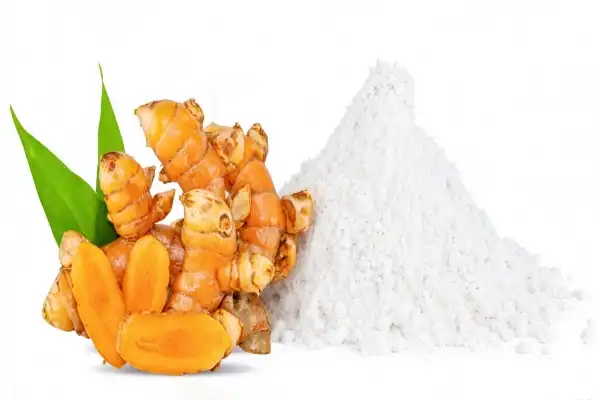
Tetrahydrocurcumin is a stable form of curcumin that is known for having strong antioxidant properties that are better than many common plant products. Researchers have confirmed that it has stronger anti-inflammatory effects than other substances. This makes it very useful for avoiding chronic diseases and supporting the health of cells at the molecular level. The structure of this hydrogenated derivative stays the same under different manufacturing conditions, while the structure of traditional curcumin breaks down quickly when exposed to heat and light. Tetrahydrocurcumin works by neutralising free radicals without creating reactive oxygen species in the process.
This is because it doesn't have any conjugated bonds in its central chain structure, which makes it different from curcumin, which has molecules that are more reactive. Studies show that this stability leads to better bioavailability, which means that the compound can reach target tissues more effectively when added to supplements or used topically. In the skin care industry, tetrahydrocurcumin works as a strong tyrosinase inhibitor, stopping the melanogenesis pathways that cause hyperpigmentation and age spots. From working with beauty formulators, we know that concentrations between 0.1% and 1.0% make the product brighter without changing its colour, which is what limits curcumin's use in cosmetics. The compound's anti-photoaging properties add to its value by stopping lipid peroxidation caused by UV radiation.
This provides biological protection that works with physical sunscreen ingredients. For companies that make dietary supplements, tetrahydrocurcumin offers unique benefits in terms of formulation flexibility and product stability. Its metabolic stability is better than that of regular curcumin extracts, which means that pills, tablets, and powders stay effective for longer. A lot of focus has been paid to neuroprotective uses because the compound can pass through the blood-brain barrier, which helps cognitive health formulations that target neural anti-inflammatory pathways.

Enhanced Antioxidant Capacity
Tetrahydrocurcumin is a powerful antioxidant that is better than many other ingredients that are widely used in functional formulations. Comparative studies show that in some test settings, its ability to get rid of radicals is better than that of common antioxidants like vitamin E. This amazing performance is directly linked to its hydrogenated structure, which gives it electrons to neutralise free radicals without becoming unstable. This property is very helpful for companies that make anti-aging goods because it lets formulations consistently protect against oxidative stress.
Clinical Relevance in Health Applications
Tetrahydrocurcumin has been studied for anticancer effects only in cell and animal models, and no human clinical trials for anticancer indications have been reported, so it cannot be positioned as a cancer treatment or preventive. The table separates claim areas by evidence type so that procurement and regulatory teams can see what is supportable.
|
Claim area |
Evidence type |
Model and notes |
Strength |
Claim boundary |
|
Antioxidant and free-radical scavenging |
In vitro and animal |
Comparative assays (Somparn et al., 2007); renal oxidative injury models (Okada et al., 2001) |
Strong in vitro |
Supports antioxidant-support language |
|
Inflammation (NF-κB and cytokines) |
In vitro and animal |
Mixed: less active than curcumin in macrophage IκB kinase assay; superior in an animal study |
Moderate, mixed |
Limited "supports a normal inflammatory response" wording |
|
Skin brightening (tyrosinase inhibition) |
In vitro enzyme and cell models |
Reported as a tyrosinase inhibitor |
Moderate |
Use skin-tone conditioning language, not "whitening" |
|
Anticancer activity |
Cell and animal models only |
No human clinical trials reported for anticancer indications |
Preclinical only |
No anticancer or treatment claims |
|
Neuroprotection |
Animal and mechanistic |
Blood-brain barrier passage suggested in animals |
Weak |
Do not imply clinical cognitive benefits |
Preclinical studies report that these mechanisms, studied for curcumin and its metabolite in laboratory models, include oxidative stress management, xenobiotic detoxification, inflammation reduction, proliferation control, metastasis inhibition, programmed cell death regulation and immune modulation. This is why researchers working with Tetrahydrocurcumin powder are interested in it for developing new formulations, but these actions remain preclinical, and no human trials support therapeutic claims.
Tetrahydrocurcumin vs Curcumin: Which One Should You Choose?
Tetrahydrocurcumin is the better choice than curcumin when colourless appearance, chemical stability across pH and a cleaner antioxidant profile matter, while curcumin remains the better-studied compound for clinical evidence. The table puts the main differences side by side.
|
Dimension |
Curcumin |
Tetrahydrocurcumin |
Meaning for buyers |
|
Chemical stability in water |
Degrades quickly in alkaline solutions (pH 7 and above) |
More stable; no detectable decomposition within 2 h at pH 8.0 and stable in phosphate buffers across a range of pH values (Pan et al., 1999; Aggarwal et al., 2015) |
Better suited to water-based and wider-pH formulas |
|
Water solubility |
Extremely low; reported from about 11 ng/mL to 10 µg/mL |
Better than curcumin, but still low; nanotechnology is used to improve it |
Oral and aqueous products still need a solubilisation strategy |
|
Colour and staining |
Yellow; stains skin, clothes, packaging and equipment |
White to off-white; no staining |
Opens light-coloured creams, serums, drinks and lotions |
|
Oral exposure |
Poor; needs enhancers or delivery technology |
Reported to be better, but depends on the formulation |
A better starting point, not an automatic high-bioavailability guarantee |
|
Antioxidant behaviour |
Can show prooxidant effects at high doses |
Antioxidant only; no reactive oxygen species generated in comparative assays |
Safety-profile advantage for long-term, high-dose use |
Tetrahydrocurcumin is chemically stable across a broad pH range in aqueous buffers, and formulation-specific recommendations often target a slightly acidic range (pH 5.0 to 6.5) for compatibility with other ingredients, so the recommended pH should not be read as a stability limit. Standard curcumin is famously poorly bioavailable, which is why it is often enhanced with technologies or taken in large amounts, and the hydrogenated structure of tetrahydrocurcumin is reported to improve absorption, which may allow smaller amounts to be used. Any cost advantage in finished products depends on formulation and should be confirmed in your own tests.
The absence of yellow colour removes a problem that has held curcumin back in cosmetics. Product makers do not have to worry about staining skin, clothes or packaging when they put useful concentrations into light-coloured creams, serums and lotions, and this has opened new market segments for brands that want natural-ingredient stories without sacrificing appearance.
Quality Source Considerations
There are two different ways to make tetrahydrocurcumin: naturally and artificially. Each has its own quality rating that affects how well it meets regulations and where it stands in the market. Curcumin extracted from Curcuma longa rhizomes can be bioconverted or hydrogenated to make natural sources. These sources usually cost more but have better label branding. In Fairir's 10,000-square-meter GMP-certified facility, we use advanced continuous countercurrent extraction equipment to make sure that our source material meets international standards for being organic, non-GMO, and allergen-free. These standards are in line with ISO, USDA Organic, EU, and Halal certifications. Synthetic production can reach very high levels of purity, often exceeding 98% assay by HPLC, but it may have trouble finding a market in places where people strongly prefer the ingredient. Not only does the production method change the complexity of the regulatory pathway, but it also changes the formulation claims that finished product makers can make.
Performance Verification Through Industry Data
Industry feedback consistently reinforces tetrahydrocurcumin's superior performance in practical applications. Cosmetic brands report improved product stability testing results when substituting tetrahydrocurcumin for traditional curcumin extracts, with accelerated aging studies showing maintained efficacy after 24 months under controlled conditions. Supplement manufacturers note reduced consumer complaints regarding product staining and improved satisfaction scores in effectiveness surveys. These real-world performance indicators support the growing transition toward tetrahydrocurcumin adoption across multiple sectors, validating the procurement decision from both technical and commercial perspectives.
How to Select the Best Tetrahydrocurcumin Powder for Your Business Needs
To choose good tetrahydrocurcumin powder, you have to look at several factors that have a direct effect on how well the end product works and how well it meets regulatory requirements. Assay percentages by HPLC are the official way to measure things, while purity levels are the main guideline. Premium grades are at least 98% pure, but lower standards may be acceptable in some situations, based on the needs of the formulation and the cost. We suggest setting minimum purity standards based on the needs of your application and doing compared effectiveness testing while evaluating suppliers.
Certification standards are important for proving the quality of manufacturing systems and ingredient characteristics. With GMP certification, you can be sure that production sites follow strict quality control rules during the whole manufacturing process. Organic certifications show that the materials used in a product meet certain agricultural standards. Allergen-free and non-GMO certifications address growing customer concerns and government rules in important markets. At our Xi'an centre, we keep a full set of certifications, such as ISO standards, USDA Organic, EU compliance, and Halal approval. This gives our clients the confidence to sell their products in a wide range of global markets.
Evaluating Supplier Credibility and Technical Capabilities
When evaluating a supplier of Tetrahydrocurcumin powder, more than just the initial specification sheets are looked at. The supplier's manufacturing capacity, quality control infrastructure, and technical support skills are also looked at. Analytical tools like high-performance liquid chromatography, UV spectrophotometers, rotary evaporators, and thermostated water baths are used in facilities to show that they are committed to strict quality control at many stages of production. Our factory has 14 stainless steel extraction tanks with capacities between 500 and 3,000 litres. It also has three fully automatic production lines that achieve an extraction efficiency of up to 98%, which guarantees consistent batch quality and a steady supply. Customer feedback and the supplier's reputation in the industry are good ways to find out how reliable they are and how good their service is. Manufacturers that have a history of working with the cosmetics, nutraceuticals, and pharmaceutical industries usually have the technical know-how and regulatory knowledge to help with difficult formulation projects. We advise procurement professionals to get references from current clients in their field and to look at how responsive they are during the inquiry and sampling phases as a sign of the quality of the service they will receive in the future.
Dosage Guidelines and Safety Profiles
Understanding the right amount of use is very important for people who make supplements and cosmetics. Tetrahydrocurcumin is usually used in topical applications at concentrations between 0.1% and 1.0% to brighten the skin and slow down the ageing process. Higher concentrations may be tested in some cases, based on the formulation. Oral supplement dosages vary a lot depending on the health benefit desired, but studies show that tetrahydrocurcumin's higher bioavailability means lower dosages are needed compared to standard curcumin formulations. Safety profiles are good, with toxicity studies showing large gaps between effective doses and thresholds for adverse effects. In contrast to curcumin, which may have prooxidant effects at high doses, this substance does not generate reactive oxygen species when it works as an antioxidant. In the case of long-term supplements, where increasing exposure factors affect formulation choices, this difference is especially important. Regulatory agencies have set different guidelines for what amounts of intake are acceptable. To make the product registration process go more smoothly, we provide technical documentation that supports compliance across multiple jurisdictions.
Purchasing and Supply Chain Insights for Tetrahydrocurcumin Powder
To buy things in a smart way, you need to know about things like order minimums, shipping operations, and the dependability of distributors. These things affect the total cost of ownership and the strength of the supply chain. For research and development purposes, the minimum order quantity is usually 1 kilogram. For commercial production, it's usually 25-kilogram increments, and the price structure is based on the volume commitment. Our vacuum aluminium foil bag packaging for smaller orders and fibre drums with double-layer food-grade poly bag interiors for 25-kilogram orders keep the product stable during storage and transport, keeping purity levels at the right level throughout the supply chain.
Global pricing benchmarks take into account the cost of raw materials, the difficulty of production, the need for certification, and the way regional markets change. North America and Europe usually have higher prices because they have strict rules to follow, and people prefer approved organic sources. But direct ties with manufacturers can save you a lot of money compared to multi-tier distribution systems. We advise procurement teams to look at the total delivered cost, which includes freight, duties, and quality verification costs, instead of just looking at per-kilogram pricing, because hidden costs can have a big effect on the overall project economics.
Delivery timelines are another important thing to think about when procuring, especially for manufacturers who use just-in-time inventory systems or have to adapt to changes in seasonal demand. Our standard delivery timeframe of one to three working days for in-stock specifications lets us respond quickly to urgent needs. However, lead times may be longer for custom formulations or specialised testing methods because they require more processing steps. Setting up a framework that deals with clear reorder points and expected volume promises helps suppliers keep the right amount of inventory on hand and improves production scheduling, which is good for everyone.
Private Label and OEM Manufacturing Opportunities
Private label and original equipment manufacturer (OEM) manufacturing Tetrahydrocurcumin powder agreements let brands make unique goods without having to spend money on infrastructure for extraction and processing. These partnerships enable companies to leverage specialised manufacturing expertise and established quality systems while focusing internal resources on formulation innovation, branding, and market development. We provide full private label services, which include creating custom formulations, testing for stability, helping with regulatory paperwork, and a variety of packaging options, such as capsules, tablets, softgels, gummies, and small sachets. Customisation options through experienced manufacturers increase the time and money needed for formulation development, but they give you a competitive edge by letting you position your products in a way that no one else can. Our technical support team works with customers throughout the whole development process, helping with regulatory issues, analytical testing, and proving the product's effectiveness. This cuts down on the time it takes to get to market and increases safety. This partnership strategy works especially well for businesses that are entering new market segments or areas of the world where regulations can be tricky.
Market Forecasts and Innovation Trends
Tetrahydrocurcumin is expected to have a strong rise in demand because it is being used more and more in functional foods, drinks, and advanced cosmetics. More and more, consumers want natural ingredients that have been scientifically proven to work. This puts tetrahydrocurcumin in a good situation as the market changes. Innovation trends focus on mix formulations that include tetrahydrocurcumin with antioxidants, peptides, or botanical extracts that work well together to address multiple consumer concerns at once. Concerns about sustainability are becoming more important in purchasing decisions, with brands looking for suppliers that use eco-friendly extraction methods and responsible sourcing practices. As part of our commitment to sustainable operations, we are improving solvent recovery systems, reducing waste, and setting up clear supply lines that can be tracked back to confirmed agricultural sources. These environmental stewardship practices are in line with changing standards for corporate social responsibility and help brands stand out in markets where consumers are becoming more aware of their impact on the world.

Conclusion
Tetrahydrocurcumin powder is a smart chemical choice for companies that want to make pharmaceutical, nutraceutical, and cosmetic products that work better, have more formulation options, and stand out in the market. Its better stability, bioavailability, and colourlessness get around some of the problems with regular curcumin while still providing strong antioxidant and anti-inflammatory benefits that have been proven by science. To make a good purchase, you need to carefully look at things like purity requirements, supplier abilities, certification portfolios, and total costs that go beyond the initial price and include things like the reliability of the supply chain over the long run. Building partnerships with qualified makers that offer full technical support and customisation services is a good way for businesses to stay ahead of the competition as market demand continues to grow.
FAQ
Q1. What distinguishes tetrahydrocurcumin from regular curcumin extracts?
Tetrahydrocurcumin differs through its hydrogenated molecular structure, which removes the conjugated double bonds in curcumin's central chain. This improves chemical stability against heat, light and pH variation and gives a colourless material, and it does not generate reactive oxygen species during antioxidant activity, unlike curcumin's potential prooxidant effects at higher concentrations. Its oral exposure is reported to be better, but this depends on the formulation.
Q2. How should I verify the purity and quality of tetrahydrocurcumin powder?
Verify purity by HPLC as the definitive measurement, and note that 98% assay is a common baseline among quality suppliers, with 95% appearing in cost-sensitive applications. Because the number alone does not separate suppliers, check the impurity profile, residual solvents and batch consistency. A certificate of analysis should accompany each batch with HPLC results, appearance and melting point range, solubility characteristics and microbial testing, and the supplier should maintain UV spectrophotometry and GMP certification.
Q3. What are the typical minimum order quantities for wholesale tetrahydrocurcumin powder?
Wholesale tetrahydrocurcumin powder typically starts at 1 kilogram for research and development and moves to 25-kilogram increments for commercial production. Larger volume commitments usually unlock better pricing tiers and may give leverage for customised specifications or packaging, and we deliver in one to three working days for standard specifications.
Q4. How do I buy tetrahydrocurcumin powder for commercial use?
To buy tetrahydrocurcumin powder, define purity and application, request a COA and sample, verify GMP and other certifications, compare delivered cost and confirm MOQ and lead time in writing. Choose a tetrahydrocurcumin powder manufacturer that can document its production route and batch consistency.
Q5. Does tetrahydrocurcumin have human clinical evidence?
The evidence for tetrahydrocurcumin's anti-inflammatory, anticancer and neuroprotective effects is mainly from cell and animal studies, and no human clinical trials for anticancer indications have been reported. Its practical benefits for product developers are stability, colourlessness and a clean antioxidant profile, so claims should stay within antioxidant-support and cosmetic-conditioning language.
Partner with a Trusted Tetrahydrocurcumin Powder Manufacturer
Shaanxi Fairir Biotech Co., Ltd. stands ready to support your tetrahydrocurcumin powder procurement needs with advanced manufacturing capabilities, comprehensive quality systems, and dedicated technical expertise. Our GMP-certified facility in Xi'an produces premium 98% purity tetrahydrocurcumin powder verified through HPLC, UV, and GC testing methods, meeting the rigorous standards demanded by pharmaceutical, nutraceutical, and cosmetic applications. We welcome B2B partners seeking reliable tetrahydrocurcumin powder suppliers for commercial volumes, custom formulations, or private label development projects. Our experienced team provides rapid response times, competitive bulk pricing, complimentary sample evaluations, and comprehensive regulatory documentation supporting global market access. Contact our sales team at sales@fairirbiotech.com to discuss your specific requirements and discover how our commitment to quality, innovation, and customer service can enhance your product portfolio and competitive positioning.
References
1. Aggarwal, B.B., Deb, L., and Prasad, S. (2015). "Curcumin Differs from Tetrahydrocurcumin for Molecular Targets, Signalling Pathways and Cellular Responses." Molecules, 20(1), 185-205.
2. Pari, L., and Murugan, P. (2007). "Tetrahydrocurcumin: Effect on Chloroquine-mediated Oxidative Damage in Rat Kidney." Basic & Clinical Pharmacology & Toxicology, 100(6), 398-402.
3. Pan, M.H., Huang, T.M., and Lin, J.K. (1999). "Biotransformation of Curcumin Through Reduction and Glucuronidation in Mice." Drug Metabolism and Disposition, 27(4), 486-494.
4. Okada, K., Wangpoengtrakul, C., Tanaka, T., Toyokuni, S., Uchida, K., and Osawa, T. (2001). "Curcumin and Especially Tetrahydrocurcumin Ameliorate Oxidative Stress-Induced Renal Injury in Mice." Journal of Nutrition, 131(8), 2090-2095.
5. Majeed, M., Bhat, B., Jadhav, A.N., Srivastava, J.S., and Nagabhushanam, K. (2009). "Ascorbyl Palmitate and Tetrahexyldecyl Ascorbate: Vitamin C Esters as Antioxidants and Free Radical Scavengers." Journal of Applied Nutrition, 57(3-4), 46-54.
6. Somparn, P., Phisalaphong, C., Nakornchai, S., Unchern, S., and Morales, N.P. (2007). "Comparative Antioxidant Activities of Curcumin and Its Demethoxy and Hydrogenated Derivatives." Biological & Pharmaceutical Bulletin, 30(1), 74-78.