Ube Powder for Mochi, Cheesecake, and Specialty Desserts
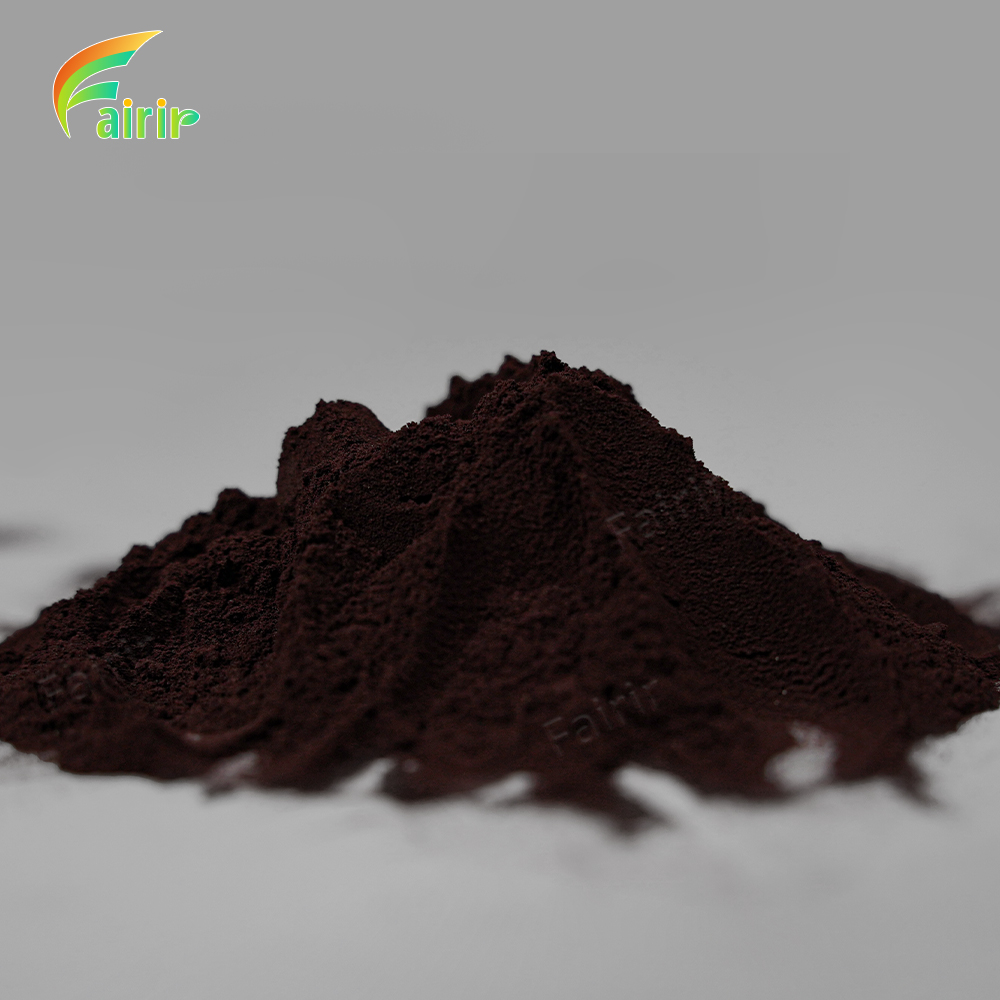
Today, ube powder is one of the most popular natural ingredients used in specialty desserts. The vivid purple color of the ingredient comes from the purple yam (Dioscorea alata), which is native to the Philippines, and it has a somewhat sweet, nutty flavor profile that complements just about anything, from mochi to cheesecake. Ube powder is not only visually appealing, but it's gluten free and rich in anthocyanins and filled with nutritious fiber and potassium making it a great addition to health-conscious product lines. B2B procurement teams have to be aware of its quality requirements and sourcing strategies to stay competitive.
Understanding Ube Powder: Definition, Benefits, and Applications
What Makes Ube Powder Unique?
Ube powder is distinct from other root-based meals due to the fact that it naturally possesses a vibrant violet color and a flavor that comes from nowhere else. In the case of taro powder, for instance, the skin is brown and the flesh is white; nevertheless, food coloring is sometimes added to make the powder purple. Ube, on the other hand, has flesh that is naturally purple and that is rich in anthocyanins. In addition, Ibe Powder is occasionally used with purple sweet potato powder by some individuals. One of the most significant distinctions is that purple sweet potato belongs to the Ipomea batatas family, but ube is classified as a yam (Dioscorea alata). These distinctions have an effect on the intensity of flavor, the consistency of the color, and the manner in which the food is processed on a wide scale.

Applications Across Dessert Categories
In light of the fact that it can be included into a wide variety of recipes, purple yam powder is an excellent B2B ingredient that may be utilized in a wide variety of products.
- Mochi: Ube powder may be easily incorporated into glutinous rice flour mixtures, resulting in a uniformly violet hue and a gentle sweetness that harmonizes with the chewy texture without being overbearing. Depending on the level of intensity that is needed, the usual inclusion rate might range anywhere from 5% to 12% by dry weight.
- Cheesecake: Ube extract or powder, when combined with cream cheese and dairy bases, produces a visually remarkable layered look during the cheesecake preparation process. In addition, the natural sugars in it combine with the proteins found in dairy products, which results in a mouthfeel that is subtly richer than that of artificial flavoring agents.
- Specialty Desserts: From ice cream and ube lattes to frostings, purple sweet potato gnocchi, and limited-edition pastries, this ingredient supports a wide range of product innovation opportunities.
Considering these applications, it is clear that food and beverage firms are beginning to view Ube Powder not as a seasonal novelty but rather as a clever and versatile ingredient.
Choosing the Right Ube Powder for Your Business Needs
Organic vs. Regular, Natural vs. Artificial
In order to make an informed decision about what sort of goods you want to buy, you need have a clear understanding of what you want. Despite the fact that organic Ube Powder is more expensive than conventional Ube Powder, it is more compatible with clean label requirements and regulatory regulations in markets that are concerned with health. When it comes to applications that require a large quantity of them but do not require organic certification, regular versions continue to be an excellent value.
Natural Ube Powder, which is produced without the use of artificial flavor enhancers or colorants, is starting to gain popularity over artificial ones. This is due to the fact that customers are looking for greater transparency, and regulations are becoming more stringent in important export markets such as the United States. Before making a purchase agreement with a vendor, purchasers should examine the paperwork known as the Certificate of Analysis (COA) to ensure that there are no artificial additives present.
Key Quality Indicators to Evaluate
To judge the quality of purple yam powder, look at more than price. The table lists the main standards that experienced procurement managers set, and the batch inconsistency problems many food companies face after switching suppliers are best solved by fixing these specifications in writing.
|
Indicator |
What it tells you |
Typical range |
Method |
|
Anthocyanin content |
Colour vibrancy and antioxidant potential; higher levels indicate better raw material and processing |
Varies widely by grade; request a specification |
HPLC |
|
Species identity |
Confirms Dioscorea alata rather than blends |
Stated on COA |
Anthocyanin profile; botanical documentation |
|
Particle size and solubility |
Dispersion in water- and fat-based systems; less clumping in large-scale mixing |
60-120 mesh (supplier ranges 80-200) |
Sieve analysis |
|
Moisture content |
Oxidation and microbial risk; values above 6% accelerate degradation |
Below 6% (supplier ranges up to about 10%) |
Loss on drying; vacuum belt drying and controlled storage keep it in range |
Anthocyanin pH Behaviour and Colour Stability
Anthocyanins are most stable and red in acidic conditions and shift toward colourless and then blue or purple forms as pH rises, so low pH stabilises colour while higher pH weakens it (Castañeda-Ovando et al., 2009). Purple yam pigments are acylated anthocyanins (Moriya et al., 2015), which are generally more stable than non-acylated ones, but pH management is still the main formulation control. The table maps approximate pH ranges to colour and what to do; actual behaviour depends on the matrix, metal ions and the specific pigment, so bench-test your formula.
|
pH range |
Main anthocyanin form |
Expected colour |
Stability |
Formulation implication |
|
Below about 3.5 |
Flavylium cation |
Red to red-purple |
Most stable |
Acidic bases and citric acid help keep colour |
|
About 4 to 6 |
Colourless carbinol (pseudo-base) and chalcone forms |
Pale or faded |
Reduced |
Avoid relying on this range for a strong purple |
|
About 6 to 8 |
Quinoidal bases |
Violet to blue |
Poor |
Typical of neutral doughs such as mochi; expect hue shift and test colour hold |
|
Above about 8 |
Degradation products |
Blue-green, then yellow-brown |
Very poor |
Avoid alkaline leavening or washes |
Optimizing Use of Ube Powder in Mochi, Cheesecake, and Specialty Desserts
Formulation Tips for Large-Scale Production
For the purpose of maximizing the benefits of Ube Powder in industrial production, it is essential to pay attention to the way in which the components interact with one another. When it comes to producing mochi, a mixture of purple yam powder and sticky rice starch in a ratio of 1:8 produces a dough that is not only workable but also maintains its color even after being steamed. When baking cheesecake, it is helpful to soak the powder in warm dairy milk before adding it in. This helps to prevent the final bake from having color blotches and uneven distribution.
A small increase in the pH of high-volume dessert lines can be achieved by the utilization of citric acid. Because of this, the anthocyanin pigment may be stabilized, and the undesirable color drift that occurs during processing can be prevented. This recipe variable is frequently overlooked, despite the fact that it is the determining factor in determining whether or not a batch is dependable.
Effective management of storage and shelf life
The Ube Powder should be stored in a container that is able to prevent air and moisture from entering, as well as protect it from direct sunlight and heat. Powder that has been dried correctly continues to be effective for a period of twelve to twenty-four months if the temperature remains below twenty-five degrees Celsius and the relative humidity remains below sixty percent. The rotation method known as FIFO, which stands for "first in, first out," is recommended for use by bulk purchasers that handle extended inventory cycles in order to prevent items from degrading with time.
Procurement Strategies for Bulk Ube Powder
Evaluating Supplier Reliability
In order to choose a trustworthy supplier of purple yam powder in bulk, it is necessary to go beyond the low pricing. For the purpose of evaluating vendors, procurement managers want to make use of an organized technique. A Good production Practice (GMP) certification is required for businesses that are subject to regulation. This certification demonstrates that the production process is standardized, quality records are maintained, and the company is prepared to be regulated. The capacity to produce is also a significant factor, in addition to certification. The level of reliability that can be provided by a company that has three manufacturing lines that are entirely automated and an uptime of up to 98% is something that just cannot be matched by smaller firms.
There is a significant reduction in the amount of risk associated with procurement when there are clear records of where the raw materials came from, how they were extracted, and testing performed by a third party. Request the results of the HPLC, the data from the UV spectrophotometer, and the batch-specific COAs as part of the standard pre-qualification processes.
Considerations Regarding Pricing and Volume
Whether or not it is organically certified, the method that was used to extract it, the quantity that you order, and where it originates from all play a role in determining the price of Ube Powder. The freeze-dried versions retain a greater quantity of the beneficial chemicals, whilst the spray-dried versions are more cost-effective per unit. When opposed to spot shopping, those that engage in long-term purchasing transactions with volume-tiered rates often see cost savings of fifteen to thirty percent. For this reason, they are an excellent option for manufacturers whose production cycles are able to be accurately predicted.

Navigating Industry Trends and Future Opportunities with Ube Powder
There is a rapid expansion taking place in the market for specialty ingredients all around the world. As a result of the fact that customers desire ingredients that are visually appealing, naturally sourced, and functionally significant, product development pipelines in the food and drink sector are undergoing a transformation. As a result of its appealing appearance, the fact that it is derived from plants, and its nutritious value, Ube Powder is suitable for all three trends.
This is a genuine opportunity for business-to-business purchasers. On social media, people are talking about limited-edition treat lines containing ube more than they normally would, and retailers are searching for suppliers who can assist them with private-label programs and formulae that are tailored to their specific needs. Sustainability credentials, which include organic certification, traceability papers, and extraction processes that use less chemicals, are no longer considered to be extras; rather, they are becoming items that consumers seek for when selecting a vendor.
When procurement and research and development teams match their sourcing strategy with the current state of the market, they will be better poised to capitalize on the next great thing in the dessert industry.
Conclusion
Ube Powder is no longer only a bizarre item to look at. It is now a stable source of nutrients and a beautiful addition to mochi, cheesecake and other gourmet delicacies. Procurement experts may use the aforementioned techniques to manage this ingredient category. They go from quality benchmarking and formulation optimization to assessing suppliers and keeping up with trends. When constructing a dependable and high-quality dessert supply chain, the first thing to do is to identify a purple yam powder supplier with GMP certification, strong analytical skills and defined manufacturing methods.
FAQ
Q1: Is purple sweet potato powder the same as ube powder?
No. Purple sweet potato powder comes from Ipomoea batatas, whereas Ube Powder comes from Dioscorea alata, a yam. Both are purple, but they differ in flavour, pigment profile and starch behaviour, which affects performance in desserts such as chewy mochi and set cheesecake. Ask for species identity and anthocyanin data on the COA to guard against substitution.
Q2: What is ube powder used for in commercial dessert production?
Ube powder is used in mochi, cheesecake, ice cream, ube drinks, frostings and other baked goods. It gives natural purple colour and mild sweetness, and its starch contributes body that helps in many formulations.
Q3: How should bulk ube powder be stored?
Store it in airtight containers that keep out air and moisture, below 25°C and below 60% relative humidity. Properly dried powder with moisture below 6% stays good for 12 to 24 months in these conditions.
Q4: What is the difference between ube extract and purple yam powder?
Ube extract (also sold as purple yam extract) is a concentrated colour and flavour fraction with little starch, whereas purple yam powder is the whole milled root with starch and fiber. Use extract when colour is the goal and powder when body and flavour matter.
Q5: Is purple yam extract approved as a food colour in the United States?
The answer depends on the product and its use. Purple sweet potato colour is not listed as a separate U.S. colour additive, although a vegetable-derived colour may qualify for the vegetable juice exemption (21 CFR 73.260) under good manufacturing practice. Confirm the pathway with regulatory counsel before marketing a purple yam extract as a colourant
Partner with Fairir for Premium Ube Powder Supply
In addition to having three completely automatic manufacturing lines that are capable of reaching up to 98% production efficiency, Shaanxi Fairir Biotech Co., Ltd. possesses a facility that is GMP-certified and measures 10,000 square meters. High-performance liquid chromatography (HPLC), ultraviolet (UV) spectrophotometers, spinning evaporators, and other high-tech equipment are all housed within the facility. Ube Powder for sale is a well-known product that Fairir supplies to businesses that manufacture cosmetics, dietary supplements, and food products. They offer private labelling, custom formulations, and low bulk prices. To get a quote or sample, email our team at sales@fairirbiotech.com.
References
1. Laurena, A. C., et al. (2012). "Nutritional Composition and Physicochemical Properties of Philippine Purple Yam (Dioscorea alata)." Philippine Journal of Crop Science, 37(2), 45–53.
2. Rop, O., et al. (2020). "Anthocyanins in Food: Properties, Sources, and Applications in the Food Industry." Foods, 9(11), 1653.
3. Castañeda-Ovando, A., et al. (2009). "Chemical Studies of Anthocyanins: A Review." Food Chemistry, 113(4), 859–871.
4. Nayak, B., et al. (2011). "Phytochemical and Antioxidant Activity of Purple Yam (Dioscorea alata)." Food Chemistry, 129(4), 1568–1574.
5. Grand View Research. (2023). Natural Food Colors Market Size, Share & Trends Analysis Report.
6. Mordor Intelligence. (2024). Plant Extract Market – Growth, Trends, COVID-19 Impact, and Forecasts (2024–2029)