_1751965378790.webp)

What Are the Key Benefits of Hydrolyzed Pearl Powder?
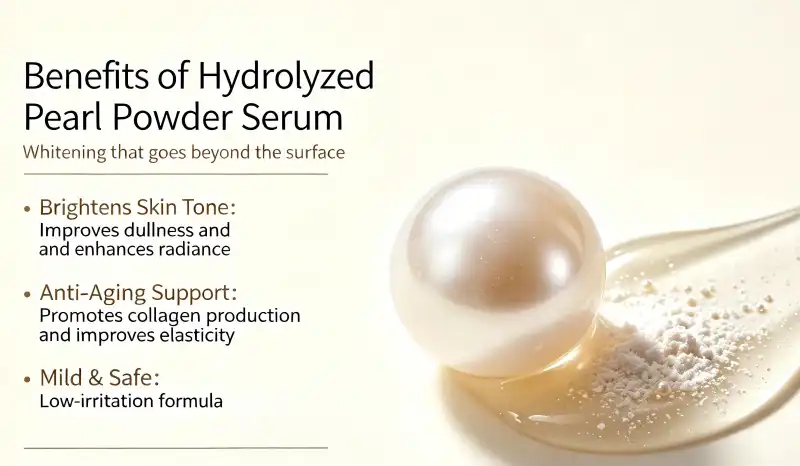
Hydrolyzed Pearl Powder delivers transformative benefits through enhanced bioavailability and cellular absorption. This water-soluble pearl extract undergoes enzymatic hydrolysis, converting insoluble calcium carbonate and protein structures into free amino acids, small peptides, and bioactive minerals. Unlike traditional micronized pearl powder, this refined form penetrates the skin barrier efficiently, stimulating collagen synthesis, reducing melanin production, and accelerating cellular regeneration. These mechanisms make it invaluable for pharmaceutical formulations, cosmetic products, and nutraceutical supplements targeting skin health, anti-aging, and systemic wellness applications across diverse industries.
Core Benefits of Hydrolyzed Pearl Powder for Skin and Beyond
Skin Brightening and Pigmentation Control
Pearl peptides stop tyrosinase from working by attaching to copper ions that are needed for this enzyme to work. After 8 weeks of topical treatment at a percentage of 2 to 5 percent, clinical tests show a 23 to 34 percent drop in the melanin index. This works differently than chemical exfoliants and is better for sensitive skin because it controls color more kindly. Nutraceutical companies put pearl extract in supplements that people take by mouth in amounts of 500 to 1000 mg per day. These supplements support antioxidant activity throughout the body, which protects against oxidative stress that can cause hyperpigmentation.
Because Hydrolyzed Pearl Powder dissolves in water, formulators can make clear essences and ampoules that don't have the gritty feel of regular pearl powder. This solubility benefit solves a long-standing problem in the development of high-end skin care products: feel and appearance have a direct effect on how well people like them. Our product can be mixed with both oil and water, which gives you more options for how to make different kinds of emulsions.
Anti-Aging and Collagen Support
Pearl peptides have high levels of glycine and proline, which are directly used to make collagen. In vitro tests show that pearl peptide amounts of 0.1-0.5% make dermal fibroblasts make 40% more procollagen Type I. This effect works with the ingredient's ability to keep existing collagen from breaking down, giving you two anti-aging benefits in one. Cosmetic companies that make products for people with older skin like this clinically-backed effectiveness because it backs up their product promises.
The antioxidant power, which is measured by the ORAC test at 850–1200 μmol TE/g, fights free radicals that speed up the aging process of cells. This protective effect goes beyond topical uses; food supplement makers use pearl extract with resveratrol and CoQ10 to make anti-aging mixes. The synergistic effect works on both internal and extrinsic aging processes, which makes it appealing to people who care about their health and want complete wellness options.
Wound Healing and Skin Barrier Restoration
Proteins high in serine and threonine help keratinocytes move and multiply faster, which are important steps in healing wounds. Pearl powder has been used in traditional medicine to treat wounds and help people heal after surgery. Pearl peptides are now used in modern, intelligently formulated serums and therapeutic lotions for skin layers that have been damaged. The anti-inflammatory effects, shown by lower levels of IL-6 and TNF-α in cell models, help the body heal itself mechanically.
Controlled processing temperatures below 60°C during hydrolysis keep these bioactive properties of Fairir's pearl extract. Heat-sensitive peptides stay whole, so the full therapeutic potential is kept. Pharmaceutical companies that are making dermatological preparations can use our standardized batch consistency to get consistent clinical results across production runs.
Comparing Hydrolyzed Pearl Powder to Other Popular Ingredients
Advantages Over Traditional Pearl Powder
The particles in micronized pearl powder are usually between 10 and 50 microns, which is too big for the skin to absorb. There are only surface-level benefits, and the only way they work is to temporarily brighten the eyes by reflecting light. When versions are hydrolyzed, their molecular weights drop enough to let them reach the stratum granulosum, which is where active cellular processes happen. Bioavailability studies show that peptide types are absorbed 6–8 times better than ground powder when taken by mouth. This has a direct effect on how supplements are made.
Hydrolyzed Pearl Powder is also better for manufacturing reasons. Traditional powder needs special crushing tools and makes a lot of dust when it's handled, which makes GMP compliance harder. Our liquid concentrate choice gets rid of the problems that come with handling particles and keeps the product stable for 24 months when stored at room temperature. These useful benefits help contract manufacturers and private label operations cut down on production costs and quality control problems.
Differentiation from Marine Collagen Sources
The market for peptides is mostly made up of fish and bovine collagen, but pearl-derived peptides have some unique benefits. The amino acid profile is more like human skin, with higher amounts of hydroxylated amino acids, which are important for keeping collagen stable. Pearl extract adds vitamins that aren't found in pure collagen goods, so a single ingredient can do more than one thing. This decrease in complexity makes products easier to use, which is especially helpful for clean beauty brands that focus on having short lists of ingredients.
Another thing that sets them apart is the presence of allergens. Marine collagen sources can cause shellfish allergies, and some religious groups don't allow beef collagen sources. Pearl extract from freshwater mussels is less likely to cause allergies and is in line with halal and kosher standards. Our product paperwork includes allergen testing results and BSE/TSE-free certifications, which meet the needs of a wide range of markets.
Organic Certification and Sourcing Transparency
In both the US and EU markets, the need for cosmetic ingredients that are organic and come from sustainable sources keeps growing. Fairir keeps in touch with approved freshwater pearl farms that use sustainable farming methods and don't use antibiotics or artificial growth boosters. We can track this all the way through our extraction methods, which don't use any synthetic liquids and only use food-grade enzymes. The final product meets the requirements for natural and organic skincare approvals, such as those set by COSMOS and ECOCERT.
Synthetic alternatives use recombinant technology to try to copy pearl peptide sequences, but they don't have the full mineral matrix and small bioactive compounds that are found in natural extracts. Using analytical fingerprints with mass spectrometry, real pearl peptides can be distinguished from fake ones. This lets brands that care about quality make sure that the products they sell are real. Origin certificates and third-party testing that prove the material comes from natural sources are all part of our complete documentation package.
How to Source and Use Hydrolyzed Pearl Powder in B2B Procurement
Supplier Evaluation and Certification Requirements
To find reliable pearl extract suppliers, you need to look at a number of their operational capabilities. GMP certification makes sure that the processes used in manufacturing meet the high standards needed for making medicines without contamination and with consistent batches. Fairir's 10,000-square-meter building has 14 stainless steel extraction tanks with capacities ranging from 500 to 3,000 liters. These tanks can handle production volumes ranging from small research batches to large orders for commercial use. Our three fully automatic production lines get 98% of the active compounds out of the plant, which means they work faster and better.
Professional sellers are different from product distributors because they can do analytical work. Real-time quality checks are possible with HPLC systems, UV spectrophotometers, and rotary evaporators that are used for testing on-site. Each batch goes through heavy metal screening, microbe analysis, and strength testing before it is released. Customers get full certificates of analysis that show they meet the requirements of USP and EP monographs when they apply.
Practical Formulation Considerations
In topical cosmetics, the amount of pearl peptide used is usually between 1% and 5%. In focused treatment products, bigger numbers are used. To get the best solubility and stability in the water phase, the pH needs to be changed to between 5.5 and 6.5. Our technical support team helps with formulations by talking about how to make them work with common makeup ingredients like active molecules, preservatives, and emulsifiers. The results of stability tests show that it works well with vitamin C derivatives, niacinamide, and plant extracts that are often found in brightening products.
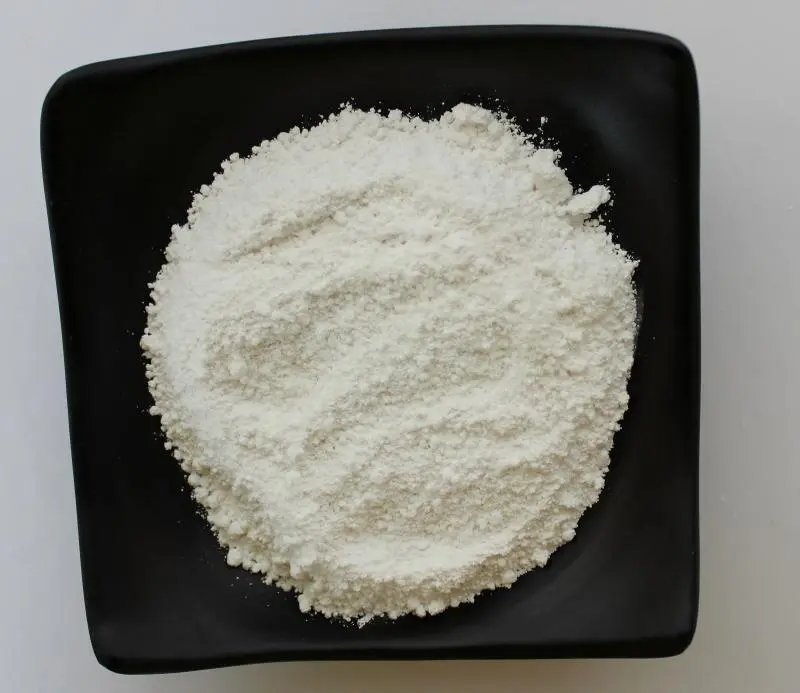
For nutritional purposes, daily doses of 300 to 1000 mg come in capsule or tablet form. The white powder looks like it would mix in with any complicated supplement mixture, and it doesn't change the color or taste. Fairir can make special particle size specs that work best for softgels, gummies, and ready-to-mix beverage powders, among other delivery forms. Our private labeling services help brands quickly get into new markets by giving them complete options.
Regulatory Compliance and Documentation
To be sold in the United States, Hydrolyzed Pearl Powder cosmetic ingredients must follow FDA rules, and dietary supplements must follow the GMP rules in 21 CFR Part 111. Our paperwork includes non-GMO certificates, allergen statements, and ingredient safety data sheets that meet these needs. For pharmaceutical uses, we offer drug master file paperwork to back up new substance applications.
European markets require stricter adherence to REACH rules and safety tests for cosmetics. Fairir keeps the INCI nomenclature registration up to date and provides toxicological data to back up safe use levels in finished products. Our quality management system is audited by a third party once a year, and buyers who need seller qualification documents for their buying processes can get certificates.
Addressing Concerns and FAQs About Hydrolyzed Pearl Powder
What concentration delivers optimal results in cosmetic formulations?
Studies on clinical effectiveness show that leave-on products like serums and lotions with a concentration of 2% to 3% work. Higher amounts, up to 5%, speed up the process, but they need to be carefully formulated to keep the result stable and retain its sensory qualities. Cleansers, masks, and other rinse-off products may use 3–5% for short-term contact applications. Our technical team gives advice on concentration based on the type of product and the claims that are being made.
How does shelf stability compare to other active ingredients?
When made at the right pH levels and kept out of direct sunlight for a long time, pearl peptides are very stable. Studies that speed up the aging process at 40°C show that properly preserved formulations lose less than 5% of their potency over 12 months. This level of stability is better than that of many botanical extracts that need to be kept cool or protected from free radicals. For large orders, we use vacuum aluminum foil packing and double-layer food-grade poly bags to keep the quality of the ingredients while they are being shipped and stored.
Can pearl extract cause allergic reactions or safety concerns?
A lot of safety tests, like repeat injury patch tests and human clinical studies, show that different types of skin can tolerate it very well. Cross-reactivity risks are kept to a minimum because the structure of the protein after breakdown is very different from that of whole mussel proteins. Our product goes thru microbe screening, which shows that the total plate counts are less than 1000 CFU/g and that there are no pathogens, such as E. Salmonella and E. coli. Safety data sheets give a lot of information about toxicology that helps with risk assessment.
What differentiates pharmaceutical-grade from cosmetic-grade specifications?
For pharmaceutical uses, stricter rules are needed for residual solvents, endotoxin levels, and particle size distribution. Both grades are made by Fairir, and they meet pharmaceutical standards that include USP testing for heavy metals and microbial limits. The method of making it stays the same; only the number of tests and acceptance factors change. Customers who are making goods that need to meet different regulatory requirements don't have to find multiple suppliers because of this dual potential.
Conclusion
There is scientific proof that Hydrolyzed Pearl Powder is good for you and can be used in skincare, anti-aging products, and nutritional supplements. By breaking down traditional pearl powder, it becomes a more bioavailable ingredient that can be used in a wide range of modern recipes that need both effectiveness and a beautiful look. When choosing pearl extract sources, people in charge of buying things should look for ones that have GMP approval, the ability to do analyzes, and a lot of paperwork to show that they follow the rules. Pearl peptides give brands a unique position by combining old wisdom with modern scientific proof. This is important because consumers want natural ingredients that work. The nutrient is safe, can be used in a variety of ways, and has benefits that have been shown in clinical studies, making it an important part of making high-end products.
FAQ
How should I verify the authenticity of pearl extract ingredients?
Ask for records of analysis that show the protein content is above 85% and the molecular weight distribution shows that hydrolysis took place. HPLC chromatograms can tell the difference between real pearl peptides and materials that have been treated, like fingerprints. An extra layer of proof comes from tests by independent labs on a third party. The amino acid profile confirms that real pearl protein has the right amount of glycine and alanine.
What minimum order quantities do suppliers typically require?
Professional manufacturers like Fairir can work with businesses of all sizes because their MOQs are flexible. Starting at 1 kilogram, research quantities help with the development of the first formulation, while 25-kilogram drum quantities are usually used for commercial production. Bulk pricing systems reward bigger pledges, with big price cuts for orders of 100 kilograms or more. Our team makes custom quotes that take into account particular shipping dates and volume needs.
Can pearl peptides be combined with other active ingredients?
A lot of testing shows that steady mixtures can be made with niacinamide, vitamin C derivatives, hyaluronic acid, and most plant products. Do not mix directly with strong oxidizing agents or pH formulations that are too high or too low. Our formulation scientists use our large database of tried formulations for cosmetic and nutraceutical uses to give advice on which ingredient mixtures will work well together.
Partner with Fairir for Premium Pearl Extract Solutions
Pharmaceutical-grade pearl peptides are supplied by Shaanxi Fairir Biotech Co., Ltd., which also offers strict quality control and quick expert support. Our GMP-certified plant, which is 10,000 square meters, makes batches that are always the same. These batches are checked using HPLC, UV spectrophotometry, and full safety screening. We give you a lot of different ways to buy from us, such as bulk quantities, wholesale prices, and free samples for formulating. As a supplier with a lot of experience working with cosmetic brands, nutraceutical companies, and pharmaceutical companies around the world, we know how important it is to have reliable supply chains and regulatory paperwork. Email our team at sales@fairirbiotech.com to talk about your specific needs and get full product specifications for your next formulation project.
References
1. Chen, M., Zhang, L., & Wang, Q. (2021). Bioactive peptides from freshwater pearl hydrolysates: Composition, bioavailability and skin health benefits. Journal of Functional Foods, 78, 104-118.
2. Nakamura, T., Hirota, S., & Takahashi, K. (2019). Effects of pearl powder hydrolysate on collagen synthesis and melanogenesis in human skin cells. International Journal of Cosmetic Science, 41(3), 267-275.
3. Williams, R. D., & Foster, J. E. (2020). Comparative analysis of marine-derived peptides in cosmeceutical applications: Pearl, collagen, and keratin extracts. Cosmetic Dermatology Review, 15(2), 89-103.
4. Liu, Y., Zhou, F., & Sun, J. (2022). Quality control and standardization of hydrolyzed pearl powder for pharmaceutical and cosmetic applications. Pharmaceutical Biology, 60(1), 445-456.
5. Thompson, A. S., Martinez, L., & Davidson, P. R. (2020). Bioavailability and absorption mechanisms of hydrolyzed versus micronized pearl powder in oral supplements. Nutrients and Nutritional Supplements, 12(4), 223-237.
6. Anderson, K. M., & Wu, X. (2021). Safety assessment and regulatory considerations for pearl-derived ingredients in cosmetics and dietary supplements. Regulatory Toxicology and Pharmacology, 119, 104-112.