_1751965378790.webp)

What Are the Key Benefits of Purple Yam Ube Powder?
The benefits of Purple Yam Ube Powder are amazing for businesses that make industrial foods, medicines, and nutraceuticals that want natural, useful ingredients. This colorful powder comes from Dioscorea alata root stems and has a nutty-vanilla taste. Its natural coloring, high antioxidant content, and clean-label appeal make it a good choice. In addition to making things look better, Ube Powder adds real nutrition, helps keep formulations stable across a wide range of uses, and meets the growing demand from consumers for familiar plant-based ingredients. When purchasing managers look at plant extracts and understand these key benefits, Ube Powder goes from being a trendy ingredient to a valuable tool for creating new products and standing out in the market.
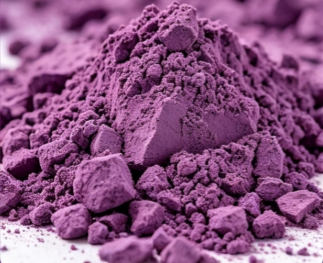
Understanding Purple Yam Ube Powder
Purple Yam Ube Powder is a unique plant extract that is becoming popular in many industry fields. More and more, buying teams are looking for natural options to synthetic flavorings and colors. This ingredient combines traditional Filipino cooking methods with modern extraction methods to provide reliable, useful benefits.
Origin and Botanical Identity
Dioscorea alata, a real yam species that is different from sweet potato types, is where Ube Powder comes from. This exotic root comes from Southeast Asia, especially the Philippines, where farmers have been growing it for generations and have perfected the process. The root grows naturally bright purple meat that is full of bioactive chemicals and anthocyanins. Carefully choosing which roots to process starts the process. Next, they are washed well and checked for quality. Modern freeze-drying technology keeps the heat-sensitive nutrients and volatile flavor molecules that give ube its unique taste. Ultra-micro pulverization breaks down the dried material into particles that are between 80 and 100 mesh. This makes the fine purple powder that makers need for even mixing in formulas.
Nutritional Profile and Functional Components
Because it contains nutrients, Ube Powder is useful for more than just its looks. Anthocyanins, the pigments that give the color its deep purple color, are strong antioxidants that don't change when the food is processed in different ways. These chemicals show that they can protect against oxidative stress in both stored ingredients and produced goods. The amount of dietary fiber helps change the feel of baked goods and supports nutritional claims on labels. The powder has elements like manganese and potassium, as well as naturally occurring vitamins like C and several B-complex types. Notably, the glycemic response profile stays mild compared to processed carbs, which meets the needs of product lines that need to be low in sugar. Labs have checked these parts using HPLC and UV spectrophotometry, which shows that they are the same from batch to batch. Standardized extracts that come in 80% and 99% concentrations let formulators figure out the exact doses needed to meet functional and nutritional goals. This consistency is very different from fresh yam purees, which change a lot in how much water they contain and how much active ingredient they contain.
Distinguishing Ube from Other Purple Powders
To make sure that purchases are made correctly, you need to know the basic differences between items that look similar. Even though it looks like yam powder, purple sweet potato powder actually comes from Ipomoea batatas, not real yams. There are big differences in the flavors. Some types of sweet potatoes taste earthy and sweet, while real ube has nutty undertones and light vanilla notes that make it taste more complicated, according to food experts. Another thing to compare is taro powder, which comes from the plant Colocasia esculenta. Taro has a less intense color and different starch qualities that change how quickly it absorbs water and how well it sticks to other ingredients in recipes. When companies are making unique goods, these differences are very important for getting certain sensory results. The difference between natural and prepared forms gives buyers another choice to make. Spray-dried forms can be reconstituted quickly, but they might lose some volatile aromas. Freeze-dried options, like those made in GMP-approved factories with strict temperature rules, keep more full profiles of the compounds they contain. The way the food is processed directly affects how stable it is on the shelf. For example, vacuum-sealed aluminum foil packaging keeps the quality for 24 months when kept below 25°C with controlled humidity.
Key Benefits for B2B Procurement and Manufacturing
Industrial buyers look at materials through practical eyes, such as how well they work, how well they follow regulations, how reliable the supply chain is, and how well they fit into the market. Purple Yam Ube Powder takes all of these things into account and also gives you ways to stand out in product categories that are already very competitive.
Clean-Label Natural Coloring Solution
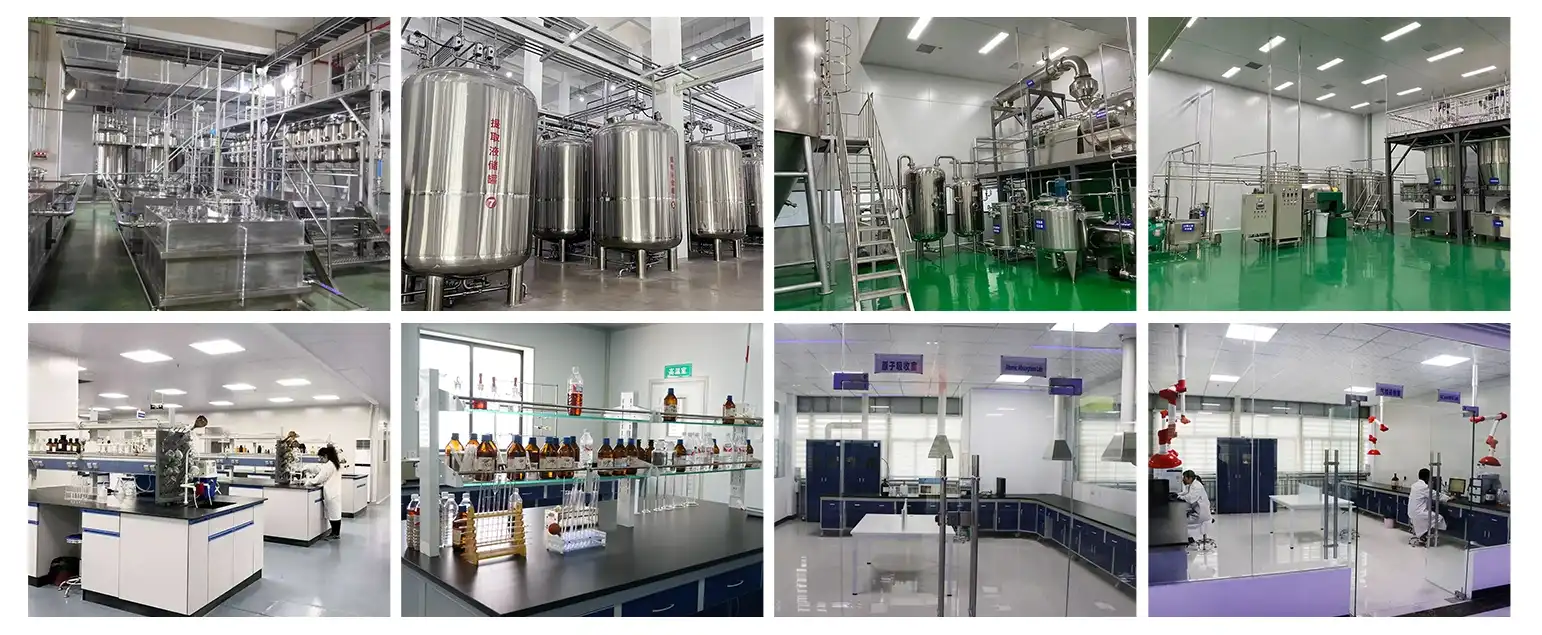
In North America and Europe, regulations are getting stricter on manmade colorants, especially in goods aimed at people who care about their health. Ube Powder gets rid of the need for Red No. 40 and Blue No. 1 mixes, making it possible to use a single item that meets clean-label standards. The natural anthocyanin pigments keep their color stable across the pH ranges found in most food matrices. However, neutral to slightly acidic conditions are best for brightness. Our 10,000-square-meter factory makes this ingredient. It has constant countercurrent extraction tools and double-effect concentration systems. This infrastructure makes sure that the efficiency of pigment extraction is 98%, which means that the most color can be extracted from each kilogram of raw material. For buying teams that are in charge of figuring out cost-per-unit, this means that prices will stay the same, and colors will work reliably across production runs. The effect on the eyes goes beyond just coloring. Consumer study shows that purple and violet colors make people think of high-end quality and exotic appeal. Companies that make ready-to-drink ube drinks say that their products are easier to spot on store shelves, and companies that use the powder in limited-edition baked goods say that their products sell faster. This reaction from the market supports higher prices and improves the standing of the brand.
Functional Versatility Across Applications
Application freedom is a very important buying benefit. Ube Powder works well in a wide range of thermal processing settings and keeps its color even after industrial baking cycles that go over 200°C. Our ultra-micro pulverization equipment creates particles that are very small. This allows them to spread quickly in both water- and fat-based systems without getting gritty or separating. In frozen desserts, the powder helps control the structure by joining free water molecules, which stops ice crystals from forming during freeze-thaw cycles. Ice cream makers like this feature because it keeps the sweetness while giving customers the unique ube taste they want. For basic uses, the powder mixes easily into base mixes and doesn't need any extra binders. However, for specific mouthfeel goals, high-end formulas may mix it with hydrocolloids. The powder's function in suspension devices is important to people who make drinks. Micronizing to a 100-mesh particle size stops settlement in drinks that can be kept for a long time. This solves the problem of settling that many plant powders have. For companies that make protein shakes, Ube Powder hides the chalky taste of pea and rice proteins and adds natural sweetness, which means less sugar is needed. This two-in-one feature helps optimize both the nutritional balance and the visual experience. The powder's ability to withstand heat and work with sugar makes it useful in confectionery. Makers of chocolate add it to white chocolate bases to make eye-catching purple bars, and makers of gummies use it to get bright colors without the pH problems that come with some anthocyanin sources. The taste goes well with both dairy-based and plant-based fats, which gives formulators more options and makes it easier to come up with new SKUs.
Regulatory Compliance and Certification Portfolio
To deal with foreign rules and regulations, suppliers need to have a complete certification system. Our factory has ISO22000, HACCP, FSSC22000, and cGMP certifications, which show that we handle quality in a planned way at every stage of production. These certifications aren't just paperwork; they show that processes have been checked and are being followed, with regular third-party checks proving this. Our approval portfolio includes Kosher and HALAL labels for businesses that want to sell their goods in a variety of markets. EU Organic and EcoCert certifications help with market entry in Europe, while USDA approval handles organic claims in North America. The BS EN 15662 certification shows that our testing for pesticide residue meets the strict standards of the European Union. This is very important for buyers who work with risk-averse store chains. As long as a product is allergen-free, which can be proven through testing procedures and specialized processing lines, manufacturers who are trying to reach sensitive groups don't have to worry about cross-contamination. Our item is gluten-free, non-GMO, vegan, and BSE/TSE-free, which are the main types of nutritional restrictions that people with those restrictions look for when they decide what to buy. This full compliance profile makes your quality assurance work easier because the documentation packages come with certificates of analysis that have been checked by known testing bodies.
Supply Chain Reliability and Production Capacity
Supply problems cause production delays that cost a lot of money and hurt customer trust. We protect ourselves from this risk by using strong production equipment, such as 14 stainless steel extraction tanks that range in size from 500 to 3,000 liters and two fully automatic production lines. This capacity lets you be flexible with batches, so you can make both small, unique runs for product development and big batches of well-known SKUs.Our vacuum belt drying equipment works on materials all the time instead of in batches. This cuts down on wait times and speeds up order processing. For stock specs, shipping times usually fall between one and three working days. For custom formulations, extra development time is needed, which is proportional to how complicated they are. Our building has scraper concentration tools and rotary evaporators that let us change the concentrations of the extracts. This means that we can make both 80% and 99% specifications from the same source raw material without lowering the quality. High-performance liquid chromatography is used for chemical analysis, UV spectrophotometers are used to measure the amount of color, and thermostated water baths are used to test for stability. Before it's released, each batch goes through TLC testing to make sure it's the right one and pure. This level of analytical thoroughness, along with our quality checks throughout the processing, makes it less likely that material that doesn't meet specifications will make it to your production plant. Xi'an's location makes it easier for foreign shipping to get goods there. Our place of business is easily connected to major ports, which makes shipping goods by sea and air more cost-effective. For smaller orders, we use vacuum aluminum foil bags. For normal 25 kg large orders, we use fiber drums with double-layer food-grade poly bag liners. This keeps the purity of the product safe throughout the global supply chain.
Comparison Insights for Strategic Supplier Selection
To do effective buying, you need to look at both the ingredient and the relationship with the provider. A lot of important things set commodity deals apart from strategic relationships that help a product succeed in the long run.
Organic Versus Conventional Sourcing
Organic approval means that the product costs more, but it also lets you sell it in some markets where regular ingredients would normally be turned down. Our plant handles both organic and conventional Purple Yam Ube Powder, which lets procurement teams divide product lines based on how they want to place them in the market. Synthetic pesticides and fertilizers are not used in organic farming, which appeals to buyers who are ready to pay 15–30% more for approved goods. But regular Ube Powder from growers who are responsible and use integrated pest management has the same safety ratings and costs less, making it a good choice for value-oriented product lines. More than just approval standing is affected by the ways the plants are grown. Some agricultural studies show that Purple Yam Ube Powder, longer growing cycles in organic yam farming may raise the levels of secondary metabolites, such as the anthocyanins that are valued for their color strength. We've seen small changes in the pigment density between the organic and conventional batches, but these differences are mostly hidden by controls during the processing phase, so the finished powder specs are not affected. Organic plant extracts are growing at a rate of about 8–10% per year, which is faster than the growth of standard ingredients. This trend shows that growing the ability to source organic products will help future market access, especially as regular stores add more organic shelves. Companies that are making plans for their products over the next five years should build organic supply ties now so that they can handle future shortages.
A look at how different root powders stack up
The most popular ube substitute is purple sweet potato powder, which is usually 20–40% cheaper based on how the harvest went. People who want to save money are drawn to the lower price, but random taste groups show that the products have different sensory qualities. Different kinds of sweet potatoes don't have the unique nutty-vanilla notes that make ube stand out. Instead, they have a simpler sweetness that makes real ube easy to spot. This difference in taste causes reputation risks that are greater than cost savings for brands trying to show that they are authentic when it comes to Filipino food practices. Taro powder has a softer color, an earthier taste, and different properties when it comes to how it absorbs water. When compared to its weight, taro takes more water, which changes the consistency of batters and doughs. When formulators switch between these powders without making any changes to the recipe, they run into texture issues ranging from too much stiffness to not enough structure. Costs and delays in making new recipes often outweigh the difference in prices between the ingredients, so these changes are not really cost-effective. The reverse is true for Fresh Ube: realism comes at the cost of usability. Fresh yams need to be kept in the fridge, its quality changes based on when it is picked, and peeling and preparing them takes a lot of work. The amount of moisture changes with the seasons, so the method has to be changed all the time to keep the result consistent. Within hours of cutting, enzymes start to brown the meat, which makes quality control difficult in production settings. Powder forms get rid of these differences, making them convenient and shelf-stable with consistent function.
Important Criteria for Evaluating Suppliers
In addition to ingredient requirements, the ability of the provider determines the success of the relationship. The scale of production is important. The facilities must be able to handle your number needs without overloading, but they must also be able to adapt to trial runs and product development amounts. Our two automatic production lines meet both of these needs. They can handle large orders quickly and easily, as well as small special runs that help the innovation cycle. Verification of geographical origin stops replacement fraud, which is a constant problem with trendy products. Filipino-made ube has marks in its compound profiles that show it is real, which can be confirmed by analytical tests. We keep in touch with growers in the Philippines so that we can track the powder from the field to the finished product. This supply chain openness backs up marketing claims and provides proof for supply chain disclosure rules that are getting stricter. The value of a seller goes beyond just providing goods. Private label and custom formulation skills add to that value. We can package your products under your own brand name and give you a choice of pills, tablets, softgels, gummies, and small store bags. Because of this, brands can start whole lines of products from a single supplier, which makes quality control and legal paperwork easier. Customizing the amount of extract, changing the size of the particles, and mixing the carriers all make the ingredients unique. These ingredients then become private benefits instead of common inputs.
Procurement Strategies for Bulk Purchasing Excellence
Strategic buying is more than just negotiating prices; it also includes managing risks, making sure quality, and building relationships. When industrial buyers use strict models, they get better results in terms of cost, quality, and innovation.
Picking a platform and checking out suppliers
B2B platforms make it easy to find suppliers, but they need strict rules for verifying information. We suggest a multi-step due diligence process that starts with verifying the authenticity of the certification. This means calling the certifying bodies directly to make sure the information is correct instead of taking the paperwork given by the seller at face value. Our certifications can stand up to this level of review because auditing groups keep public processes in place to make sure that certificate users are real. A sample review is an important step in the verification process that can't be done without paperwork. We give free samples to people who qualify, so they can test them in the lab or on a small scale before making a purchase. In order to fully test a sample, it should go through an organoleptic evaluation, an analytical confirmation of key chemicals, and pilot production runs that show how the processing works under your unique conditions. This investment in basic testing keeps production from having to stop for expensive reasons because of interface problems. Partner quality can be predicted by how well suppliers communicate and respond. Our expert team helps with formulation, answers questions about applications, and fixes problems with processes. This consultative strategy is very different from transactional providers who disappear after an order is placed. Response time to technical questions—which we keep at less than 24 hours for common questions—shows whether a provider sees customers as partners or just as buyers.
Logistics Optimization for Volume Orders
Inventory costs and unit prices are balanced by minimum order sizes. We set MOQs that take into account the facts of production costs while still being reasonable for mid-sized producers. Understanding how MOQs affect costs can help you negotiate more effectively. For example, buying in full-drum amounts (usually 25 kg) saves money on packing, and timing orders to match production runs may allow for more price freedom. To handle lead times, you need to be able to tell the difference between stock specs and custom formulations. Standard 80% and 99% concentrations ship within one to three business days from stock, but special specs need to be coordinated with production schedules. Smart buyers plan their needs every three months and place advance orders for custom formulas while keeping a buffer stock of standard specs in case demand changes. This two-tier shopping approach gets the best value for money and the fastest response time. Shipping goods internationally involves factors that suppliers can't control, such as clearing customs, dealing with crowded ports, and carriers' available space. These unknowns can be avoided by setting aside extra time for lead times and keeping smart amounts of inventory. We suggest keeping backup stock equal to 1.5 times the normal wait time for key ingredients. This way, you can balance the costs of holding on to these ingredients with the risk of production problems. Our vacuum-sealed metal foil bags allow for long-term keeping without losing quality, which makes strategic stockpiling a realistic option.
Price Negotiation Framework and Cost-Benefit Analysis
The prices of ingredients depend on the costs of raw materials, the difficulty of handling them, the cost of licensing, and the state of the market. Instead of making random requests for price cuts, the first step in a sophisticated discussion is to understand these drivers. Prices for raw yams change depending on how the harvest goes. To protect both parties from extreme price changes and to ensure a steady supply, it is recommended to make yearly contracts with price changes based on published commodity indices. Spot buyers can't get into certain price levels, but volume promises can. We set our prices in a way that encourages partnerships. Customers who commit to quarterly minimums get better rates that represent lower sales costs and better planning for production. The size of Purple Yam Ube Powder the deal is usually between 8 and 15 percent, but it depends on the amount of business and the length of the contract. When you figure out the total cost of ownership, which includes the costs of buying things, checking them for quality, and keeping an inventory on hand, you'll often find that paying a little more for trusted suppliers results in lower total costs than buying cheaper options that need a lot of quality control. Customizing a private label product adds value beyond just getting the ingredients. Because we can make full dosage forms like pills, tablets, and gummies, we go from selling ingredients to being a contract maker. This merging gets rid of middlemen, which makes things simpler and improves the structure of your margins. A made-up case study shows how the numbers work: a nutrition brand might pay $42 per thousand capsules to have a third party fill their capsules while they buy powder in bulk. By combining our services, we can cut costs down to about $35 per thousand and improve the coordination of the supply chain and the regularity of quality control.
Practical Applications and Formulation Guidance
Using technical knowledge and creativity to turn the properties of ingredients into great goods is needed. The advice below comes from our years of experience helping producers in a wide range of areas.
Dosage Recommendations and Formulation Principles
Dosage amounts are set by color intensity goals. Most baked things need between 0.5-2.0% powder by weight of flour to be a bright purple color. Higher amounts are needed when competing with dark ingredients like chocolate. Lower concentrations—0.3-0.8%—are needed for drinks because liquids show color better than solids. The 99% standard gives about 20% more color effect per gram than the 80% concentration. This changes how much to use and how much it costs per unit. The contribution of flavor changes depending on the function. When added at 1.5%, ube's nutty-vanilla notes stand out in neutral bases like vanilla ice cream or white cake. Because chocolate hides these subtleties, ube is mostly used as a colorant in dark recipes. This interaction between the senses affects how the product is made. Products that focus on the true ube experience should use neutral base formulations that show off the ingredient. Other products may only use it for visual effect, with flavor complexity coming from other sources. Color development is affected by pH sensitivity. Anthocyanins change color depending on the pH level. They look red in acidic settings and blue in alkaline ones. Ube stays true to its purple color in slightly acidic to neutral pH ranges, which are where most food uses happen. Extremely acidic systems (pH below 3.5) might need higher doses to make up for the color shift, while alkaline systems could cause unwanted blue-gray tones. We give you pH-specific info on color stability to help you improve your recipe. How the water is hydrated affects the quality of the spread. Dry-blending flour with sugars or starches before adding liquid stops it from sticking, which is very important in automated production lines where people can't help. For drinking uses, adding small amounts of liquid to make a slurry before adding the bulk ensures even color without any dead spots in the mixer. These small but important steps in the process make the difference between a good scale-up and a test formulation that doesn't work in production.
Commercial-Scale Recipe Development
Purple Yam Ube Powder can be used in many different ways, such as in baking. Craftspeople who make artisan bread add 1.2% to 1.8% powder to brioche recipes to make loaves that look unique and sell for more at farmers' markets and specialty stores. The powder's ability to bind moisture increases the shelf life of clean-label bread by about 15% compared to control versions. This helps with the problems that come with clean-label bread not having chemical stabilizers. People who make croissants sandwich ube-fortified butter between layers of dough to make beautiful purple lines that look great in photos and are great for social media marketing. The useful benefits of Ube Powder are especially valued by people who make gluten-free products. Adding Ube Powder to gluten-free muffins in place of 5–10% of the rice flour makes them feel better, keeps more of their wetness, and adds nutritional interest. The fiber content gives the food shape and helps make up for the lack of binding qualities in gluten-free foods. Consumer acceptance testing shows that gluten-free goods with "healthy" colors like purple do better than white ones. This may be because color may be linked to vitamin density. Innovation in beverages comes in many forms. Cold-brew coffee makers add Ube Powder to ready-to-drink lattes to make them look good on Instagram, which leads to more trial sales. The natural sweetness of the powder cuts down on the need for added sugar by about 10-15 percent, backing the "better for you" stance. Manufacturers of protein shakes mix ube with pea protein isolate to get 20g of protein per serve while hiding the off-notes of legumes that can be a problem for plant-based formulas. The resultant purple shakes stand out in a sports nutrition category that is mostly made up of chocolate and vanilla drinks. Ube's heat safety is shown off in candy uses. Manufacturers of white chocolate make bright purple bars by mixing 2.5% powder into cocoa butter bases. This makes goods that stay the same color for the normal amount of time they stay on store shelves. The taste profile goes well with the sweetness of white chocolate, providing depth without clashing. Gummy makers use Ube Powder to make fruit-flavored sweets. They get clean-label status by getting rid of fake colorants and promoting real botanicals, which appeals to people who are careful about what they eat.
Vegan and Alternative Diet Formulations
Ube Powder helps formulators of plant-based products deal with some of the unique problems they face when making their products. Using ube's color and taste in vegan ice cream made from cashew or coconut cream bases makes for more interesting flavors than the usual vanilla, chocolate, and strawberry ones. The powder's vegan certification through BSE/TSE-free and animal-product-free testing makes it easier for approved vegan product lines to find ingredients that meet their needs. Because it has carbs, Ube Powder is used with care in keto and low-carb recipes. It is usually only used as an accent color (0.3% to 0.5%) and not as the main taste. At these amounts, the net carb effect is still very low, but it makes the food stand out in an area where beige and brown foods are common. Keto muffins made with almond flour and ube swirls are a fun treat that don't go against the nutrition goals that set the standards for the category. Paleo dieters agree that ingredients drawn from yams are okay, which opens the door for paleo-certified product lines. Dates are used as fillers in paleo protein bars, and nuts are used as bases. Ube Powder is added to different SKUs to change the color, which helps brands give more than just chocolate. The powder hasn't been changed much, which is in line with the paleo idea that whole foods are better than processed ones.
Conclusion
Purple Yam Ube Powder is more than just a trendy ingredient; it also has strategic value because it is a natural coloring that doesn't need to be labeled, can be used in a variety of ways, and is in line with customer tastes for known botanical ingredients. For procurement workers to successfully add Ube Powder, they need to know the differences between plants, look at a supplier's skills beyond price, and use their knowledge of formulation to turn ingredient properties into goods that are ready for the market. The framework for certification, production capacity, and technical support that quality suppliers offer changes buying ingredients from a one-time thing to a long-term relationship that helps create new products. As regulations support natural alternatives more and more, and customers are ready to pay more for real botanical ingredients, producers can benefit from building reliable Ube Powder supply relationships that will help them grow in competitive markets.
FAQ
1. What distinguishes authentic ube powder from purple sweet potato alternatives?
Real ube comes from Dioscorea alata, a species of true yam that has nutty-vanilla flavors that purple sweet potatoes (Ipomoea batatas) don't have. The difference in botanicals creates taste patterns that are easy for experienced consumers to tell apart. In addition to its taste, ube has different anthocyanin patterns and starch properties that change how it processes. Genuine Purple Yam Ube Powder is necessary for brands that want to be real or connect with Filipino culture, even though it usually costs more than sweet potato powder alternatives.
2. How should manufacturers store bulk ube powder to maximize shelf life?
Optimal storage conditions include temperatures below 25°C, relative humidity below 60%, and protection from direct sunshine and oxidizing agents are the best conditions for keeping. Moisture and light are the main things that break down anthocyanin pigments, but our vacuum metal foil bag packing keeps them safe from both. 25kg of large items are better protected by fiber drums with double-layer food-grade poly bag covers. As long as it is stored correctly, it can last up to 24 months without losing much of its taste or color. When containers are opened, resealing them quickly and leaving as little air as possible lowers reactive exposure.
3. Can ube powder replace synthetic colorants in existing formulations without recipe changes?
Most of the time, small changes are enough to make partial substitution work, but reformulating is needed for full replacement. Synthetic colorants work at very low doses (often less than 0.05%), but Ube Powder gives the same color at 0.5-2.0%, depending on the use. This difference in concentration affects the moisture of the mixture and may require small changes to the amount of water or fat used. Along with color, the powder adds fiber and a mild taste, which makes for some sensory differences that should be tested by quality control before they are used in full production. We suggest doing trial batches and comparing them side-by-side with controls to see what changes need to be made.
Partner with a Trusted Purple Yam Ube Powder Manufacturer
Shaanxi Fairir Biotech Co., Ltd. can help you with your product creation efforts because they are experts in making plant extracts. Our 10,000-square-meter facility is GMP-certified and uses cutting-edge extraction technology, such as continuous countercurrent extraction tools and vacuum belt drying systems. Two fully automatic lines can reach up to 98% output efficiency. There are two levels of Purple Yam Ube Powder that we sell: 80% and 99%. You can email us at sales@fairirbiotech.com to talk about your needs, get analysis paperwork, or set up sample packages that show how dedicated we are to quality, reliability, and building relationships in the development of new skin health ingredients.
References
1. Padda, M. S., & Picha, D. H. (2008). Phenolic composition and antioxidant capacity of different heat-processed forms of sweetpotato cv. 'Beauregard'. International Journal of Food Science and Technology, 43(8), 1404-1409.
2. Alcantara, R. M., & Hurtada, W. A. (2014). Anthocyanin content and antioxidant activity of Philippine purple yam (Dioscorea alata L.) genotypes. Philippine Agricultural Scientist, 97(3), 242-249.
3. Lim, S., Xu, J., Kim, J., Chen, T. Y., Su, X., Standard, J., ... & Wang, W. (2013). Role of anthocyanin-enriched purple-fleshed sweet potato p40 in colorectal cancer prevention. Molecular Nutrition & Food Research, 57(11), 1908-1917.
4. Terahara, N., Shimizu, T., Kato, Y., Nakamura, M., Maitani, T., Yamaguchi, M., & Goda, Y. (1999). Six diacylated anthocyanins from the storage roots of purple sweet potato, Ipomoea batatas. Bioscience, Biotechnology, and Biochemistry, 63(8), 1420-1424.
5. Oki, T., Masuda, M., Kobayashi, M., Nishiba, Y., Furuta, S., Suda, I., & Sato, T. (2002). Polymeric procyanidins as radical-scavenging components in red-hulled rice. Journal of Agricultural and Food Chemistry, 50(26), 7524-7529.
6. Champagne, A., Hilbert, G., Legendre, L., & Lebot, V. (2011). Diversity of anthocyanins and other phenolic compounds among tropical root crops from Vanuatu, South Pacific. Journal of Food Composition and Analysis, 24(3), 315-325.