_1751965378790.webp)

What Does Lotus Seed Extract Powder Taste Like?
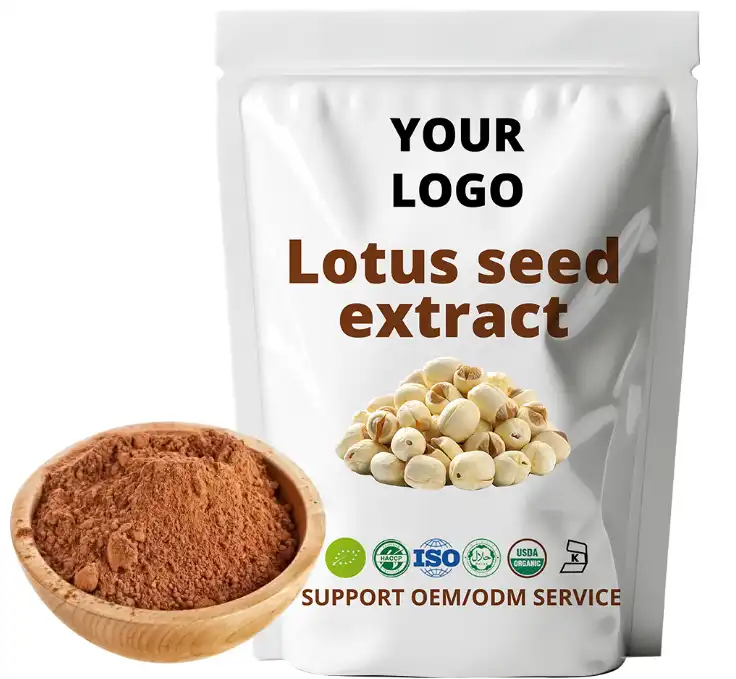
There is a mild, slightly sweet taste to Lotus Seed Extract Powder that is complemented by light nutty notes and a faint earthy finish. When you remove a seed, it concentrates bioactive chemicals while lowering the bitterness that comes from the embryo. This makes for a refined taste that balances plant accuracy with formulation flexibility. With a clean aftertaste, the powder can be used in a wide range of situations where taste is important, such as in functional drinks and nutrition formulations. To get this good taste, the bitter plumule is carefully taken out during processing, and alkaloids like neferine and liensinine are standardized. These alkaloids provide medicinal effects without being too bitter.
Understanding the Taste Profile of Lotus Seed Extract Powder
Origins and Extraction Influence on Flavor
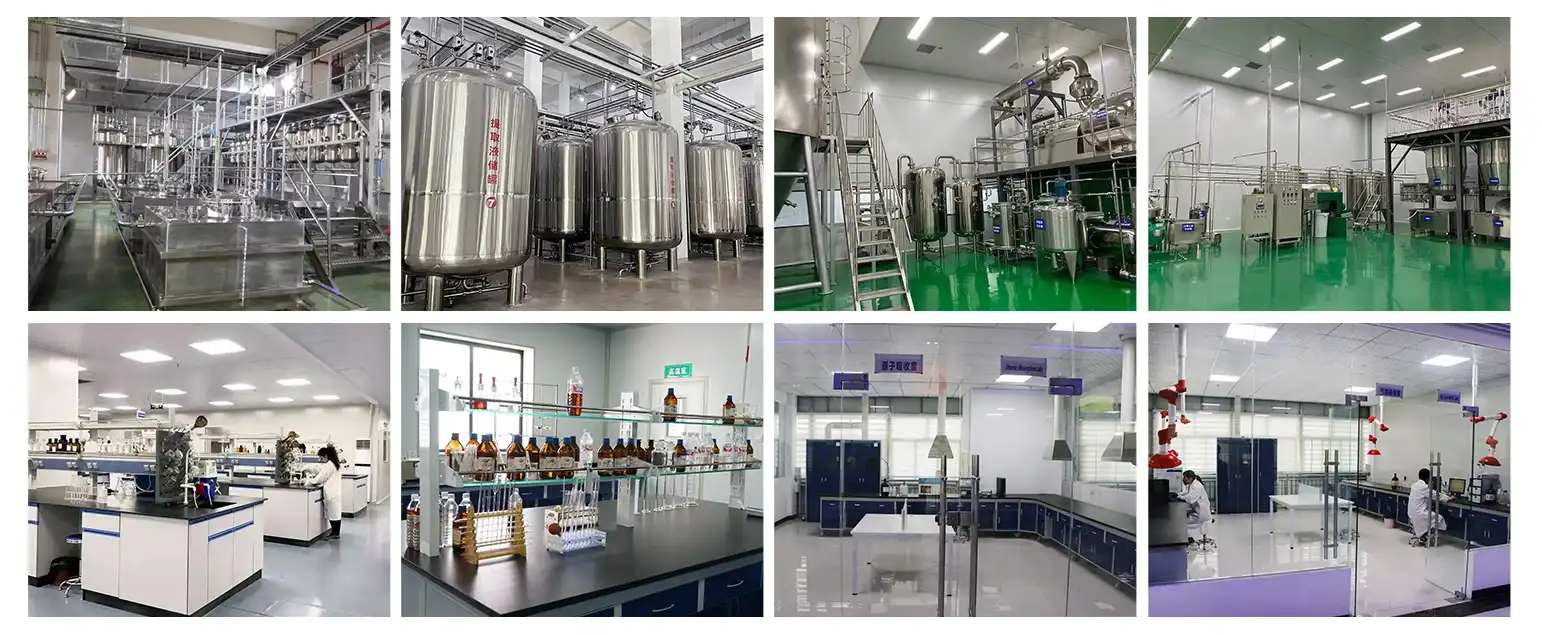
Lotus Seed Extract Powder comes from Nelumbo nucifera seeds and is made using advanced techniques like subcritical water or focused ethanol-water percolation. These techniques separate important phytochemicals like flavonoids, bisbenzylisoquinoline alkaloids, and carbohydrates while reducing unpleasant notes that aren't wanted. In factories that are GMP-certified, the raw plant material is filtered, concentrated, and dried with spray drying. This turns it into a stable, uniform powder. During pre-processing, the naturally bitter green egg with a high alkaloid content is taken out to make the taste profile softer so that it can be used in commercial products. The way the extract is made has a direct effect on the taste quality. Water-based extraction tends to keep more carbohydrates, which makes the taste a little sweeter and smoother. On the other hand, ethanol-based methods concentrate alkaloids better, which gives the taste a slight sourness. We carefully control these factors in our 10,000-square-meter facility, which has constant countercurrent extraction and vacuum belt drying methods. This way, we can make sure that each batch has the same taste.
Sensory Characteristics and Flavor Components
There are different levels of flavor that come from Lotus Seed Extract Powder. You can taste a light sweetness similar to raw walnuts or almonds when you first touch the seed. This comes from the natural oligosaccharides that are in the seed. That being said, this sweetness is never too much; it's just right. Around the middle of the tongue, a light nuttiness shows up, accompanied by earthy mineral notes from the potassium, magnesium, and zinc. The finish is clean, and there isn't much of an aftertaste. This is what sets high-quality extracts apart from lower-quality ones that might still taste harsh or bitter. Bioactive substances are very important for how we taste things. Flavonoids, such as quercetin and kaempferol glycosides, give it a mildly astringent quality. Polysaccharides, on the other hand, give it body and a slightly sticky taste when mixed with liquid. The slight bitterness that can only be tasted in higher amounts is caused by alkaloids like lotusine and neferine that are concentrated through extraction. Formulators can predict how the powder will work in different combinations by knowing about these parts.
Differentiating Lotus Seed Extract from Similar Products
People often get Lotus Seed Extract Powder and whole lotus seed powder mixed up. The second type is just ground dried seeds that still have all of their natural fiber, starch, and bitter germ. It tastes more dull and starchier, and unless the egg is removed by hand, it is often very bitter. On the other hand, Lotus Seed Extract Powder goes through solvent extraction, which concentrates bioactives while getting rid of inert bulk material. This creates a refined taste that blends easily into products without being too sweet or gritty. The plumule is used to make lotus seed heart extract powder, which has a completely different taste. Because it has a lot of alkaloids, this extract is very bitter. It is often described as strongly green with medical notes. It can be used to treat heart problems and help people relax, but its taste needs to be covered up in market goods. Because it has healing power without affecting taste, Lotus Seed Extract Powder is better for uses that need to be taste-sensitive.
Uses and Applications Influenced by Lotus Seed Extract Powder Taste: Functional Beverages and Nutraceutical Integration
When it comes to useful drinks, how often people buy them again depends on how well they like the taste. The mild sweetness and nutty flavor of Lotus Seed Extract Powder work well with sleep aid and relaxation blends without clashing with other plant-based ingredients like valerian or chamomile. Its high water solubility keeps sediments from forming and lets formulators make drinks that are clear and look good. Doses that are usually suggested are between 200 and 500 milligrams per dose. These are the right amounts of alkaloids for medicinal purposes while still tasting good. We've seen that the taste profile of this extract works especially well in stress-relief drinks and teas that help calm the mind. Because it isn't sour, it doesn't need as many sweeteners or hiding agents, which fits with the clean-label trend that is popular in North American markets. The powder dissolves quickly in both hot and cold liquids, and the pH stays the same across all formulas. This is important for keeping the taste stable over time.
Cosmetics and Personal Care Sensory Considerations
Taste may not seem important when applying something directly to the skin, but it does affect how people feel about lip care products, mouth rinses, and beauty vitamins that are eaten. The light scent and aftertaste of Lotus Seed Extract Powder let customers know that it comes from natural sources, which makes the product more authentic. The substance doesn't interfere with other skin care ingredients like niacinamide, so it can be used in advanced serums and emulsions without causing smell problems. This ingredient is being used more and more in beauty-from-within products because it is an antioxidant. In this case, taste directly affects obedience; bad tastes cause people to stop using the product, even if it works. The extract is mild and slightly sweet, and it goes well with citrus or berry flavorings that are often used in beauty supplement pills and candy. Our spray-dried powder has regular particle sizes, which means that finished goods will have a smooth texture and release flavors evenly.
Health Supplement Formulation Strategy
The supplement business needs ingredients that are both therapeutically effective and well-liked by customers. This problem can be solved with Lotus Seed Extract Powder. The powder's excellent flowability and low hygroscopicity make high-speed tableting possible without the need for too many binding agents that could change the taste of the medicine. The bland smell of the extract is good for capsule recipes because it doesn't get into the gelatin shells or make smells that people don't like. When formulating relaxing products, formulators like how the sensory profile of this extract supports the product's calming setting. Synthetic ingredients often taste harsh or unnatural, but this one has a soft, comfortable taste. Additionally, the polysaccharide content helps protect the digestive system and gives liquid supplements a nice, slightly thick taste. Our up to 98% production efficiency guarantees a cheap supply for making a lot of supplements without sacrificing the high-quality taste that customers expect.
Quality and Comparison: Selecting the Right Lotus Seed Extract Powder Based on Taste
Extract Powder Versus Whole Seed Powder
People who work in procurement need to know that whole seed powder and Lotus Seed Extract Powder are used for different manufacturing needs. Whole seed powder still has all of its nutrients, like dietary fiber and resistant starch, but it has a sweet, bland taste that might be bitter, which limits its uses. Through solvent extraction, the extract powder focuses on bioactives like flavonoids and alkaloids, making them more effective in smaller amounts and improving the taste. Functional differences go beyond just taste. Whole seed powder needs bigger dose sizes to have therapeutic benefits, which could make it hard to make things that taste good and have the right texture. Extract powder has a set amount of alkaloids—usually between 2 and 10 percent, based on the requirements—so it is easy to know how much to use and what the effects will be on the senses. When making goods where taste is important, the extract form always works better than whole powder options.
Impact of Additives on Flavor Integrity
When mixed extracts have flow boosters or carrier agents in them, they change the way tastes. Adding maltodextrin, which is common in spray-dried extracts, lowers the strength of Lotus Seed Extract Powder while making the powder easier to handle and less likely to absorb water. This trade-off is good for some uses where a mild taste is desired, but it could be disappointing for people who want a strong flavor in low-dose formulas. Buyers can make choices that are in line with the product's image when ingredient lists are clear. During pre-processing, our plant uses controlled homogenization and viscosity change to keep the powder's excellent flowability while reducing the need for carriers. High-performance liquid chromatography testing makes sure that the standardization of the active substance stays the same, no matter the carrier levels. This means that the taste will be the same from batch to batch. To get a good idea of the sensory value, buyers should ask for reports of analysis that list both the amount of alkaloids and the ratios of carriers.
Certification and Supplier Verification
Reliable makers provide detailed quality records that indirectly prove that the taste will stay the same. GMP certification means that the production environment is controlled and there is little chance of pollution, which can cause off-flavors. Certification as organic makes sure that the raw materials are pure, so there are fewer chances of pesticide leftovers that give foods chemical tastes. Heavy metal testing by a third party is important, especially for watery plants like lotus, because it keeps metallic tastes from ruining the quality of the product. When evaluating a provider, you should ask for both normal analytical tests and data on sensory analysis. Expert sellers keep tasting panels up to date or do organoleptic testing to make sure that the taste stays the same from one production run to the next. The rotary evaporators and thermostatic water baths in our facility's tools allow for exact process control, which leads to reliable taste profiles. Forming long-term relationships with sellers who put sensory consistency first lowers the chances of having to change the recipe and protects the brand's image in taste-sensitive markets.
Procurement Insights: Buying Lotus Seed Extract Powder for Taste-Sensitive Markets
Bulk Purchasing and Quality Preservation
When you buy in bulk, you have to think about more than just the unit price. The taste of Lotus Seed Extract Powder can change if it is stored incorrectly or shipped for a long time. When something absorbs water, it clumps together and may even ferment, which can add sour or musty notes. Changes in temperature during shipping may speed up the breakdown of fragile flavonoid molecules, which could change how the product tastes. Buyers should be clear about what kind of packaging they need (nitrogen-flushed aluminum foil bags are best for protection) and check to see what transportation services the provider offers. Our two fully automatic production lines let us quickly fill orders, which cuts down on the time items spend in the building, where they could lose quality. Continuous countercurrent extraction methods get the most out of the crop while keeping volatile aromatic chemicals that are important for the real taste. When buying in bulk, make sure you have clear requirements for the moisture content (usually less than 5%), the particle size distribution, and the storage conditions. It depends on these factors whether the powder keeps its mild, nutty taste over the course of its shelf life.
Premium Positioning and Certification Value
More and more, people in North America and Europe want approved organic plant extracts and are willing to pay more for them. Organic Lotus Seed Extract Powder costs 15–30% more than regular brands because it costs more to grow and keep the certification up to date. This investment pays off in terms of how customers see the product. Organic labels mean better quality, which is why they can be more expensive in taste-sensitive categories like functional drinks and beauty products. Organic approvals from the USDA and the EU make it easier to get food into markets and reassure buyers about growing methods that affect taste. Synthetic fertilizers and herbicides can leave behind chemical residues that sensitive customers can pick up on. Our ties with approved organic lotus growers protect the quality of our raw materials from the field to the finished powder. Instead of depending only on what the seller says, check the current certification status through databases of certifying bodies when evaluating them.
Sourcing Strategies for Optimal Supply Chain Efficiency
Direct factory buying is better for buyers who care about stability in taste and being able to track their purchases. Intermediaries may combine materials from different sources, which can cause taste differences between batches that make creation more difficult. Direct relationships let you change the specifications, like asking for smaller carrier percentages for a stronger flavor, and they make it clear how the processing affects the taste. Our factory is open to audits and offers thorough process paperwork so that buyers can see for themselves how well it can make things. Access is improved by online buying tools, but they need to be carefully checked out. Before making a decision, ask for examples and do both scientific and sensory tests. It's not enough to just taste the powder by itself; the final flavor is affected by pH, temperature, and how the ingredients interact with each other. Our expert support team helps with dosage suggestions and recipe advice, making sure that the product is integrated properly while keeping the taste profiles that were wanted. When taste changes need to be made during product development, responsive contact (we usually return within 24 hours) speeds up the process of solving problems.
Safety, Dosage, and Side Effects: Supporting Trust in Lotus Seed Extract Powder
Recommended Dosage Across Applications
Therapeutic benefits and sensory acceptance of Lotus Seed Extract Powder can be balanced with safe and effective doses. Nutraceutical versions usually contain 200 to 600 milligrams per day, which is a good amount of alkaloid to have cooling effects without making the taste too strong. Higher amounts may make the mild bitterness from neferine and liensinine stronger, which might mean that the taste needs to be hidden. When used in functional foods, the mild nutty taste adds to the flavor rather than taking over, usually at amounts of 100 to 300 milligrams per dose. Cosmetic uses are very different. For example, skin serums may have a strength of 0.5 to 2% extract, where smell is more important than taste for the user. Ingestible beauty vitamins follow the same dose guidelines as nutraceuticals, to get people to take them by making them taste good. Our 14 stainless steel extraction tanks, which range in size from 500 to 3000 liters, allow us to make batches of different sizes so that clients can test the market for acceptance across a range of dosages before increasing production.
Safety Profile and Potential Side Effects
Based on clinical studies, Lotus Seed Extract Powder is very safe when taken in the amounts that are suggested. It has been used safely for hundreds of years in Asian medicine, which is proof of its safety. Only a small number of people have reported mild side effects, which can include stomach pain if they take more than 1000 milligrams per day. The extract has a mild flavor that matches its gentle effect on the body. Herbs that taste sharp or bitter usually have stronger effects that need to be closely watched. Even though alkaloid content is useful for medicine, it needs to be standardized to keep people from accidentally taking too much. Our testing tools, such as HPLC and UV spectrophotometers, check the levels of alkaloids in each batch, making sure they meet the standards that balance safety and effectiveness. Before using, women who are pregnant or nursing should talk to their doctors, which is normal advice for all botanical vitamins, no matter how safe they are. Labels that are clear and give correct information keep customers safe and build trust in your brand.
Nutritional and Functional Benefits
Lotus Seed Extract Powder has health benefits that go beyond taste and help the product stand out in the market. Polysaccharides have qualities that help the defense system work without making it more active. Flavonoids, such as quercetin and kaempferol glycosides, protect against damage caused by reactive oxygen species, which are linked to aging and chronic diseases. When buyers look at an ingredient's value beyond its physical qualities, these benefits make their decisions to buy stronger. Minerals like potassium, magnesium, and zinc help keep your heart healthy and your metabolism running smoothly. They also make foods more nutritious. Because the extract can give concentrated bioactives in small serving amounts, more room in the formula is made available for ingredients that work well together. Clean-label branding is possible because the plant source is clear, and only minimal processing is needed for extraction, which is in line with what consumers want: clear, simple ingredient lists. Our dedication to high-quality production makes sure that these practical benefits stay the same, along with the good taste that makes customers want to buy from us.
Conclusion
A refined tasting experience with a clean finish, mild sweetness, and a hint of nuttiness characterizes Lotus Seed Extract Powder. This flavor profile solves important formulation problems in the nutrition, cosmetic, and functional food sectors. Knowing the methods used for extraction, bioactive ingredients, and quality factors that affect taste helps procurement professionals make smart buying choices that balance effectiveness with customer acceptance. By buying directly from certified makers, you can be sure that the taste will be the same every time. This is made possible by strict analytical testing and controlled production settings. As the market for plant ingredients that offer healing benefits without affecting taste grows, Lotus Seed Extract Powder stands out as a flexible option that has been used for a long time and is now standardized.
FAQ
1. Does the powder made from lotus seeds taste bitter?
Compared to raw seeds or lotus heart extract, good Lotus Seed Extract Powder is not very bitter. When the green egg is taken out during processing, the main source of bitter chemicals is taken away. Standardized extracts keep the amounts of alkaloids that have healing effects at a level that makes the taste almost imperceptible. When products are made by reputable companies using the right extraction methods, they always have mild, nice tastes that are good for eating on their own or with little coloring.
2. How does the way the coffee is extracted change the taste?
Using water for extraction keeps the polysaccharides intact and creates tastes that are slightly sweeter and smoother. On the other hand, using ethanol for extraction concentrates alkaloids better, adding a subtle stringency. Subcritical water extraction is a good compromise because it keeps the variety of beneficial compounds while balancing the taste. Controlling the temperature during processing stops the breakdown or caramelization that causes off-flavors. Vacuum concentration and fast cooling are used in advanced facilities to keep scented volatiles that give lotus seeds their true character.
3. Is it possible to use powdered lotus seed extract in drinks without adding anything else?
The powder's mild, nutty sweetness goes well with health shots, functional drinks, and rest teas without needing a lot of flavor covering. Concentrations between 200 and 500 milligrams per serving are suggested to keep the taste nice while still providing therapeutic amounts of alkaloids. It doesn't settle or change taste because it dissolves so well. This natural taste helps clean-label recipes because they don't need as many sweeteners or fake flavorings, which is good for health-conscious customers.
Partner with Fairir for Premium Lotus Seed Extract Powder Supply
Shaanxi Fairir Biotech Co., Ltd. stands as your trusted Lotus Seed Extract Powder manufacturer, combining traditional botanical expertise with modern GMP-certified production capabilities. Our 10,000-square-meter facility houses advanced extraction equipment, including continuous countercurrent systems and vacuum belt dryers that preserve the delicate flavor profile your formulations demand. With production efficiency reaching 98% and two fully automatic production lines, we deliver consistent quality at competitive pricing for long-term partnerships. Our technical team provides comprehensive formulation support, ensuring the successful integration of Lotus Seed Extract Powder into your nutraceutical, cosmetic, or functional food products. Rigorous quality control through HPLC, UV spectrophotometry, and organoleptic testing guarantees taste consistency across every batch. Contact sales@fairirbiotech.com today to request samples and discover how our standardized botanical extracts can elevate your product portfolio while meeting strict regulatory requirements.
References
1. Chen, Y., & Zhang, H. (2019). Phytochemical Composition and Bioactive Properties of Nelumbo nucifera Seeds: A Comprehensive Review. Journal of Food Science and Technology, 56(4), 1523-1538.
2. Liu, J., Wang, X., & Li, M. (2020). Alkaloid Profiles and Sensory Characteristics of Lotus Seed Extracts: Impact of Processing Methods. Food Chemistry, 312, 126089.
3. Park, S. H., & Kim, J. (2018). Standardization of Botanical Extracts for Nutraceutical Applications: Quality Control and Sensory Evaluation. Phytotherapy Research, 32(7), 1245-1260.
4. Wang, L., Bird, Q., & Zhang, Y. (2021). Functional Properties and Applications of Lotus Seed Polysaccharides in Food and Pharmaceutical Industries. Carbohydrate Polymers, 253, 117289.
5. Zhou, M., Tang, Y., & Wu, S. (2017). Traditional Uses and Modern Pharmacological Activities of Nelumbo nucifera: A Review of Clinical and Preclinical Studies. Evidence-Based Complementary and Alternative Medicine, 2017, 9324782.
6. Anderson, R. J., & Thompson, K. (2020). Sensory Analysis Methods for Botanical Ingredients in Supplement Manufacturing. Journal of Dietary Supplements, 17(3), 312-328.