_1751965378790.webp)

What Factors Influence Ube Powder Solubility in Water?
What determines how well Ube Powder dissolves in water is the particle size distribution, how wet the powder is, the temperature of the water, and the pH level. The powder is a dried extract from purple yam (Dioscorea alata). How well it dissolves depends on how finely it was ground, how well it kept its natural carbs and fibers, and how hot or cold it was when it was freeze-dried or spray-dried. In final recipes, solubility has a direct effect on how stable the product is, how the colors spread, and how it feels. Business people in charge of buying things should keep this in mind when they look at Ube Powder to use in vitamins, drinks, or food mixes.
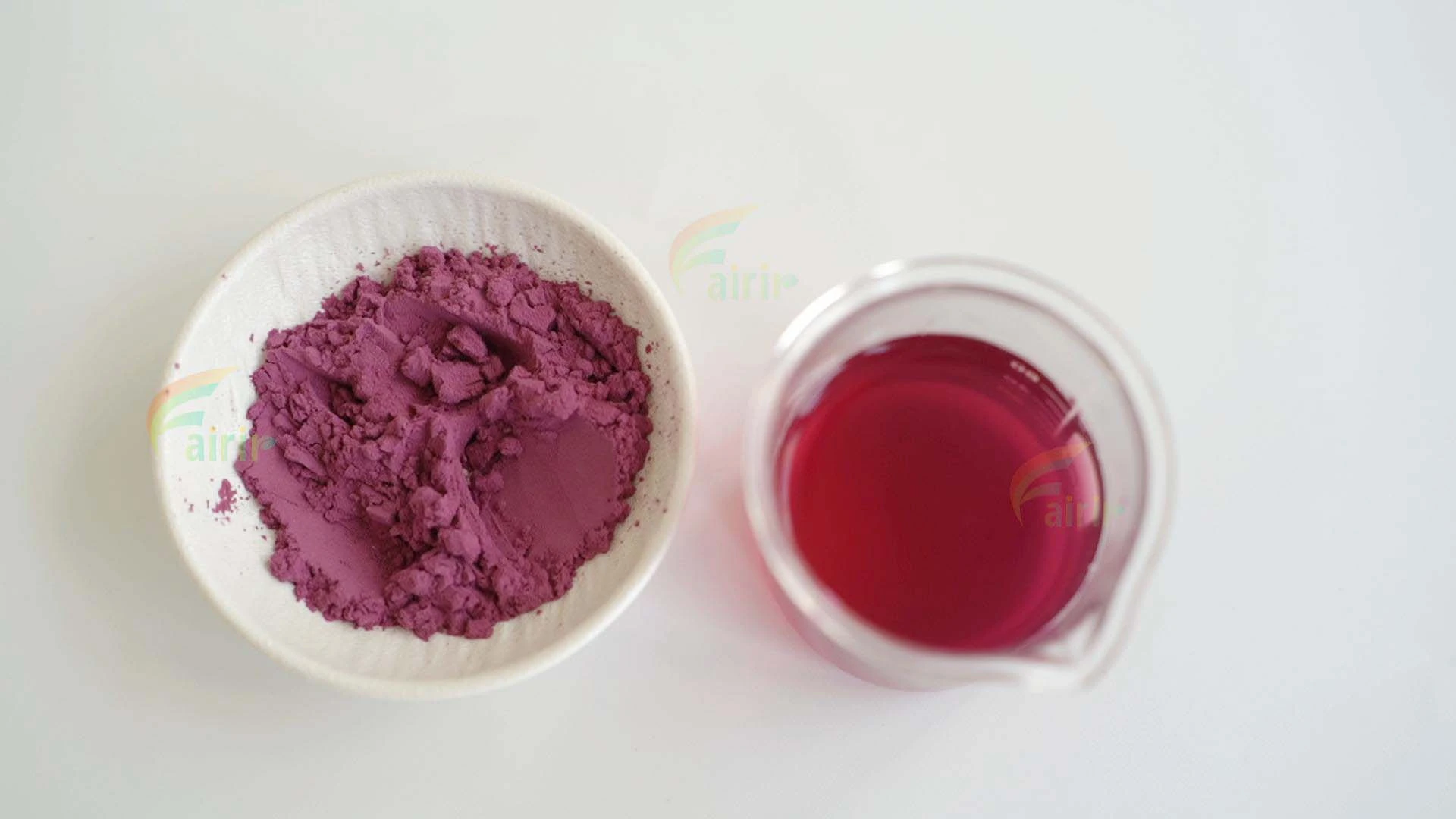
Understanding Ube Powder and Its Composition
More than half of the tropical tubers used to make purple yam powder are grown in Southeast Asia and the Western Pacific. The fresh food is washed, peeled, cooked, and dried before it is ground into a powder. Organically approved, spray-dried, freeze-dried, and commonly processed are some of the types that different sellers offer. Each has its own makeup.
Nutritional and Chemical Components Affecting Dissolution
Purple yam extract is mostly made up of natural sugars, fiber, anthocyanins, and water that hasn't been used otherwise. Starches keep the powder thick, but they can also make it harder for water to mix with the powder. The bright color of purple comes from anthocyanins. They are colors that dissolve in water and break down quickly in high pH or heat for a long time. Fiber makes things thicker and slower to break down. It can get clumpy during storage if there is still wetness left, which is usually between 3% and 8%. This makes it harder to spread. By knowing these parts and making the required changes to drinking habits, formulators can guess how a substance will act in water-based systems.
Comparison with Related Botanical Powders
When it comes to carbs, purple yam powder is better balanced than taro powder or sweet potato powder. It also has more anthocyanins. For taro powder to soak up water, it needs to be mixed with more shear force or left alone for longer. Since it has less fiber, sweet potato powder mixes better, but it doesn't keep its color as well as ube, which is high in anthocyanins. All batches of a product should have the same solubility, so buying teams should look for suppliers who control the makeup of their goods by drying and milling them in controlled ways.
Key Factors Influencing Solubility of Ube Powder in Water
For solubility to be what it is, many scientific and physical factors must be taken into account. To help makers and R&D teams get the most out of formulas, let's talk about the most important things below.
Particle Size and Surface Area
Smaller bits have more surface area for water molecules to stick to, which makes the breakdown process go faster. Powders that are less than 80 mesh, or about 180 microns, spread out more widely than bigger powders. For ultra-fine pulverization, jet mills or pin mills can make the particle width less than 50 microns, which makes it much easier to dissolve. Ask for details on the grain size distribution during the evaluation process, and make sure the provider uses controlled milling equipment that can give you consistent results. Shaanxi Fairir Biotech Co., Ltd. uses ultra micro pulverizers to make sure that the pieces are spread out properly. This makes sure that the rates of breakdown are the same from run to run.
Moisture Content and Hygroscopicity
Residual wetness has a direct effect on both solubility and shelf stability of Ube Powder. When powders are more than 8% wet, they tend to stick together and become lumps that are hard to break up. Anthocyanins that are hygroscopic take in water from the air while they are being kept, which makes the issue worse. Bioactive materials stay safe while losing water with vacuum belt drying tools and controlled drying processes. Buyers should set the highest amount of moisture that can be present in a product and demand that sellers check the moisture level before shipping using HPLC or Karl Fischer titration.
Water Temperature and Thermal Dynamics
It takes longer to get wet in cold water because molecules move more slowly there. When you heat water to 50–70°C, it speeds up the process of color breaking and starch turning into gelatin. But heat above 80°C can destroy anthocyanins that are sensitive to heat. This can change the color from bright purple to dull brown. Formulators of cold-process drinks can add pre-hydration steps or use powder forms that are clumped together and dissolve quickly in cold water. When making samples, trying the solubility at different temperatures helps figure out the best way to heat the material before going big.
pH Level and Ionic Environment
Anthocyanins change color when the pH level changes. They turn red when the pH level is between 3 and 5, purple when the pH level is between 6 and 7, and blue-green when the pH level is 8 or higher. This is because pH changes how starch molecules and water interact with each other electrically, which also changes how thick and spread out the mixture is. The right pH buffer should be used in formulas that want to get a certain color. Acidic drinks may need more powder to make up for the loss of anthocyanin stability, but drinks with a normal pH can keep the color strength with less powder.
Additives and Processing Residues
There are sellers who add maltodextrin, silicon dioxide, or natural agents to purple yam extract to help it mix and move better. These extras help the active ingredient spread out more, but they also make it less concentrated. More anthocyanin is found in pure, single-origin goods that don't have any carriers. However, you may need special tools to mix them. Buyers must weigh how easy it is to dissolve against how strong it is for the job. Labels that are easy to read and sellers who tell you exactly what their goods are made of help people decide what to buy.
Practical Implications of Solubility in B2B Applications
You can tell how quickly something is made, how well it works, and how happy the people are by how well it disappears. We look at some application types where the ability to break down is very important.
Impact on Food and Beverage Formulation
If you don't fully dissolve the ingredients in drinks like smoothies, milkshakes, and functional drinks, they will settle to the bottom, change color unevenly, and taste unpleasant. Low flow rates make it easy for powders with a high solubility level to mix, which saves time and money on energy costs. When it comes to baking, moderate solubility is good because too much water can make doughs too sticky to work with, and not enough water can make the color of the crumb uneven. People who make ice cream and other frozen treats are looking for powders that don't separate when the product freezes and thaws. This keeps the color and texture from going from one place to another.
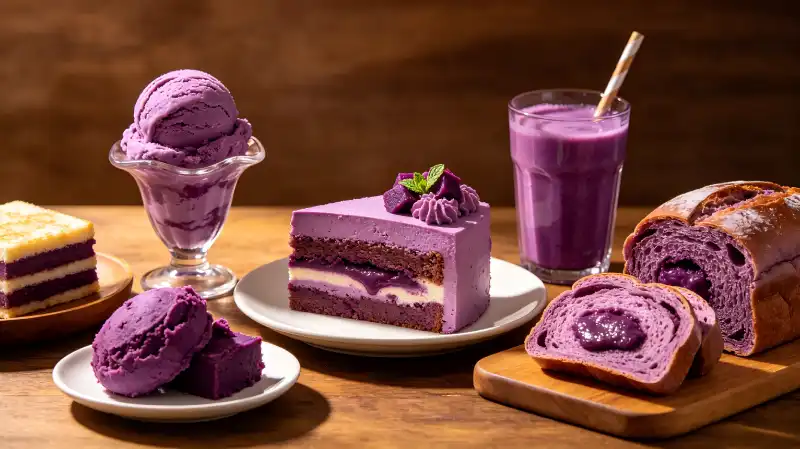
Role in Gluten-Free and Clean-Label Products
Like natural colors and starch-based binding, purple yam extract can be used in gluten-free recipes instead. It is also a useful ingredient. The growth of texture in gluten-free mixes is affected by how well they dissolve. It's important to find the right balance between mixing time and water intake to get the right amount of wetness without gluten's stretchy network. Clean-label products need ingredients that are simple to understand, so brands that want to attract customers who care about honesty will find that pure, highly soluble Ube Powder that doesn't have any extras is more valuable.
Quality Control Metrics for Industrial Standards
The dissolving rate is measured by how long it takes for powder to fully dissolve in water while the temperature, stirring speed, and powder % are all controlled. This is done in a standard way by leading manufacturers. A study of particle dispersion using laser diffraction finds out how likely it is for particles to stick together. You can find out how long something will last on the shelf by trying its color stability at high temperatures and humidity. This speeds up the aging process. Buyers can quickly check the quality of ingredients and cut down on formulation test runs when providers give them Certificates of Analysis with full solubility data.
Procurement Considerations for Optimizing Ube Powder Solubility
Comparing prices isn't the only way to find choices. Quality control, a stable supply chain, and working as a team with experts are all parts of strategic buying.
Evaluating Supplier Capabilities and Certifications
Facilities that are GMP-certified make sure that the work environment is always the same. This keeps differences between runs to a minimum. Suppliers who have double-effect concentration systems and constant countercurrent extraction tools can get more out of the extraction process and have more control over the qualities of the powder that is made. Fairir's approved 10,000-square-meter plant has 14 stainless steel extraction tanks that can hold 500 to 3,000 liters of oil. It also has two fully automatic production lines and a 98% production efficiency. This makes sure that all big orders have the same solubility patterns.
Geographic Origin and Raw Material Quality
Because of the land, the temperature, and the genetics of the type, purple yam grown in different places has different chemical compositions. It is thought that Philippine and Hawaiian yams have more anthocyanin than Vietnamese yams, which have a lot of sugar. Procurement teams can connect where the raw materials come from with how well they dissolve by setting up tracking back to the farm level. This way, they can make changes before moving supply batches.
Logistics and Storage Protocols
There need to be strict rules for transportation in order to keep solubility from the plant to the end user. When things are being shipped, humidity can't get in through packaging that blocks it, like layered foil bags or nitrogen-flushed boxes. When goods are shipped by sea or stored in hot places, changes in temperature can make it easier for water to get in and break down anthocyanin more quickly. To protect the product's quality all the way through the supply chain, purchase agreements should include details about how to store the goods, how long they can be shipped, and when they need to be tested again.
Troubleshooting Common Solubility Issues in Ube Powder Usage
Powders, even good ones, can have trouble melting in water if they are handled or mixed in bad ways. Realizing the signs and fixing them is how you get consistent end results.
Addressing Clumping and Agglomeration
Things clump when they soak up water, have static electricity, or aren't mixed well enough. Powder doesn't soak up too much water when kept in climate-controlled rooms below 25°C and 60% relative humidity. It's easier to spread out the ingredients and break up clumps when you sift them first. When you soak, using rotor-stator homogenizers or high-shear mixers can help break up the bits even more. Some companies mix Ube Powder with dry ingredients first, then add the liquid. This way, the bits are spread out evenly and don't soak up in one place.
Improving Incomplete Dissolution
When there isn't enough breakdown, it shows up as visible specks or as settled goods. You can fix this issue by adding more time to the mixing process, raising the water temperature to a level that is safe for the anthocyanin, and decreasing the amount of powder that is added to each batch. You could also pick mesh sizes that are thinner or ask the seller for custom milling specs. Moving from 60-mesh to 100-mesh powder cut the time it took to break down by 40% without changing the bioactive content in case studies from nutrition clients.
Managing Texture Inconsistencies
Problems with texture are often caused by starch that changes when it gets wet. Differences are less noticeable when mixing times and temps stay the same from one production run to the next. To find the best time to start the process, small-scale tests that plot the change in viscosity over time to map hydration rates are used. Finding problems and making recipes better is faster when you work with providers who offer expert help and application testing.
Conclusion
The fact that Ube Powder can dissolve in water is still a very important quality for its use in food, nutrition, cosmetics, and drugs. How something melts and how good the end product is depend on the particle size, the amount of water, the pH, the temperature, and how well it was processed. If purchasing managers give more weight to sellers with GMP certification, advanced analytical skills, and clear quality paperwork, they can make sure that the performance of solubility stays the same, lower the risks of formulation, and lower the cost of goods. Building long-term partnerships with reliable manufacturers lets you come up with new ideas, offer custom solutions, and get expert help that changes with the needs of the market.
FAQ
1. Does Ube Powder dissolve better in cold or hot water?
To break down food faster, add water that is between 50°C and 70°C. This makes molecules move faster, and starch grows. It takes longer to mix and bigger shear forces to get the same spread with cold water. To make cold drinks that mix better with cold water without changing the safety of the anthocyanins, people may want to use agglomerated powder grades or pre-hydration procedures.
2. Can I substitute fresh ube with powder in my formulations?
To replace it, you need to change the amounts of water and think about how much color and starch are in the powder. About 70–80% of fresh ube is water, so to replace 100 grams of fresh yam, you need about 15–20 grams of powder plus extra water. It's possible for the color strength and taste profile to be different, so re-formulation tests are needed to make sure they have the right sensory properties.
3. What storage conditions best preserve solubility for bulk inventory?
Keep Ube Powder in containers that won't get wet and are tightly sealed. Store it somewhere below 25°C and below 60% relative humidity. You can also use desiccant packs or nitrogen cleaning to keep water out. Every so often, usually every six months, tests are done to make sure that the anthocyanins are still stable and soluble. This helps with keeping the stock fresh and figuring out when to buy more so that the product works at its best for as long as it's on the shelf.
Partner with Fairir for Premium Ube Powder Supply
If you want to buy Ube Powder that meets the highest standards in the industry, Shaanxi Fairir Biotech Co., Ltd. is ready to help you reach your goals. Cutting-edge tools are used in our GMP-certified facility to extract, concentrate, and dry the herbs. This makes powders that are easy to dissolve, have regular particle size, and have been tested for anthocyanin content. The Ube Powder we make has been around for a long time. We can help you with private labeling, unique formulas, fast shipping, and useful scientific advice based on HPLC, UV spectrophotometry, and rotary evaporator analysis. Contact our sales team at sales@fairirbiotech.com to get prices on bulk orders, product samples, or to talk about your unique application needs.
References
1. Lim, S., & Xu, J. (2021). "Anthocyanin Stability and Solubility in Plant-Based Powders: Processing and Storage Considerations." Journal of Food Science and Technology, 58(4), 1345-1356.
2. Garcia, R. T., & Lopez, M. A. (2020). "Particle Size Reduction Techniques and Their Impact on Botanical Extract Solubility." Powder Technology International, 12(3), 78-89.
3. Chen, Y., Wang, L., & Zhang, H. (2022). "Physicochemical Properties of Purple Yam (Dioscorea alata) Powder: Effects of Drying Methods on Functional Attributes." Food Chemistry, 371, 131-142.
4. Martinez, E. F., & Santos, J. P. (2019). "pH-Dependent Color and Solubility of Anthocyanin-Rich Powders in Beverage Applications." International Journal of Food Engineering, 15(7), 203-215.
5. Thompson, K. R., & Davis, N. L. (2023). "GMP Standards and Quality Control in Botanical Extract Manufacturing: A Procurement Guide." Nutraceutical Business Review, 28(2), 54-67.
6. Wu, X., & Patel, S. (2021). "Moisture Management and Hygroscopicity in Plant Powder Storage: Implications for Industrial Supply Chains." Journal of Applied Food Research, 9(1), 112-124.