What Manufacturing Standards Matter for Coenzyme Q10 Powder?
When looking for Coenzyme Q10 Powder for use in medicine, supplements, or beauty products, the production standards directly affect how pure, stable, and in line with regulations the product is. GMP (Good Manufacturing Practice) certification and strict obedience to USP (United States Pharmacopeia) and EP (European Pharmacopoeia) monographs are the most important standards. GMP certification provides consistent quality and traceability. These standards call for strict tests to check for assay levels (98% to 101% on a dry basis), isomeric purity (minimal cis-isomer present), heavy metals, leftover liquids, and microbial contamination. Knowing these standards helps purchasing managers keep supply chain risks to a minimum and make sure that products meet the requirements of both the FDA and the EFSA for use in global markets.
Understanding Manufacturing Standards for Coenzyme Q10 Powder
Standards for manufacturing are the most important part of quality control in the CoQ10 business. If you're making healthy drinks, anti-aging skin care, or food supplements, the raw materials you use must follow certain rules. If they don't, your product may not do well in competitive markets.
Why Purity and Potency Standards Are Non-Negotiable
The molecular activity of CoQ10 in finished goods is directly affected by how pure it is. Because we've worked with companies for years, we know that even small changes from the minimum purity level of 98% can lower absorption in softgel formulas. The all-trans isomer form, which was confirmed by HPLC analysis, is still important because the cis-isomer is not useful for therapy. Both USP and EP rules say that buyers must ask for Certificates of Analysis (CoA) that show the product is chromatographically pure and has total impurities below 1.0%. This care for stereochemical consistency keeps your supply chain from having to deal with expensive batch rejects and makes sure that labels always say what they say they do.
Particle Size Control and Its Impact on Formulation
Particle size distribution affects many things, from how stable the solution is in oil-based softgels to how well they work on the skin in cosmetics. Based on our work with nutrition businesses, particles with consistent sizes between 5 and 20 microns don't settle during high-speed encapsulation processes. This level of uniformity can be reached by manufacturers using ultra-micro pulverizers, but laser diffraction research is needed to be sure. Nano-emulsion or cyclodextrin inclusion technologies need even finer particle control to keep the color clear in acidic beverage settings when Coenzyme Q10 Powder is going to be used in water-dispersible forms.
GMP Certification: Your Safety Net Against Contamination
GMP-certified facilities use controlled settings that keep cross-contamination to a minimum and make sure that batches can be used again and again. As you walk through our approved 10,000-square-meter plant, you'll see separate areas for handling raw materials, extracting them, cleaning them, and packaging them. These areas are all watched by verified Standard Operating Procedures (SOPs). This separation is very important, especially when working with plant products that are made on the same lines. Equipment like vacuum belt dryers and constant countercurrent extraction systems is checked by a third party to make sure they follow cleanliness rules. Regulatory bodies are looking more closely at how suppliers follow the rules, which means that GMP certification is not only recommended but also needed to get into big markets.
Core Manufacturing Processes That Affect Coenzyme Q10 Powder Quality
From raw materials to finished Coenzyme Q10 Powder, there are several important steps in the process where choices made during production have a big effect on the final product. You can ask the right questions when screening suppliers if you know how these systems work.
Fermentation Versus Synthetic Routes: What's the Difference?
Most commercial CoQ10 today is made by microbial fermentation, which yields the bio-identical all-trans form, whereas chemical synthesis needs extra purification to remove cis-isomers and solvent residues. Fermentation with Rhodobacter sphaeroides or Agrobacterium tumefaciens strains produces CoQ10 identical to that in human mitochondria, with the all-trans isomer made naturally. Synthetic routes can be cheaper, but they need additional clean-up steps. We have invested in fermentation because it is more environmentally friendly and delivers better bioactivity, which buyers in Europe and North America increasingly value. The fermentation route also delivers output of 98% purity or higher, which cuts waste and supports future scale-up.
|
Dimension |
Microbial fermentation |
Chemical synthesis |
Procurement implication |
|
Isomer profile |
All-trans form made naturally |
Can produce cis-isomer |
Require HPLC proof of at least 98% all-trans material |
|
Solvent burden |
Lower; standard residual solvent controls |
Extra purification steps needed to remove solvent residues |
Request GC solvent results per batch |
|
Market position |
Dominant commercial route |
Uncommon in mainstream supply |
Ask every supplier to state its production route |
|
Sustainability and label |
Fits clean-label and environmental goals |
Less aligned with clean-label positioning |
Matters for European and North American brands |
|
Cost |
Higher raw-material and process investment |
Can be cheaper, but extra purification adds cost |
Compare total cost, not unit price alone |
Purification and Drying: Where Quality Becomes Tangible
After the CoQ10 is extracted, it is separated from cell waste and growth media using purification methods. Rotary evaporators and chromatographic columns are very important in this process. They work with exact temperature and pressure controls to keep the materials from breaking down over time. Our dual-effect concentration equipment works with batches while keeping temperatures below 50°C. This is very important because CoQ10 starts to break down at higher temperatures, which lowers its protective power. Whether you choose spray drying or freeze drying affects the properties of the powder. Spray drying is faster, but it may make the powder less soluble. Freeze drying, on the other hand, keeps the structure but costs more. We use vacuum belt drying as a middle-ground method that gets rid of wetness while keeping energy costs low for large-scale activities.
Real-Time Quality Control Through Advanced Instrumentation
Quality control is built into the whole process, not just at the end. In our building, high-performance liquid chromatography (HPLC) tools do in-process monitoring, which finds problems before whole batches are packed. UV spectrophotometers check the concentration levels, and thermostatic water baths keep the testing settings regulated. Our 14 extraction tanks are made of stainless steel and range in size from 500 to 3,000 liters. Each one is connected to an automatic tracking system that keeps track of pH, temperature, and residence time. With this level of tracking, we can be sure that every kilogram that leaves our building meets the strict requirements spelled out in your purchase agreement. When procurement managers come to our lab, they are often relieved to see that machines like ultrasonic cleaners and rotary evaporators are kept in good shape by following strict calibration plans.
Comparative Insights: How Manufacturing Standards Influence Product Selection
Different uses in the market need different CoQ10 specs. When you're choosing a seller or product format, use manufacturing standards to help you make a choice.
Powder Versus Encapsulated Forms: Manufacturing Considerations
While bulk Coenzyme Q10 Powder gives you more options for how to make your products, it needs to be handled carefully because it is sensitive to light and changes temperature easily. Cosmetic companies like to use powder to control the amount of oil in emulsions because it dissolves faster in the oil phase during low-temperature processes. On the other hand, finished softgel pills are convenient and stable, but they don't let you make changes. Microbiological control is the most important production standard here—total plate counts must stay below 1,000 cfu/g, and bacteria like E. coli must not be present at all. Salmonella and E. coli. We make both forms, changing the rules for the setting and the way things are packed to fit each one. People who make functional drinks usually choose cold water dispersible (CWD) grades that go through extra micro-encapsulation. This means that makers have to learn how to use spray-drying settings and choose the right stabilizers.
Organic Versus Fermentation-Derived CoQ10: Certification Credibility
When people buy CoQ10, the word "organic" can be confusing. Since CoQ10 is made through fermentation instead of farming, the organic approval only applies to the growth medium and processing aids, not the finished molecule. The fermentation strain's history and the lack of genetically modified organisms (GMOs) are what really set luxury goods apart. Certification groups like the USDA or the EU need detailed records that show how fermentation materials came from approved sources. We keep in touch with approved yeast extract providers so that we can help customers who need organic labels. This includes the solvents that were used for extraction—the amounts of ethanol and hexane must be below the standards for residual solvents (ethanol <5,000 ppm and hexane <290 ppm), which can be checked using gas chromatography.
Bioavailability Enhancements Through Manufacturing Innovation
Standard Coenzyme Q10 Powder doesn't dissolve well in water and has big particles that make it hard for the body to absorb. Innovative companies deal with this problem by using special processing methods. For example, liposomal encapsulation makes mouth absorption 300% better than crystalline powder, and nanostructured lipid carriers (NLCs) improve skin absorption in makeup better. To make these improvements, you need more advanced tools and process checks than what is required by basic GMP standards. When looking at different providers, check to see if they offer different grades, such as nano-emulsions or cyclodextrin complexes. We have three fully automatic production lines that can switch between standard and enhanced forms. This gives our formulation partners choices that are best for their goal absorption rates and delivery methods.
Procurement Considerations: Ensuring Quality Through Supplier Selection
There's more to picking the right Coenzyme Q10 Powder maker than just looking at price lists. Strategic purchasing protects the image of your brand and ensures that you have a steady supply of goods for a long time.
Verifying Manufacturing Documentation and Certifications
During the seller qualification process, ask for complete packages of paperwork. Instead of being self-issued, GMP certificates should come from a known body like the NSF, TGA, or local health officials. Audit records from independent labs give fair evaluations of how things are made. We are open about the results of our yearly GMP audit and welcome site inspections by customers. Being open shows that you trust our operational standards. Each batch should have paperwork that links it to the fermentation culture lots, the times of extraction, and the test findings. This amount of information is very helpful when the government inspects or when a customer complains. Systematic quality management is shown by ISO 9001 certification, and food safety is covered by ISO 22000 certification. Both are useful for use in nutritional and beverage areas.
Sample Testing: Your Pre-Purchase Insurance Policy
Don't commit to large orders until you've tested representative samples in the same conditions as your real recipe. To check for uniformity, ask for samples from at least three production runs. Key standard tests should be repeated in the lab. These include HPLC for purity, ICP-MS for heavy metals (Lead <0.5 ppm, Arsenic <1 ppm, Mercury <0.1 ppm), and gas chromatography for solvents that are still present. We give full COAs with 100-gram samples because we know that this investment builds trust between us. Real-world application tests should also be part of the testing process. For example, mix the powder with your carrier oil at the amounts you want, watch it settle over 30 days, and check the color stability under rapid aging conditions (40°C/75% RH).
Balancing Cost with Compliance: Avoiding False Economies
In large ingredient markets, there is more price competition, but big savings often mean that standards have been lowered. We've seen buyers switch to low-cost providers only to have packages rejected because they were contaminated or didn't meet the purity levels that were required. Regulatory delays, testing costs, and possible batch losses are all part of the true cost estimate. Suppliers who use fermentation-based production and strict quality control rules will always charge more than those who use fake methods or poor purification. Instead of looking for deals on the spot market, your procurement plan should focus on suppliers who have shown steady compliance over a number of years. Building ties with dependable manufacturers like Fairir guarantees better treatment during supply shortages and easy access to expert help when formulation problems appear.
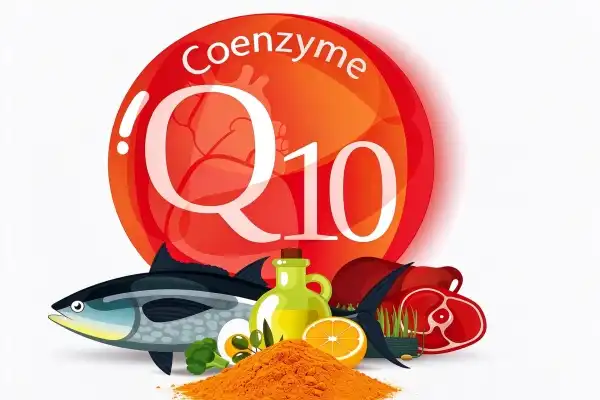
Ensuring Long-Term Success: Trends and Innovations in CoQ10 Powder Manufacturing
The Coenzyme Q10 Powder business is always changing because of new rules, better technology, and changed buyer preferences. If you keep up with these trends, your business will be ahead of the competition.
Emerging Regulatory Requirements in Key Markets
Through programs like the Dietary Supplement Health and Education Act (DSHEA) regulation, the FDA is looking more closely at the safety of dietary ingredients. New draft guidelines put more emphasis on manufacturing processes and making sure that ingredients are what they say they are, which makes it harder for suppliers to get qualified. After the EU Novel Food Regulation was updated, heavy metal limits are tighter in European markets. We keep an eye on these changes in regulations and make changes to our testing procedures before they become required. Buyers who sell to international markets can get goods from sellers who already meet the strictest global standards. China's recent changes to its rules on health foods have an effect on exports of Coenzyme Q10 Powder, making it harder for producers to get their products certified across borders. Our legal affairs team stays up to date on these rules and helps customers get the paperwork they need to get into the market.
Process Efficiency Innovations: Reducing Costs and Environmental Impact
Continuous countercurrent extraction methods are much more efficient than batch processing because they increase yield while lowering fluid use by 40%. The money we spent on double-effect focus tools helps us use less energy by recovering heat. Automation goes beyond production lines and into quality testing. Routine HPLC analysis is now done by robotic sample workers, which cuts down on mistakes and response time. These new ideas make it possible to offer reasonable prices without lowering the quality. Sustainability issues are becoming more and more important to consumer brands, so fermentation media recovery programs and greener solvent options are being developed. Innovations from suppliers can help buyers improve their own environmental reporting and corporate responsibility efforts.
Demand for Transparent and Sustainable Supply Chains
Today's customers want to know where ingredients come from and how they are made. Blockchain-based tracking tools now let you scan COA QR codes to see full batch histories. We're putting in place supply chain transparency tools that show where the fermented culture comes from, how much energy is used per batch, and how trash is disposed of. In places where brand storytelling is important, this openness sets premium sellers apart. Sustainability approvals, such as B Corp or carbon-neutral manufacturing, give you an edge over your competitors. Buyers should check with providers to see if they can provide the proof of transparency needed for talks with customers. Our dedication to responsible sources and caring for the earth is in line with the way people in North America and Europe tend to buy things: based on their values.
Conclusion
In the Coenzyme Q10 Powder business, manufacturing standards tell you if your finished goods meet government standards, do what they're supposed to do, and keep your brand's reputation. Professional providers can be told apart from commodity sellers by GMP certification, strict purity testing, advanced extraction technologies, and clear quality paperwork. As global rules get stricter and customer standards rise, it becomes not only better but also necessary to work with manufacturers that show full compliance. Putting money into good suppliers pays off with steady product performance, fewer batch rejects, and a sure footing in the market. Strategic buying teams know that factory standards don't get in the way of saving money; instead, they help businesses grow in the long term.
FAQ
Q1: What certifications should I require when sourcing Coenzyme Q10 Powder?
GMP certification is the minimum standard. It makes sure that production environments are controlled and that quality systems are recorded. ISO 9001 shows how to handle quality in a planned way, and ISO 22000 talks about food safety rules that are important for nutritional uses. Certifications from third-party testing labs like Intertek or SGS show that standards have been checked by a third party. When you're selling natural products, organic standards like USDA and EU Organic are important. Check the legitimacy of a certificate on the website of the organization that issued it.
Q2: How does fermentation-derived CoQ10 compare to synthetic versions?
Fermentation creates bio-identical all-trans CoQ10 that is similar to the types found naturally in humans. This ensures that the product has higher bioactivity and less cis-isomer contamination. Synthetic chemical methods often create stereochemical impurities that need to be cleaned up in a lot of steps. Methods of fermentation are also in line with clean label trends and goals for protecting the earth. No matter how the product was made, testing should show that it has at least 98% all-trans material.
Q3: What quality verification steps should I take before bulk purchasing?
Ask for samples from several different production batches and have them tested by a separate lab for microbe contamination, heavy metals (ICP-MS), leftover solvents (GC), and purity (HPLC). Do tests that are specific to the application. For example, mix powder with your formulation matrix and check its stability over 30 days. Look over audit results from suppliers and, if you can, visit factories. Check the paperwork that links the COAs to specific fermentation lots to make sure they can be tracked.
Partner with Fairir for GMP-Certified Coenzyme Q10 Powder Supply
Shaanxi Fairir Biotech Co., Ltd. has a 10,000-square-meter GMP-certified center with cutting-edge extraction and analysis tools made just for high-purity ingredients obtained from plants and fermentation. Our Coenzyme Q10 Powder is always 98% pure or higher because we use controlled fermentation methods and strict quality standards that are checked by HPLC. We have 14 extraction tanks made of stainless steel and three fully automatic production lines that can produce large amounts of product with a 98% production efficiency. As a reliable company that makes Coenzyme Q10 Powder, we offer reasonable prices for long-term partnerships, full traceability paperwork, and help with unique formulations. Email our team at sales@fairirbiotech.com to get samples along with full Certificates of Analysis. Our technical know-how and open communication will make sure that your buying goals are in line with the highest production standards, whether you're making anti-aging cosmetics, healthy drinks, or softgel supplements. You can look at our full list of ingredients at www.fairirbiotech.com and learn why beauty, nutraceutical, and pharmaceutical businesses in North America and Europe depend on Fairir for reliable quality and quick service.
References
1. United States Pharmacopeia Convention. "Ubidecarenone Monograph." USP-NF 2023, Official Standards for Dietary Supplements.
2. European Pharmacopoeia Commission. "Ubidecarenone: Quality Specifications and Testing Procedures." European Pharmacopoeia 10th Edition, 2022.
3. Crane, F.L. "Biochemical Functions of Coenzyme Q10." Journal of the American College of Nutrition, vol. 20, no. 6, 2001, pp. 591-598.
4. Langsjoen, P.H., and Langsjoen, A.M. "Overview of Coenzyme Q10 as an Adjunctive Therapy in Chronic Heart Failure." BioFactors, vol. 25, no. 1-4, 2005, pp. 135-145.
5. Garrido-Maraver, J., et al. "Clinical Applications of Coenzyme Q10." Frontiers in Bioscience, vol. 19, 2014, pp. 619-633.
6. Institute of Medicine. "Dietary Supplements: A Framework for Evaluating Safety and Quality Control." National Academies Press, Washington, DC, 2005.