_1751965378790.webp)

Why Add Purple Yam Ube Powder to Your Product Line?
By using natural innovation, adding Purple Yam Ube Powder to your product line can change how you place yourself in the market. This colorful extract comes from real Dioscorea alata roots and meets the needs of consumers who want clean labels by providing constant color intensity, nuanced taste profiles, and useful nutrition. Pharmaceutical companies, nutraceutical brands, and food innovators have all used ube powder's flexibility to make their goods stand out while still meeting strict quality standards. This guide talks about why adding this botanical ingredient is a smart business move for B2B buying workers who want to stay ahead of the competition.
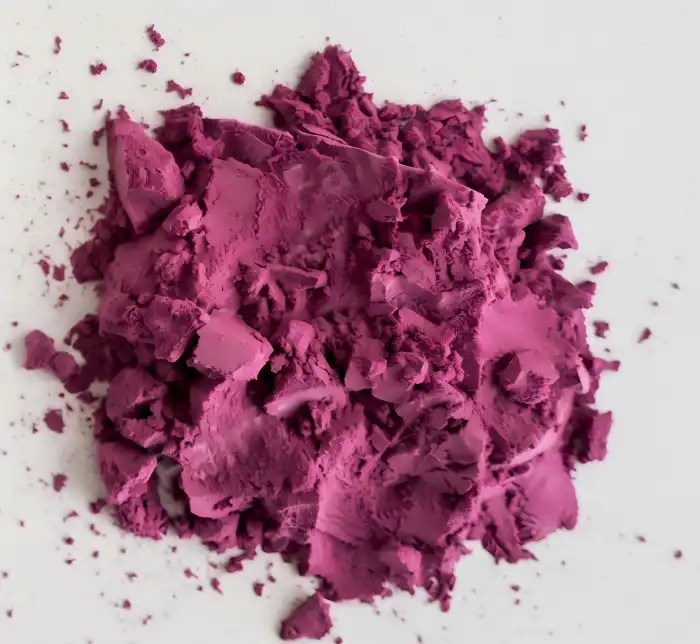
Understanding Purple Yam Ube Powder: What It Is and Why It Matters
Origins and Botanical Identity
Purple Yam Ube Powder comes from the true yam species Dioscorea alata, which is mostly grown in Southeast Asia, especially the Philippines. Unlike purple sweet potatoes, which are in the Ipomoea batatas family, real ube comes from a different group of plants. When making goods, this difference is important because the flavor compounds, anthocyanin structures, and starch properties of these root veggies are very different. To make sure it's real and consistent, we only get our Purple Yam Ube Powder from purple yam roots. The unique phytochemical makeup of these yams is partly due to the warm temperature where they grow. When you use both traditional and modern farming methods together, you get roots that are full of nutrients and colors. Utilizing modern extraction methods, the ingredient is turned into a fine powder while still retaining the key features that make ube unique.
Composition and Nutritional Profile
Purple Yam Ube Powder extract has many different beneficial chemicals in it. Anthocyanins, which give the food its bright purple color, tough starches, which act as prebiotic fibers, and polyphenolic vitamins are some of the most important parts. Formulators can choose the right amount of potency for each application from our standard grades at 80% and 99% concentration. The nutritional richness of the powder includes vitamins, minerals, and fiber that are found naturally. In addition to looking good, these features serve a purpose. When added to recipes, Purple Yam Ube Powder can support health claims without adding anything artificial, which is in line with what consumers want: whole-food ingredients.
Quality Standards and Storage Requirements
To keep the purity of Purple Yam Ube Powder throughout the supply chain, procurement workers need to know the right way to store it. Our product needs to be kept in cool, dry places that are out of direct sunlight. Aluminum foil bags that are vacuum-sealed and food-grade fiber drums that we use keep out moisture and rust. These rules for packaging make food last longer on the shelf while keeping its color and nutritional value. Using TLC (Thin Layer Chromatography) as a testing method guarantees accuracy from batch to batch. This way of doing analysis finds chemical patterns and makes sure that purity standards are met. Our Purple Yam Ube Powder stays in great shape for 24 months after it was made, as long as it is kept in the right way, at temperatures below 25°C and relative humidity below 60%.
Core Benefits of Adding Purple Yam Ube Powder to Your Product Line
Natural Coloring Without Synthetic Additives
The clean-label trend has completely changed how ingredients are sourced. More and more, people are reading product labels very carefully and refusing recipes that use fake colors like Red No. 40 or Blue No. 1. Purple Yam Ube Powder extract can help with this problem because it contains plant-based anthocyanins that give colors that are bright purple. If the recipe is made right, this natural color stays the same at different pH levels and handling conditions. Some plant-based colorants fade or change when heated, but Purple Yam Ube Powder that has been properly handled keeps its color through baking, pasteurization, Purple Yam Ube Powder and freeze-thaw cycles. This steadiness cuts down on the costs and problems of reformulating and making the product.
Functional Health Attributes
In addition to looking good, Purple Yam Ube Powder has measured health benefits that back up what the company says on the label. People who care about their health will like the protective qualities of the anthocyanin content. Researchers have found that purple yam anthocyanins can help protect against oxidative stress. However, any health claims you make must be legal in the places you want to sell your products. The resistant starch part works as a prebiotic fiber, which supports gut health, a topic that is becoming more and more important in nutraceutical products. These fibers don't break down in the small intestine, so they make it to the colon, where they ferment and help good bacteria grow. This practical feature sets supplements apart in a category that is already very crowded.
Versatility Across Multiple Industries
Working with a wide range of B2B clients has shown us how versatile Purple Yam Ube Powder is. The powder can be used in pharmaceuticals as a natural filler and colorant for coats on tablets and capsules. Ultra-micro pulverization creates particles of a regular size, which ensures that they are spread out evenly and that the flow properties are known during tableting. Purple Yam Ube Powder is used by companies that make nutraceuticals in protein blends, vegetable mixes, and health drinks. The mild nutty taste with vanilla notes goes well with other botanical ingredients without being too strong. Food and drink companies use the powder in baked goods, frozen treats, dairy-free options, and ready-to-drink drinks, where the way they look affects people's decisions to buy them.
Competitive Market Differentiation
Market saturation in many product categories means that new ways of standing out are needed. Purple Yam Ube Powder is different, which gets people's attention and gets them involved on social media. When it comes to digital marketing, where visual effect determines brand exposure, the photogenic purple color works really well. We've seen clients successfully start limited-edition lines of products with ube as the star ingredient, which led to more customer interest and the chance to charge higher prices. Filipino food customs are culturally relevant and add storytelling elements that appeal to a wide range of ethnic consumers who are looking for global flavor experiences.
How to Choose the Best Purple Yam Ube Powder Supplier
Defining Your Procurement Requirements
Choosing the right provider starts with making sure that wants are clearly stated. Check your planned production rate to see if small-batch customization or large-scale ongoing supply works better for your business. Our 14 stainless steel extraction tanks, which range in size from 500 to 3,000 liters, allow us to handle orders ranging from small amounts for study to large projects involving many tons of Purple Yam Ube Powder. Think about the needs for the specifications based on your application. Higher concentration grades of 99% work well in pharmaceutical and nutraceutical formulas that need exact dosing and little filler. The 80% standard gives cost-effective choices for uses in food and drinks that need wider tolerance ranges. When you understand these technology differences, you can avoid buying mistakes that cause product launches to be delayed.

Certification and Compliance Verification
Regulatory compliance is a seller requirement that can't be changed. Kosher, ISO22000, HALAL, USDA Organic, FSSC22000, HACCP, EU Organic, EcoCert, BS EN 15662, and cGMP standards are just some of the many that we can certify. These credentials show that the facility has been checked for quality and compliance in a way that is known in foreign markets. Verification includes looking at the audit record as well as the license. Ask for proof of the results of the batch tests, the allergen control methods, and the steps taken to avoid contamination. Our 10,000-square-meter building is GMP-certified and has cleaning processes and equipment zones that are designed to keep pharmaceutical-grade production areas clean. The certificates we have are proof that we followed the rules, not just our own words. This difference is important when your goods are being looked at by regulators or retailers. Working with approved sellers like Fairir builds trust in the quality of your products all the way through your supply chain, which lowers your risk of being sued.
Evaluating Technical Capabilities
Supplier technical infrastructure has a direct effect on how consistent products are and how well they support new ideas. Precision quality control is possible with our wide range of tools, such as HPLC, UV spectrophotometry, rotary evaporators, and other analysis devices. These features make sure that every batch meets certain standards before it is shipped. The technology used in manufacturing affects how well the extraction works and what the end product is like. We use double-effect concentration systems, constant countercurrent extraction tools, and vacuum belt drying technology that keeps heat-sensitive compounds safe. Compared to traditional ways, this advanced processing keeps more of the nutrients. Our production efficiency is 98%, which means we keep our promises to be environmentally friendly while also cutting down on trash.
Assessing Supply Chain Reliability
To lower the risk of procurement, you need to look at the transportation skills of your suppliers. We keep to tight delivery plans, with normal orders being delivered within one to three working days. This is possible thanks to better inventory management and global shipping networks that reach over 50 countries. This responsiveness keeps output from being held up, which would throw off start dates. Look into what steps suppliers can take to protect against supply problems. Our connections with several reliable growers give us buying options when changes in farming conditions affect crop yields. When you have two production lines, you can keep working even when one is being fixed or when demand goes up, so you'll never be without supply. As important as real operations is the infrastructure for communication. We value open communication and let you know ahead of time about the state of your order, any possible delays, Purple Yam Ube Powder, and quality issues. Unexpected problems that always happen in complicated supply chains can be quickly fixed with responsive customer service through easy-to-reach methods like sales@fairirbiotech.com.
Practical Applications: How to Use Purple Yam Ube Powder in Your Products
Formulation Guidelines for Baked Goods
In order to use Purple Yam Ube Powder in baking, you need to know how it reacts with other products. Depending on how strong a color and taste you want, the usual amount to use is between 2 and 5 percent of the total weight of the flour. In some recipes, the powder can be used instead of flour, and it also helps keep food fresh longer by retaining moisture. When making recipes for bread, cake, or cookies, mix Purple Yam Ube Powder well with dry ingredients before adding liquids. This order of mixing makes sure that the mixture is spread out evenly and doesn't clump. Because the natural starches in Purple Yam Ube Powder soak up water, making small changes to the amount of water may help the taste turn out better. Protocols for testing should look at the structure of the crumbs, how stable the color is after baking, and the balance of flavors.
Beverage and Dairy Integration Strategies
The ability of Purple Yam Ube Powder to mix with other flavors and stay suspended is appreciated by people who make drinks. The powder mixes easily in both water and milk bases, making it easy to make smoothies, protein shakes, and gourmet drinks. The ultra-fine pulverization we use to get the particles to a micronized size keeps the taste from being gritty, which hurts sensory acceptance. The suggested amount for drinks is between 0.5 and 3%, based on the strength and level of energy you want. Starting with smaller numbers lets you make small changes as you test the sensory effects. It goes well with dairy, plant-based milks, and fruit mixtures because the mild sweetness and nutty notes don't overpower the flavors.
Nutraceutical Encapsulation Considerations
There are different ways that drug and vitamin companies can package Purple Yam Ube Powder. In two-piece pills, crushed tablets, soft gels, and gummy forms, our product works well. The small particle size ensures that the dose forms always have the same filling weights and content spread. When making pills, you should think about how compressible Purple Yam Ube Powder is. The natural starches help to keep things together, but most versions need extra ingredients to make sure the tablets stay hard and dissolve properly. By checking for compatibility with other active ingredients, issues that could affect storage or bioavailability are avoided.
Packaging and Labeling Best Practices
Labels must include exact lists of ingredients in order to follow regulations. Depending on the marking rules in your market, write "Purple Yam (Dioscorea alata) Root Powder" or "Ube Powder." Our position as organic, non-GMO, gluten-free, and allergen-free allows multiple certification marks, which boost the trustworthiness of the package. In marketing materials, make sure to stress the health benefits and "clean label" qualities. The claims you make must be supported by the laws in your area, but focusing on health benefits like vitamins, fiber, and natural ingredients really hits home with your target audience. Think about different types of packaging that will protect the integrity of the product and help the brand's image. Throughout the delivery process, the quality of Purple Yam Ube Powder is maintained by vacuum-sealed bags, light-protective cases, and materials that block moisture. At store sites, showing off the bright purple color through package windows can get people interested in buying.
Procurement and Logistics: Smoothly Integrating Purple Yam Ube Powder into Your Supply Chain
Bulk Ordering and Pricing Optimization
Strategic planning for purchasing minimizes costs and guarantees a steady Purple Yam Ube Powder supply of Purple Yam Ube Powder. We offer affordable manufacturer-direct prices because we don't add markups for middlemen, which drives up the cost of ingredients. Volume-based price levels reward bigger pledges, but new brands can still buy in small amounts to see how the market reacts. When making deals to buy things, you should weigh the costs of keeping goods against the savings you can get from buying in bulk. Our 25kg fiber drum packaging is easy for medium-volume users to handle, and custom package designs can be made to meet specific operating needs. Talk about pricing systems that take into account expected sales over quarterly or yearly periods to get good terms.
Shipping Logistics and Lead Time Management
Whether your supply chain runs easily or has delays that are annoying depends on how well international services are coordinated. We arrange shipping through dependable freight partners who know how to handle plant extracts. Standard lead times of one to three working days for handling an order, followed by transportation times that depend on where the package is going and how it is being shipped, make organizing easy. Different shipping choices can meet the needs of people with different levels of haste and budgets. Express air freight is a quick way to restock when production plans don't allow for delays, but it costs more than combined ocean shipping, which is better for planned inventory builds. By understanding these trade-offs, you can make smart choices that balance being quick with keeping costs low.
Inventory Management and Shelf Life Considerations
Supply security and expiration risk are balanced by good warehouse management. If you store Purple Yam Ube Powder properly, it will last for 24 months. This gives you enough time to make plans, but using first-in, first-out rotation rules will keep you from running into problems when the date of expiration is getting close. Set up methods for keeping an eye on your supplies that compare the rate of usage to the next reorder point. When figuring out safety stock, you should take into account both the wait time for suppliers and a backup in case demand goes up or supplies break down without warning. We work with our clients to make custom replenishment plans that work with their production dates and help them control their cash flow.
Building Strategic Supplier Relationships
When compared to strategic agreements, transactional buying ties don't offer as much value. We see the success of our clients as connected to our own, so we put money into building relationships that go beyond single deals. Regular contact lines help people learn about the market, stay up to date on new products, and work together to solve problems when they come up. Long-term relationships make it possible to build customized services. As your business grows, we change our support systems to meet your changing needs. This includes increasing production capacity, coming up with new formulas, and managing complicated processes. This adaptability sets real partners apart from generic sellers who don't offer anything special.
Conclusion
Purple Yam Ube Powder is an investment in a key ingredient for manufacturers in the food, cosmetics, nutraceuticals, and pharmaceutical businesses. Multiple market needs are met at the same time by the mix of clean-label appeal, useful nutrition, and unique looks. To integrate things well, you need to choose qualified providers who can provide certified quality, professional know-how, and reliable services. Our GMP-certified center, wide range of testing options, and dedication to quick service make Fairir the perfect partner for you. This guide gives you a framework for reviewing suppliers and adding Purple Yam Ube Powder to your product line by talking about buying issues. The process of adopting the ingredient is justified by the fact that real purple yam extract can help a business stand out in the market and appeal to customers.
FAQ
1. Is purple yam powder suitable for large-scale manufacturing?
Of course. In industrial production settings, Purple Yam Ube Powder works well as a scale. Our consistent particle size distribution and standard specs make sure that automatic filling systems, mixing systems, and continuous processing lines will always work the way we say they will. The powder stays stable under a wide range of handling conditions, such as high temperatures, changes in pH, and long periods of storage. This makes it a safe choice for mass production. Manufacturers who work multiple shifts like batch-to-batch uniformity because it means they don't have to change the recipe or the process.
2. How does ube powder differ from regular yam or taro powder?
The changes are important. The purple color and unique antioxidant makeup of Purple yam (Dioscorea alata) come from its own special anthocyanin chemicals. Normally, yam powders from white or yellow types don't have these nutrients and colors. Taro powder comes from a plant called Colocasia esculenta, which is a completely different species with its own starch structures, taste molecules, and nutritional makeup. Ube has creamy, vanilla-like flavors that regular yams and taro can't match, so they shouldn't be used instead of ube when real ube flavors are wanted.
3. What certifications verify supplier credibility?
Priority certifications include GMP (Good Manufacturing Practices), which shows that the product meets standards for pharmaceutical-grade production; organic certifications, such as USDA or EU Organic, which show that the plant was grown without synthetic chemicals; and food safety management systems, such as ISO22000, HACCP, and FSSC22000. Religious certificates, like Kosher and HALAL, are important for goods that are aimed at certain groups of people. Quality standards, such as BS EN 15662, make sure that testing methods for pesticide residue are correct. Fairir keeps up with this long list of certifications, which is proof that our Purple Yam Ube Powder meets the highest quality and safety standards around the world.
Partner with Fairir for Premium Purple Yam Ube Powder Supply
Shaanxi Fairir Biotech Co., Ltd. is ready to be your reliable Purple Yam Ube Powder supplier. They use cutting-edge extraction technology and strict quality control to meet the needs of B2B customers. Our 10,000-square-meter GMP-certified building has ultra-micro pulverizers, vacuum belt drying systems, and continuous countercurrent extraction tools that can make specs at 80% and 99% concentration. We send organic, gluten-free, non-GMO powder that is certified by Kosher, HALAL, USDA, ISO22000, and FSSC22000. We make sure that the quality of each batch is the same by using 14 stainless steel extraction tanks, two fully automatic production lines that are 98% efficient, and testing instruments like HPLC and UV spectrophotometry. Contact sales@fairirbiotech.com right now to get your free sample and see what the Fairir difference is all about. Whether you're working on nutraceutical recipes, new food products, or cosmetic uses, our expert team can help you in a way that fits your needs and speeds up the development of your product. You can get fast delivery in one to three days, low prices from the maker, and a relationship commitment that goes beyond transactions and into real collaboration.
References
1. Rodriguez-Amaya, D.B. (2019). "Natural Food Pigments and Colorants." Current Opinion in Food Science, Volume 7, Pages 20-26.
2. Champagne, A., Hilbert, G., Legendre, L., and Lebot, V. (2011). "Diversity of Anthocyanins and Other Phenolic Compounds Among Tropical Root Crops from Vanuatu, South Pacific." Journal of Food Composition and Analysis, Volume 24, Issue 3, Pages 315-325.
3. Padmaja, G. (2009). "Uses and Nutritional Data of Sweet Potato and Yam." In: Loebenstein, G., Thottappilly, G. (eds) The Sweetpotato. Springer, Dordrecht.
4. Teow, C.C., Truong, V.D., McFeeters, R.F., Thompson, R.L., Pecota, K.V., and Yencho, G.C. (2007). "Antioxidant Activities, Phenolic and Beta-Carotene Contents of Sweet Potato Genotypes with Varying Flesh Colors." Food Chemistry, Volume 103, Issue 3, Pages 829-838.
5. Woolfe, J.A. (1992). "Sweet Potato: An Untapped Food Resource." Cambridge University Press, Cambridge, United Kingdom.
6. Islam, S.N., Nusrat, T., Begum, P., and Ahsan, M. (2016). "Carotenoids and Beta-Carotene in Orange Fleshed Sweet Potato: A Possible Solution to Vitamin A Deficiency." Food Chemistry, Volume 199, Pages 628-631.