_1751965378790.webp)

Why Choose Organic Matcha Powder Over Conventional Tea?
When it comes to high-quality plant-based ingredients for production, Organic Matcha Powder is a better choice than regular tea. The only thing like this on the market that comes from green tea is pure enough to meet the high-quality standards that people today expect from clean-label products. When organic matcha is grown and ground, it is not handled the same way that regular tea is. This method retains all nutritional value while eliminating any chemicals produced by humans. Because of this, it's a wonderful thing to put in food, medicine, vitamins, and beauty products.
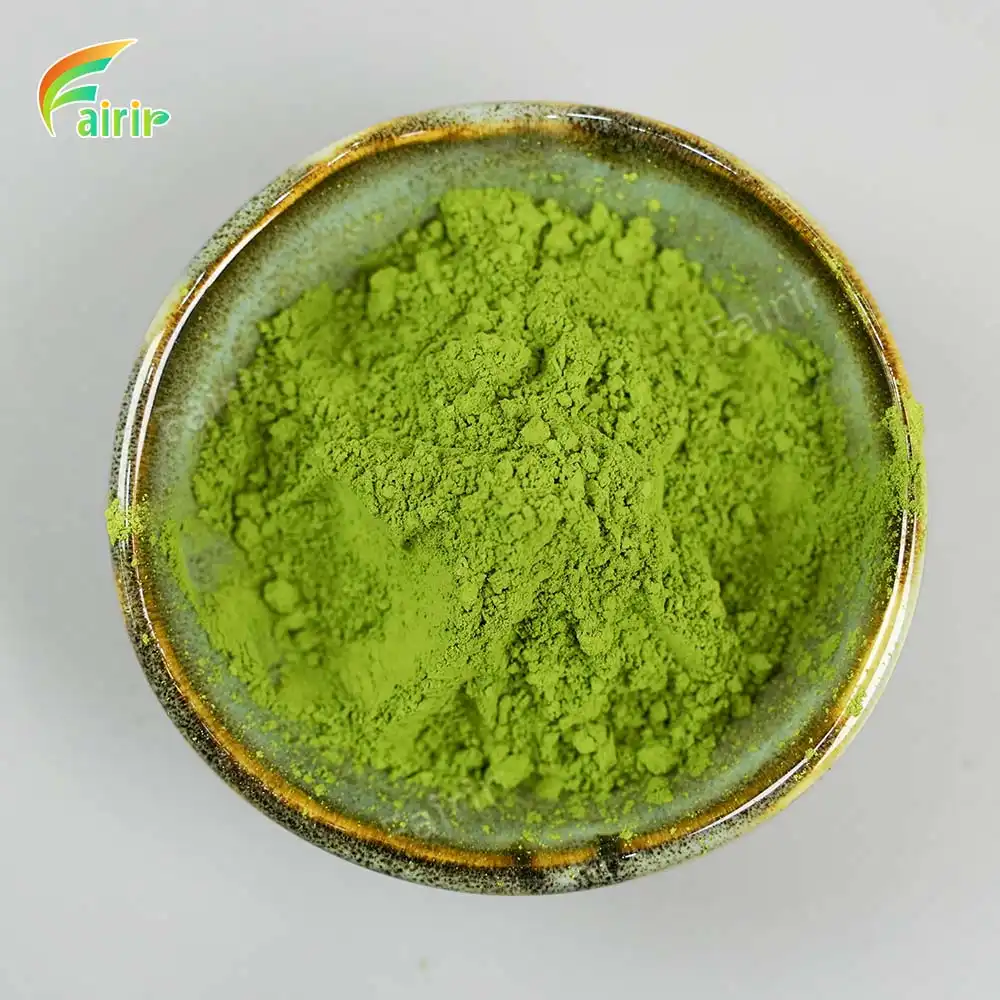
Understanding Organic Matcha Powder: What Sets It Apart?
Specialized Cultivation and Processing Methods
Making tea with organic matcha powder is a brand-new method that is very different from the normal way of making coffee. Using shade to grow plants is the first step in the growth process. Tea plants are kept in shade for twenty to thirty days before they are picked. This deliberate reduction of light causes more chlorophyll, the green pigment in plants that is essential for photosynthesis, to be made and more L-theanine, an amino acid that contributes to the flavor and calming effects of tea, to be present. It is this combination that gives luxury matcha its unique green color and spicy taste.
Traditional stone mills are used to make tea by grinding whole tea leaves into a fine powder that keeps all of the nutrients. Most of the time, though, the leaves are wet and then thrown away, which means that many nutrients are lost. Following strict USDA NOP, EU, and JAS organic standards must be done throughout the whole supply chain, from planting to final packing, in order for the organic approval to be valid.
Enhanced Nutritional Profile and Bioactive Compounds
Researchers have found that matcha has a lot more vitamins than regular green tea. Up to 137 times more catechins, which are a type of antioxidant, are present than in normal green tea. The majority of these are epigallocatechin gallate (EGCG). The extra strength comes from using the whole leaf instead of just a preparation. The phytonutrients in the whole leaf are very helpful in many ways.
Organic farming improves both soil health and plant strength, leading to increased antioxidant production. Studies have shown that tea plants that are grown healthily have stronger natural defenses. The result means that the final product has more polyphenols and the ability to heal better.
Comparing Organic Matcha Powder to Conventional Tea: A Procurement Perspective
Quality, Consistency, and Supply Chain Reliability
When you buy matcha powder, going with organic is the best way to make sure that every batch is the same quality. To get organic approval, you have to fill out a lot of paperwork and have a third-party check your work at every stage of production. This keeps the orders from being too different from one another. Manufacturers need to know how an item will work in different production runs, so this rule is very important.
Quality can change in traditional tea markets because of differences in how the tea is gathered, processed, and stored. There are stricter quality control methods in the supply chain for organic matcha. For instance, the supply chain regularly tests for pesticide residues, heavy metals, and bacterial contaminants. These improved safety steps instill greater confidence in buying managers regarding the quality of ingredients and adherence to rules.
Cost-Benefit Analysis for Long-Term Procurement
Matcha powder made from organic tea leaves costs more per unit than regular tea leaves, but the more expensive option generally saves you money in the long run. Matcha is very concentrated, so you only need a little to get the same or better health benefits. In other words, it costs less per dose. The special location also lets manufacturers charge more for finished goods, which helps them make more money.
Consumers prefer organically certified products due to their environmental benefits, and the government encourages environmental awareness. In places like North America and Europe, where organic goods are more expensive, this gives you an edge over your rivals when it comes to areas where claims about sustainability affect customer choices.
How to Evaluate and Select the Best Organic Matcha Powder Supplier
Critical Certification and Quality Standards
You should carefully look at several quality signs and approval standards to find a reliable organic matcha powder supplier. US Organic, EU Organic, and Japan Agricultural Guidelines (JAS) Organic are the most well-known guidelines. Each certification signifies a meticulous examination of the growing and preparation methods. They make sure that the items follow strict rules about not using man-made poisons and being beneficial for the environment.
People who are very picky about what they buy should look at more than just basic organic certification. They should also look at proof of location, cleaning standards for processing facilities, and scientific testing methods. Japanese roots, especially those from well-known places like Uji, Nishio, and Kagoshima, usually fetch higher prices because the farmers there have been using their unique farming skills for hundreds of years, and the conditions are great for growing them.
Manufacturing Capabilities and Quality Assurance Systems
When choosing a seller, two key factors are their earnings and how they check product quality. Some of the best providers run GMP-approved plants that have special tools for making matcha the right way. Some of the most important pieces of equipment are ultra-micro pulverizers that make sure all the particles are the same size, double-effect concentration equipment, and continuous countercurrent extraction systems.
One more thing that is important is being able to look at the goods. Service providers you can trust have full testing labs with HPLC (high-performance liquid chromatography), UV spectrophotometers, rotating evaporators, and other tools for research. The rules state that these features must be used to ensure quality and stability from batch to batch.
Minimum Order Quantities and Pricing Structures
To plan better and save money when buying things, it's important to know how suppliers set their prices and how much of an order they need to place. Most sellers of organic matcha in bulk will charge you different amounts depending on how much you buy. Buying more will save you a lot of money. The lowest amount you can buy is usually between 25 kg and 1000 kg, but it depends on the grade and the supplier's rules.
These buying methods must balance order size, sales speed, and space. The best way to store expensive matcha powder is for about 12 to 24 months. This means that it needs to be carefully handled so that the quality doesn't go down and money isn't wasted.
Best Practices for Handling and Using Organic Matcha Powder in Business Settings
Storage and Environmental Control Requirements
It's important to store organic matcha powder the right way to keep its quality and make it last longer. The powder shouldn't be near light, heat, water, or air because these things can quickly break down the chlorophyll and change the way it tastes. The best places to store things are in dark, airtight containers that don't let any light in and at temperatures below 5°C.
It is recommended that vacuum-sealed packing or nitrogen cleaning be used in industrial storage systems to lower the risk of rusting. Regularly inspecting storage areas using standard tools ensures the maintenance of quality throughout the supply chain. Monitoring humidity levels and recording temperatures are effective strategies for adhering to legal and quality control standards.
Grade Selection for Different Applications
Understanding the distinction between official and cooking grades allows you to select the most suitable items for each task. Ceremonial-grade matcha is made from the youngest tea leaves. It keeps its color better, tastes better, and has more antioxidants. If you want to show off how good your drinks, vitamins, or cosmetics are, you can use more expensive products and get this grade.
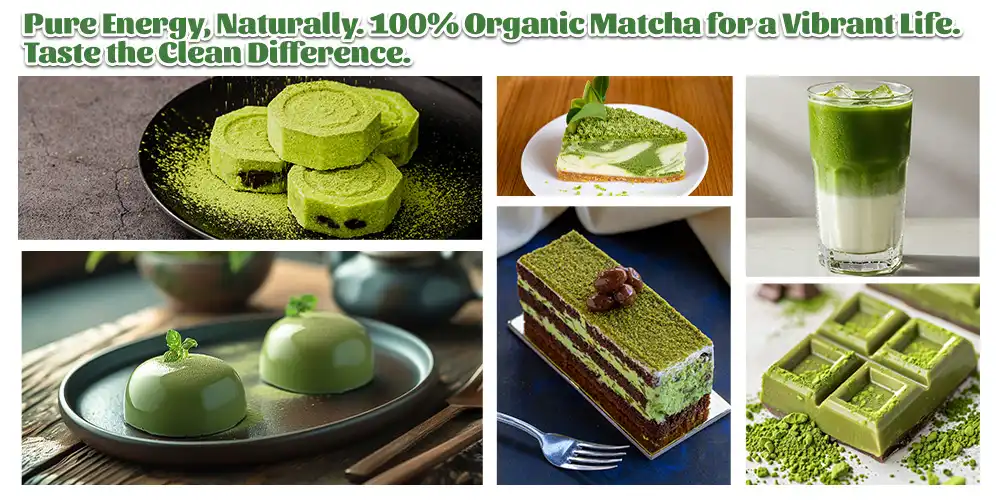
People use matcha in food because it has strong tastes that go well with fats, sugars, and other strong flavorings. This grade is ideal for bakeries, candy shops, ice cream factories, and industrial beverage companies that need a strong matcha taste that doesn't cost too much and goes well with other ingredients.
Processing Considerations for Industrial Applications
When using matcha powder in industry, it's crucial to carefully consider its behavior in various handling situations. Baking and other high-temperature uses can break down chlorophyll, the green pigment in plants, and change the color, so the recipe needs to be changed, or extra ingredients need to be added to help it work. If you use dairy proteins or acidic ingredients with matcha powder that has an alkaline pH (a measure of how basic a substance is), the result may not be the same.
There are many different types of matcha and ways to process them that change how easily they dissolve. When it comes to liquids, premium grades usually work better because they hold better. On the other hand, cooking grades may need more stability or emulsification to work as well in ready-to-drink drinks and liquid vitamins.
Future Trends and Opportunities in the Organic Matcha Powder Market
Market Growth Drivers and Consumer Trends
The market for pure matcha powder is still growing quickly around the world. This is because more people are paying attention to their health, and more businesses are prioritizing high-quality goods. A study of the market shows that both the European and North American markets are growing at steady rates in the double digits. Many people are buying functional drinks, dietary vitamins, and high-end sweets.
Adaptogenic chemicals and goods that help with stress are things that people are interested in. Organic matcha is a good choice because it has a special amount of L-theanine and gives you energy that lasts for a long time. If a company wants to attract health-conscious customers, it can use expensive strategies like this to set matcha apart from other coffee sources.
Innovation Opportunities in Product Development
Organic matcha powder is being used in new ways in many fields, which means that new goods can be made. Nutraceuticals are looking for ways to use matcha to help the brain work better and the body speed up. Cosmetics use matcha's antioxidant properties to make anti-aging products. More and more protein foods, meal replacements, and healthy snacks are coming out with matcha in them.
The clean label trend contributes to the growth of organic matcha usage, as consumers seek ingredients that are easily comprehensible and minimally altered. Firms that use certified organic matcha in their goods have an advantage over those that use artificial ingredients or normal tea extracts because of this taste agreement.
Sustainability and Supply Chain Evolution
Sustainability for the environment is becoming more important when people decide what to buy. For instance, people who sell organic matcha are putting money into green energy systems, technologies that save water, and growing methods that help plants grow again. Long-term, these projects help keep the supply chain stable and meet the needs of people and companies that want to be better for the earth.
Technologies that allow for tracking, such as blockchain-based tracking systems and GPS-enabled field monitoring, help make the supply chain more open and of better quality. With these new technologies, quality control can be more precise, and placement strategies can be raised based on real proof of origin and proven green credentials.
Conclusion
If you are a premium maker looking for high-quality products that meet better quality standards and help you stand out in the market, you might want to try organic matcha powder instead of regular tea. There are many reasons why strategic buying is a better choice. Some of them are better nutritional values, stricter approval standards, and rising customer demand. Businesses can use the unique qualities of organic matcha to create new products that meet the changing needs of customers who want high-quality, eco-friendly, and healthy goods. To do this, they need to work with approved suppliers who have clear methods for making sure of the quality of their products and can always deliver them.
FAQ: Common Questions from B2B Clients about Organic Matcha Powder
What certifications are essential for organic matcha powder procurement?
Some of the most important certificates are USDA Organic, EU Organic, and JAS Organic. This is because they guarantee full control over everything from growing the crops to packing them. This makes sure that there are no manmade fertilizers, pesticides, or GMOs present. They do this by making sure there is a lot of paperwork and checks from a third party at every step of the supply chain.
How does the caffeine content in organic matcha compare to conventional tea and coffee?
This type of matcha has between 35 and 70 mg of caffeine per serving. With L-theanine in it, which slows down caffeine absorption, it gives you energy that lasts for a long time. You'll stay awake longer without getting fatigued like you do when you drink coffee. Because of this, it's a good choice for useful drinks and vitamins that want to give you energy that lasts.
What are typical minimum order quantities and pricing structures for bulk organic matcha?
The lowest amount you can buy is usually between 25 and 1000 kilograms, but it depends on the grade and the supplier's rules. When you buy in bulk, you save a lot of money. Also, special grades cost two to three times as much as food grades because they have better leaves and need more work.
How should organic matcha powder be stored to maintain quality?
It is best to keep things when the temperature is below 5°C, the relative humidity is below 60%, and there is no light or air around. To protect quality all the way through the supply chain, industrial storage should regularly check the surroundings and use nitrogen cleaning or vacuum-sealed packing.
What applications work best for different organic matcha grades?
It works best in high-end makeup, vitamins, and drinks, where the extra cost for better color and taste is worth it. Culinary grade is good for baking, making candies, and making industrial drinks because it has strong flavors that work well with complicated recipes and keep costs low.
Partner with Fairir: Your Trusted Organic Matcha Powder Supplier
Shaanxi Fairir Biotech Co., Ltd. stands as your reliable partner for premium organic matcha powder procurement, offering comprehensive solutions tailored to pharmaceutical, nutraceutical, cosmetic, and food manufacturing requirements. Our 10,000 square meter GMP-certified facility features advanced extraction equipment, 14 stainless steel extraction tanks ranging from 500 to 3000 liters, and two fully automatic production lines achieving up to 98% production efficiency. We use HPLC, UV spectrophotometers, and spinning evaporator systems to make sure that all of our batches are of the same excellent quality and that we're following all the rules. Contact our helpful staff at sales@fairirbiotech.com to talk about your need for an organic matcha powder seller and to learn about our bulk pricing options that will help your business succeed in the long run.
References
1. Weiss, D.J., & Anderton, C.R. (2003). Determination of catechins in matcha green tea by micellar electrokinetic chromatography. Journal of Chromatography A, 1011(1-2), 173-
2. Ku, K.M., Kim, J.N., Park, H.J., Kim, J.K., Ha, J.H., Lee, J.H., & Lee, S.H. (2010). Application of meta-topolin to green tea micropropagation. Plant Cell, Tissue and Organ Culture, 101(1), 89–92.
3. Alcazar, A., Ballesteros, O., Jurado, J.M., Pablos, F., Martin, M.J., Vilches, J.L., & Navalon, A. (2007). Differentiation of green, white, black, Oolong, and Pu-erh teas according to their free amino acid content. Journal of Agricultural and Food Chemistry, 55(15), 5960-5965.
4. Horie, H., Ema, K., & Sumikawa, Y. (2017). Chemical components of matcha and powdered green tea. Journal of Cook Science of Japan, 50(4), 182-188.
5. Sharangi, A.B. (2009). Medicinal and therapeutic potentialities of tea (Camellia sinensis L.)—A review. Food Research International, 42(5-6), 529-535.
6. Koch, W., Kukula-Koch, W., Komsta, Ł., Marzec, Z., Szwerc, W., & Głowniak, K. (2018). Green tea quality evaluation based on its catechin and metal composition in combination with chemometric analysis. Molecules, 23(7), 1689.