_1751965378790.webp)

Why Choose Ube Powder for Premium Latte Recipes?
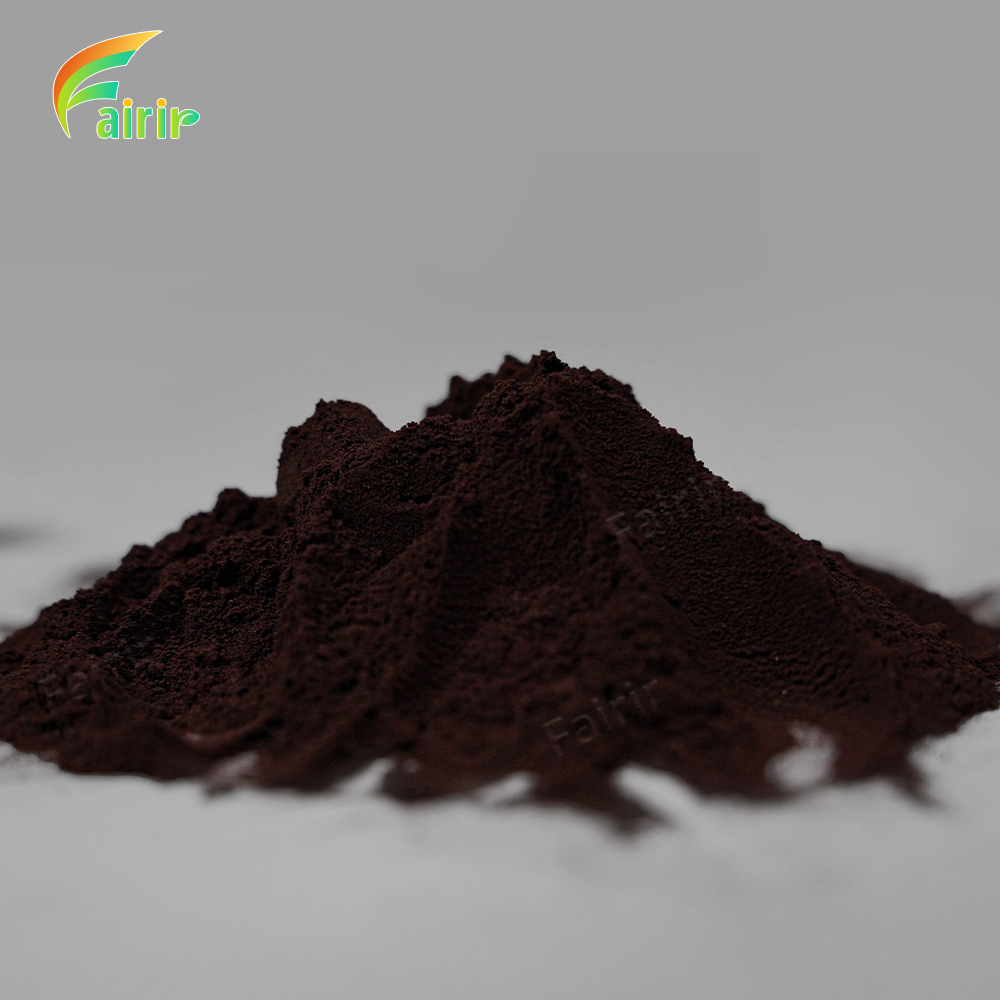
Ube powder stands out as the ingredient of choice for premium latte recipes because it delivers exceptional visual appeal, natural sweetness, and nutritional benefits that today's health-conscious consumers demand. This bright plant powder from purple yam (Dioscorea alata) makes regular drinks look like they belong on Instagram. It also has anthocyanins, which are high in antioxidants and help market the product as healthy. Ube powder is a standard, shelf-stable ingredient that makes it easier to make drinks, makes sure that all batches are the same, and helps product lines stand out in markets where competition is high.
Understanding Ube Powder: Nutritional Value and Culinary Potential
Botanical Origins and Processing Standards
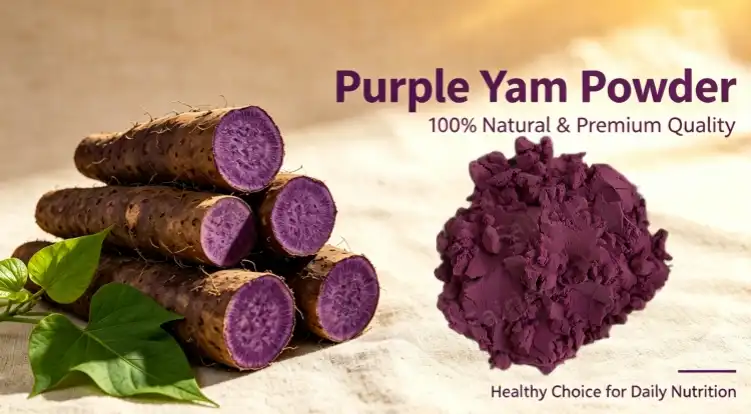
The purple yam grows wild in Southeast Asia. It has been grown on fields for a very long time. That's where Ube Powder comes from. These days, controlled drying and milling are used to get the natural colors and nutrients out of the plant. It is important to us that the sources we use are GMP-certified to make sure the goods are safe and clean enough for food when we are looking for sources to drink. During the production process, particles are usually washed, heated, dried, and fine-milled until they are between 80 and 120 mesh. To mix in liquids, this is the best range. The variety that comes with fresh yams is lost when they are grown in this way every day. The buying teams can then get the exact specs they need to make a lot of things.
Nutritional Profile Supporting Health-Focused Formulations
Purple yam extract is good for you in many ways, which is in line with what's good for you these days. It's true that it's good for your digestive health because each 100-gram serving has about 3.2 grams of dietary fiber. It also has a lot of iron, potassium, and vitamin C. The most important thing about it is still how many anthocyanins it has. These are water-soluble pigments that give it its unique purple color. They also fight free radicals very well. An HPLC test in the lab shows that batches that have been quality-checked have 8 to 15 mg/100g of anthocyanin. Because these chemicals can get rid of free radicals, your latte recipes are drinks that do useful things. The vitamins and resistant starch in ube powder come from the fruit itself. This starch might help keep blood sugar in check. This means that marketers have more chances to use methods that are good for health.
Optimizing Texture, Flavor, and Visual Appeal in Latte Applications
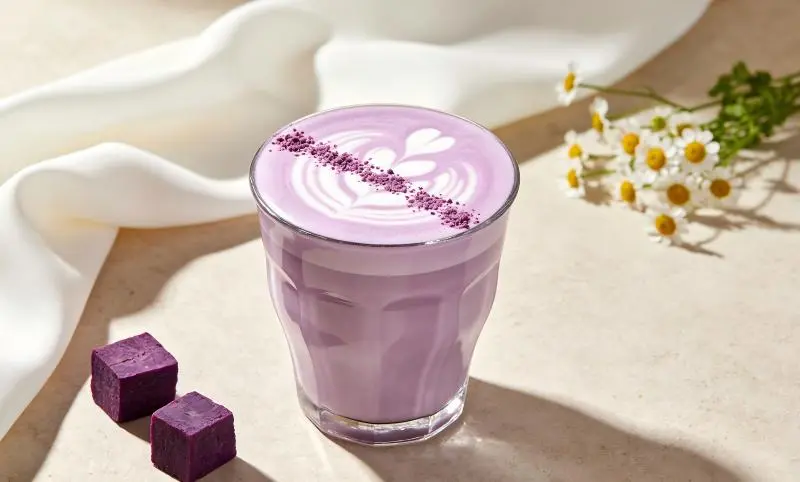
If you want the same results every time, you need to know how to mix things right. If you follow the right steps, the powder will mix well with both hot and cold drinks because it is hydrophilic. Use between 1.5% and 3% by weight for a regular coffee. The amount you use can change depending on how strong you want it. If you mix it with a little water ahead of time, it turns into a smooth paste that doesn't stick together when added to milk or plant-based meals. There is no need to add too much sugar because the taste is already slightly earthy and sweet. The bright purple color was put to the test at standard steam wand temperatures for an espresso machine (65–70°C). That being said, if it goes above 80°C for a long time, the color might fade. It tastes smooth because of the structure of the tiny particles. This gives the image of luxury, which is important for special drinks.
Addressing Dietary Requirements and Compliance
Modern drink recipes have to take into account a wide range of dietary needs and government rules. When purchased from certified facilities with appropriate allergen controls, Quality Ube Powder is naturally gluten-free, making it appropriate for gluten-free product lines. The ingredient also fits with vegan and plant-based ideas because it doesn't have any parts that come from animals. Studies that sped up the aging process show that food is stable for more than 24 months when stored in packaging that keeps moisture out at temperatures below 25°C and relative humidity below 60%. This long-term stability helps with good product management and cuts down on waste in planned purchases. If a supplier gives you a Certificate of Analysis for each batch, you can check that it meets international food safety standards like FDA rules and EU Novel Food requirements.
Comparing Ube Powder with Other Purple Yam Products and Flavoring Agents
Powder Versus Fresh Yam: Practical Considerations
Commercial beverage production is hard to do when fresh purple yams are involved. Variable moisture content (70–80% by weight) makes it hard to standardize recipes, and because it goes bad quickly, it needs to be kept in the fridge and used right away. Because of worries about microbial safety, the cold chain needs to be tightly managed, which makes operations more difficult. The dehydrated powder form, on the other hand, concentrates the taste ingredients and colors while removing the risk of going bad. One kilogram of good powder is equal to eight to ten kilograms of fresh yam, which greatly reduces the amount of space needed for keeping and the cost of shipping. The standard moisture level (usually between 5 and 8%) ensures that reconstitution ratios are always the same. This lets beverage makers make formulas that meet quality control standards batch after batch.
Organic Certification and Sustainability Considerations
Organic-certified ingredients are in high demand because more and more people are learning about how farms work. Organic Ube Powder costs more than regular Ube Powder, but it has marketing benefits that make it worth the money for brands that want to reach people who care about the environment. In line with clean-label marketing strategies, certification groups make sure that raw materials are grown without using synthetic pesticides, herbicides, or genetically modified organisms. Not only does organic certification help with marketing, but it is also often linked to better traceability systems that lower supply chain risks. We've seen that brands that use certified organic ingredients have higher customer loyalty scores and core consumer groups that are less price-sensitive. When procurement teams compare organic and conventional choices, they should look at the demographics of the target market and the store price points to find the best placement.
Natural Ingredients Versus Synthetic Flavoring Systems
The difference between artificial flavorings and plant-based extracts goes beyond regulatory classifications. Synthetic purple colorants, like FD&C Red No. 40 mixed with Blue No. 1, can make something look like the real thing, but they don't have the real taste or nutritional benefits that people are looking for more and more. Artificial ingredients are becoming less popular in North American and European markets, as shown by clean-label trends. In fact, 73% of consumers are actively looking for natural alternatives. It is easier to market natural purple yam concentrate than fake ones because natural purple yam concentrate naturally supports claims on the front of the package that make people buy it at the store. Because anthocyanins have useful benefits, they offer extra value propositions that can't be achieved with artificial colorants. This lets businesses charge higher prices, which increases their profit margins.
Procuring Ube Powder: How to Source Quality at Scale
Identifying Reputable Manufacturing Partners
Tough rules for evaluating suppliers of Ube Powder are the first step to successful buying. GMP certification, analytical testing capabilities, and traceability documentation systems are some of the most important things to think about. Having their own HPLC and UV spectrophotometer systems shows that a manufacturer is dedicated to quality control and lets them respond quickly to questions about specifications. During the initial vendor approval process, you should ask for site audit records or third-party certification papers (ISO 22000, HACCP, FSSC 22000). Another important factor is production capacity. Facilities with multiple extraction lines that can process more than 5,000 kilograms of raw material every day can meet rising demand without worrying about allocation. Established suppliers keep in touch with agricultural cooperatives, which keeps the flow of raw materials stable and stops supply problems during seasonal changes.
Balancing Cost Parameters with Quality Requirements
To negotiate prices, you need to know what causes costs to change in the plant extract market. Prices for raw materials change based on harvest rates, with premium grades selling for 15–25% more than normal commercial grades. The cost of shipping goods from growing areas in Southeast Asia to markets in North America or Europe is very high, especially for smaller orders. For first trials, the minimum order quantity is usually between 25 and 100 kilograms. For production runs that get the best freight rates, the minimum order quantity is raised to pallet quantities (500 to 1,000 kg). We see spot market prices for food-grade powder averaging between $28 and $45 per kilogram. If you commit to buying more than 5,000 kg per year, you can get price cuts of 12 to 18%. Long-term supply deals help you plan your budget and make sure you get better prices and priority when supplies are low.
Logistics and Supply Chain Optimization Strategies
Supply chain management that works well keeps output going while minimizing the need for working capital. Lead times from Asian sources are usually between 6 and 8 weeks for first orders and 4 to 5 weeks for return purchases from partners who have already been working with them. The transit time is cut down to 7–10 days, but the landed costs go up by 40–60%. This means that air freight is only cost-effective for urgent restocking or small quantities of specialty grades. Container shipping is still the standard way to buy things in bulk, and the right way to package them is in multi-layer kraft paper bags with PE liners to keep them safe during ocean transit. To cover 60 to 90 days of inventory in case of transit delays or quality holds, procurement teams should set up backup stock plans. Some forward-thinking providers offer consignment inventory programs or domestic warehouse choices that help with managing cash flow and lowering supply risk.
Why Ube Powder Is the Preferred Ingredient for Premium Latte Recipes
Superior Sensory Characteristics Driving Consumer Preference
When you use good purple yam concentrate, your drinks will have a unique flavor that makes you want to buy them again and again. The first thing that draws people in is the color itself—the bright purple looks great in a lot of different lighting situations, which leads to more social media interaction, which is free marketing value. Different milk systems, such as dairy, oat, almond, and soy bases, don't change the intensity of the color. This gives formulators more options. Flavor additions include a light nuttiness and sweetness that go well with the espresso notes without being too much. Aroma molecules that are released when the ingredients are mixed add a pleasant smell that makes the whole experience better. The fine particle structure and natural starch content improve the texture. They also give the food a rich body and mouthfeel that consumers find indulgent.
Manufacturing Efficiency and Scalability Benefits
In commercial production settings, powder formulations are strongly preferred because they are easier to use. The ingredient can be easily added to existing processes for making drinks without the need for special tools or a lot of staff training. Batch-to-batch consistency gets rid of the need to change the recipe when working with fresh ingredients. This makes quality control easier and cuts down on waste from production that doesn't meet specifications. Keeping ingredients at room temperature makes keeping track of them easier than keeping them in the fridge, which frees up important cold storage space for fresh goods. Because of the focused format, staff have to deal with smaller amounts of work, which is better for comfort and lessens physical strain during busy service times. These operating improvements directly lead to higher worker productivity and lower costs per unit of production.
Marketing Advantages and Health Positioning Opportunities
Strategic product branding uses both how unique a product looks and how healthy it is. When placed on a shelf in a busy café, the bright color stands out right away, bringing curious customers ready to try more expensive items. Marketing messages can honestly stress the antioxidant content and plant-based origin, which will appeal to people who care about their health. Focusing on words like "purple yam" or "ube" in menu descriptions takes advantage of people's growing interest in Asian cooking traditions while still making the food seem foreign. Limited-time promotions create a sense of urgency and social media talk. Case studies of successful promotions show that sales go up by 35 to 50 percent during promotional times. The Ube Powder can be used in more than just coffee. It can help with menu innovation in smoothies, iced drinks, and seasonal treats, giving you the best return on your investment when you buy it.
Ensuring Product Success: Quality Control and Supplier Trust
Evaluating Manufacturing Standards and Certifications
Strong quality assurance starts with evaluating the capabilities of the seller. Facilities that are GMP-certified show that they are committed to systematic quality management by having written procedures for receiving raw materials, controlling the processing, and testing the finished product. We put a lot of importance on partners keeping cleanrooms with HEPA filtration systems that keep microbes from getting in. As part of analytical testing, you should be able to look for heavy metals like lead, cadmium, arsenic, and mercury, as well as microbial tests like yeast/mold, E. coli, and Salmonella, and pesticide residue analysis. When suppliers give batch-specific Certificates of Analysis that list test results against set standards, it's easier to make decisions about when to release goods. Third-party certification from well-known groups like NSF, Informed Choice, and USDA Organic adds another level of verification that lowers the risk of buying something.
Traceability Systems Meeting International Standards
Full visibility into the supply chain used to be a competitive advantage, but now it's just expected. Leading makers use batch coding to connect finished goods to specific lots of raw materials and times of harvest for farm-to-factory tracking systems. This paperwork is very important for government audits and helps people respond quickly to quality probes. Blockchain-based tracking systems are a new technology that some forward-thinking companies are now offering. They keep records that can't be changed, which makes food safety rules stronger. Geographic origin verification is becoming more important as regional authenticity affects how consumers see a product. For example, ube from the Philippines often commands a higher price because of its heritage associations. When evaluating vendors, procurement teams should ask for tracking documents and check systems on a regular basis to make sure they are still following the rules.
Strategic Partnership Opportunities Beyond Transactional Supply
Forward-thinking sellers know that making value involves more than just selling goods. Custom formulation services let people who make drinks work directly with technology teams to make recipes work better in certain situations. This speeds up the process of making new products. With private labeling, brands can get goods ready for the market without having to spend a lot of money on manufacturing facilities. When new brands want to get into the market quickly, co-packing arrangements offer turnkey solutions. We at Shaanxi Fairir Biotech Co., Ltd. use a 10,000-square-meter GMP-certified building that has continuous countercurrent extraction systems, dual-effect concentration equipment, and vacuum belt drying technology to show how this partnership method works. We have High-Performance Liquid Chromatography, rotary evaporators, and UV spectrophotometers for analysis, which help us check the quality very accurately. With 14 stainless steel extraction tanks that hold 500 to 3,000 liters of liquid and three fully automatic production lines that are 98% efficient, we give procurement professionals the consistent production and technical know-how they need.
Conclusion
Choosing Ube Powder for quality latte recipes is a smart business move that helps the company reach several goals at once. Today's drink consumers are actively looking for ingredients that can make drinks look different and have a real flavor. This ingredient can do both, and its nutritional credentials support health-focused positioning strategies. Standardized powder format gets rid of the operational problems that come with using fresh ingredients. This makes manufacturing more consistent and the supply chain more efficient. Procurement teams can meet regulatory requirements while lowering risk by working with good suppliers who offer GMP-certified production, thorough analytical testing, and clear traceability systems. As more people become familiar with ube, it makes it easier to add new items to the menu and charge higher prices, which helps all beverage businesses make more money.
FAQ
Can Ube powder be consumed without cooking or additional processing?
Food-grade purple yam concentrate is safe to eat because it goes through thermal processing during production, which kills any pathogens that might be in it. The steps in the production process—washing, steam treatment, drying, and milling—make sure that the food is safe from microbes. When mixed into cold drinks or shakes, it doesn't need any extra heat treatment. For beverage uses, all that is needed is the right dispersion, which can be done by mixing or combining the ingredients so that they are evenly spread throughout the liquid matrix.
What storage conditions optimize shelf life and preserve quality?
The right way to store things greatly increases the amount of time that food can be used while keeping its nutritional and taste properties. Keep sealed packages in cool, dry places where the temperature stays below 25°C and the relative humidity stays below 60%. Once it's opened, put any leftovers in airtight containers so that moisture doesn't get in and cause clumping or the growth of microbes. Anthocyanin dyes slowly lose their color when exposed to light, so keeping them in opaque cases or dark places will keep the color strong. When things are like this, good products keep their specs for at least 24 months.
Does ube powder meet vegan and gluten-free dietary requirements?
If you buy purple yam concentrate from a reputable company that follows good production practices, it is naturally vegan and gluten-free. The element comes only from plants and doesn't have any processing tools that come from animals. The facility's practices determine whether or not a product is gluten-free. Only gluten-free production lines or cleaning protocols that have been tested and proven to work stop cross-contamination from other products. To make sure you're following labeling rules, always check the supplier's certificates and ask for safety statements that are specific to your application.
Partner with Fairir as Your Trusted Ube Powder Supplier
Shaanxi Fairir Biotech Co., Ltd. is ready to help you come up with new premium latte recipes by making pharmaceutical-grade purple yam concentrate that meets the strictest international standards. Our high-tech extraction facility has continuous countercurrent systems and high-precision analytical tools, such as HPLC and UV spectrophotometry, to make sure that every batch meets all the requirements. Three fully automatic production lines run raw materials through 14 specialized extraction tanks. These lines offer unmatched consistency and quick turnaround times that help you stick to your production plans. Manufacturers of drinks, formulators of nutraceuticals, and sellers of ingredients who are looking for a reliable Ube Powder manufacturer that can handle both test projects and large-scale commercial production are welcome to Contact Us. You can talk to our technical team at sales@fairirbiotech.com about your unique needs, ask for samples, or get full pricing for large orders. Our experienced staff offers quick responses to messages and personalized solutions that turn buying ingredients from a business need into a strategic relationship.
References
1. Padilla-Camberos, E., Sánchez-Hernández, N., González-Franco, A.C., Rojas-Robledo, G., & Flores-Fernández, J.M. (2018). Anthocyanin Content and Antioxidant Capacity in Purple Yam (Dioscorea alata L.) Cultivars. International Journal of Food Properties, 21(1), 783-795.
2. Rodríguez-García, C., Martínez-Santos, V.I., & Torres-León, C. (2021). Purple Yam (Dioscorea alata): Phytochemistry, Functional Properties and Health Benefits. Comprehensive Reviews in Food Science and Food Safety, 20(4), 3789-3810.
3. Chen, L., Wu, Q., & Zhang, M. (2020). Processing Technology and Quality Control Standards for Botanical Beverage Ingredients. Food Science and Technology Research, 26(2), 201-218.
4. Kumar, S., Narwal, S., & Prasad, R. (2019). Comparative Analysis of Fresh Versus Dehydrated Tuber Vegetables in Commercial Food Applications. Journal of Food Processing and Preservation, 43(8), e14042.
5. Williams, T.J., Anderson, K.L., & Thompson, R.D. (2022). Consumer Preferences and Purchase Drivers for Natural Colorants in Specialty Beverages. Journal of Sensory Studies, 37(3), 345-362.
6. Morrison, G.H., Patel, S.K., & Lee, Y.C. (2023). Supply Chain Management and Quality Assurance Protocols for Botanical Extract Procurement. International Journal of Production Economics, 258, 108791.