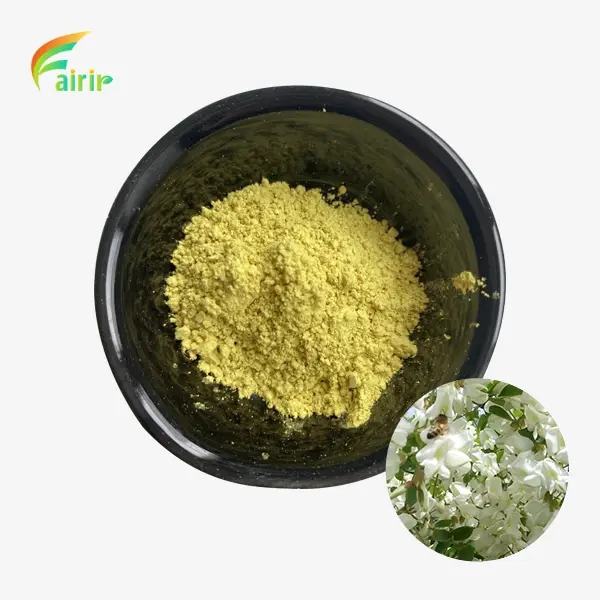
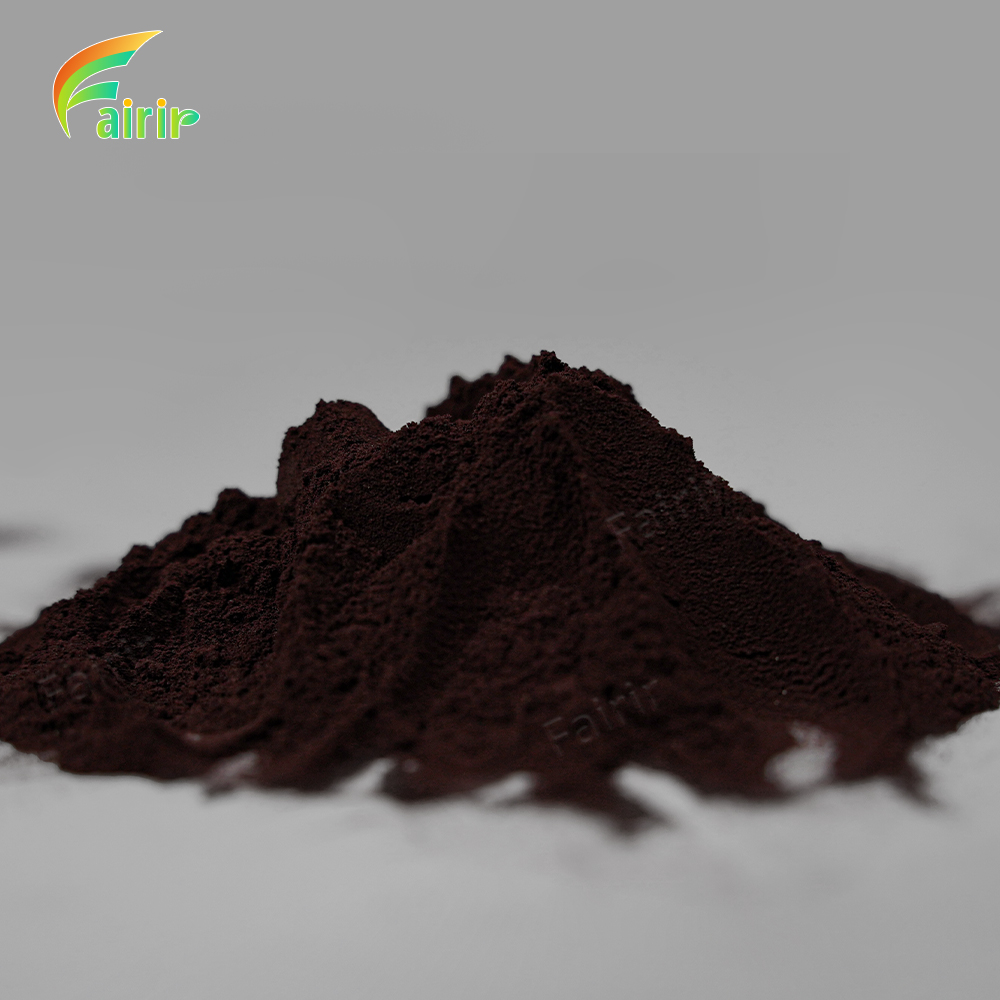
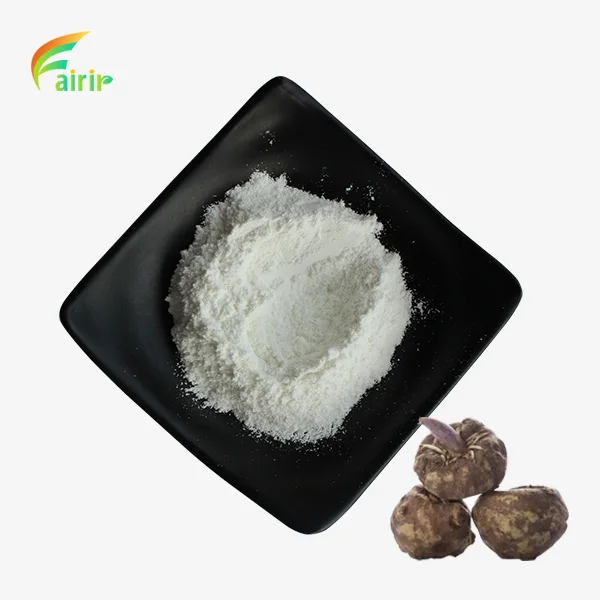
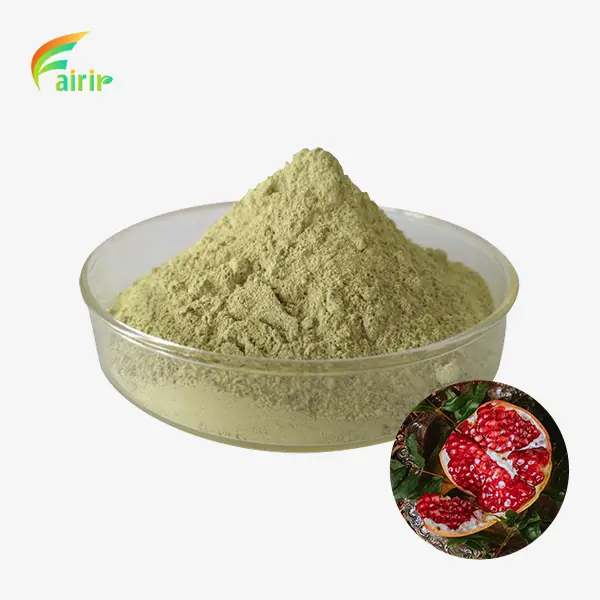
A lot of people believe α-Tocopherol Acetate Powder in cosmetics because it is very stable, has strong antioxidant properties, and has been shown to work in anti-ageing formulas. This stable vitamin E derivative protects better against oxidative stress and keeps the purity of the product throughout its shelf life. This makes it an essential ingredient for cosmetic companies that want to make high-quality skincare products with reliable, high-performance ingredients.
Understanding α-Tocopherol Acetate Powder: Definition and Core Benefits
What Is α-Tocopherol Acetate Powder?
Tocopherol Acetate Powder is a stabilised ester form of vitamin E that was made to fix the problem that pure α-tocopherol is naturally unstable. This grayish-white crystalline compound (CAS: 58-95-7) stays within a 98% range, which means that all versions will have the same amount of potency. An acetate group is linked to the hydroxyl group of α-tocopherol in the chemical structure. This makes the molecule more stable, so it doesn't oxidise while it's being stored or processed. The main difference between α-tocopherol and its acetate form is how stable they are and how easy they are to work with. Pure α-tocopherol breaks down quickly in air, light, and heat, but the acetate form stays stable under normal storage and production settings. This better stability means that the product will last longer, break down less, and cosmetic makers will be able to predict more accurately how the mixture will work. Natural sources of vitamin E usually have a mix of tocopherols, but synthetic Vitamin E Acetate Powder has a normal, concentrated level of potency. This consistency is very helpful for makeup formulators who need exact ingredient lists to make sure their products work well and follow the rules.
Key Benefits of α-Tocopherol Acetate Powder in Cosmetics
Vitamin E acetate powder's antioxidant qualities protect the skin very well against free radical damage, which is one of the main reasons why skin ages too quickly. Applying vitamin E products to the skin lowers the signs of oxidative stress in skin cells by a large amount, which helps keep cells healthy and functioning properly. Enhancing the skin layer is another important benefit, as vitamin E helps the body's natural defences stop moisture loss and damage from the environment. The compound makes the lipid structures between cells stronger, which makes the skin more resilient and hydrated generally. This barrier-supporting function is especially useful in anti-ageing products, where keeping the skin moist is becoming more and more important. Vitamin E acetate is α-Tocopherol Acetate Powder, a compound that works well with other active ingredients to fight obvious signs of ageing. It is a great addition to anti-ageing products. The molecule's ability to neutralise reactive oxygen species helps keep collagen from breaking down and supports the skin's natural repair processes, which leads to better texture and look over time.
How α-Tocopherol Acetate Powder Works in Cosmetic Formulations
Mechanism of Action in Skin and Hair Health
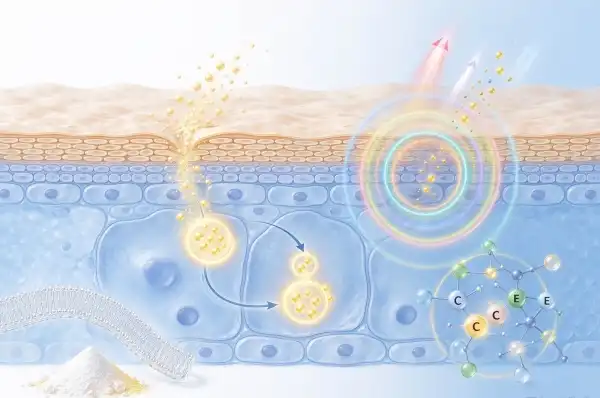
When α-Tocopherol Acetate Powder is put on the skin, it is changed by enzymes inside the cells, releasing active vitamin E right where it's needed most. This tailored delivery method makes sure that the product is bioavailable and doesn't break down too much while it's being stored. The conversion process mostly happens in the stratum corneum and healthy epidermis, protecting the skin with antioxidants in a specific area. Protection against UV harm and free radicals happens in more than one way. Vitamin E stops lipid peroxidation processes that can damage cell walls by breaking the chain of antioxidants. The compound also works together with vitamin C and other antioxidants to make protective networks in skin cells that are very strong. Vitamin E acetate helps protect hair follicles from environmental stressors and oxidative damage, which is an added benefit to providing basic nutrition to the hair and head. The compound improves blood flow to the head and may help hair grow faster and healthier by keeping the follicles working properly. Because of these benefits, it is a great addition to high-end hair care products that treat damaged or ageing hair.
Stability and Handling in Formulation Processes
Because of how easily it dissolves, α-Tocopherol Acetate Powder can be mixed with a wide range of substances, ranging from oil-in-water emulsions to systems that don't need water. In lipophilic stages, the compound dissolves easily, but it stays stable during processing. Newer methods of packaging can improve delivery even more and keep the active ingredient safe while it is being made. There is a lot of information that shows that it works well with common makeup ingredients and stays stable when mixed with other antioxidants, emulsifiers, and preservatives. This compatibility makes it easier to make the product and lets you use creative mixtures of ingredients that make the product work better overall. When it comes to shelf life, vitamin E acetate is better than other forms of vitamin E because it stays effective for longer when kept properly. This stability means fewer returns, happier customers, and a better image for the brand in markets where competition is high.
Comparing α-Tocopherol Acetate Powder with Other Vitamin E Forms
α-Tocopherol Acetate Powder vs Liquid Vitamin E and Other Derivatives
Bioavailability differences between powder and liquid types are mostly caused by how stable and flexible the formulation is while it is being processed. When compared to liquid forms, powders are easier to handle, less likely to oxidise, and can be dosed more accurately. The crystalline structure protects against damage from the atmosphere and keeps the potency levels stable. The acetate forms work better for topical application because the ester bond allows for controlled release of active vitamin E into skin tissue. This controlled release method usually gives longer-lasting antioxidant action compared to immediate-release forms of α-Tocopherol Acetate Powder that may be broken down or metabolised quickly. The choice between synthetic and natural sources affects both cost-effectiveness and compliance with regulations. Standardised potency, consistent quality, and low prices make synthetic α-Tocopherol Acetate Powder a good choice for large-scale manufacturing processes. The product is pure enough to meet all standards and keeps the supply chain stable.
Selecting the Best Vitamin E Form for Cosmetic and Nutritional Products
Pure Vitamin E Acetate Powder versus mixed tocopherols presents distinct advantages for specific applications. Pure forms provide predictable activity levels and simplified formulation development, while mixed tocopherols may offer broader antioxidant profiles but with less standardised potency. Cosmetic applications typically benefit from the consistency and reliability of pure acetate forms. Market demand trends increasingly favour standardised, high-potency ingredients that deliver consistent results across product batches. Consumer preferences for proven, science-backed ingredients drive demand for well-characterised compounds like vitamin E acetate that offer documented efficacy and safety profiles.
Procurement Insights: Sourcing High-Quality α-Tocopherol Acetate Powder
Key Criteria for Choosing Reliable Bulk Suppliers
Quality certifications represent the foundation of reliable sourcing decisions. Pharmaceutical-grade specifications ensure the highest purity levels, while organic certifications may appeal to natural product manufacturers. Food-grade alternatives provide cost-effective options for less demanding applications while maintaining essential safety standards. Certificate of Analysis documentation should include comprehensive testing results covering purity, potency, microbial content, heavy metals, and residual solvents. Advanced analytical methods such as HPLC, UV spectrophotometry, and GC analysis provide detailed characterisation that supports regulatory compliance and quality assurance programs. Minimum order quantities, payment terms, and shipping logistics significantly impact procurement efficiency and cost-effectiveness. Suppliers offering flexible MOQs accommodate varying production scales, while competitive payment terms support cash flow management. Reliable shipping options with proper temperature control ensure product integrity during transit.
Overview of Leading Brands and Manufacturers
Shaanxi Fairir Biotech Co., Ltd. stands among trusted manufacturers, operating a GMP-certified 10,000㎡ production facility equipped with state-of-the-art CO₂ supercritical extraction technology. The company's commitment to quality includes stringent adherence to ISO, USDA Organic, and Halal standards, supported by an expert R&D team with 11 master 's-level researchers. Supplier evaluation strategies should encompass production capacity, quality systems, regulatory compliance, α-Tocopherol Acetate Powder and customer service capabilities. Fairir's advanced manufacturing infrastructure includes 14 stainless steel extraction tanks ranging from 500 to 3000 litres, three fully automatic production lines, and production efficiency reaching 98%. This extensive capacity ensures a reliable supply even for large-volume requirements.
Practical Applications and Formulation Tips for Cosmetic Development
Incorporating α-Tocopherol Acetate Powder in Skincare Products
The dose that is generally suggested for use in cosmetics is between 0.5% and 2%, but this can change depending on the product and the results that are sought. Serums that fight ageing may use higher concentrations, while daily moisturisers used for maintenance often use lower concentrations. At these concentration levels, the antioxidant action is good, and the product stays safe and stable. Vitamin E acetate works best in anti-ageing creams, serums, and sunscreens. The compound's ability to protect against UV light works well with both chemical and physical UV screens. Its ability to moisturise also makes the product work better overall. When making serums, the powder form is best because it is stable and easy to dose correctly. To keep things safe during production, the temperature is controlled to avoid breaking down, and the materials are mixed well to make sure they are spread out evenly. In the lipophilic phase, the powder form has to dissolve all the way before emulsification can happen. By treating the product in the right way, you can lower the risk of oxidation and keep its purity while it is being made.
Emerging Trends and Advanced Formulation Techniques
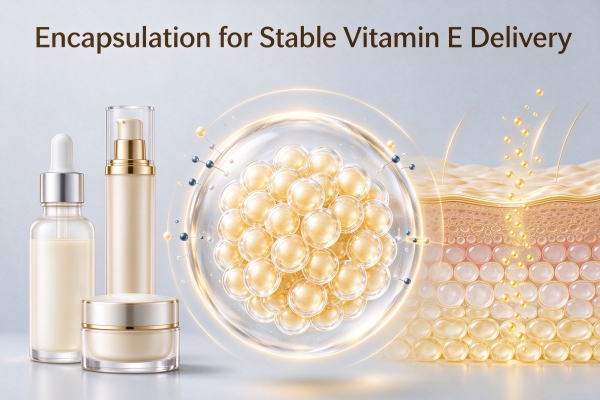
Encapsulation methods are cutting-edge ways to improve the stability of α-Tocopherol Acetate Powder and delivery of vitamin E. Microencapsulation methods keep the active ingredient safe from outside stresses and allow for controlled release. These high-tech delivery methods can make products work better and give customers a better experience. Combinations that work well together and antioxidants that work well with each other make strong formulas that treat multiple skin problems at once. Vitamin C partnerships improve protection from UV rays, and coenzyme Q10 relationships help cells use energy. Most of the time, these strategic combinations work better than single-ingredient methods.
Conclusion
This powder called α-Tocopherol Acetate has become an important part of many cosmetics because it is very stable, works well, and can be used in many different ways. The compound is essential for manufacturers looking for reliable, high-performance ingredients because it has better antioxidant qualities, a longer shelf life, and more formulation options. More and more people want anti-ageing and protective skin care products that really work. Vitamin E acetate powder is the scientific basis for products that really do work. To make sure that the products you buy always work well and follow the rules, you need to carefully check that the suppliers you're considering have the right quality standards, analytical tools, and manufacturing know-how.
FAQ
Q1: What is the recommended dosage of α-Tocopherol Acetate Powder in cosmetic formulations?
A: The recommended dosage typically ranges from 0.5% to 2%, depending on the specific product type and intended benefits. Anti-ageing serums may use concentrations up to 2%, while daily moisturisers often incorporate 0.5-1% for maintenance benefits. Always conduct stability testing to ensure optimal performance at your chosen concentration.
Q2: Are there any known side effects of α-Tocopherol Acetate Powder in topical products?
A: α-Tocopherol Acetate Powder is generally well-tolerated in topical applications when used at recommended concentrations. Rare cases of contact sensitivity have been reported, typically in individuals with pre-existing vitamin E allergies. Patch testing is recommended for sensitive skin formulations, and concentrations should not exceed established safety guidelines.
Q3: How does α-Tocopherol Acetate Powder compare to other antioxidants used in cosmetics?
A: α-Tocopherol Acetate Powder offers superior stability compared to vitamin C or pure vitamin E, making it ideal for long-shelf-life products. While vitamin C provides immediate antioxidant activity, vitamin E acetate offers sustained protection through controlled release mechanisms. The powder form provides better handling characteristics and formulation flexibility than liquid antioxidants.
Partner with Fairir for Premium α-Tocopherol Acetate Powder Supply
Elevate your cosmetic formulations with Fairir's premium-grade Vitamin E Acetate Powder, manufactured using advanced CO₂ supercritical extraction technology in our GMP-certified facility. Our commitment to excellence includes comprehensive quality documentation, expert formulation support, and reliable delivery within 1-3 working days. As a trusted α-Tocopherol Acetate Powder supplier, we provide organic, non-GMO, paraben-free products with complete traceability and competitive pricing. Ready to enhance your product portfolio with superior vitamin E ingredients? Contact Us at sales@fairirbiotech.com for personalised quotes and complimentary samples.
References
1. Thiele, J.J., Hsieh, S.N., & Ekanayake-Mudiyanselage, S. (2005). Vitamin E in human skin: organ-specific physiology and considerations for its use in dermatology. Molecular Aspects of Medicine, 26(6), 459-475.
2. Burke, K.E. (2007). Interaction of vitamins C and E as better cosmeceuticals. Dermatologic Therapy, 20(5), 314-321.
3. Pinnell, S.R. (2003). Cutaneous photodamage, oxidative stress, and topical antioxidant protection. Journal of the American Academy of Dermatology, 48(1), 1-19.
4. Nachbar, F., & Korting, H.C. (1995). The role of vitamin E in normal and damaged skin. Journal of Molecular Medicine, 73(1), 7-17.
5. Miyazawa, T., Burdeos, G.C., Itaya, M., Nakagawa, K., & Miyazawa, T. (2019). Vitamin E: regulatory redox interactions. IUBMB Life, 71(4), 430-441.
6. Keen, M.A., & Hassan, I. (2016). Vitamin E in dermatology. Indian Dermatology Online Journal, 7(4), 311-315.