_1751965378790.webp)

Why Organic Matcha Powder Is a Superfood You Should Try?
Nutrition companies and people who work in the food business should all think about adding organic matcha powder, a new superfood element, to their products. Tea leaves grown in the shade and free from synthetic poisons are used to make it. Antioxidants and beneficial substances like L-theanine and catechins are found in large amounts in this bright green powder. Organic matcha, unlike regular tea, has to go through strict licensing procedures that make sure everyone in the supply chain is honest, from the people who grow the plants to the people who make the goods. Businesses that want to make high-quality health products that appeal to today's health-conscious customers should use organic matcha powder. It has many nutrients, looks good on clean labels, and can be used in a lot of different ways.
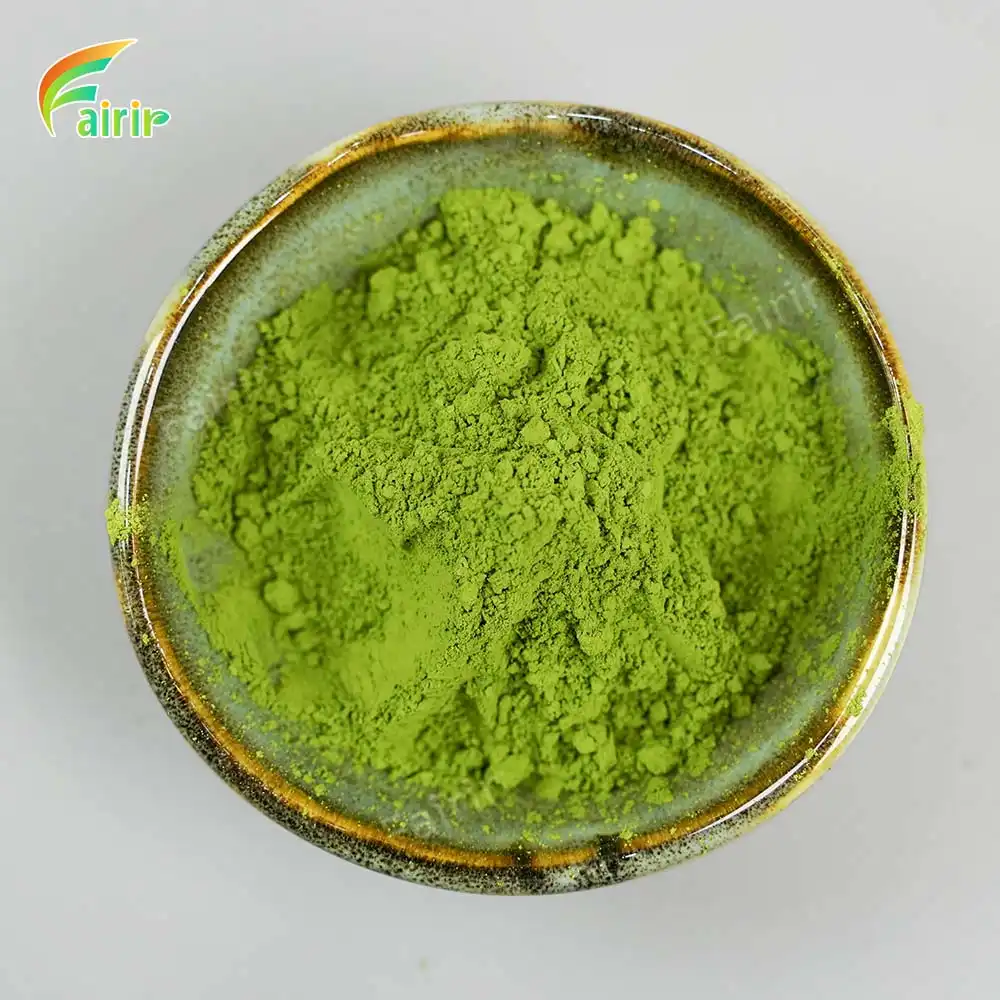
Understanding Organic Matcha Powder: What Makes It a Superfood?
The Science Behind Matcha's Superfood Status
Matcha powder is unique because it is grown and handled differently from regular green tea. The tea plants are covered in a certain way twenty to thirty days before they are picked. This procedure greatly increases the amount of chlorophyll and L-theanine, an amino acid that makes people feel calm and active. Because of how carefully the leaves are grown, they have up to 137 times more antioxidants than regular green tea. The main type of antioxidant in this group is epigallocatechin gallate (EGCG), a strong catechin that has been linked to many health benefits.
The organic approval process makes sure that these fine tea leaves are never touched by man-made chemicals, fertilizers, or herbicides. This method is very careful and meets the high standards of purity needed for medical and nutritional uses. It also protects the delicate phytonutrient profile. Outside groups check compliance with organic rules set by the USDA, the EU, and Japan. This gives companies the details and proof they need to give to government officials.
Nutritional Composition and Bioactive Compounds
Study after study has shown that pure matcha is a superfood because it is beneficial for you in so many ways. Matcha is known for being an antioxidant, and its special caffeine-L-theanine mix also gives you energy that lasts longer. The energy level doesn't drop like it does when you drink coffee. Iron, potassium, and calcium are some of the important minerals in the powder. Vitamins A, C, and E are also in large amounts.
During the making process, whole tea leaves are ground into a very fine powder using stones. This ensures that customers receive all the health benefits, not just the chemicals that regular tea removes through water. This way of eating the whole leaf makes the nutrients more bioavailable and concentrated, which people who care about their health and want useful foods will like.
Comparing Organic Matcha Powder With Other Alternatives
Organic Matcha vs. Conventional Green Tea Products
Organic matcha and other green teas differ in many ways. Its leaves have less chlorophyll and amino acids than leaves that were grown in the shade. Most green tea powder comes from leaves that were grown in the sun. Since organic farming uses no man-made chemicals, the tastes are more complex, and you can be sure the food is safe and follows the rules.
The way the data is processed is another important difference. Normal tea goes through fermentation and oxidation, which takes away some of the minerals. But when organic matcha is made, the raw leaf is carefully steamed and stone-ground so that it keeps all of its healthy parts. This means that the powder has more EGCG (epigallocatechin gallate), a powerful antioxidant, and better protection for vitamins that get damaged by heat, which makes it even better for healing.
Grade Classifications and Quality Variations
Sourcing workers need to know the difference between ceremonial-grade and culinary-grade organic matcha when they buy things for different purposes. The youngest and tastiest leaves are used to make ceremonial-grade matcha. It has brighter colors, a smoother taste, and a higher price, which makes it ideal for high-end drinks and direct consumption goods.
But culinary-grade organic matcha meets the strict requirements for being organic and has strong flavors that make it excellent for making drinks, baked goods, and sweets. Companies that need reliable performance in complex formulations while still maintaining a clean-label stance can find cheap choices in this grade.
Market Positioning Against Synthetic Alternatives
Organic matcha has become a better natural choice than fake flavors and colors as people learn more about manmade additives. Organic matcha provides bright emerald colors and beneficial qualities to products, offering companies two reasons to choose it over man-made green colorants that complicate regulations. Being able to color things organically is very helpful in cosmetics, where chemicals from plants are becoming more common.
How to Use and Store Organic Matcha Powder Effectively?
Traditional Preparation Methods and Modern Applications
If you want to make organic matcha for a living, you need to know both the normal ways to whisk and the new ways that businesses use to handle processing. The most common way to get the right breakdown and foam development is to use exact mixing motions to mix powder with water that has been cooked to 175°F. This method makes sure that the flavor is removed correctly and also keeps the healthy chemicals that make matcha work safe.
Modern manufacturing methods require different preparations based on the shape of the final product. Ready-to-drink beverage makers must consider how ingredients break down, how stable the pH level is, and how heat affects color retention during production. Micro-milled particles in excellent organic matcha make it easier for liquids to mix, which is important for bottling in large quantities and storing for a long time.
Storage Requirements for Optimal Quality Preservation
To keep the high quality of organic matcha, it needs to be kept in a way that keeps it safe from outside forces that could harm it. The powder is light-sensitive because it has a lot of chlorophyll. Over time, light can fade the color and break down the nutrients. Cases that don't let air in are kept in cool, dark places with managed humidity levels below 60% so that things don't get clumped together and soak up water.
Temperature changes are another big problem for companies that store many things. It stays fresh longer if you keep it cool (between 32°F and 40°F) for a long time. It also keeps its bright color and strong antioxidant activity that people expect from high-quality organic matcha. Using the first-in, first-out rule for product rotation ensures customers get fresh, nutrient-rich foods.
Innovative Applications in Product Development
Organic matcha powder opens up a multitude of creative possibilities. When mixed with other ingredients, the powder does well in functional food bars, protein shakes, and capsules. Its steady polyphenol level makes it easy to find the right amount. Spices, soups, and snacks that are spicy taste better because of the umami flavor profile.
More and more organic matcha is being used in skin care items by cosmetic companies. The antioxidants in matcha protect the face and slow down the aging process. Because the powder is naturally green, it doesn't need any man-made dyes. There is no need to spend money on advertising since the label is clean.
Procurement Insights: Choosing and Buying Organic Matcha Powder for Your Business
Supplier Evaluation Criteria and Certification Verification
If you want to buy organic matcha, you have to carefully check each seller against a long list of standards for quality and safety. The most basic condition is organic certification. However, procurement experts must also make sure that sellers keep their certifications up to date from trustworthy groups and can show full proof of the chain of custody. Being honest about organic products throughout the whole supply chain is hard to do. Therefore, sellers must possess either organic processing facilities or proven cleaning methods.
A lot of people use where the matcha comes from to judge how good it is. Most people believe Japanese matcha is the best because Japan has been cultivating tea plants for centuries and has ideal growing conditions. But new production areas give you more choices that are competitive and might help you meet your cost goals while still meeting quality standards that are good enough for some uses.
Quality Assessment and Testing Protocols
A big part of professional buying is setting up thorough testing methods that check for both quality and safety compliance. It's always important to look at something. Organic matcha that is good for you should stay bright green and not turn yellow or dark over time. It depends on the particle size whether something melts well or not, and how much people like it. Suppliers need to show that they can regularly micro-mill.
We should check the food's nutritional value, chemical residues, heavy metals, and microbial safety as part of a chemistry study. The UV spectrophotometer test verifies the chlorophyll content, an indicator of the food's health and appeal. The HPLC study of catechin patterns gives an objective measure of quality.
Bulk Purchasing and Supply Chain Management
You need to find a balance between your need for quality and your need to save money when you buy organic matcha. To do this, buy in bulk and make partners you'll work with for a long time. Wholesale price models usually save a lot of money and guarantee a steady supply for annual volume deals, which is important for keeping to production schedules. If there is a lot of competition in a market, private labeling helps brands stand out while keeping costs low.
To make a supply chain strong, it needs several different ways to get supplies that take into account things like yearly changes, how the weather can affect food yields, and the chance that there will be problems with moving goods from other countries. Thanks to approved vendor methods, you can be flexible with your purchases while still meeting quality standards if you work with more than one certified seller.
Why Organic Matcha Powder Is Worth the Investment for B2B Buyers?
Market Trends and Consumer Demand Drivers
Overseas sales of organic matcha are rising quickly as more people learn about healthy foods and value clear labels. A market study shows that the business will grow at rates higher than 8% per year until 2028. North America and Europe will have the most demand because people there care a lot about their health and want to buy high-quality natural goods. The steady growth of the veggie market gives food companies excellent chances to sell their goods there.
People are increasingly purchasing products with clear origins, organic approval, and multifunctionality. Organic matcha does all of these things well. This ingredient is very versatile and can reach many people at once. Busy people can put it in energy drinks, and people who are interested in health can put it in beauty-from-within vitamins.
Competitive Advantages and Brand Differentiation
Organic matcha powder adds many benefits to goods that help them stand out in the market and raise the value of the business. The ingredient's high-end reputation lets it command higher prices, and its useful properties back up marketing claims that customers will believe. Clean-label labeling is becoming more important as rules push for more transparency and education about where products come from.
Organic matcha can help a brand stand out in more ways than just marketing. It also has practical benefits, such as fewer rules that are challenging to understand, easier supply chain management, and better measures for making businesses more environmentally friendly. Firms that use organic goods usually have better ties with the people who matter to them and a better reputation with eco-friendly investors and business partners.
Return on Investment and Growth Potential
Adding matcha to organic goods raises their price, but the raw materials are pricier, so you still profit. Natural, useful ingredients can boost sales by 15–25% compared to regular ones, according to case studies of successful product launches. They can also help keep customers who like natural products that work.
There is still a lot of room for growth in the long run because rules are changing to favor natural goods, and people are learning more about how functional foods can help their health. Businesses selling organic matcha have a promising future as the global green market continues to grow.
Conclusion
Because more and more people want healthy, high-quality products, organic matcha powder is a great way for businesses to meet the demand for these foods. Companies seeking to maintain a competitive edge should utilize this ingredient, as it boasts a distinctive nutritional profile, presents well on clean labels, and finds numerous applications in the food, skincare, vitamin, and drug sectors. Goods are safe and follow all the rules because they have to go through a strict process to get organic approval. It also helps businesses meet their green goals, which are becoming more and more important when people are choosing what to buy.
FAQ
What makes organic matcha powder different from regular green tea powder?
Green tea powder and organic matcha powder are not at all the same because organic matcha powder is grown and made in many different ways. Since matcha trees grow in the shade for twenty to thirty days, they have a lot more chlorophyll and L-theanine. With the organic seal, you can be sure that no man-made poisons were used in the tea's growth or preparation. The tea powder also has all the nutrients from the leaves because the whole leaf is stone-ground. Only the chemicals that are taken out are left over.
How should you store organic matcha powder in bulk so that it stays fresh?
Organic matcha powder in bulk should be kept in cool, dark places that don't let air in and stay between 32°F and 40°F. The humidity must stay below 60% so that things don't soak up water and stick together. As little light as possible should be used to keep colors bright and stop chlorophyll from breaking down. Goods are always as fresh as possible for customers when they are rotated according to the first-in, first-out rule.
What certifications should I look for when purchasing organic matcha powder?
If you want to buy organic matcha powder, make sure the company has the most recent organic certifications from well-known organizations such as the USDA NOP (United States Department of Agriculture National Organic Program), the EU (European Union), or JAS (Japanese Agricultural Standards). Also, look for GMP facility licenses, proof of third-party quality tests, and full chain-of-custody records that show the whole supply chain is organic, from growing the foods to packing them.
What are the typical applications for organic matcha powder in commercial products?
Besides being used in drinks that are ready to drink, organic matcha powder is also found in nutrition pills and powders, anti-aging makeup, baked goods and sweets, and useful foods. It's useful in the personal care, food, drink, and medicine industries because it colors things naturally, has vitamins, and looks appealing on clean labels.
How can I verify the quality of organic matcha powder suppliers?
Quality control checks many things, like how bright the green color is and whether all the pieces are the same size, so they dissolve properly. They also use strict testing methods to look for heavy metals, pesticide leftovers, microbial safety, and nutrient content. Ask for HPLC analysis reports that show catechin profiles, and make sure that the suppliers' licenses are checked by outside third-party groups to make sure they meet organic standards.
Partner with Fairir for Premium Organic Matcha Powder Supply
The company Shaanxi Fairir Biotech Co., Ltd. is a reputable one that makes organic matcha powder. They use modern facilities that are GMP-certified and strict quality control methods to make sure you get the best ingredients for making new products. Our 10,000-square-meter plant utilizes cutting-edge tools for extraction and processing. For example, HPLC and UV spectrophotometers are used for tests that make sure quality and purity standards are always met. We offer stable supply chains that can support your manufacturing plans. Our prices are low so that we can work with you for a long time. We have two fully automated production lines that are 98% efficient. You can email our helpful staff at sales@fairirbiotech.com to talk about your need for organic matcha powder and find out how our commitment to quality, excellence, and customer satisfaction can help your product line.
References
1. Yamabe, N., Kang, K. S., Hur, J. M., & Yokozawa, T. (2009). Matcha, a green tea powder, helps keep the kidneys and liver of OLETF rats with type 2 diabetes from getting worse. 12(4), 714–721, in the Journal of Medicinal Food.
2. Along with Anderton, C. R., and Weiss, D. J. (2003). To get to the catechins in matcha green tea, micelle electrokinetic chromatography was used, of course. The paper can be found in the Journal of Chromatography A, 1011(1-2), 173–180.
3. Ku, K. M., Kim, J. H., Park, H. J., Liu, K. H., & Lee, C. H. (2010). Metabolomics is used to study pu-erh tea's production methods and changing composition. 58(1), 345–352 in the Journal of Agricultural and Food Chemistry.
4. Kochman, J., Antoniewicz, J., Mruk, H., Janek, K., & Jakubczyk, K. (2021). What kinds of chemicals are in matcha green tea, and how do they make you feel? 26, no. 1, 85, Molecules.
5. It was C. Dietz, M. Dekker, and B. Fiszman Piqueras (2017). The study examines the impact of drinking and snacking on matcha tea on brain power and happiness. In Food Research International, it was 99, 72–83.
6. Their names are M. In this study, Sabater-Molina, E. Larqué, F. Torrella, and S. Azoría. (2009). The study focused on the potential health benefits of dietary fructooligosaccharides. The Journal of Physiology and Biochemistry published it in March 1965, pages 315–328.