_1751965378790.webp)

Why Organic Matcha Powder Is Essential for Your Wellness?
If you want to get more energy without using drugs, organic matcha powder is the best choice. It's also better than regular energy drinks. Naturally occurring caffeine, a stimulant that can enhance alertness, and L-theanine, an amino acid that promotes relaxation, in this newly ground green tea powder, give you long-lasting energy without the normal energy crashes. The way that real organic matcha is grown is different from the way that regular green tea powders are grown. The bright green color of good matcha comes from chlorophyll and amino acids coming together over the course of 20–30 days of shade-growing.
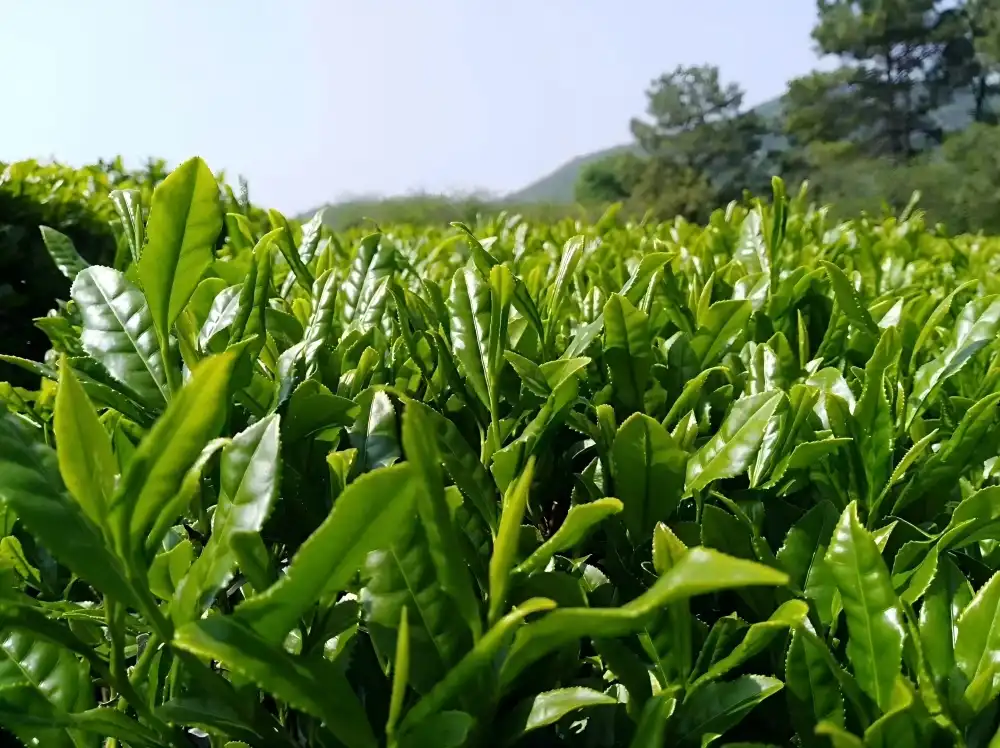
Understanding Organic Matcha Powder and Its Wellness Benefits
How it is grown and how it is made are two big differences between organic matcha powder and normal matcha powder. To get organic approval, tea plants must not be grown with any man-made fertilizers, pesticides, or herbicides. This action protects the world and keeps the land healthy. It's even more important for matcha to use this natural way since you eat the whole tea leaf instead of just letting it steep as you do with normal tea.
Superior Antioxidant Profile and Nutritional Density
Organic matcha powder has many antioxidants, especially catechins like EGCG (epigallocatechin gallate), which have been linked to better cell defense and metabolism. Up to 40% more chlorophyll is found in tea leaves that grow in the shade than in the sun. This process is what gives matcha its particular color and great health benefits. This way of growing also makes more L-theanine, an amino acid that helps you stay awake while promoting relaxation at the same time.
Sustained Energy and Cognitive Enhancement
Organic matcha has about the same amount of caffeine as coffee—60 to 70 mg per dose. However, because it has L-theanine, an amino acid that promotes relaxation, the caffeine is released more slowly. It gives you energy that lasts without making you feel jittery like other caffeinated drinks do. Researchers call it "calm alertness." L-theanine changes the way caffeine is taken, which is how the slow-release process works. In other words, caffeine's energizing effects last for 4 to 6 hours instead of the normal 1 to 2 hours of a spike and crash.
Metabolic Support and Detoxification Properties
Recent studies suggest that daily consumption of pure matcha powder may be beneficial for your heart health by lowering your cholesterol and improving the function of your blood vessels. Many antioxidants help fight reactive stress, which can make you age and give you long-term illnesses. In addition, matcha may help people keep a healthy weight by making their metabolism faster, which means they burn more fat when they work out.
When you grow organically, these helpful chemicals stay safe, and man-made poisons don't get into the plants. Tea that was grown in conventional ways might still have chemicals in it that can mess up the body's normal cleansing processes. In order for the tea to be most healthy, it must be labeled organic.
How Organic Matcha Powder Is Made and What Sets It Apart
How you mix organic matcha powder with water affects how well it works in your body and how much you enjoy it. Japanese traditional ways of cooking have changed over hundreds of years to make food taste better and be healthier. This implies that we can employ these methods to educate individuals about food and create innovative products for commercialization.
Organic Cultivation Standards and Environmental Benefits
It is usual to use a bamboo chasen whisk to mix the powder with hot water that has been boiled to 175°F (80°C). This setting makes sure that toxic chemicals don't get hurt and that they dissolve properly. When you mix something properly with a whisk, it looks smooth and foamy, which makes the taste better. Too much hot water can kill enzymes that are good for you and make things taste bad. If the water is too cool, the ingredients may clump.
You need to measure it to get accurate data. About 1-2 grams, or half to one teaspoon, of ceremonial-grade pure matcha is needed for every amount. Sort the powder first so it doesn't stick, and make sure the texture is smooth before you whisk it. Business settings, where customers demand regularity and aesthetic appeal, can immediately benefit from this level of care.
Certification Standards and Quality Assurance
Not only can you make tea with organic matcha powder, but you can also use it in many other ways. It mixes well with plant-based milks and natural sweeteners in smoothies, iced coffee, and other cold drinks. People who are trying to eat better will like the natural color and the earthy, umami-rich flavor that goes well with vanilla, coconut, and lemon notes.
You can cook with organic matcha powder because it stays bright green and healthy at temperatures up to 350°F. It can be used to make sweets like cookies, cakes, and cornflakes. The small bits in the powder make sure that they are spread out properly in the dough and mixes. It may also help some things last longer because it has vitamins in it naturally.
Comparing Organic Matcha Powder to Alternatives: Making the Right Choice
If you store organic matcha powder the right way, its delicate ingredients will stay safe, and it will last longer. To keep the powder from turning black, store it in a dark, cool, dry place. Opened packages will stay fresh longer if you put them in the fridge. If you store unused cases properly, they can last up to two years.
Organic Versus Conventional Matcha Quality Differences
Chlorophyll breaks down when the temperature and air contact change. This is what changes the color from bright green to a yellowish brown. The breakdown also changes the taste by adding old or bitter notes that make everything worse. If businesses know these storage needs, they can keep the quality of their goods high all the way through the supply chain.
Supplier Evaluation and Partnership Criteria
If you want to pick the best organic matcha powder, you need to know the variations in grades, quality standards, and cost and performance in work settings. You can buy different kinds of matcha, and each one is made for a different reason. Each has its features that affect its cost and how well it works in different products.
How to Use Organic Matcha Powder in Your Product Range and Supply Chain
Organic ceremonial-grade matcha is the best kind. It is made from the tiniest tea leaves that are picked during the first flush. This grade is the best for drinking straight as tea because it has the brightest color, smoothest texture, and naturally sweet taste. Because ritual grade needs to be carefully prepared, it costs more. However, the physical experiences are better, which is why this product is the best on the market.
Product Application Strategies and Formulation Guidelines
Some older leaves are used to make culinary-grade organic matcha, but it still has a strong flavor that works well in recipes with other things. This grade is more cost-effective for food and drink uses, but it still has outstanding nutritional value. Matcha's traits stay strong even when cheese, sweeteners, or other flavorings are added because the taste is better.
There are grades in cooking excellence that are between ceremonial and normal. They hold on to color and taste better, and are still cheap enough for business use. Many businesses that use matcha in their products find that this place has the best price-to-quality ratio.
Supply Chain Optimization and Quality Preservation
Strict rules about growing and handling must be followed if the food has organic approval from a well-known group like the USDA, JAS (Japanese Agricultural Standards), or EU organic standards. To keep these licenses, there must be tight rules that make sure that no synthetic chemicals or genetically modified organisms get into the food, as well as regular checks and careful recordkeeping.
In addition to organic approval, some sellers do tests for heavy metals, microbiological diversity, and chemical residue to make sure of the quality of their goods. When matcha is going to be used in sensitive situations or sent to export markets that have strict rules about what can be brought in, these extra tests are very important.
Uniform particle size has an impact on both how things look and how well they work in business settings. If the organic matcha powder is good, the pieces should be uniform and very small. They should melt quickly and not leave behind any gritty texture or clear residue. This feature is very important for drinks because bad melting can ruin the experience for the customer.
Procurement Insights: Buying Organic Matcha Powder Wholesale
It usually costs more for organic matcha grown in Japan because Japanese farmers have been doing it for hundreds of years and have gotten excellent at it. In places like Uji, Nishio, and Kagoshima, people have come up with their own ways to make food taste better and be healthier. But new places in other countries are now making excellent organic matcha at fair prices, giving people on a budget more choices.
Pricing Analysis and Volume Purchasing Strategies
How the goods are processed has a big impact on their quality, and grinding them on a stone is still the best way to get the best grades. This old-fashioned way of grinding produces less heat than motorized grinding, so it doesn't harm the chemicals and maintains the normal fine structure. To ensure quality while growing output, some modern factories use both old-fashioned methods and controlled settings.
Before you trust a provider, you should carefully check their production skills, quality methods, and ability to follow the rules. Sellers must have the right skills and tools to keep organic matcha high quality while packing and shipping it.
Risk Management and Quality Assurance Protocols
Companies that sell organic matcha that you can trust should keep careful records of their organic certification chain, from the farms where the beans are grown to the stores where they are packed. This paperwork has test results for each batch, inspection records, and organic certificates that prove the product meets all the requirements. Providing these documents should be a straightforward process for providers.
For quality control and a steady run of goods, it's important to know how to make things. Find sellers who have different lines for handling organic goods so that they don't get mixed up with regular goods. Today's buildings should have storage areas with temperature control, high-tech tools for grinding, and quality control labs with analysis tools to make sure goods meet standards.
Openness in the supply chain helps people understand the risks and ensures that only ethical sources are used. Trustworthy sellers work directly with certified organic tea plants and can give you information that can help you find out where certain lots of goods came from. People and the government want food supply lines to be more responsible more and more. This makes it even more important to be honest.
Expertly packed organic matcha powder stays safe while it's being shipped and kept, and it also lasts longer. Good sellers use multiple layers of oxygen absorbers, moisture shields, and light protectors to maintain the product's cleanliness. You should be able to find a type of bulk packaging that fits your needs for quantity while still letting you control amounts and cut down on waste.
Sellers need to know about export paperwork, customs procedures, and the rules and laws in the places where the goods will be sold in order for foreign shipping to work. Providers who are experts know how to handle tricky import processes, get the right certificates, and make sure that the target countries' food safety rules are followed.
To keep the quality of the goods, activities must be temperature-controlled, especially in the summer or when moving them to warm places. Suppliers should give customers options for how to send goods in a cold chain and tell them how to handle the goods properly when they get there.
Forging long-lasting relationships: There are things about a successful supplier relationship besides the quality of the product itself. These include being able to reach each other and work together to fix problems. Buyers should look for service providers who can quickly answer their questions, are flexible with special requests, and are ready to assist with the technical issues of product development projects.
Making sure that prices and amounts stay the same helps you plan your business and keep track of your goods. Supply companies that have been around for a while should have clear pricing, offer deals for buying in bulk, and let customers know ahead of time about any price changes that might affect their budgets.
It is important for quality assurance programs to test goods on a regular basis, work to improve them all the time, and have open conversations about any issues that might affect the quality or availability of a product. Companies that care about quality see it as a shared responsibility and work together to fix issues before they affect finished goods.

Conclusion
You can make a lot of money with organic matcha powder if you run a business that needs natural, long-lasting ingredients to meet the growing demand for healthy, useful products. Naturally occurring matcha is very helpful for businesses that are making new foods, drinks, and health products since it gives off energy slowly over time, contains many vitamins, and can be used in many various ways. To successfully add organic matcha, you need to be very careful to pick the right supplier, make sure the quality standards are met, and handle the item in the right way so that its health benefits stay the same throughout the supply chain.
FAQ
What are the main health benefits of organic matcha powder compared to regular green tea?
Organic farming has higher costs, stricter rules for licenses, and lower returns, so organic matcha is generally 20–40% more expensive than regular matcha. It's normally worth the extra cost, though, since the product is better positioned, there are fewer regulatory risks, and the ingredients are what people want (clean labels).
How can I verify the authenticity of organic matcha powder from suppliers?
The certification numbers on real organic matcha should still work and can be checked on the website of the group that gave the certification. Get copies of the most recent organic certificates, records of inspections, and proof of the food's source. If a seller can't give you this information or if their prices don't seem right given the cost of organic farming, be careful.
What is the shelf life and proper storage method for bulk organic matcha powder?
A cool, dry place away from strong smells and direct sunlight is best for keeping bulk organic matcha. It is best to keep things between 35°F and 50°F, with a relative humidity of less than 60%. It will stay fresh for 18 to 24 months if you store it the right way. The taste and color will start to fade in a few months if you don't.
Partner with Fairir for Premium Organic Matcha Powder Solutions
Should you need organic matcha powder, Shaanxi Fairir Biotech Co., Ltd. can provide you with top-notch quality and reliable supply chain management. We can be sure that our goods always meet the high standards of the food, nutrition, and medicine industries because our GMP-certified (Good Manufacturing Practices-certified) plant has the most up-to-date technology for extraction and processing.
We can scale up or down our methods as needed for both small-batch studies and large-scale commercial production. Up to 98% of the time, our 14 specialized extraction tanks and fully automatic production lines work correctly. We use HPLC (high-performance liquid chromatography) and UV spectrophotometers, which are instruments for analyzing chemical compounds, in our quality control lab to make sure that every batch meets your exact needs and stays in line with organic certification.
As a trustworthy business that makes organic matcha powder, we know how important it is to have a reliable supply chain and technical support when making a product. Email sales@fairirbiotech.com to talk to our experienced staff about your specific needs and find out how we can help you add high-quality organic matcha ingredients to your product line.
References
1. Weiss, D.J., & Anderton, C.R. Determination of catechins in matcha green tea by micellar electrokinetic chromatography. Journal of Chromatography A, 2003.
2. Yamabe, N., Kang, K.S., Goto, E., Tanaka, T., & Yokozawa, T. "Beneficial effect of Camellia sinensis on oxidative stress and mitochondrial dysfunction in cardiac aging. "Food and Chemical Toxicology," 2012.
3. Park, S.K., Jung, I.C., Lee, W.K., Lee, Y.S., Park, H.K., Go, H.J., Kim, K., Lim, N.K., Hong, J.T., Ly, S.Y., & Rho, S.S. "A combination of green tea extract and L-theanine improves memory and attention in subjects with mild cognitive impairment." Journal of Medicinal Food, 2011.
4. Dulloo, A.G., Duret, C., Rohrer, D., Girardier, L., Mensi, N., Fathi, M., Chantre, P., & Vandermander, J. "Efficacy of a green tea extract rich in catechin polyphenols and caffeine in increasing 24-h energy expenditure and fat oxidation in humans." American Journal of Clinical Nutrition, 1999.
5. Suzuki, Y., Miyoshi, N., & Isemura, M. "Health-promoting effects of green tea." Proceedings of the Japan Academy, Series B, 2012.
6. Nobre, A.C., Rao, A., & Owen, G.N. "L-theanine, a natural constituent in tea, and its effect on mental state. "Asia Pacific Journal of Clinical Nutrition, 2008.