Why Use Centella Asiatica Extract Powder in Dermatology Products?
Centella Asiatica Extract Powder has become an important part of modern skincare products because it contains bioactive substances that have been proven to help with important skin problems. This plant extract has the right amount of triterpenes—Asiaticoside, Madecassoside, Asiatic Acid, and Madecassic Acid—to improve the skin's protective function, speed up wound healing, and lower inflammation. Pharmaceutical-grade powder extract, unlike raw plant materials, guarantees consistent batch quality and strength. This is why it is the first choice for companies making clinical-grade skin care, post-surgery treatments, and anti-aging products. This extract is a key ingredient for brands that want to target sensitive skin, barrier repair, and dermatological effectiveness because clean-label, plant-based actives are becoming more popular.
Understanding Centella Asiatica Extract Powder and Its Dermatological Benefits
What Defines Professional-Grade Centella Extract?
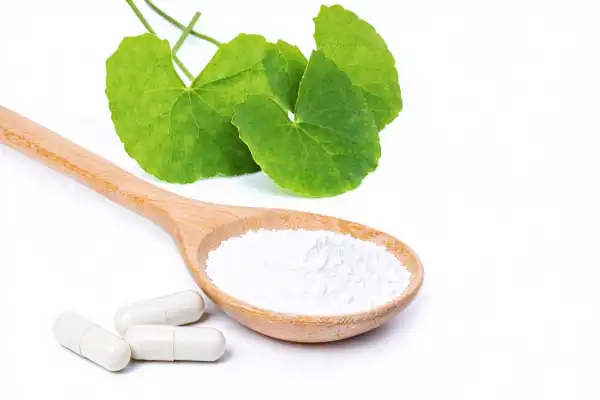
Centella Asiatica Extract Powder is a high-tech phytochemical extract that is made from the upper parts of Centella asiatica (L.) Urban, which is also known as Gotu Kola or Tiger Grass. Several steps of purification using pharmaceutical-grade solvents are used in the extraction process. This is followed by vacuum concentration and spray drying to get a fine powder that is set to a certain triterpene content. Cosmetic-grade extracts that are very pure usually have between 10% and 95% total triterpenes. The best formulas follow TECA (Titrated Extract of Centella Asiatica) standards that make sure the four main actives are perfectly balanced. This standardization solves one of the biggest problems in the business, which is getting consistent biological activity across production batches. This is something that raw plant materials can't do because phytochemical profiles change with the seasons and are different in different parts of the world.
Core Bioactive Compounds and Mechanisms
The unique triterpene makeup of this product is what makes it useful for medicine. Madecassoside and Asiaticoside are strong anti-inflammatory substances that change the release of cytokines and lower signs of oxidative stress in skin tissue. Clinical studies show that these substances increase the number of fibroblasts and the production of collagen Type I. This directly helps wounds heal and scars fade. Asiatic Acid and Madecassic Acid work together to protect cells from damage caused by UV light and external stresses through antioxidant pathways. This combined effect makes the extract especially good for barrier repair formulas, where it has been shown to cut transepidermal water loss (TEWL) by as much as 20% in controlled tests. Because of the way the molecules are structured, they can get through the stratum corneum and help heal lower layers of skin.
Validated Clinical Applications
Dermatological studies suggest a wide range of uses for several skin conditions. Burn units use topicals based on Centella Asiatica Extract Powder to speed up epithelialization and reduce keloid scars. Dermatologists suggest it to treat rosacea, atopic dermatitis, and psoriasis because it has been shown to calm skin that is overly sensitive and restore equilibrium. Studies have shown that the product can help hair grow by improving microcirculation in the skin and the strength of hair follicles. Pharmaceutical companies use high-purity grades in prescription wound dressings and care products for people who have recently had surgery, where the chance of contamination must be very low. These uses that are backed by evidence give B2B buyers the confidence to make goods that meet both clinical efficacy standards and customer expectations for natural ingredients that are backed by science.
How to Effectively Use Centella Asiatica Extract Powder in Dermatology Products
Optimal Dosage and Concentration Guidelines
The success of a formulation depends on how well the concentration levels match the claims and transportation methods that are planned for the product. Toners and serums for sensitive skin usually have 0.5% to 2% Centella Asiatica Extract Powder in them to calm the skin right away without overpowering other ingredients that are supposed to work. Intensive repair creams and post-surgery balms use 3% to 5% amounts. Higher triterpene loads speed up the healing process and make the barrier more noticeable. A 2% to 4% extract mixed with matching peptides or retinoids is often used in anti-aging treatments that aim to stimulate collagen. To keep triterpenes stable, water-based products need to be carefully pH-balanced between 5.0 and 6.5. Anhydrous systems, on the other hand, can handle higher loading levels because they are less likely to break down.
Knowing how vehicles work together can help you avoid recipe mistakes that hurt the performance of ingredients. The powder dissolves easily in propylene glycol, butylene glycol, and glycerin-water mixtures, which means it can be used in essence and capsule forms. To make sure that the emulsion is spread out evenly in the cream matrix, it needs to be pre-dispersed in the water phase before it is homogenized. When compared to water-in-oil systems, which can lose their stability at high temperatures, oil-in-water formulas keep their stability better. Accelerated stability tests should be done at 40°C for 90 days by the manufacturers to make sure that the color, smell, and potency keep meeting the requirements.
Safety Profile and Regulatory Considerations
Centella Asiatica has a good safety record, with few known side effects when used at the suggested levels. Dermatological patch testing shows that the substance is not irritating or sensitizing to a wide range of skin types, even those with damaged barriers. The FDA and other regulatory bodies agree that it is usually safe for use in cosmetics. In Europe, it can be freely added to leave-on skin care products. People who are allergic to plants in the Apiaceae family have rare allergic responses, which is why ingredient labels have to tell people about them. Purchasing teams need to check that the supplier's paperwork says there are no heavy metals, chemical leftovers, or microbial contamination. This is done by having third-party tests done. Using HPLC verification in GMP-certified production settings makes sure that quality control is always the same and meets international safety standards.
Comparing Centella Asiatica Extract Powder with Alternative Extract Forms
Powder versus Liquid Extract Analysis
Choosing between powder and liquid forms affects the flexibility of the formulation and the operations of the supply chain. Centella Asiatica Extract Powder has a longer shelf life than liquid extracts. When kept in sealed, light-protected cases at controlled temperatures, they can last for more than 24 months. Because it is concentrated, it takes up less space in storage and costs less to move, which are both important factors for buying in bulk. Liquid extracts can be mixed right away in water, but they need to be preserved to stop microbes from growing, which could make clean-label claims harder to make. Powder forms also get rid of the alcohol residues that are common in many liquid extracts. This helps with regulations in some markets and customer tastes for alcohol-free products.
A cost study shows that powder extracts are more valuable when used in large amounts, even though they cost more per kilogram. Because they are concentrated, they can be used at lower rates to get the same bioactive amounts as diluted liquid forms. This lowers the overall cost of preparation. Simplifying handling and using accurate gravimetric doses during production runs can help make manufacturing more efficient. But liquid extracts work better for small-batch production or fast prototyping, where limited tools make it hard to spread powder. Strategic buyers look at how much they need to produce and what kind of manufacturing skills they have to find the best format for their needs.
Organic Certification and Source Transparency
The choice between organic and standard goes beyond marketing claims and includes farming methods and the need to be able to track back to the source. Certified organic extracts cost more, but they let brands get into the growing clean beauty market, where people are actively looking for ingredients that are USDA or EU-certified organic. Conventional extracts go through the same cleaning steps, which results in similar levels of purity at lower prices. Verification of responsible sourcing is now necessary, and top sellers offer traceability documents that show how materials are grown and how they are extracted. Sustainable gathering methods keep wild populations from going down, which is especially important as demand rises around the world. Business-to-business buyers should ask suppliers for sustainability reports and third-party certificates that show they are committed to ethical buying.
Procurement Guide: How to Source Quality Centella Asiatica Extract Powder for Your Business
Critical Supplier Qualification Criteria
To find trusted manufacturing partners, you need to evaluate them systematically across a number of quality factors. GMP certification is the minimum condition. It shows that a facility follows the rules for cleanliness, equipment validation, and staff training that are needed to make pharmaceutical-grade Centella Asiatica Extract Powder. Getting ISO 9001 quality management certification shows that you are committed to controlling processes in a planned way and making them better all the time. Suppliers should give out thorough technical data sheets that explain how to standardize, what normal analysis results look like, and how to store the goods properly. Having analysis tools like HPLC, UV spectrophotometry, and microbe testing equipment in-house shows that the company is technically more advanced than just contract manufacturing.
By asking for Certificate of Analysis (COA) papers for recent production batches, you can see how consistent the quality really is, not just what the specifications say. These papers should show that the triterpene content was checked using approved HPLC methods, that heavy metal levels were below the limits set by the pharmaceutical industry, and that there were no microbes present. Physical properties like particle size distribution, mass density, and moisture content have an impact on processes further down the line and should fall within certain ranges. Transparent sellers send buyers sample lots with matching COAs, which lets buyers do their own testing to make sure the samples are real before committing to large-scale purchases.
Evaluating Production Capacity and Lead Times
Reliability in the supply chain rests on manufacturers keeping enough raw materials and industrial equipment on hand. Continuous countercurrent extraction systems and vacuum belt drying equipment in factories show that they can consistently make a lot of things. Shaanxi Fairir Biotech has 14 stainless steel extraction tanks that range in size from 500 to 3,000 liters. They are backed by three fully automatic production lines that work at 98% efficiency. This infrastructure makes sure that supply stays stable even during times of high demand, which is very important for buyers who are planning product launches or regular stock builds. Different suppliers have different minimum order amounts, but most well-known companies can handle requests from 25 kilograms to multi-ton contracts. Lead times of 15 to 30 days after an order is confirmed allow for proper scheduling of production without reducing quality controls.
Competitive price systems take into account not only the cost of raw materials, but also how well they are extracted and how well the money is invested. Buyers should ask for thorough quotes that include unit prices at different levels of volume, payment terms, and shipping options. A lot of the time, long-term relationship deals let you get better prices and first picks when supplies are low. When you take into account quality differences, the cost of re-making a product because of batches that don't work together, and the risk of not following the rules, the lowest price isn't always the best deal. Cost-effectiveness, quality assurance, and source dependability are all things that strategic buying looks at.
Future Outlook: The Growing Demand for Centella Asiatica Extract Powder in Dermatology
Market Trends Driving Adoption
People's buying habits have changed since they know how effective ingredients are. Now, educated buyers specifically look for formulas that contain botanicals that have been clinically confirmed. The global Centella Asiatica Extract Powder market is growing at a rate of more than 8% per year, thanks to the growth of the K-beauty trend and more medical aesthetics treatments that need aftercare goods. Dermatologists' advice has a big impact, and professional outlets are a quickly growing way for science-based skincare to get to people. Because the ingredient can be used for anti-aging, sensitive skin, and therapeutic purposes, it is more of a core ingredient than a special addition. When brands teach customers about the benefits of triterpenes, they gain a competitive edge through smart buying choices instead of price-based competition.
Innovation Opportunities and Technology Advances
New methods for extraction offer better bioavailability and longer-term benefits. Supercritical CO2 extraction gets rid of solvent leftovers while keeping heat-sensitive substances safe, but it's not widely used yet because it takes a lot to set up. Nanoencapsulation methods make it easier for substances to get into the skin, so smaller concentrations can work better. When Centella is mixed with other active ingredients that work well with it, like niacinamide, ceramides, or hyaluronic acid, the results are better than when only one ingredient is used. More research into finding the best triterpene ratio could lead to extracts that are specifically made for different skin uses, which would allow for more precise formulation methods. When business-to-business buyers work with new providers, they can get their hands on next-generation ingredient technologies early, which helps their products stand out.
As regulations change, they continue to affect how markets are accessed and how plans are made. More and more people are looking closely at ingredient safety data, especially in places like China and South Korea. This means that full toxicological paperwork and clinical support are needed. When suppliers spend money on regulatory support services, the relationship gets a lot more benefits than just the sale of raw materials. As brands try to meet the demands of environmental, social, and governance (ESG) groups, they will need to get sustainability licenses and keep track of their carbon footprints in order to stay competitive. Strategic sellers check to see if their providers can keep up with changing legal standards and work with them on long-term innovations.
FAQ
Q1: What concentration range delivers optimal results in skincare formulations?
Different types of products and claims have different effective amounts. Products that calm and soothe work well at 0.5% to 2%, but medicines that do a lot of work need 3% to 5% to make the barrier noticeable again. Anti-aging formulas usually have between 2% and 4% of these ingredients along with other active ingredients. Based on clinical dose-response studies and stability testing methods, these estimates were made.
Q2: How can buyers verify extract purity and quality?
Ask for Certificates of Analysis that show the triterpene content was checked using HPLC, heavy metal screening, and microbe limits. Testing by independent agencies as a third party adds another layer of proof. Suppliers with GMP and ISO certifications make sure that quality is controlled in a planned way throughout the whole production process.
Q3: What stability considerations affect formulation development?
To keep the purity of triterpenes, keep the pH of water systems between 5.0 and 6.5. Don't put finished goods in full sunlight or places with high temperatures. Before going on sale, you should do rapid stability tests at 40°C for 90 days to make sure that the color, smell, and potency retention meet the requirements.
Partner with a Trusted Centella Asiatica Extract Powder Manufacturer
Shaanxi Fairir Biotech Co., Ltd. delivers pharmaceutical-grade Centella Asiatica Extract Powder backed by comprehensive quality assurance and technical expertise. Our 10,000-square-meter GMP-certified facility employs advanced extraction technology and rigorous analytical testing, including HPLC verification, ensuring batch-to-batch consistency that meets international regulatory standards. We serve pharmaceutical manufacturers, cosmetic brands, and nutraceutical companies requiring a reliable supply of high-purity botanical extracts. Our experienced team provides custom formulation support, private labeling capabilities, and responsive technical consultation throughout your product development cycle. Contact our procurement specialists at sales@fairirbiotech.com to discuss your requirements and receive detailed quotations tailored to your production specifications. Discover how partnering with a dedicated Centella Asiatica Extract Powder supplier can streamline your sourcing strategy and accelerate product innovation.
References
1. Brinkhaus, B., Lindner, M., Schuppan, D., & Hahn, E. G. (2000). Chemical, pharmacological and clinical profile of the East Asian medical plant Centella asiatica. Phytomedicine, 7(5), 427-448.
2. Bylka, W., Znajdek-Awiżeń, P., Studzińska-Sroka, E., & Brzezińska, M. (2013). Centella asiatica in cosmetology. Postępy Dermatologii i Alergologii, 30(1), 46-49.
3. Gohil, K. J., Patel, J. A., & Gajjar, A. K. (2010). Pharmacological review on Centella asiatica: A potential herbal cure-all. Indian Journal of Pharmaceutical Sciences, 72(5), 546-556.
4. Lee, J., Jung, E., Kim, Y., Park, J., Hong, S., Kim, J., & Hyun, C. (2006). Asiaticoside induces human collagen I synthesis through TGFβ receptor I kinase-independent Smad signaling. Planta Médica, 72(4), 324-328.
5. Somboonwong, J., Kankaisre, M., Tantisira, B., & Tantisira, M. H. (2012). Wound healing activities of different extracts of Centella asiatica in incision and burn wound models: an experimental animal study. BMC Complementary and Alternative Medicine, 12, 103.
6. Wanichpakorn, S., Kedjarune-Leggat, U., & Khonsung, P. (2019). Effect of Centella asiatica on oxidative stress and bone metabolism in rats. Bone Reports, 11, 100224.