_1751965378790.webp)

Why Use Ube Powder in Your Next Cake Recipe?
Ube Powder stands out as a great choice for adding to industrial cakes when people want to make them better. This naturally occurring substance gives foods their unique bright purple color and a light sweetness that modern customers who want real, healthy foods like. Getting high-quality Ube extract gives companies an edge over their competitors because it makes their products look better and is good for you. This fits with the current market trend toward colorants and ingredients that are good for you.
Understanding Ube Powder and Its Advantages in Baking
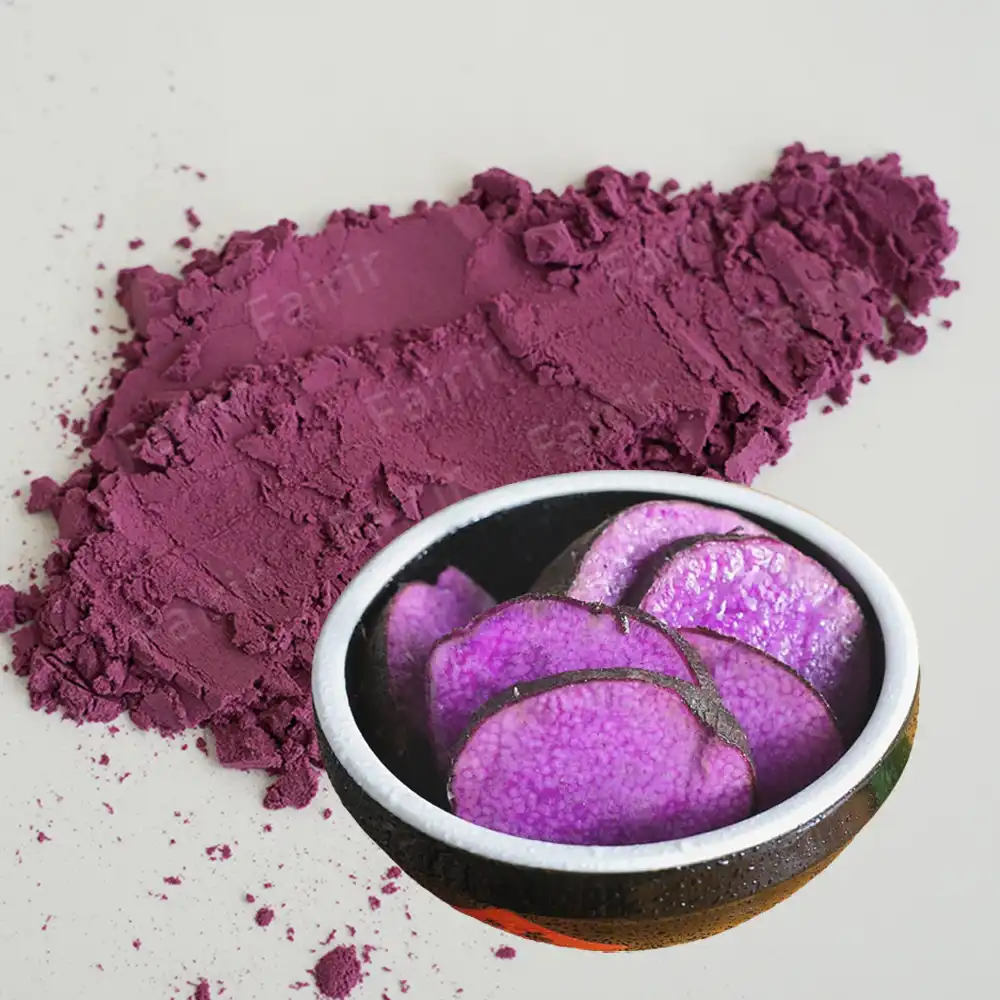
People from Southeast Asia, especially the Philippines, grow the root type Dioscorea alata, which is used to make Ube Powder. The natural makeup of this ingredient is kept by controlled drying and crushing, unlike man-made colorants or choices that have been processed a lot. To turn a fresh tuber into a fine powder, it needs to be dried in a way that keeps the anthocyanin content and taste consistency safe. Making sure that the item is steady and ready to go on the shelf is important.
Origin and Processing of Purple Yam Ingredients
Before anything else is made, grown Ube that have been picked at their healthiest are chosen. It is important to wash and clean the potatoes well before steaming them. This makes them easier to digest and keeps the color chemicals fixed. After that, high-tech spray-drying or vacuum-drying tools lower the level of wetness below 5%. This stops bacteria from growing but saves bioactive chemicals. This several-step process makes sure that the materials combine easily and that the particle sizes are spread out evenly. This is important for business baking.
Comparing Ube Extract, Ube Paste, and Powder Forms
Every style is used for making different things. However, extracts have strong tastes and need to be carefully dosed. They also often need extra carriers added to them. Pastes are ready to use, but they need to be kept cold and don't last long, which makes them harder to work with. If you keep them in the right way, Ube Powder types stay fixed longer (more than 24 months) and are easier to keep track of. Not having to be kept in the fridge saves a lot of money on keeping costs because they don't need to be. If you want to keep things the same from batch to batch in an industrial setting, the powder form is great for dry mixes and lets you make exact formulas based on weight.
Nutritional Profile and Health Appeal
People who care about their health like the vitamins and anthocyanins, which can be found in Ube. Manganese and potassium are nutrients that come from the food itself. It also has complicated carbohydrates and dietary fiber. Clean label efforts are becoming more important in North America and Europe. Since it has no cholesterol and very little fat, it fits in with these efforts. People with allergies can use recipes more often when they don't have gluten, dairy, nuts, or soy in them. Cross-contamination is less likely to happen in places that make more than one product.
How to Incorporate Ube Powder into Your Cake Recipes for Optimal Results
You need to know how this thing works with other popular food ingredients in order to do this right. The natural sugars in the powder change how brown the bread gets when it's cooked, and the starch in it changes how well it holds on to its wetness. To get the best results, companies use it as both an ingredient and a taste, changing the recipes to account for how it works.
Recommended Dosage and Mixing Techniques
Based on how strong you want the color and taste of Ube Powder to be, between 2% and 8% of the flour's weight is usually used. Lesser amounts, about 2% to 3%, make lavender colors that are soft and good for light sponge cakes. Higher amounts, between 6 and 8%, make colors that are very dark and great for making a statement with sweets. To make sure the dry ingredients don't stick together, mix the powder with the dry ingredients. Start with small amounts when making new recipes to get a feel for the color and taste. Then, increase the amount used in production. You need to change the amounts of liquids and powder because corn flour doesn't absorb water the same way wheat flour does. When using more powder, most of the time, cutting back on water or milk by 5–10% keeps layers from being too thick.
Optimizing Texture, Color Stability, and Flavor Balance
Anthocyanins change color from purple to blue when the pH level is raised. This has a big impact on how long colors last. To avoid grayish-blue tones, make sure the leavening agents are in the right amounts. Too much baking soda can do that. When you add acidic things like cream of tartar or citric acid, the purple colors stay bright while they're baking and when you store them. By keeping an eye on the temperature while mixing and baking, you can protect flavor ingredients that are more delicate. When creaming, too much heat can destroy the notes of smell. It pairs well with vanilla, cocoa, white chocolate, and cream cheese because it is naturally earthy. This lets a lot of different tastes come out.
Expanding Applications Beyond Traditional Cakes
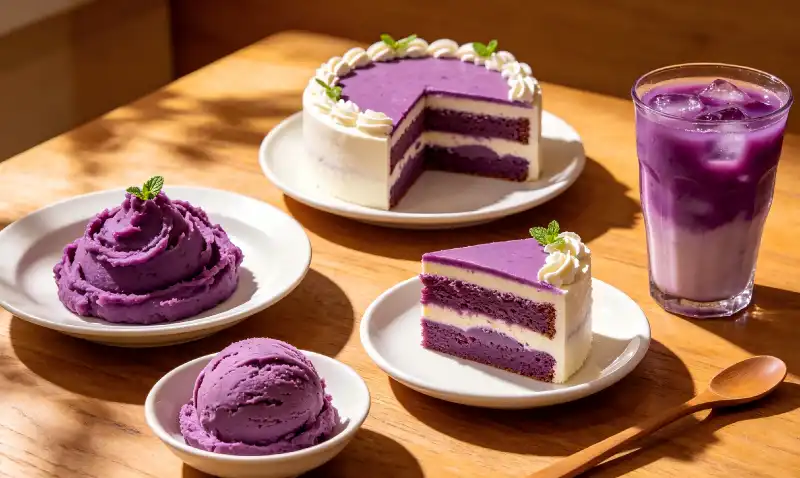
People who make products know that there are more options than just layer cakes. People who make frozen desserts mix the powder into the bases of their ice cream to make treats that look great without using chemical dyes. That stuff is mixed with other things to make drink mixes and fancy latte powders for the café business. This part of the recipe works well in frostings, sauces, and whipped cream. The color stays the same when put in the fridge. Cooks who like to try new things are making purple gnocchi, colored pasta dough, and mashed potatoes with different colors. This gives restaurants and ready-to-eat meal companies new ways to make money.
Selecting the Best Ube Powder for Your Business Needs
You need to think about more than just the original price when you decide to buy Ube Powder. The quality changes based on where the raw materials come from, how they are treated, and what happens to them after they are made. Setting clear standards that match what the end product needs makes it easier to choose the service and lowers the risk of having to change the recipe.
Evaluating Quality Certifications and Production Standards
Providers you can trust keep their plants GMP-certified, which shows they care about clean and consistent processes. Companies that have ISO 22000 or FSSC 22000 certifications have strong food safety management systems that cover the whole supply chain. Some people really care about organic standards like USDA Organic or EU Organic, and they are used to set a better standard. It's easier to sell your goods in specific shops if they have certifications like Halal and Kosher. Ask for lab results that show how many bacteria were found, how much heavy metal was present, how much pesticide residue was found, and how much water was present. Companies that have HPLC, UV spectrophotometers, and spinning evaporators can check ingredients to make sure they meet standards.
Comparing Organic Versus Conventional Varieties
High-end brands that care about the environment like organic options because they follow strict growing rules that don't let man-made fertilizers and pesticides be used. Most of the time, they cost 15 to 30 percent more, but marketing can say things about them that make environmentalists happy. Conventional types are safer as long as they come from approved places and cost less, which is good for product lines that want to save money. As long as working standards are the same for both groups, success traits stay the same. Many people who buy a lot of things use a range of buying strategies and keep both organic and regular goods on hand to properly serve all kinds of brands.
Bulk Purchasing Logistics and Supplier Reliability
Most of the time, the minimum order size is between 25 kg and 500 kg, but it depends on the provider. When a package weighs more than 1,000 kilograms, it is cheaper to ship it in a container. Pay close attention to wait times. Orders from domestic suppliers are usually met in two to three weeks. Orders from foreign suppliers, on the other hand, may take six to eight weeks, which includes the time it takes to ship and clear customs. Getting to know producers who have more than one production line will help you make sure you have supplies when demand is high. Check your references with past and present clients to see how well you meet deadlines, talk to people, and fix issues. Customers are more likely to trust a relationship that is open and honest when the providers let customers tour their facilities and are happy to share papers about the production process.
The Business Value of Incorporating Ube Powder in Your Product Portfolio
How unique a brand is and how much money it makes depend on how carefully the ingredients it uses are picked. Products made from Ube are good for business in more ways than one. They can help with long-term growth by making things run more easily and following customer trends.
Market Differentiation Through Authentic Natural Ingredients
Consumer research shows that people want ingredient lists that are simple to understand and don't have any fake chemicals. The idea that "food is an experience" is becoming more popular, which makes it more important to have tastes that come from different countries and give people real chances to share stories. There are a lot of people who want to buy things that look good on Instagram, and brands that use Ube recognize that. Because it comes from natural sources and looks good, this brand's position is better than those of its rivals that use artificial colors or bland flavors. Christmas things that are only available during certain times get people excited and make them want to try the ingredient, which leads to repeat sales.
Cost-Benefit Analysis Compared to Alternative Ingredients
Cost differences straight up show that the business is doing well. Synthetic purple dyes used to be cheaper per gram, but now they are being inspected more carefully by authorities, and some people don't like them. This could mean that the dyes need to be made again, which could cost more. You can use natural choices like butterfly pea flower powder or purple carrot extract. They have clean labels but don't add flavor, so they need to be mixed with other things. Ube Powder adds color, taste, and health benefits to food all at the same time. It does more than one thing. They last longer, so they throw away less old stock, and since they don't need to be chilled, they don't cost anything to run. Because simplified recipes have fewer steps, it's easier to keep track of the ingredients and less likely that mistakes will happen when they are mixed.
Real-World Commercial Success Stories
Mid-sized bakeries say that adding Ube Powder-based cake lines made them 18–25% more sales. Customers from Gen Z and millennials did especially well. Specialty ice cream makers say they're doing well in food stores that focus on health, which wasn't possible with regular ice cream in the past. Food service providers say they can charge 10–15 percent more for menu items with the ingredient than for similar items. It helps private label makers make store brands stand out from national brands, which makes customers more loyal to the brand and boosts profits. These numbers show that the company can do well in a number of locations and with different types of goods.
Conclusion
Companies that want to make natural goods that can adapt to changing customer tastes should buy Ube Powder as an ingredient. It looks good, is good for you, and stays stable during processing. This makes it perfect for solving some of the biggest problems in modern food production. In the bakery, frozen treat, beverage, and specialty food industries, it makes good business sense because it helps them stand out in the market and run more easily. This book tells buying teams how to choose sources, how to judge quality, and what the best practices are for different uses. As more and more people want real, naturally derived ingredients, companies can stay ahead of the competition by building strong ties with trusted suppliers.
FAQ
What makes purple yam powder suitable for large-scale commercial baking operations?
The ingredient stays stable in normal baking settings, so you can use it to make a lot of things at once. You need to keep fresh potatoes or paste forms at a certain temperature. On the other hand, the powder can be kept at room temperature up to 25°C, which makes it easier to move between different buildings. It mixes evenly in industrial mixers because the particles stay the same size, and it lasts longer (more than two years), so there's less pressure to sell it quickly. Clean-label standards are met because there are no preservatives or stabilizers. This doesn't affect the safety of the processing, so it meets both legal requirements and customer expectations.
How does shelf life compare between powder and paste formats?
Ube Powder types last a lot longer than paste types when it comes to shelf life. If you keep powder that has been packed correctly out of direct sunlight and in a cool, dry place, it will stay good for 24 to 30 months. Pastes need to be kept cool most of the time, and they only last 3 to 6 months after being opened because they are mostly water, which helps germs grow. This big difference changes how people plan to buy things in a big way. Every three months, you can buy a lot of powder, which makes paperwork easier. But you have to order less paste more often, which increases transaction costs and makes the supply chain more difficult.
Partner with Fairir for Premium Purple Yam Powder Supply
Shaanxi Fairir Biotech Co., Ltd. is a business that makes very clean plant goods that are used when things are tough at work. Extremely small grinders, vacuum belt dryers, and constant countercurrent extraction tools in our 10,000-square-meter GMP-approved building make sure that the particle sizes stay the same. There are 14 extraction tanks made of stainless steel that can hold 500 to 3,000 liters of liquid. We also have two fully automatic production lines that are 98% efficient. In other words, we can meet the needs of large businesses and keep our supply steady. We use HPLC, UV spectrophotometers, and spinning evaporators in our lab to make sure that the ingredients you give us meet your high standards. For any technical questions you have during the whole buying and executing process, our skilled team is here to help, whether you need unique specs, organic certifications, or private labeling services. You can get samples or talk to a trustworthy purple sweet potato powder maker who wants to work with you for a long time by emailing our sales team at sales@fairirbiotech.com.
References
1. Woolfe, Jennifer A. "Sweet Potato: An Untapped Food Resource." Cambridge University Press, 1992.
2. Rodriguez-Amaya, Delia B. "Natural Food Pigments and Colorants." Current Opinion in Food Science, Vol. 7, 2016.
3. Teow, Chwan C., et al. "Antioxidant Activities, Phenolic and β-Carotene Contents of Sweet Potato Genotypes with Varying Flesh Colors." Food Chemistry, Vol. 103, Issue 3, 2007.
4. Bovell-Benjamin, Adelia C. "Sweet Potato: A Review of its Past, Present, and Future Role in Human Nutrition." Advances in Food and Nutrition Research, Vol. 52, 2007.
5. Champagne, Audrey, et al. "Anthocyanin Composition and Content in Purple-Fleshed Sweet Potatoes." Journal of Food Composition and Analysis, Vol. 43, 2015.
6. Truong, Van-Den, et al. "Utilization of Sweet Potato in Baking and Specialty Products." Sweetpotato: Processing Technology, Academic Press, 2017.