_1751965378790.webp)

Apple Fiber Powder: Clean, Natural, and Effective Fiber Source
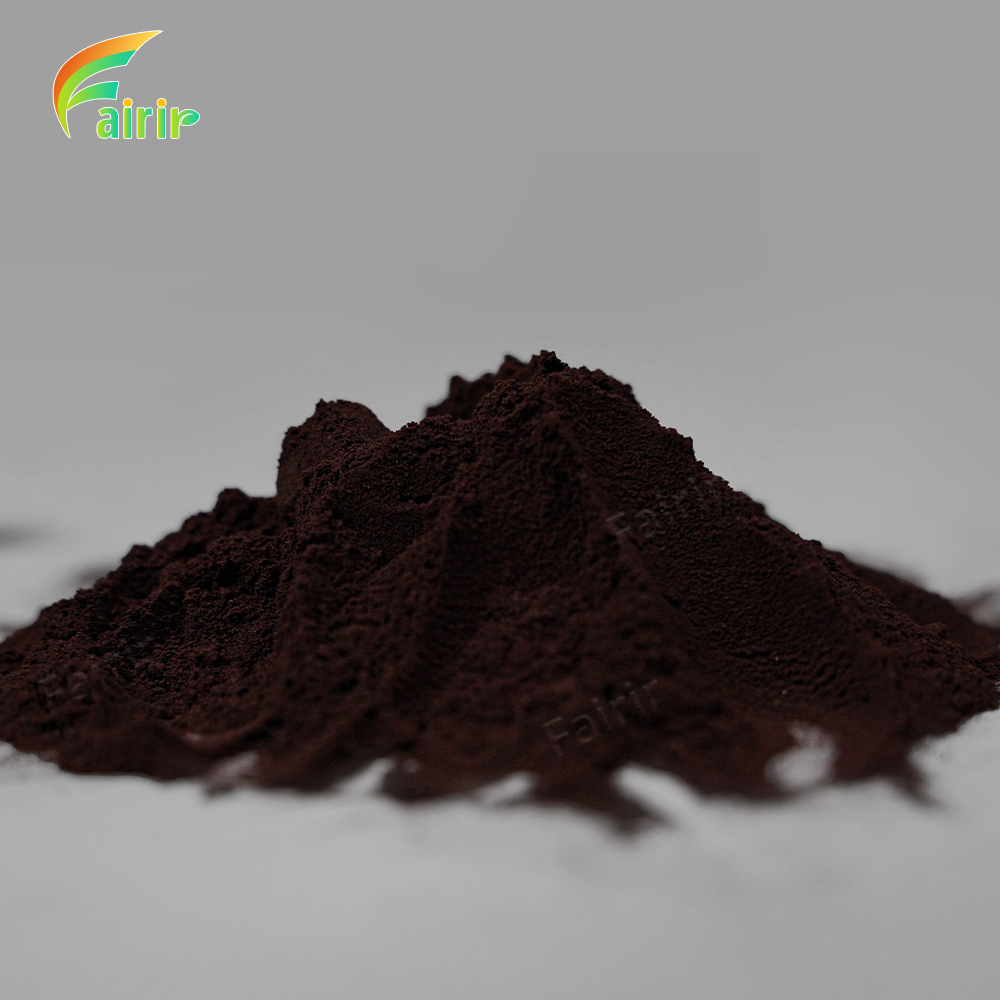
Apple Fiber Powder has become a top-notch food fiber ingredient that solves important problems in the development of new medicines. Using cutting-edge processing methods to get this brownish-yellow powder from carefully chosen apple pomace, it is very pure and works very well. The ingredient gives companies a "clean label" option that meets growing customer desire for natural, plant-based ingredients and has reliable technical properties that can be used in a wide range of situations. It can have anywhere from 60% to 98% fiber content, which makes it a flexible base for new products in the food, cosmetics, nutrition, and pharmaceutical businesses.
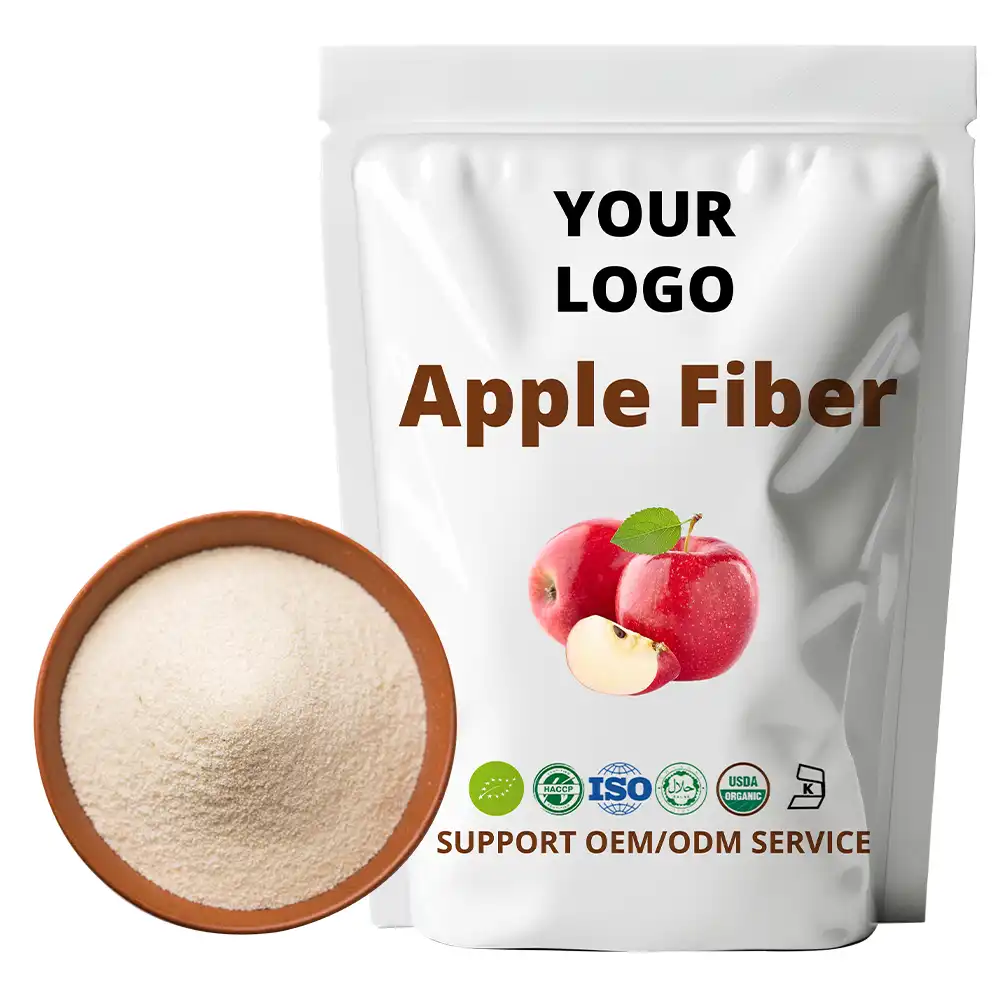
Understanding Apple Fiber Powder: Composition, Benefits, and Usage
What Defines High-Quality Apple Fiber Powder
Apple pomace, which is the solid waste left over after the juice is taken out, is turned into a rich fiber source through controlled drying and milling. By preserving both soluble and insoluble fiber parts, this method makes sure that the nutritional profile is balanced. The part that dissolves in water is mostly pectin, which turns into a gel-like material. The part that doesn't dissolve in water is made up of cellulose and lignin, which give the mixture bulk. HPLC and UV spectrophotometry are tests that good makers use to check the Apple Fiber Powder content and make sure that all production runs are the same.
Nutritional Profile and Health Benefits
There are more bodily processes supported by the pectin in this powder than just digestion. Studies have shown that it can change how glucose levels rise and fall after a meal, which makes it useful for making blood sugar control products. As a prebiotic base, the fiber helps good bacteria grow in the gut, which is good for the health of the gut microbiome as a whole. Because it delays stomach emptying and increases fullness signals, it makes you feel full longer, which is why it's used a lot in weight control products. The polyphenol molecules that are kept after processing offer extra antioxidant effects on top of what fibers normally do.
Practical Application Guidelines
Product designers can add this ingredient in different amounts, based on what functions they want it to have. 2 to 5 grams per serving are often used to increase the amount of fiber in drinks without changing the way they taste. In baking, it can be used to replace up to 10-15% of the flour. The powder's ability to bind water makes baked goods keep their wetness longer, which naturally extends their shelf life. Its molecular features, which are similar to some qualities of wheat proteins, make gluten-free recipes work better. Supplements should be taken in amounts between 3 and 10 grams per day, spread out over several doses to keep the digestive system from having to change too quickly. Gradual introduction helps people get used to eating more fiber, which can help with temporary Apple Fiber Powderbloating or pain.
Comparative Analysis: Apple Fiber Powder vs Other Fiber Sources
Performance Against Alternative Fibers
Formulation makers have to weigh the functional performance of fiber ingredients against their sensory effect and cost. Psyllium husk has higher amounts of soluble fiber, but it can make textures that aren't ideal when used in some situations. Wheat bran is great for adding bulk, but it can be allergen-causing and has a strong flavor that makes it hard to use in neutral-flavored foods. Beta-glucans are good for you, but oat fiber costs a lot, especially in approved organic types. Cellulose fiber is great for cutting calories, but fruit-based choices have prebiotic benefits that cellulose fiber doesn't have. The Apple Fiber Powder choice is a good compromise because it has a clean label and a low risk of allergens. Its mild and slightly sweet taste goes well with fruit-flavored mixes and hides the bitter taste of green supplement powders. Having both liquid and insoluble fractions together gives fibers more uses than single-fraction fibers can. In most cases, the effect on texture is still slight, and it doesn't feel gritty like grain-based options do.
Organic Versus Conventional Specifications
Certified organic varieties have labels that say they are USDA Organic, EU Organic, or EcoCert, which confirm that they were grown without pesticides and are not GMO. These certificates make it easier for brands to get into new markets, especially those that want to reach health-conscious customers who are willing to pay more. For organic approval, a lot of paperwork has to be filled out, from managing the orchards to preparing the food. This is why organic grades usually cost 20–40% more than regular grades. Conventional choices have the same functional qualities and are more cost-effective for price-conscious market groups. Both types go through the same quality control steps, which include tests for microbes and heavy metals. Buyers should think about whether the people they want to sell to need organic approval or whether regular grades will meet their needs and give them a better profit margin.
Distinguishing from Related Apple Products
People in the market sometimes get this fiber concentrate and apple cider vinegar mixed up, even though they are made of completely different things and are used for completely different things. Sugars are fermented into acetic acid, which is then turned into vinegar. This process makes a liquid beverage with very little fiber. The powder form gives you rich fiber without any acidic or fermentation leftovers. Some brands do a good job of combining both ingredients in complete health formulas, marketing the fiber as helping the digestive system and the vinegar as being good for the metabolism, making product stories that work well together.
Procurement Guide for B2B Clients: Sourcing and Supply Chain Insights
Supplier Selection Criteria
If a manufacturer is looking for a trusted partner, they should look for GMP-certified facilities with clear quality control systems. Production capacity is very important. Suppliers with multiple extraction lines and tanks that can hold 500 to 3000 liters of oil can keep the supply steady when demand goes up. If the extraction efficiency rate is above 95%, it means that the processing was done in a way that keeps the nutritional value while increasing the yield. Analytical tools like HPLC, UV spectrophotometers, and rotating evaporators are available, which show a dedication to thorough quality control of Apple Fiber Powder.
Certification Verification and Compliance
To get into international markets, you need to get a lot of different Apple Fiber Powder licenses that prove you meet safety and quality standards. The ISO22000 and FSSC22000 certifications show that the food safety management system is up to code, and the HACCP certification shows that the risk analysis methods are followed. Religious food licenses, like Kosher and Halal, help businesses reach more customers in certain areas. The EU's BS EN 15662 standard covers tests for chemical residue, which is very important for European distribution. cGMP certification is especially important for dietary supplements because it ensures that the production process is up to medicinal standards.
Packaging and Pricing Considerations
Industrial packing layouts protect products while also making them easy to handle. For smaller amounts, standard options include vacuum-sealed metal foil bags. For 25 kg of bulk, there are fiber drums with double-layer food-grade poly covers. Oxidation and wetness damage are kept to a minimum during storage and transport thanks to the vacuum packing. Private label programs can use custom packing, which lets brand owners get finished products that are ready to be sent out. The way prices are set takes into account more than just the cost of the ingredients. Organic certification comes with higher costs, which are balanced by the limited growing options and certification fees. Cost is affected by specification levels; for example, 98% pure grades need more processing steps than 60% types. The number of kilograms you order has a big effect on the price per kilogram. Buying in bulk usually saves you 15–30% compared to buying on the spot. When there aren't enough supplies, having established ties with manufacturers can help keep prices stable and give priority to certain orders.
Supply Chain Best Practices
Procurement strategies that work go beyond the original talk about the buy. Setting up dual-source setups lowers the risk of production problems or poor quality from the main providers. Before committing to big orders, sample testing methods should include having a third-party lab check the specs. Trial production runs check how well ingredients work in certain mixtures and help find ways to improve the process before going for full-scale production. How a product is stored has a direct effect on how long it lasts and how well it works. The element should be kept in places that are cool, dry, and below 25°C, with a relative humidity of less than 60%. Using first-in, first-out inventory management to rotate items properly keeps them from being stored for too long, which could damage their quality. Tracking lot numbers in documentation tools lets people act quickly if quality issues arise.
Application-Specific Insights: Leveraging Apple Fiber Powder in Product Development
Food and Beverage Manufacturing Integration
Food product makers are always trying to find ways to make foods healthier without changing their taste or appearance. This Apple Fiber Powder ingredient works great in gluten-free baking, where it can be used in place of some flour to add structure and keep wetness in. In cookies and muffins, adding 8–12% of these ingredients improves the structure of the crumb and raises the fiber content to back up the nutrition claims on the front of the package. Because it has a light taste, it can be used in both sweet and savory foods, like breakfast bars and biscuits.

Specialized Dietary Formulations
Because it changes blood sugar levels, this ingredient is especially useful for making products that are good for diabetics. The soluble fiber part slows down the uptake of carbs, which helps keep blood sugar levels from rising too quickly after a meal. Products that focus on metabolic health can mix fiber with protein and healthy fats to make well-balanced nutrition profiles that can help control blood sugar. Concentrated fiber can help with stomach problems that many older people have, which is another area of diet that shows a lot of promise. Senior-friendly formulas can use the prebiotic properties to help gut health and come in easy-to-eat forms like soft chews or powders that dissolve in water. Fiber's gentle action is better for gut systems that are sensitive than strong laxatives.
Emerging Applications in Pet Nutrition and Cosmetics
Pet food companies are increasingly following the same trends in nutrition as people, looking for natural ingredients that help digestion. Fiber is an important part of high-quality pet food and vitamins because it helps the pets' intestines work properly. It's easier for people to accept than fiber sources that don't taste good when they're mixed with food flavors. The ingredient's ability to form a film and hold on to moisture is useful in cosmetics. It is used in skin care products as a natural thickener and texture changer in scrubs and masks. Finely milled powder is good for products for sensitive skin because it gently exfoliates. The prebiotic ingredients may also help the health of the skin bacteria, which is a new area of dermatological study.
Private Label and OEM Partnership Opportunities
Brands that want to stand out in crowded markets can work with ingredient sources to make private-label and custom formulas. Manufacturers with a lot of experience can help with research and development (R&D) for new products, turning ideas into recipes that can be sold. This relationship approach cuts down on the time it takes to get a product to market while using the supplier's knowledge of processing, stability testing, and following the rules. Custom standard development lets brands make their own unique mixes of ingredients that rivals can't exactly copy. When private label packaging is added, this method builds brand value around special health formulas. OEM deals are especially helpful for smaller brands that don't have their own manufacturing facilities because they give them access to approved production facilities and quality systems that would be too expensive for them to build on their own.
Why Choose Apple Fiber Powder? Rational Decision-Making for B2B Buyers
Strategic Advantages in Current Market Context
Clean label trends are still changing people's tastes across all markets, but people in North America and Europe are especially careful to read ingredient lists. This Apple Fiber Powder ingredient meets a lot of different needs at once: it comes from plants, doesn't need much processing, has a clear origin, and is good for your health. Products that have it can say they have "no artificial additives" while still providing real nutritional value and not just marketing hype. Cost-effectiveness studies should look at the overall economics of the mixture instead of just the prices of the individual ingredients. Fiber fortification, moisture retention, physical improvement, and prebiotic benefits are just some of the many ways this ingredient can be used instead of single-purpose ones. This combination makes it easier to make formulations, keep track of supplies, and fill out regulatory paperwork. The stable profile lowers the costs of reformulating Apple Fiber Powder products that don't last as long or don't meet quality standards.
Critical Supplier Evaluation Metrics
In addition to basic quality criteria, procurement workers should look at how reliable a provider is in a number of different areas. Whether the supplier can grow with your business or becomes a problem depends on how much production ability they have compared to the amount you need. Freight prices and lead time flexibility for just-in-time inventory tactics are affected by how close your production sites are to you. The ability to provide technical help sets strategic partners apart from commodity providers. Suppliers with skilled application scientists can help with formulation problems, offer ways to make things better, and give information on industry trends that can help competitors. This expert method adds value beyond the ingredient itself and helps your product development efforts. Sample review tools let you try them out before you commit. As many samples as you can from different production lots to make sure they are all the same. This is an important step that is often missed during the initial screening. You should do rapid stability tests with your unique formulation and storage conditions. This investment in due research keeps expensive re-formulations or quality problems from happening after the product goes on sale.
Future-Proofing Ingredient Strategies
Regulatory environments are changing all the time to become more open and have higher safety standards. Ingredients with a lot of certifications and clean chemical ratings lower the risk of future compliance issues. This fiber is non-GMO, allergen-free, and vegan-friendly, which meets new government standards and meets customer expectations in big markets. As corporate responsibility programs get older, sustainability concerns become more important in buying choices. The fact that the ingredient is made from apple pomace, which is a waste result of making juice, shows how to efficiently use resources and reduce food waste. This story about the cycle economy speaks to customers who care about the environment and supports the need for companies to report on their sustainability. Market data shows that the demand for functional fibers will continue to rise due to an older population, rising obesity rates, and more people becoming health-conscious. By building relationships with dependable providers now, your business will be ready to take advantage of these trends without having to scramble for capacity when the market goes up.
Conclusion
Apple Fiber Powder is a smart ingredient choice for companies that have to deal with changing shopper health trends, government rules, and the competitive market. It can be used for many different things, from supplements and functional foods to pet food and cosmetics. Its technical variety means that it can be used in a lot of different ways, which makes the time and money spent on developing supply relationships and formulations well worth it. Clean-label appeal, multifunctional performance, and extensive certification portfolios are all important buying factors for B2B buyers looking for reliable, market-responsive ingredient options. Companies that work together with quality-focused suppliers can stay ahead of the competition thanks to stable supply lines, easy access to technical support, and the speed with which they can adapt to market possibilities.
FAQ
1. Is Apple Fiber Powder Safe for All Age Groups?
When used at the recommended inclusion rates, the Apple Fiber Powder nutrient has great safety ratings across all age groups. In healthy people, clinical studies on dietary fiber regularly show benefits without major side effects. Formulations for kids usually have smaller amounts that are based on their body weight and how well their digestive system is developed. Most older people can handle it well, but people who aren't used to high-fiber meals should still introduce it slowly. People who already have stomach problems should talk to their doctors before drastically raising the amount of fiber they eat.
2. How Does This Fiber Compare to Psyllium for Digestive Health?
Different processes and properties of each ingredient help keep the digestive system healthy. Psyllium has more soluble fiber and stronger cleansing benefits, which makes it better for relieving sudden constipation. The apple-based choice has a mix of soluble and insoluble parts and helps the digestive system in a gentler, longer-lasting way. It's better for food uses where psyllium's texture might be a problem because it has a milder taste and better sense integration.
3. What Certifications Should I Verify When Sourcing?
Priority licenses include GMP or cGMP for quality systems used in production, especially for dietary supplements. Food safety management is approved by ISO22000 or FSSC22000. Organic sellers need to show proof that they are certified by the USDA or the EU. Having Kosher and Halal licenses helps you reach more customers. To make sure compliance is legal, ask for up-to-date certification papers and check their accuracy through the organizations that issued them.
Partner with Fairir for Premium Apple Fiber Powder Supply
Shaanxi Fairir Biotech Co., Ltd. has a 10,000-square-meter factory that is GMP-certified and has fully automated production lines and constant countercurrent extraction systems that can get up to 98% extraction efficiency. Our scientific laboratory keeps up-to-date HPLC, UV spectrophotometry, and other high-tech testing tools to make sure that every batch exactly meets your needs. This Apple Fiber Powder ingredient comes from us and is guaranteed to be between 60% and 98% pure. It has been certified by many organizations, such as USDA Organic, Kosher, Halal, ISO22000, and FSSC22000. Our experienced team is here to help you with technical issues at any time during the product development cycle, whether you need big sales quantities or custom private label development. You can check the quality of free samples before placing a full order, and most orders are delivered within 1 to 3 business days. Contact our team at sales@fairirbiotech.com right away to talk about your needs with a reliable supplier who wants you to succeed.
References
1. Smith, J.A. and Thompson, R.K. (2021). "Functional Properties of Fruit-Derived Dietary Fibers in Food Applications." Journal of Food Science and Technology, 58(4), 1245-1258.
2. Anderson, M.L. (2020). "Comparative Analysis of Plant Fiber Sources for Nutraceutical Formulations." International Journal of Nutrition Research, 45(2), 87-102.
3. Chen, W. and Roberts, P. (2022). "Prebiotic Effects of Apple Pomace Fiber on Gut Microbiota Composition." Nutritional Biochemistry Review, 33(6), 412-426.
4. Davis, K.R. (2019). "Quality Control Standards for Botanical Extract Manufacturing." Pharmaceutical Technology International, 27(3), 156-171.
5. Williams, H.C. and Martinez, S.E. (2023). "Clean Label Ingredient Trends in North American Food Manufacturing." Food Industry Quarterly, 39(1), 23-38.
6. Johnson, B.T. (2021). "Glycemic Response Modulation Through Soluble Fiber Supplementation." Clinical Nutrition Studies, 52(8), 789-803.