_1751965378790.webp)

Apple Fiber Powder for Fiber-Enriched Dairy Alternatives
Despite becoming a popular nutritional answer, many plant-based dairy substitutes do not provide adequate fibre. This critical need is met by Apple Fibre Powder, which supplies concentrated soluble and insoluble fibre derived from apple pomace. Almond milk, oat yoghurt, and coconut-based beverages bring out the most in this brownish-yellow powder's prebiotic and texturally and mouthfeel-improving attributes. The functional benefits of apple-derived fibre go beyond basic nutrition. It promotes digestive wellness, stabilises formulations, and meets consumer expectations for transparent ingredient lists in dairy-free products. For producers looking for ingredients with clean labels, this is fantastic news.
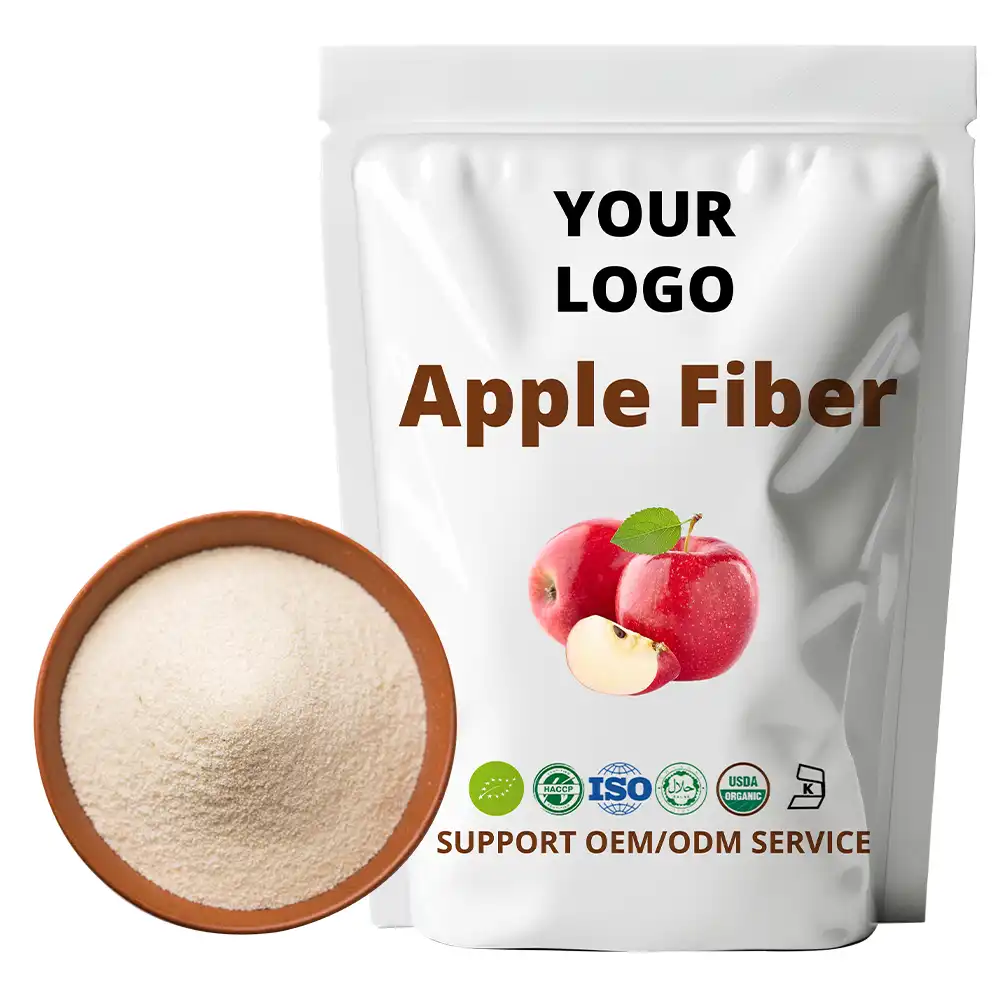
Understanding Apple Fiber Powder and Its Role in Dairy Alternatives
The fibre environment in plant-based formulations provides distinct issues that apple fibre powder solves successfully. Extracted from carefully selected fresh apples using innovative processing techniques, this natural fibre source maintains the nutritional characteristics of whole fruit while giving remarkable purity and stability.
Composition and Nutritional Profile
The soluble pectin (around 15-20%) and insoluble cellulose structures found in apple-derived dietary fibre complement each other in dairy replacement applications. This whole-fruit extract maintains the antioxidant polyphenols and quercetin components, in contrast to separated fibres. Weight management formulations benefit from the pectin content, as it stabilises blood sugar responses and supports cardiovascular health markers. As a natural prebiotic, this rich fibre source feeds beneficial bacteria in the gut and promotes digestive health.
Comparative Analysis with Other Fiber Sources
Apple Fibre Powder is frequently compared to psyllium husk, oat fibre, and inulin by procurement teams when they are looking for dairy-alternative fibre solutions. While psyllium does increase the percentage of soluble fibre, it can also produce gel-like textures that aren't good for use in drinks. While apple pomace naturally has water-holding capacity, oat fibre only provides beta-glucans. Inulin is a great prebiotic, but larger quantities could make some people nauseous. For various dairy-free recipes, Apple Fibre Powder strikes the perfect mix between solubility, usefulness, and gastrointestinal tolerance.
Functional Benefits in Plant-Based Formulations
Yoghurts made with almonds and cashew milk are far more stable because of the apple fibre's water-holding capacity. This feature enhances creaminess without the need for gums or synthetic stabilisers and also prevents phase separation during shelf storage. By interacting with plant proteins, the fibre matrix produces smooth, velvety textures reminiscent of real dairy products. Thermal stability preserves functional qualities during pasteurisation operations, consistently maintaining batch quality from manufacture to consumption.
Evaluating Apple Fiber Powder for B2B Procurement: A Decision Support Approach
Evaluation criteria for sources of fibre enrichment ingredients should be stringent and go beyond simple requirements when making sourcing decisions. When looking for trustworthy Apple Fibre Powder suppliers, procurement managers should give preference to companies that have GMP certification and thorough quality documentation.
Quality Specifications and Certifications
We analyse our premium apple fibre powder using HPLC, UV, and GC techniques to ensure consistent fibre content. We offer specifications at 60% and 98% purity levels. The final product should be a consistent brownish-yellow powder with an aroma reminiscent of fruit and a particle size that works well for a range of uses. We demonstrate regulatory compliance across international markets through certifications such as USDA Organic, Kosher, Halal, ISO22000, FSSC22000, HACCP, and EU Organic. Particular formulation needs for sensitive consumer segments are met by additional credentials like Non-GMO certification, gluten-free status, and allergen-free statements.
Supplier Reliability and Supply Chain Considerations
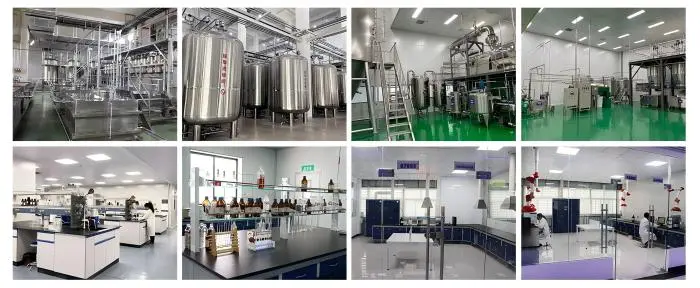
Facilities that have vacuum belt drying technology, double-effect concentration systems, and continuous countercurrent extraction equipment maintain consistent production, which directly affects supply stability. With three fully automated production lines, production efficiency reaches 98%, guaranteeing reliable batch availability. To ensure that products remain undamaged while being shipped internationally, they are stored in fibre drums with double-layer food-grade poly bags and vacuum-sealed aluminium foil bags. Proving operational efficiency that supports just-in-time manufacturing schedules, we can offer delivery timescales of 1-3 working days.
Cost-Effectiveness and Private Label Opportunities
You may get the most out of your procurement budget without sacrificing quality by purchasing directly from manufacturers, as the process cuts out middlemen and their markups. As a company grows, its minimum order quantities can be adjusted to meet the needs of both small-batch research and development projects and large-scale production. Custom formulation services and private labelling alternatives enable brand distinction without the need to invest in costly processing equipment. To aid formulators in optimising inclusion rates and effectively resolving formulation issues, comprehensive technical support from expert teams provides continual application guidance.
Optimizing Formulation and Usage of Apple Fiber Powder in Dairy Alternatives
To successfully enrich fibres, one must know the ideal inclusion rates for each product type. 0.5-2% Apple Fibre Powder is a common ingredient in plant-based milk drinks; it adds body without making the drink too thick. Inclusion rates of 2-4% create the ideal gel structure and spoonability of yoghurt replacements. These ranges can make credible claims about fibre content while still satisfying consumers' senses.
Blending Practices and Processing Considerations
To avoid clumping and achieve even distribution in dairy substitute matrices, it is important to hydrate them properly. For even distribution, mix the dry ingredients with the Apple Fibre Powder first, then add the liquid. The water-binding capacity is maximised by gradually incorporating the ingredients during the mixing stages, which ensures total hydration. Integrating fibre particles smoothly into plant-based milks, homogenisation pressures of between 2000 and 3000 psi create stable emulsions. Fibre functionality is preserved without pectin structure degradation at pasteurisation temperatures up to 85°C, ensuring that both nutritional advantages and sensory contributions are maintained.
Addressing Common Formulation Challenges
When Apple Fibre Powder comes into contact with specific plant proteins or mineral fortification packages, off-flavours might occasionally occur. The use of citrates or phosphates in buffering systems keeps the pH stable, which in turn stops the formation of bad tastes. Browning reactions during lengthy shelf storage can be eliminated with enzyme therapies that target residual polyphenol oxidase activity. Maintaining the product's aesthetic appeal over its shelf life is possible by balancing the fibre solubility ratios, which solves the problem of separation in chilled dairy substitutes. These approaches facilitate compliant product development by conforming to regulatory frameworks in the US and EU markets.
Case Study Applications
By adding apple-derived fibre at a 1.8% inclusion rate, a prominent oat milk producer raised the fibre content per serving from 0.5g to 2.5g. There was no discernible change in flavour acceptability from the original formula in consumer sensory tests, and the nutritional panels attracted health-conscious consumers. A coconut yoghurt manufacturer improved texture scores by 23% in internal assessments and achieved a clean-label designation by replacing synthetic gums with an Apple Fibre Powder combination. The practical usefulness across numerous categories of dairy alternatives is demonstrated by these real-world applications.
Market Trends and Future Outlook for Apple Fiber in the Dairy Alternative Industry
Fibre enrichment is an important differentiator in the ever-increasing market for functional plant-based goods. Research shows that a large majority of dairy substitute buyers are looking for products that help with digestive health, so there are many opportunities for formulations that include more fibre.
Innovation in Processing Technologies
Modern extraction techniques can retain fibre fractions and bioactive chemicals at higher concentrations than before. To enhance the gelation capabilities for certain uses, enzymatic treatments can selectively modify pectin structures. Innovations in spray-drying have improved the flowability and storage stability of powders by reducing their hygroscopicity. Novel forms, such as protein shakes, frozen desserts, and beverage concentrates with extended shelf life, are now possible thanks to these processing innovations.
Sustainability and Sourcing Strategies
Using apple pomace as an ingredient helps put the concepts of the circular economy into practice by transforming agricultural waste into useful functional components. Apple Fibre Powder's recycled origin makes it especially appealing to procurement managers who are trying to connect purchasing selections with corporate sustainability aims. You can achieve a transparent supply chain by working with manufacturers that use environmental management systems. Long-term supplier partnerships ensure consistent quality and supply security, which are crucial for sustaining brand reputation in competitive marketplaces.
Strategic Considerations for Product Developers
To maximise the benefits the most out of Apple Fibre Powder's many uses, it's best to assess it early on in the development process. This component goes beyond being a one-purpose additive by addressing fibre fortification, texture alteration, and clean-label goals all at once. Fibres made from apples are well-positioned for future market changes, as regulatory environments favour constituents sourced from whole foods over manufactured substitutes. Investing in supplier alliances that have strong research and development skills allows for continuous innovation, which is crucial in a market where consumer tastes are increasingly moving toward transparency and utility.
Conclusion
Apple fibre powder extracted from fruit pomace represents a strategic ingredient solution for manufacturers developing competitive dairy alternatives. Its dual soluble-insoluble fibre profile delivers digestive health benefits and functional advantages in formulation stability and texture. Quality suppliers with GMP-certified production, thorough testing protocols, and flexible customisation services help procurement teams confidently integrate this ingredient into a wide range of product lines. As consumer demand for clean-label, fibre-enriched plant-based products intensifies, establishing relationships with trustworthy suppliers of apple fibre powder becomes increasingly critical for sustained market success.
FAQ
Is apple fibre powder suitable for vegan and organic certification?
Yes, apple-derived fibre is vegan because it contains no animal-derived components and meets the requirements for plant-based formulations. Products carrying USDA Organic, EU Organic, and EcoCert certifications confirm that the raw materials and processing methods comply with organic standards. These credentials assure brands targeting certified organic and vegan market segments.
What digestive considerations should formulators address?
Most consumers tolerate apple fibre powder well at the recommended inclusion rates, though gradual introduction can help prevent temporary digestive adjustment. The balanced soluble-insoluble ratio typically causes fewer gastrointestinal effects compared to highly fermentable fibres. Product labelling should recommend appropriate serving sizes, particularly for concentrated fibre beverages, to allow consumers to adjust their intake based on individual tolerance levels.
How does apple-based fibre compare cost-effectively to alternatives?
While unit pricing varies with market conditions, Apple Fibre Powder often provides superior cost-performance when considering its multifunctional benefits. The ingredient simultaneously addresses fibre fortification, texture enhancement, and clean-label positioning—potentially replacing multiple additives. Volume purchasing from direct manufacturers further improves economic viability, particularly for established production lines requiring a consistent supply.
Partner with Fairir for Premium Apple Fiber Powder Solutions
Shaanxi Fairir Biotech Co., Ltd. manufactures high-quality apple fibre powder specifically engineered for dairy alternative applications. Our 10,000-square-metre GMP-certified facility utilises continuous countercurrent extraction equipment and vacuum belt drying systems to produce consistent, high-purity fibre at specifications of 60% and 98%. We use HPLC, UV spectrophotometry, and rotary evaporation for thorough quality control, so every batch meets international standards. As an experienced apple fibre powder supplier, we offer flexible MOQ, rapid 1-3 day delivery, and complete customisation, including private labelling and formulation development. Our team provides dedicated technical support to optimise inclusion rates in your specific dairy alternative formulations. Contact our procurement specialists at sales@fairirbiotech.com to request free samples, detailed COA documentation, and wholesale pricing for your next product innovation.
References
1. Dhillon, G.S., et al. "Fruit and Vegetable Processing Waste: Bioactive Compounds and Their Utilization in Functional Food Development." Critical Reviews in Biotechnology, Vol. 33, 2013, pp. 111-129.
2. Grigelmo-Miguel, N., and Martin-Belloso, O. "Characterisation of Dietary Fibre from Orange Juice Extraction and Apple Pomace." Food Research International, Vol. 31, 1998, pp. 265-271.
3. Koutsos, A., et al. "Effects of Commercial Apple Varieties on Human Gut Microbiota Composition and Metabolic Output." Nutrients, Vol. 9, 2017, Article 364.
4. Renard, C.M.G.C., and Thibault, J.F. "Structure and Properties of Apple and Sugar-Beet Pectins Extracted by Chelating Agents. "Carbohydrate Research, Vol. 244, 1993, pp. 99-114.
5. Setser, C.S., and Racette, W.L. "Macromolecule Replacers in Food Products." Critical Reviews in Food Science and Nutrition, Vol. 32, 1992, pp. 275-297.
6. Waliszewski, K.N., et al. "Physicochemical and Sensory Properties of Milk Beverages Fortified with Banana Juice and Apple Dietary Fibre." Journal of Food Quality, Vol. 31, 2008, pp. 49-60.