_1751965378790.webp)

Can Matcha Powder Replace Your Morning Coffee Routine?
Matcha powder can effectively replace your morning coffee routine by providing sustained energy without the jitters typically associated with coffee. This green tea powder, which has just been ground, has caffeine and L-theanine in it. These two special amino acids work together to keep you awake and calm for a long time. Coffee gives you a quick energy boost that doesn't last long. Not so with matcha. It gives you a steady energy boost that helps you stay on track with your morning tasks. Matcha is becoming more well-known in the medicine, food, and drink business for being healthy. Because of this, it is a key factor in making new goods and starting health programs at work.
Understanding Matcha Powder and Its Core Benefits
What Defines Premium Matcha Powder?
Matcha Powder is a kind of green tea made from mostly tencha Camellia sinensis leaves that are grown in the shade. Plants that are left in the shade for 20 to 30 days before they are picked make too much of some amino acids, like L-theanine. After being picked, the leaves are carefully taken off their stems and veins. Then, granite stone mills that work at low temperatures are used to make a very fine powder that is 5 to 15 microns thick. For this process to work, very careful steps must be taken to protect the chemicals that make Matcha Powder different from ground green tea and give it its lovely, healing smell.
Ceremonial Grade versus Culinary Grade Distinctions
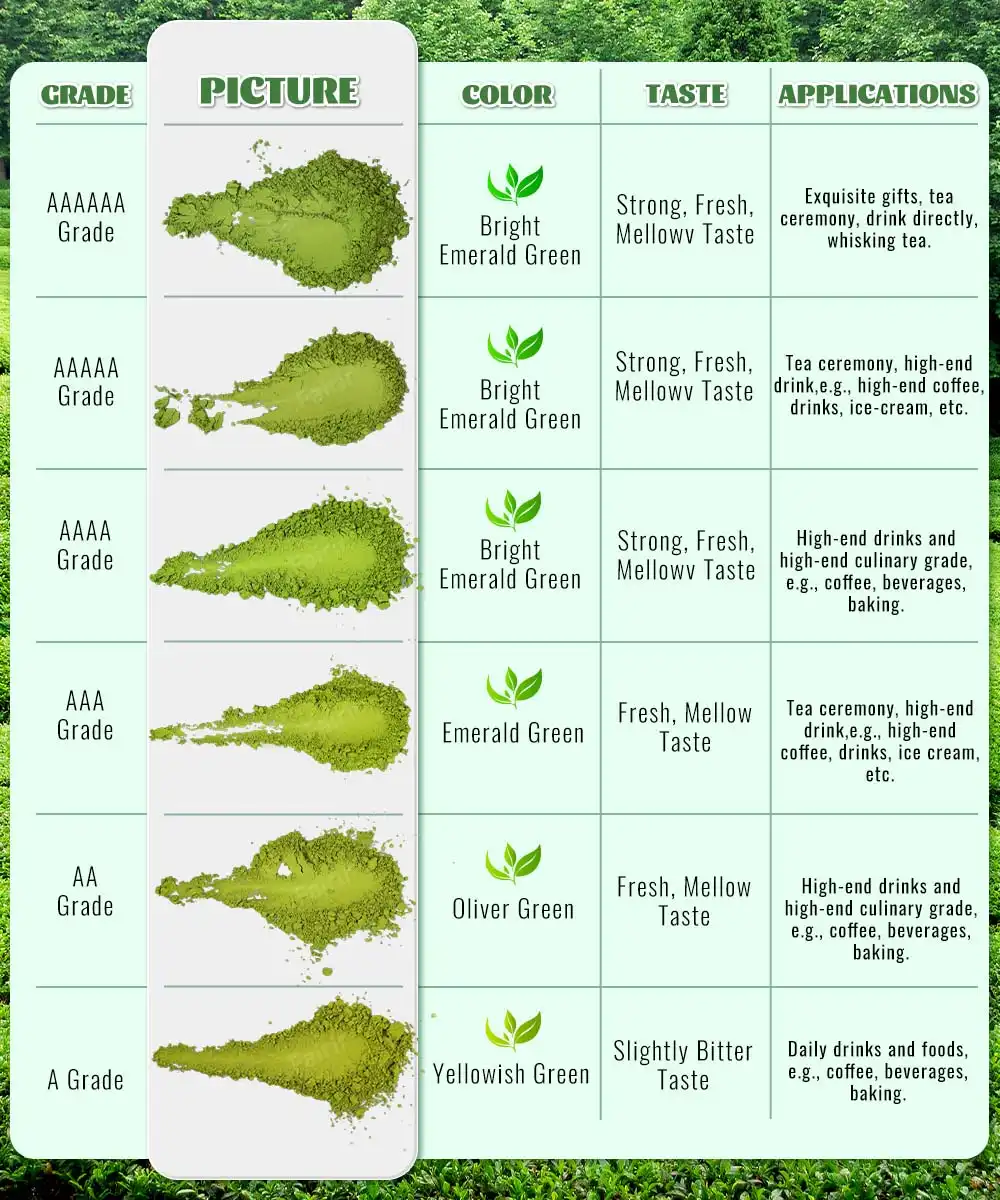
For those in charge of buying the right kind of Matcha Powder for the job, they need to know how the ritual and culinary types are different. It costs more, is bright green, and has a mild umami flavour. This makes it great for collecting and high-end drinks. When it comes to nutrition, food-grade Matcha Powder is the same as other kinds. However, it tastes stronger and is lighter in colour. It's cheap, so it's a good choice for baking, making sweets without dairy, making frozen treats, and making fruity candies. There are a lot of catechins in both types. The most important one is epigallocatechin gallate (EGCG), which has been studied and shown to be an effective antioxidant.
Nutritional Profile and Functional Compounds
Matcha Powder's bioactive makeup helps recipe developers reach many of their functional and nutritional food objectives. For every serving, there are 30 to 50 mg of caffeine and 20 to 30 mg of L-theanine. This mix of chemicals changes how awake caffeine makes you. More alpha waves are made in your brain when you drink this mix. Alpha waves help you relax and concentrate. The thing that makes Matcha Powder different from other things that wake you up is this. Catechins, which make up 10% to 17% of the best kinds, have been shown to keep cells healthy and speed up metabolism.
Matcha Powder vs Morning Coffee: Key Differences and Similarities
Caffeine Content and Release Mechanisms
There are 95 to 165 mg of caffeine in an 8-ounce coffee cup. 30 to 70 grains of Matcha Powder is about the same amount, depending on the grade and concentration. It's not how much coffee there is that matters, but how quickly and how the body breaks it down. The caffeine in coffee wakes you up in 15 to 30 minutes after it hits your body. But after a change in your blood sugar, you often feel tired. With the help of the catechin molecules and L-theanine, the caffeine in Matcha Powder creates a system that releases the effects slowly over time. This works for four to six hours. You don't feel more stressed or hurt your heart when you drink coffee because it's released slowly. Because of this, Matcha Powder is a good choice for people at work who are easily stressed out by stimulants.
L-Theanine's Unique Contribution to Cognitive Function
How Matcha Powder works is different because of an amino acid called L-theanine. It is mostly only found in Camellia sinensis, and types that are grown in shade have the most of it. L-theanine can get into the brain from the blood, according to a study with adults. High amounts of dopamine, serotonin, and gamma-aminobutyric acid (GABA) are found when it gets there. This changes how neurotransmitters work. Research with healthy people has shown that L-theanine and caffeine both improve your brain power. When mixed, they work better than caffeine by itself to make you more alert by 13% and faster in your reactions by 8%. Because of this biochemical link, coffee doesn't cause the usual side effects like tremors, stomach pain, and feeling tired in the afternoon. Because of this, Matcha Powder is a better choice for brain health in tough work settings over the long run.
Taste Profiles and Sensory Acceptance
How a food tastes has a big effect on how quickly people at work start to use it and on how happy people from all walks of life are with it. There are different levels of bitterness in coffee that depend on where the beans are grown, how they are roasted, and how they are brewed. Matcha Powder has a very green taste that comes from a lot of umami, some sweetness, and a little astringency. It might take some time for people who are used to coffee to get used to this. Matcha Powder has a smooth, thick taste because the powder is mixed in with the liquid. Some coffee drinks don't have that. When mixed with sweet or spicy foods, Matcha Powder doesn't change the taste of the other foods. Coffee, on the other hand, is stronger than mixed drinks and tends to win out.
Safety Considerations and Contraindications
As long as they are drunk the way the rules say, both drinks are safe. It's less likely to make you too excited, give you a fever, or make it hard to sleep if you drink Matcha Powder every day instead of coffee. Coffee doesn't have cafestol and kahweol in it, so you don't have to worry about how it might make your cholesterol go up. Because Matcha Powder is high in vitamins, it may not interact well with some medicines, especially those that make the blood thinner. Before you eat it, you should talk to your doctor if you are on medicine. Suppliers should follow the rules for heavy metal testing because tea plants can take in lead and aluminium from dirty soil. A lot of tests are done on certified organic Matcha Powder from trustworthy businesses to make sure the safety gaps are much smaller than what the government requires.
How to Use and Prepare Matcha Powder in the Workplace
Traditional Whisking Methodology
One to two grams of Matcha Powder should be put through a fine-mesh strainer and into a bowl with a wide base. Then you add 60 to 90 millilitres of hot (75 to 80°C) water and whisk it very hard with a bamboo chasen in quick zigzag motions until it turns into a smooth suspension with a top of microfoam. This way is better for the ceremony and the senses. It's good for programs that offer high-end drinks and host executives. Keeping the temperature down is very important. The catechins break down when there is too much heat, making the taste bitter and sour. Compounds that dissolve in water don't fully dissolve when there isn't enough heat.
Modern Instant Formulations and Convenience Solutions
A lot of the time, people need easier ways to plan at work that keep things the same while cutting down on the work and tools that are needed. These needs can be met by Matcha Powder bags that are already weighed, sticks that dissolve and can only be used once, and forms that are ready to drink. Matcha Powder is being used more and more in cold water preparations because it mixes well with hot or cold liquids that are agitated. Many people who used to drink iced coffee now like cold brew Matcha Powder because it tastes better and is less bitter after being soaked for longer amounts of time.
Recipe Innovation for Enhanced Appeal
You can use Matcha Powder in new and interesting ways besides making tea at work. You can make Matcha Powder drinks by mixing the powder with warm soy milk, almond milk, coconut milk, or oat milk. Natural sweeteners like honey, maple syrup, or date paste make Matcha Powder taste less raw without making it too sweet. If you add protein powder, healthy fats, and frozen veggies to Matcha Powder shakes, they can be a full breakfast. In the kitchen, Matcha Powder can be used in a lot of different ways, such as in soups, salad dressings, and seasoning blends for work meals.
Integration into Baked Goods and Functional Foods
Matcha Powder can be used to make drinks and a lot of different foods look and taste better. By adding between 2% and 5% by weight, you can change the colour and taste of baked items like pies, muffins, cakes, and cookies. Small pieces of powder make it easy to mix evenly into cakes and doughs without changing their shape. People who care about their health will be drawn to Matcha Powder because of its natural green colour, which makes it stand out. If you store Matcha Powder in a cool place, its colour stays the same. It's good for cold treats like ice cream, shakes, and frozen yoghurt because of this. Adding Matcha Powder to recipes for energy bars, protein balls, and cookies makes them healthier by adding more vitamins. This backs up what marketing for clean labels says.

How to Source Quality Matcha Powder for B2B Procurement
Selecting Appropriate Grades for Intended Applications
The quality of Matcha Powder you buy should depend on the recipe and your budget. Based on where it comes from, when it was picked, and how it was handled, the price runs from $80 to $200 per kilogram. It's used in high-end product lines and signature drink lines where customers want clear colours and mild tastes. Cooking-grade Matcha Powder, which costs between $20 and $60 per kilogram, has the same amount of nutrients as other types. It can handle the cooking and hiding of tastes that happen when food is made. You can use food grades as cheap items in a lot of different things when you buy them in bulk. The quality standards won't break.
Organic Certification and Quality Assurance Protocols
Some of the things that people can do when they buy organic food are get rid of pesticide leftovers, help the environment, and meet marketing standards for clean labels. They want to see a lot of proof about how you grow the food, handle it, and make sure your supply chain is honest before they will certify your food. These licenses need to be checked regularly for banned drugs and audited by a third party. When brands want to get people who care about their health, this makes it safer for them. Controls for quality should make sure the item is organic and that the amount of moisture is less than 4% so that bacteria don't grow. So that the health benefits are real, they should also make sure that the heavy metal levels are less than 0.5 parts per million for lead and below the legal limits for aluminium. The catechin concentration should be more than 5%.
Evaluating Supplier Capabilities and Manufacturing Standards
If you want to get good Matcha Powder, you should only buy it from companies that make sure the quality is high and keep up their production. Suppliers who are accepted by the Good Manufacturing Practice (GMP) make sure that food safety rules and ways to keep food from getting contaminated are followed. These are important because they are used in medicine, food, and supplements.
Strategic Advantages of Bulk Purchasing and Long-Term Partnerships
A smart way to stay ahead of the competition is to work with other good Matcha Powder companies. Deals on prices that help the profit margin and make sure that priority sharing is possible when harvest season supplies are low. With subscription or contract plans, you can guess how much content there will be, which helps you plan your marketing and production. When you've been together for a while, it's easier to come up with new products, offer private labelling, and make extra recipes. They can get what they need at any point in the lifecycle of a product as long as their suppliers have quick phone lines, helpful technical support, and low minimum order amounts.
Evaluating Matcha Powder as a Coffee Alternative: Is It the Right Choice?
Analyzing Energy Delivery and Productivity Impacts
A company should switch from coffee to Matcha Powder if it wants to be more productive and if the people who work there are productive. With Matcha Powder, your energy stays steady, so you can work for a long time without getting less done than when you drink coffee, whose energy goes up and down. L-theanine can help people who have to work on detailed jobs for a long time by making them less tense and more aware. When compared to coffee, Matcha Powder's stimulation may not seem strong enough at first for people who work shifts or do physical tasks. So that everyone can be happy, this means that we need hybrid goods or plans for a slow shift.
Health Outcome Considerations for Workforce Wellness
The drinks that people drink at work are becoming more and more known to have an impact on their health and the cost of their medical care. One gram of Matcha Powder has 1300 ORAC units, but one gram of coffee only has 30 to 50 ORAC units. In other words, Matcha Powder protects cells from oxidative stress, which is linked to the development of long-term sicknesses. Because coffee is not acidic, it makes stomach problems less likely in people who already have a lot of them. This means less pain at work and less time lost because of it.
Implementation Case Studies and Success Factors
When companies switched from coffee to Matcha Powder, some things helped them do well. A tech company had a test program where they gave away free coffee and Matcha Powder lattes. After three months, 40% of users switched to Matcha Powder as their main morning drink. Also, they said they were more awake in the afternoon and slept better at night. There was Matcha Powder on the break room menu, and employees were taught how to make it and why it was good for them. That means that 25% of the workers moved to Matcha Powder, but people who still liked coffee could still get it. A business food service made a graded Matcha Powder menu with simple items like lattes with added sugar, straight drinks, and more formal services. People learned more about the product and were more likely to buy it again because of this.
Best Practices for Procurement Portfolio Integration
To add Matcha Powder, you need to do more than just switch out the items. Pilot projects should try out different ways to make food so that workers can pick the one they like best before it's used everywhere. People should set reasonable goals and not be let down when they expect the same physical experiences from Matcha Powder and coffee. During shift changes, people can choose how to use parallel access. Over time, this also helps them get used to it. With measurement tools, you can keep an eye on things like happiness numbers, health data, and changes in how people buy things. You can use the data to get insights that help you make programs better and show leaders how their money is being spent.
Conclusion
Because it contains a unique blend of caffeine and L-theanine, Matcha Powder is a great substitute for coffee. It provides you with sustained energy, improves brain function, and shields your cells from damage. Though everyone has a different taste and amount of energy, Matcha Powder can help with problems that many people have with coffee, such as jitters, crashes, and stomachaches. Picking the right providers is important for a smooth merging process. Good certifications, dependability, and the right grade for the job are the most important things to look for. When companies use planned transfer plans, worker happiness, productivity, and health goal success are all better. That shows that Matcha Powder tastes good in the teas that are served at work.
FAQ
Does Matcha Powder wake you up like coffee?
Coffee doesn't wake you up like Matcha Powder does. L-theanine keeps you calm and focused for four to six hours without giving you too much energy or making you feel too stimulated like coffee usually does. This is true even though each dose has less caffeine overall. This steady pattern of delivery works better at work, where people need to focus for a long time.
How do you keep a lot of Matcha Powder fresh?
Things should be covered to keep air out, kept cold (below 5°C), and kept dark to keep the chlorophyll whole. For six to twelve months, the colour stays bright, the taste stays fresh, and the vitamin power stays strong. When you buy a lot of something, you should follow cycle rules to get rid of old stock before it starts to lose its quality.
What makes you think that the matcha is real Japanese matcha?
To be sure that the Matcha Powder is real, it has to be approved by the Japanese Agricultural Standard (JAS). This lets you know where it comes from and that it is made traditionally. It needs to have less than 4% moisture, at least 5% catechins, and more than 2% L-theanine. The pieces must be between 1000 and 2000 mesh each. You can trust a supplier if they give you research records that show these things have been checked by a different lab.
Partner with Fairir for Premium Matcha Powder Supply
Matcha Powder is made by Shaanxi Fairir Biotech Co., Ltd., which you can trust. They are very good at handling things and keep a close eye on quality so they can meet the needs of businesses that buy from each other. To make sure that all of our goods are of the same high quality, our 10,000-square-meter GMP-certified center has a lot of powerful analysis tools, such as HPLC, UV spectrophotometry, and rotary evaporators. It also has powerful extraction and milling tools. The 14 tanks for oil extraction can hold anywhere from 500 to 3000 litres of oil. You can also use our three fully automatic production lines to get up to 98% of the oil out. We can rely on this to give us the stable supply we need for big contracts. Our team has a lot of knowledge and can help you make unique formulas that can be used in medicine, supplements, beauty items, and food. They also talk to you quickly and charge fair prices. By writing to sales@fairirbiotech.com, you can get samples, talk about your needs, and find out how Fairir's Matcha Powder choices can help your business.
References
1. Dietz, C., Dekker, M., & Piqueras-Fiszman, B. (2017). An intervention study on the effect of matcha tea, in drink and snack bar formats, on mood and cognitive performance. Food Research International, 99(1), 72-83.
2. Kochman, J., Jakubczyk, K., Antoniewicz, J., Mruk, H., & Janda, K. (2021). Health benefits and chemical composition of matcha green tea: A review. Molecules, 26(1), 85.
3. Rothenberg, D. O., & Zhang, L. (2019). Mechanisms underlying the anti-depressive effects of regular tea consumption. Nutrients, 11(6), 1361.
4. Vuong, Q. V., Bowyer, M. C., & Roach, P. D. (2011). L-theanine: Properties, synthesis and isolation from tea. Journal of the Science of Food and Agriculture, 91(11), 1931-1939.
5. Weiss, D. J., & Anderton, C. R. (2003). Determination of catechins in matcha green tea by micellar electrokinetic chromatography. Journal of Chromatography A, 1011(1-2), 173-180.
6. Yamabe, N., Kang, K. S., Hur, J. M., & Yokozawa, T. (2009). Matcha, a powdered green tea, ameliorates the progression of renal and hepatic damage in type 2 diabetic rats. Journal of Medicinal Food, 12(4), 714-721.