_1751965378790.webp)

Apple Fiber Powder for Functional Beverages: A Smart Choice?
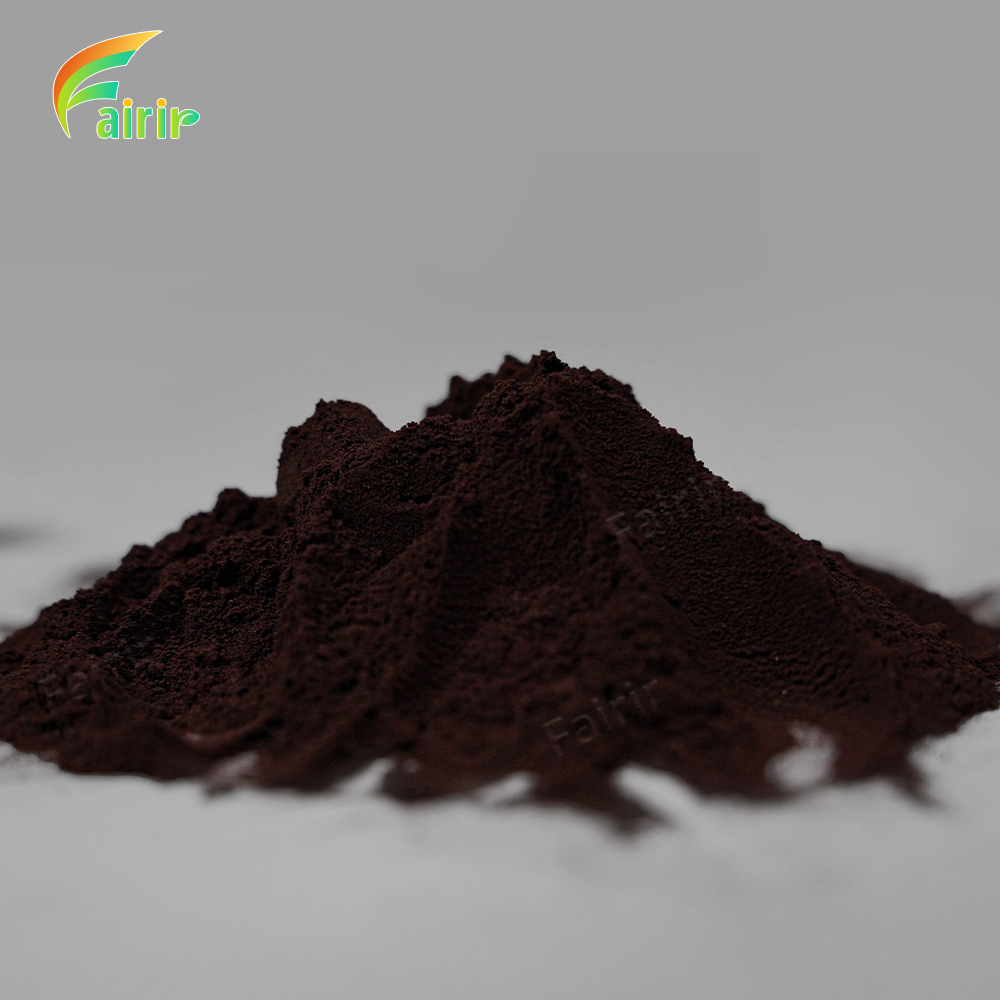
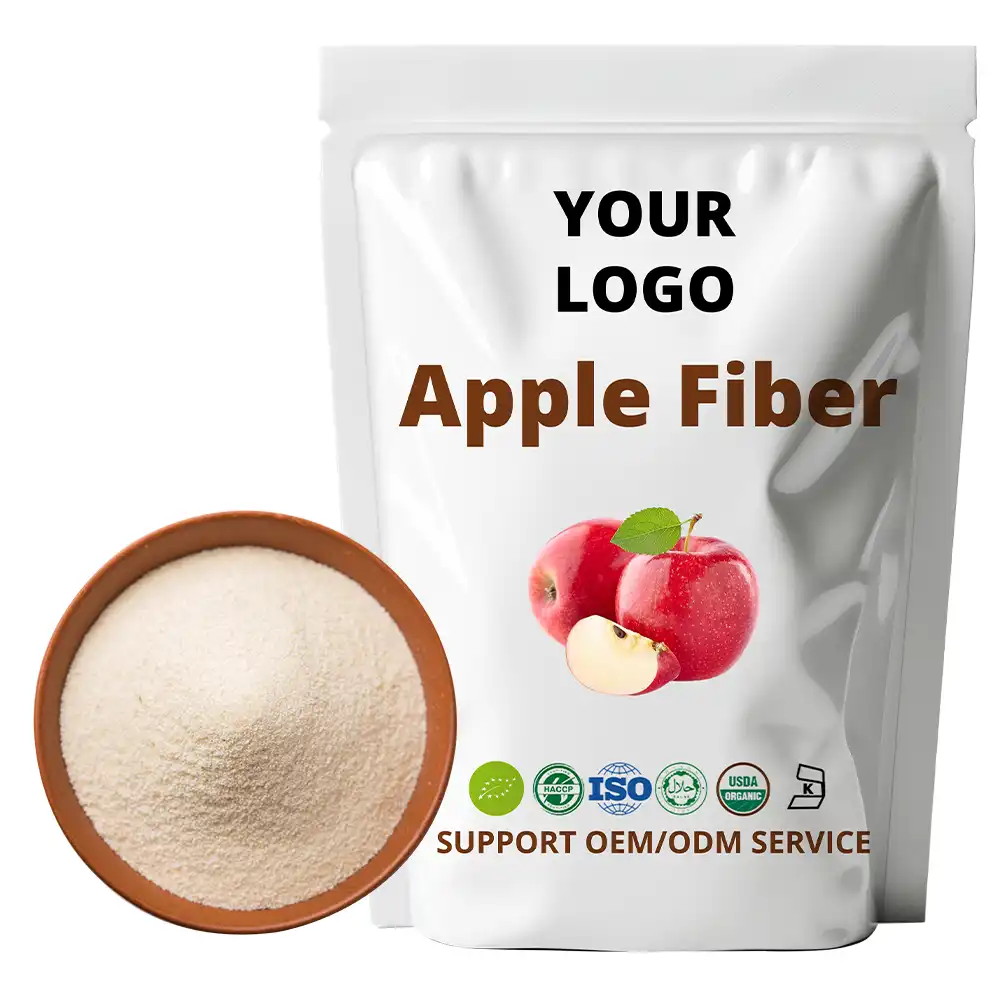
Adding Apple Fiber Powder to functional drinks is a smart move for companies that want to use natural fiber sources that don't affect the health of their customers. This brownish-yellow powder comes from carefully processing apple fruit and is high in nutritional fiber, especially pectin, as well as antioxidants and malic acid. It dissolves easily, doesn't taste bad, and has a lot of health benefits. These qualities make it great for gut-health drinks, protein shakes, and ready-to-drink fitness drinks that are aimed at health-conscious customers who want more natural and clear ingredients.
Understanding Apple Fiber Powder and Its Role in Functional Beverages
What Exactly Is Apple Fiber Powder?
Apple Fiber Powder is a concentrated, dried ingredient that comes from preparing Malus domestica fruit. Industrial-grade natural fiber powder is different from regular plant inputs because it is made using advanced extraction and spray-drying technologies that make a stable, free-flowing powder that is very pure. Its natural origins give it a brownish-yellow color, and its specs range from 60% to 98% fiber concentration, based on the needs of the application. This concentrated form gets rid of the problems that come with fresh apple purees, like reactive spoilage and water activity. Manufacturers save money on shipping costs because the ingredients are up to 90% lighter than fresh ingredients, but the phytonutrient profiles stay the same. The powder has quercetin, chlorogenic acid, and pectin, which are all types of soluble fiber. These other chemicals give the powder useful qualities beyond just being a dietary fiber.
How It Functions in Beverage Formulations
Apple Fiber Powder's technical success in functional drinks depends on three important factors: solubility, viscosity control, and stability enhancement. It gives liquids a smooth mouthfeel without the gritty feel of wheat bran or too much thickening that happens with psyllium husk. Because of this, it can be used for clear or slightly cloudy drinks like enriched waters, cold-pressed juice options, and sports recovery drinks. The range of solubility scores is from 60% to 98%. Higher quality types dissolve more easily in cold water and don't settle as much, so they look good for longer. Pectin is a natural emulsifier that helps other useful ingredients, like proteins, vitamins, or plant products, mix better. This ability to do more than one thing cuts down on the need for fake stabilizers, which backs up claims of clean labels. The temperature stability during pasteurization is still very good, and the structure of the fibers doesn't change much up to 85°C. This processing flexibility lets standard hot-fill or HTST pasteurization methods work without having to change the formulation. Malic acid, naturally present, adds a slight tartness that balances how sweet something tastes, allowing methods for lowering sugar levels without affecting taste acceptance.
Comparing Apple Fiber to Alternative Fiber Sources
Comparing apple-derived fiber to psyllium husk, inulin, or oat beta-glucan, it shows clear benefits for use in drinks. It is very good for keeping your digestive system regular, but psyllium husk makes things too thick at useful doses and makes it hard to work with in liquid forms. Inulin is a great prebiotic, but people who are allergic to it may have stomach pain at amounts above 10 grams. Oat beta-glucan is good for your heart, but it needs to be handled carefully so that drinks don't get slimy. Apple fiber is a good source of Apple Fiber Powder, both soluble and insoluble fiber. It also helps your digestive system by having prebiotic effects and keeps the taste of your drink within acceptable limits. The mild, slightly sweet taste goes well with fruit-based recipes and doesn't have the earthy notes that come from fibers that come from grains. Apple Fiber Powder is also supported by the government. It is generally recognized as safe (GRAS) in the US and allowed by EU food laws. This makes it easier to follow the rules than new fibers that need a lot of pre-market approval. This clarity in regulations shortens the time it takes to bring new drinks to market.
Evaluating Apple Fiber Powder as a Smart Ingredient Choice
Functional Properties That Matter for B2B Buyers
When making purchases, people have to think about several technical factors that have an immediate effect on the quality and speed of production. Dispersibility is affected by the particle size distribution. Powders with D50 values between 80 and 150 microns dissolve quickly without sticking together. A moisture content below 5% keeps microbes from growing and increases the shelf life. This is especially important for bulk storage in wet areas. The water-holding capacity, which is usually between 8 and 12 grams of water per gram of fiber, affects the body and digestive benefits of a beverage. Higher capacity grades make the mouth feel fuller, but the recipe may need to be changed to keep it from being too thick. The bulk density affects the cost of shipping and packing; normal values between 0.3 and 0.5 g/mL allow containers to be used efficiently. Maintaining the look of a drink requires that the color stability stay stable under different pH levels. Apple Fiber Powder is very stable in pH ranges of 3.0 to 4.5, which is about the same as most functional drinks. But mixtures with a pH higher than 5.0 might need an antioxidant added to keep them from turning brown during storage.
Quality Certifications and Compliance Requirements
Certifications are very important for large buyers who are looking for ingredients for controlled markets because they lower their risk. Organic certification (USDA Organic, EU Organic, and EcoCert) meets the growing demand from customers for foods that don't contain pesticides and sets higher prices. For these certificates to be valid, the powder must be able to be tracked from the orchard to the end product. This makes sure that the whole supply chain is clear. Cross-contamination worries for celiac-safe product lines are taken care of by gluten-free certification. Apples don't naturally have gluten, but processing plants that work with a lot of different products must follow strict allergy control rules. Third-party proof through groups like the Gluten-Free Certification Organization makes sure that the risk of poisoning stays below 10 parts per million. Halal and Kosher approvals make it easier for drinks aimed at Middle Eastern and Jewish consumers to get into new markets. These need to have the purity of the ingredients checked and the working tools dedicated or cleaned thoroughly. GMP (Good Manufacturing Practice) approval, especially cGMP compliance, shows that quality management is done in a planned way, which is important for pharmaceutical-grade uses. People who are worried about genetic modification, like the Non-GMO Project Verification, even though market apple types are not genetically modified. This certification needs thorough testing and recording of the supply chain, which helps put a luxury product in the right place.
Organic vs. Conventional Sourcing Considerations
When deciding between organic and conventional farming, you have to weigh cost, supply, and the marketplace. Organic Apple Fiber Powder usually costs 30 to 50 percent more than regular powder because the raw materials are more expensive and there are stricter rules about how it can be made. This extra cost might be worth it for goods aimed at health-conscious people who are willing to pay more for approved organic ingredients. The reliability of the supply chain varies depending on the type of sourcing. Conventional apple fiber has a wider range of suppliers and a steady supply all year long. Seasonal changes in the organic supply can happen based on crop yields and the amount of land used for organic orchards. Having ties with several certified providers lowers the risk of supply disruptions. Clean-label trends are moving toward using more organic ingredients, and a study from the industry shows that 73% of U.S. consumers are actively looking for organic choices. Brands of drinks that want to be in the high-end health market need organic certification to keep their brand's identity and justify charging more at retail.
Procurement Insights for Bulk Buyers and OEMs
Supplier Landscape and Selection Criteria
In the global market for fruit-derived dietary fibers, there are both specialized makers that only use apple waste for their products and manufacturers that use a wide range of plant extracts. There are more than just unit prices that should be carefully thought through when examining possible suppliers. Supply dependability is affected by how much can be made. Suppliers who run multiple extraction lines with a total capacity of more than 500 metric tons per year show that they have the facilities to meet Apple Fiber Powder's rising demand without running out of allocations. When compared to manual processing, automated production lines lower the variation from batch to batch, which is important for keeping useful qualities consistent. The ability to analyze data shows a dedication to quality. If a supplier has HPLC, UV spectrophotometry, and gas chromatography, they can do a full compositional study that includes polyphenol profiles, residue pesticide screening, and fiber separation. Every package should come with a Certificate of Analysis (COA) that confirms the specs match the purchase agreement.

Support for regulatory paperwork makes it easier to import and follow regulations. Suppliers with a lot of experience give complete dossiers that include allergen declarations, GMO status statements, BSE/TSE-free certifications, and regulatory compliance papers that are special to each country. This set of documents speeds up regulatory applications and lowers the risk of not following the rules.
Packaging, MOQ, and Logistics Considerations
Standard packaging forms include 25 kg fiber drums with food-grade poly bags inside that guard against wetness and make the package easy to handle. Vacuum aluminum foil bags are best for smaller amounts or high-end items that need the best barrier protection. For people who buy a lot, bulk packing in 500 kg or 1000 kg intermediate bulk containers (IBCs) cuts down on trash and costs per unit. Different providers have very different MOQs. MOQs that start at 100 kg are flexible enough to handle R&D trials and small-batch production. On the other hand, buyers who commit to buying more than 5,000 kg per year may be able to get better prices. Looking at both MOQ flexibility and price helps get the best cash flow and lowest costs for holding goods. Delivery times affect how work plans are made. Suppliers who say it will take 1-3 working days to process an order from the time it is confirmed to the time it is shipped show that they are efficient. International shipping, on the other hand, usually adds two to four weeks for ocean freight and five to seven days for air freight. This means that inventory needs to be carefully managed to avoid running out. Consistency in lead time is more important than speed. Just-in-time inventory tactics can be used with suppliers whose delivery habits are reliable. This cuts down on the cost of warehousing. When a provider is being qualified, asking for past data on on-time delivery performance helps figure out how reliable they are. Apple Fiber Powder buyers should prioritize consistency over pure speed.
Cost Optimization Strategies for Long-Term Partnerships
When you deal directly with a maker, you don't have to pay markups to distributors. This could cut costs by 15 to 25 percent. Setting up direct contact with production facilities instead of trading middlemen also makes it easier to get technical help and create custom specifications. Pricing tiers based on volume reward loyalty. When you sign an annual supply deal with delivery plans every three or four months, you can often save 8 to 15 percent compared to buying things on the spot. But for these deals to work, accurate demand forecasting is needed to avoid over-commitment fines or minimum purchase commitments that aren't met. Bundling more than one product together is another way to cut costs. Suppliers that offer plant products or useful ingredients that work well together may offer better prices when you buy more from them at once. This method also makes logistics easier by combining packages and using the same quality documents for all of them. Trial costs go down when you get free sample apps. Reliable providers offer free 100–500g evaluation samples so that you can test the formula before committing to larger production amounts. This risk-free trial time is very important for making sure that the product works properly in certain beverage mixtures.
Potential Challenges and Risk Management in Using Apple Fiber Powder
Formulation and Processing Challenges
Even though it has benefits, dietary fiber from apples has some technical issues that need to be managed carefully. Solubility inconsistencies between different batches can affect how clear and smooth a drink is. This variation is usually caused by changes in the raw materials—pectin methylation and fiber architecture are affected by the time of year when they are harvested. Putting in place standards for seller qualification helps solve this problem. By asking for samples from more than one batch during the initial review, patterns of regularity can be found. Clear quality standards are set when buy agreements include narrow tolerance ranges, like viscosity variations of no more than 10% between batches. Sedimentation occurs when fiber bits are bigger than the colloidal solution size, settling to the bottom of finished drinks. This usually happens with low-viscosity drinks that don't have many stabilizers. Some ways to reduce the problem are to mill the particles even smaller, mix them more gently, or mix them with hydrocolloids like xanthan gum or guar gum in small amounts (0.05 to 0.15%). Enzymatic browning can ruin the look of a drink during processing or storage. Apple Fiber Powder already has polyphenol oxidase enzymes in it, which help oxidation happen when it comes in contact with air. This activity should be lost during the powder production process because of thermal deactivation, but sometimes enzymes are still present. Post-production browning can be avoided by checking enzyme activity levels below 5 units per gram.
Regulatory Compliance and Labeling Requirements
In all markets, accurate chemical lists are still required. In the US, Apple Fiber Powder is often listed as "apple fiber" or "dried apple pomace" on ingredient lists, based on how it was made. According to EU rules, similar statements must be made, and claims about organic products must include an approval code. Nutritional labels must correctly show how much fiber a food contains. There are 2-4 grams of dietary fiber in a standard serving amount (3–5 grams for a drink), which supports "good source of fiber" claims in the U.S. (2.5g minimum) or "source of fiber" claims in the EU (3g minimum). Label mistakes can't happen if the fiber amount is confirmed through analytical tests using official AOAC methods. Pay close attention to allergen statements. Even though apples don't contain many allergens, it's important to let people know if they come into contact with tree nuts or other allergens while being processed. Suppliers who work with more than one item must prove their cleaning methods and give proof of allergen control. Sometimes, extra standards are put in place by country-specific laws. Proposition 65 in California says that warning signs must be put on things if they have too much lead or other heavy metals. Compliance problems can be avoided by asking for heavy metal tests (lead, cadmium, arsenic, and mercury) with limits below the amounts needed for regulatory action.
Managing Supplier Risk and Quality Variability
Supply chain vulnerabilities are caused by relying on a single source. Having ties with at least two qualified suppliers ensures continuity if the main suppliers have problems with production, natural events that damage apple crops, or regulatory issues. Regularly auditing suppliers makes sure that quality standards are still being met. Controls for manufacturing, testing procedures, hygiene standards, and methods for tracking products should all be looked at in these checks. A lot of buyers schedule these audits during trips to suppliers or hire third-party auditing services to make sure everything is correct. Quality assurance is provided by batch holding methods. Keeping sealed samples of each batch received for the product's shelf life plus six months, allows testing to be done on older batches if quality problems show up in Apple Fiber Powder after they were made. This technique also makes it easier to find the root cause of a problem and hold suppliers accountable.
Future Trends and Strategic Opportunities in Functional Beverages with Apple Fiber Powder
Emerging Applications and Product Innovation
The world of functional drinks is changing quickly, which opens up new possibilities for fiber-fortified recipes. Prebiotic beverages that combine Apple Fiber Powder with live probiotics address gut microbiome health, one of the fastest-growing wellness segments. The pectin part gives good bacteria a way to grow, which helps the probiotics stay alive and work better. Fortified waters have a huge market potential. Fiber-enhanced waters are a good choice for people who want to drink something healthy instead of sugary sodas. They are between normal water and full-nutrition drinks. Apple fiber is great for this job because it doesn't change the taste much and keeps the clarity very well. Sports nutrition and recovery drinks help you feel full and keep your blood sugar stable, and more and more contain functional fibers. Drinks that contain protein, electrolytes, and apple fiber after a workout help with healing in many ways and can also help with weight control. Fiber slows down the uptake of carbs, which keeps insulin levels from rising after activity. Ready-to-drink plant-based protein beverages face texture challenges from the gritty nature of pea or soy protein. Apple fiber makes the texture smoother in the mouth and adds probiotic benefits that go well with plant-based placement. This synergy takes into account several buyer goals in a single formulation approach.
Sustainability and Supply Chain Transparency
Environmental awareness is just as important as useful performance when it comes to buying things. Using apple pomace, which is a waste product from making juice and cider, to make Apple Fiber Powder is an example of the cycle economy in action. This upcycling cuts down on food waste and makes items with more value, which is appealing to brands that care about the environment. Traceability tools that allow for farm-to-formula tracking make brand stories stronger. Blockchain-based supply lines let customers read QR codes to check that the food is organic and to see where the orchards are located and how it was processed. This level of openness builds trust and sets high-end goods apart in busy markets. Efforts to lower carbon emissions prefer products that come from nearby. When North American beverage companies buy apple fiber from domestic suppliers instead of foreign ones, they lower the amount of pollution that comes from shipping. This localization cuts down on wait times and makes operations easier as well. Sustainable packing choices keep getting better. Some sellers now offer inner bags that can be composted and outer containers that can be recycled, which cuts down on trash from packing. For buyers who buy in bulk, shipping in reused intermediate bulk containers gets rid of the need for single-use packing.
Market Growth Projections and Strategic Positioning
According to research, the global functional beverage market will grow at a rate of 8.5% per year until 2030. Segments that add fiber will grow faster than the total market. People are becoming more aware of the benefits of fiber for gut health and the fact that most people in the U.S. only eat 16g of fiber every day, even though the suggested amount is 25–38g. This creates a huge market potential. Fiber health claims are stronger when they are backed up by regulations. Scientific evidence supports FDA-approved claims that eating fiber can lower the chance of heart disease and make going to the bathroom easier. Similar accepted statements can be found in EU health claims databases, which makes evidence-based marketing easier. According to demographic trends, people like functional drinks that are good for their gut health. As populations age, digestive problems become more common, which increases the need for gentle, natural fiber sources. At the same time, younger customers put preventive health first, which is driving growth across all age groups. Apple Fiber Powder is positioned to capture this multi-generational demand.
Conclusion
Functional beverage makers looking for clean-label fiber sources with proven health benefits and great processing properties should consider Apple Fiber Powder as an addition. Its bland taste, mix of soluble and insoluble fibers, and natural origin make it great for today's consumers who want products that are honest and good for them. To make implementation work, you need to carefully choose your suppliers, follow strict quality standards, and pay close attention to the preparation details, especially when it comes to how well it dissolves and stays stable. This ingredient is likely to keep growing because there is a growing market for gut-healthy drinks, good legal systems, and environmental benefits. Strategic sellers who build trusting relationships with suppliers and learn how to make great products can take advantage of high customer demand while setting their products apart in beverage markets that are becoming more and more competitive.
FAQ
1. Is Apple Fiber Powder gluten-free and safe for celiac consumers?
Apple Fiber Powder is naturally gluten-free because apples don't have any gluten proteins in them. Cross-contamination can happen during production, though, if facilities handle wheat or other products that contain gluten. To make sure that a supplier's products are safe for celiacs, always make sure that they have third-party gluten-free approval and testing that shows the products have less than 10 parts per million of gluten. With this approval, you can be sure that contamination won't happen because of faulty tools or cleaning methods.
2. How does apple fiber compare to psyllium husk for beverage applications?
When it comes to beverages, apple fiber works better than psyllium husk. Although psyllium is great for adding bulk, it makes things too thick and gel-like, which isn't good for most drinks. Apple fiber keeps liquids from solidifying and provides similar stomach benefits. The taste profile stays the same, but psyllium can add woody notes. While both types of fiber have prebiotic benefits, apple fiber works better in fruit-based and clear drinks.
3. What dosage delivers optimal digestive health benefits?
According to clinical studies, eating 3 to 5 grams of apple fiber per meal can help your digestive health in important ways, such as by making you more regular and having prebiotic effects. This amount gives you 2 to 4 grams of dietary fiber, which is the recommended daily amount without causing stomach problems that can happen with high fiber intake. Adding 5 to 7 grams per dose may help with weight loss by making you feel fuller. Introducing foods slowly helps people get used to them, especially those who aren't used to eating a lot of fiber.
Partner with Fairir for Premium Apple Fiber Powder Solutions
Our 10,000-square-meter GMP-certified plant makes pharmaceutical-grade Apple Fiber Powder that Shaanxi Fairir Biotech Co., Ltd. is ready to help you with your functional beverage idea. Our two fully automatic production lines have an extraction rate of 98%, which means that the specs stay the same at either 60% or 98% purity levels. As an experienced company that makes Apple Fiber Powder, we offer full scientific evidence using HPLC and UV spectrophotometry. Our products are also backed by a number of certifications, such as USDA Organic, Kosher, Halal, and FSSC22000. Free samples let you try formulations without any risk, and flexible MOQs can be used for both small amounts and large-scale production. Our expert team can help with formulation, provide private labeling services, and send orders within one to three days. Contact our team at sales@fairirbiotech.com to talk about your particular needs and find out how our low direct-manufacturer prices and quick service can help you improve your supply chain while keeping the high quality your goods need.
References
1. Anderson, J.W. et al. (2009). "Health Benefits of Dietary Fiber in Functional Foods." Nutrition Reviews, 67(4), 188-205.
2. Slavin, J.L. (2013). "Fiber and Prebiotics: Mechanisms and Health Benefits in Functional Beverage Applications." Nutrients, 5(4), 1417-1435.
3. Dhingra, D., Michael, M., Rajput, H., & Patil, R.T. (2012). "Dietary Fiber in Foods: A Review of Soluble and Insoluble Fiber Applications." Journal of Food Science and Technology, 49(3), 255-266.
4. Gómez, B., Gullón, B., Yáñez, R., Schols, H., & Alonso, J.L. (2016). "Prebiotic Potential of Pectins and Pectic Oligosaccharides Derived from Apple Pomace." LWT - Food Science and Technology, 65, 1099-1104.
5. Mudgil, D. & Barak, S. (2013). "Composition, Properties and Health Benefits of Indigestible Carbohydrate Polymers as Dietary Fiber." International Journal of Biological Macromolecules, 61, 1-6.
6. Zhao, X., Zhu, H., Zhang, B., Chen, J., Ao, Q., & Wang, X. (2015). "XRD, SEM, and XPS Analysis of Soybean Protein Powders Obtained Through Extraction Involving Reverse Micelles." Journal of the American Oil Chemists' Society, 92(7), 975-983.