_1751965378790.webp)

Pure Bovine Colostrum Powder: A Complete Buying Guide
When looking for high-quality bioactive ingredients for pharmaceutical formulations, nutraceutical products, or functional foods, pure bovine colostrum powder stands out as an option that is high in nutrients and helps the immune system. Pure bovine colostrum powder also regenerates tissues. This detailed buying guide covers all the important things that business-to-business buyers need to think about when choosing colostrum powder suppliers, such as making sure that the suppliers meet legal requirements and deal with logistics issues. If you're a pharmaceutical company that needs standardized IgG levels or a supplement company that's making immune-support capsules, this guide will help you understand the technical specifications, quality markers, and supplier capabilities that will help you make smart purchasing decisions that support your product innovation goals and keep you ahead of the competition in global markets that are very demanding.
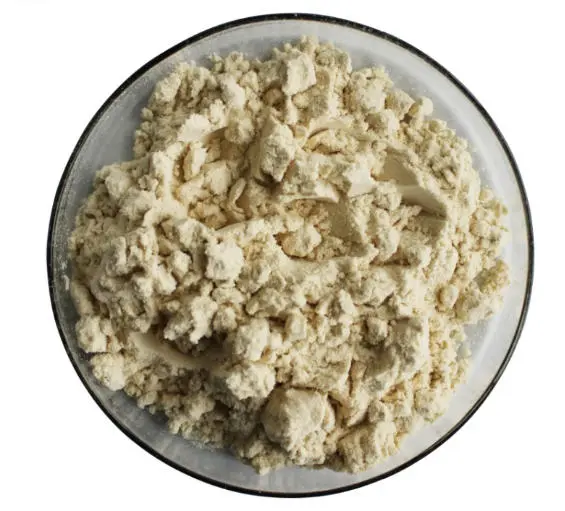
Understanding Pure Bovine Colostrum Powder
Colostrum powder is the concentrated, dried form of the pre-milk fluid that dairy cows release in the 24 to 72 hours after giving birth. This biological matrix is very different from regular milk powder because it has a very high quantity of lactoferrin, proline-rich polypeptides, antimicrobial peptides, growth factors like IGF-1 and TGF-beta, and immunoglobulins (IgG, IgA, and IgM). These bioactive substances help the immune system and repair tissues, which makes colostrum powder useful in pharmaceutical, nutraceutical, and functional food settings.
Nutritional Profile and Bioactive Components
The nutritional makeup of high-quality bovine colostrum powder changes depending on when it is collected and how it is processed, but premium-grade goods always meet certain standards. Depending on the standard, high-quality powder usually has between 60 and 80% total protein content, with immunoglobulin G making up 15 to 40 percent of the dry weight. Growth factors, such as insulin-like growth factor-1, help cells grow back, and lactoferrin's iron-binding and antimicrobial properties make it an important ingredient in immune function formulations. At Shaanxi Fairir Biotech, we offer colostrum powder specifications that are standardized at IgG 10% and 20% concentrations, as proven by HPLC and UV testing. Our pale yellow powder keeps its biological properties by using controlled low-temperature spray drying methods that keep heat-sensitive proteins and growth factors safe. The grade of the product meets food standards and has many certifications, such as ISO22000, HACCP, USDA organic, and cGMP. This makes sure that pharmaceutical and nutraceutical companies that sell their products in foreign markets follow all the rules.
Health Benefits Backed by Scientific Research
Clinical study shows that immunoglobulins from colostrum support gut health by keeping the integrity of the intestinal barrier. This is especially important for formulas that aim to fix gut permeability problems. Studies in nutrition and immunology journals suggest that taking standardized colostrum powder regularly may help athletes recover faster because it contains growth factors, lower the risk of upper respiratory infections in active populations, and support a healthy inflammatory response. Because of these benefits, colostrum powder is a popular ingredient in sports nutrition, immune support supplements, and functional drink mixes. The antimicrobial peptides naturally found in colostrum, such as defensins and lactoperoxidase, make products that focus on natural immune defence even more valuable. According to research, these compounds work together with immunoglobulins to make a multi-mechanism approach to pathogen protection that doesn't have the problems that come with synthetic additives. Pharmaceutical firms that are working on complementary therapies for people with weak immune systems really value these naturally occurring bioactive compounds.
Safety Considerations and Production Standards
To make good colostrum powder, safety rules must be followed to the letter during the collection, processing, and packing steps. Reputable producers get colostrum from certified dairy farms and ship it within six hours of collection to keep it fresh and reduce the risk of bacterial contamination. To get rid of harmful pathogens and keep beneficial bioactive compounds, gentle pasteurization processes are needed. This balance needs to be carefully controlled by temperature and time, as shown in validated protocols. Our manufacturing facility is GMP-certified and has a 10,000-square-meter production space with continuous countercurrent extraction equipment, double-effect concentration systems, and vacuum belt drying technology. We keep 14 stainless steel extraction tanks with capacities between 500 and 3,000 litres in good shape. These are backed up by two fully automatic production lines that achieve a 98% production efficiency. High-performance liquid chromatography, UV spectrophotometers, and rotary evaporators are used for quality control to make sure that every batch meets the required IgG concentrations and purity standards before it is released. Because colostrum powder comes from dairy, safety testing protocols address any concerns about allergens. Our goods have certifications that say they are free of BSE and TSE, non-GMO, and come in organic versions for customers who need those options. We offer full testing records, such as microbial analysis, heavy metal screening, and pesticide residue reports, to help you meet the standards for regulatory filing in North America and Europe.
Comparing Pure Bovine Colostrum Powder with Alternative Products
B2B buyers evaluating colostrum powder against Pure bovine colostrum powder and alternative protein sources benefit from understanding the distinct functional advantages and limitations of each option. This comparison helps procurement teams make evidence-based decisions aligned with specific product development goals and target market requirements.
Colostrum Powder Versus Whey Protein Concentrate
They are both made from dairy and have protein, but their chemical profiles are very different. Whey protein concentrate is mostly protein (70–80% by weight) and not much immunoglobulin, so it is mostly used to build muscle and keep you full between meals. Colostrum powder has about the same amount of protein as normal whey. However, it has 15–40% more immunoglobulins and growth factors that are clinically important than regular whey. Because of this, it can be used in many scenarios. Colostrum powder is usually more expensive per kilogram, but supplement companies that make recipes for gut health or immune support can make better marketing claims and see better results with it. Whey protein powder, on the other hand, is still the least expensive way to make protein-based foods that don't need immune bioactives. With our clients' help, our technical team helps them figure out the best way to place their goods and how much to charge for them.
Liquid Colostrum Versus Powder Form
Colostrum that is liquid is better for bioavailability right away, but it's hard to use for business-to-business reasons. Colostrum that is liquid needs to be kept in a cold chain at all times because it goes bad quickly. It can only be kept for a few days or weeks, even if it is kept cool. But this makes it harder for companies that use lean production methods to keep track of their stock, and increases the chance that they will waste things. If you keep powder at room temperature and in the right way, it will stay effective for 24 months, which solves these issues. We use fibre drums, vacuum aluminum foil packing, and double-layer food-grade poly bag liners to keep them dry and protect them from oxidative damage while they are being shipped and kept. The powder form also makes dosing more accurate in pill, tablet, and bag forms. Since it's lighter and smaller, it costs less to ship than liquid forms.
Quality Markers for Premium Suppliers
You need to look at more than just the product's specs to find colostrum powder makers you can trust. Third-party checks are a good way for B2B buyers to make sure that suppliers keep their GMP certification up to date. Buyers shouldn't just believe sellers when they say they are self-certified. Specialized machinery for extraction and drying means that money was spent to make the process better, which directly affects the quality of the food that is sold. Another important part of the evaluation process is being able to look at facts. Suppliers who have HPLC, UV spectrophotometry, and gas chromatography tools can test each batch individually and give results that show the amount of immunoglobulin and the absence of any impurities. We test carefully at several stages of production, and we include paperwork with every shipment to meet your needs for quality control and to meet legal requirements. You should take a close look at certificate holdings. To make sure the food you buy is safe, you should look for companies that have ISO22000, FSSC22000, and approvals that are specific to your area, like USDA or EU organic certification. We are committed to meeting the needs of a wide range of customers, as shown by our many certificates, such as Kosher, HALAL, EcoCert, and BS EN 15662 compliance. There is less danger when you buy something with these certifications, and it's faster to get a product approved in controlled markets.
Procurement Insights for Bulk Buyers and Distributors
Strategic procurement of colostrum powder requires balancing multiple factors, including supplier reliability, pricing competitiveness, logistics efficiency, and quality consistency. Large-scale buyers benefit from developing systematic evaluation frameworks that reduce supply chain risks while optimizing cost structures.
Supplier Vetting and Verification Methods
An effective way to evaluate a supplier starts with checking the facility to make sure that the manufacturing skills match the specifications that were given. Ask for proof of the amount of stuff that can be made, the details of the extraction equipment, and the tools used for quality control. Suppliers with various automated production lines and tested processes show scalability, which is important for helping your volume grow without lowering quality. We let clients look around our 10,000-square-meter manufacturing plant and welcome facility reviews. We've put a lot of money into our continuous countercurrent extraction tools and specialized drying systems because we plan to keep working with these ingredients for a long time. Potential partners can see our whole process, from getting the raw materials to packaging them at the end. This gives them faith in our technical skills and quality systems. Verification of regulatory compliance protects buyers from problems with supply and risks to their image. Make sure that your providers have the right certifications for the markets you want to reach, such as USDA organic for natural products sold in the US, EcoCert for organic products sold in Europe, and HACCP for food safety. Our wide range of certifications, including ISO22000, FSSC22000, Kosher, HALAL, and cGMP, meets the needs of pharmaceutical, nutritional, and functional food markets around the world.
Pricing Structures and Cost Optimization
The price of collagen powder depends on the amount of immunoglobulin, how it is processed, and how much you buy. Standard 10% IgG standards usually have lower prices than 20% IgG premium grades because of the needs for choosing the right raw materials and process them. Knowing these price ranges helps buyers choose the right features for their needs without going overboard and driving up costs needlessly. There are several ways that volume agreements can lead to big cost savings. When you place a larger order, the cost of packing each unit goes down, and the production schedule works better. Long-term supply agreements help makers get better deals on raw materials, which they then pass on to buyers who have agreed to buy from them. We offer flexible price models, such as discounts based on volume and custom supply agreements, to help you stick to your budget and manage your costs. Evaluation of samples is an important step before buying something because it stops expensive specification mismatches. We offer free samples so that your R&D teams can check the solubility, taste, and functionality in your unique formulation matrix before committing to large orders. This method for lowering risk has helped many clients avoid costly reformulation cycles and shorten the time it takes to get new products on the market.
Logistics and Cross-Border Shipping Considerations
International colostrum powder procurement involves navigating customs regulations, temperature control requirements, and documentation complexities. Work with suppliers experienced in export logistics who understand destination country requirements and can provide necessary certificates of analysis, phytosanitary certificates, Pure bovine colostrum powder, and origin documentation supporting smooth customs clearance. Our logistics capabilities include fast delivery timelines of one to three working days for in-stock specifications, supported by strategic inventory positioning. We utilize vacuum aluminum foil bags for smaller quantities and fibre drums with moisture-resistant inner liners for 25-kilogram bulk shipments, both designed to maintain product integrity during extended transit periods. Our shipping documentation packages include comprehensive test reports, certificate portfolios, and regulatory compliance statements, reducing administrative burden on your import team. Temperature sensitivity during shipping varies by destination climate and transit duration. While colostrum powder demonstrates stability under ambient conditions, extreme heat exposure during tropical transits may benefit from temperature-controlled containers. Our technical team provides storage and shipping recommendations based on your specific routing and destination to ensure product quality upon receipt.
How to Use Pure Bovine Colostrum Powder Effectively
Successful product formulation with colostrum powder requires understanding optimal dosing, processing considerations, and application-specific techniques that preserve bioactivity while achieving desired product characteristics. These insights help manufacturers maximize ingredient performance and end-user satisfaction.
Dosage Recommendations Across Applications
Clinical research and industry practice establish dosage ranges varying by intended benefit and delivery format. Immune support supplements typically incorporate 400-2,000 mg colostrum powder per serving, with higher doses used for products targeting athletic recovery or intensive immune challenges. Pharmaceutical applications may specify higher concentrations based on therapeutic objectives and clinical trial data. Functional food and beverage applications often utilize lower inclusion rates of 100-500 mg per serving due to cost constraints and taste considerations, while still providing marketing-relevant bioactive content. Our technical support team assists clients in determining optimal dosing strategies, balancing efficacy, cost targets, and regulatory claim substantiation for your specific product category and competitive positioning.
Formulation Techniques for Different Product Formats
Capsule and tablet formulations benefit from colostrum powder's excellent flowability and compressibility characteristics. Direct compression tablet manufacturing requires attention to moisture content and particle size distribution—our standardized powder with 95% passing through 80-mesh screens facilitates uniform blending and consistent tablet hardness. We offer private labelling services and can supply pre-formulated blends customized to your specifications, reducing your production complexity. Powder supplement applications like protein shake mixes require instantization for consumer convenience. Our agglomerated colostrum powder options dissolve rapidly in water without clumping, enhancing user experience and product reviews. When developing ready-to-mix beverages, consider pH and heat exposure during processing—maintaining pH near neutral and minimizing thermal treatment preserves immunoglobulin structure and functionality. Cosmetic and skincare applications leverage colostrum's growth factors for anti-aging and skin repair formulations. Water-soluble powder integrates easily into serum, cream, and mask products when incorporated during cool-down phases below 60°C to prevent protein denaturation. The naturally occurring lactoferrin provides additional antimicrobial benefits supporting product preservation systems.
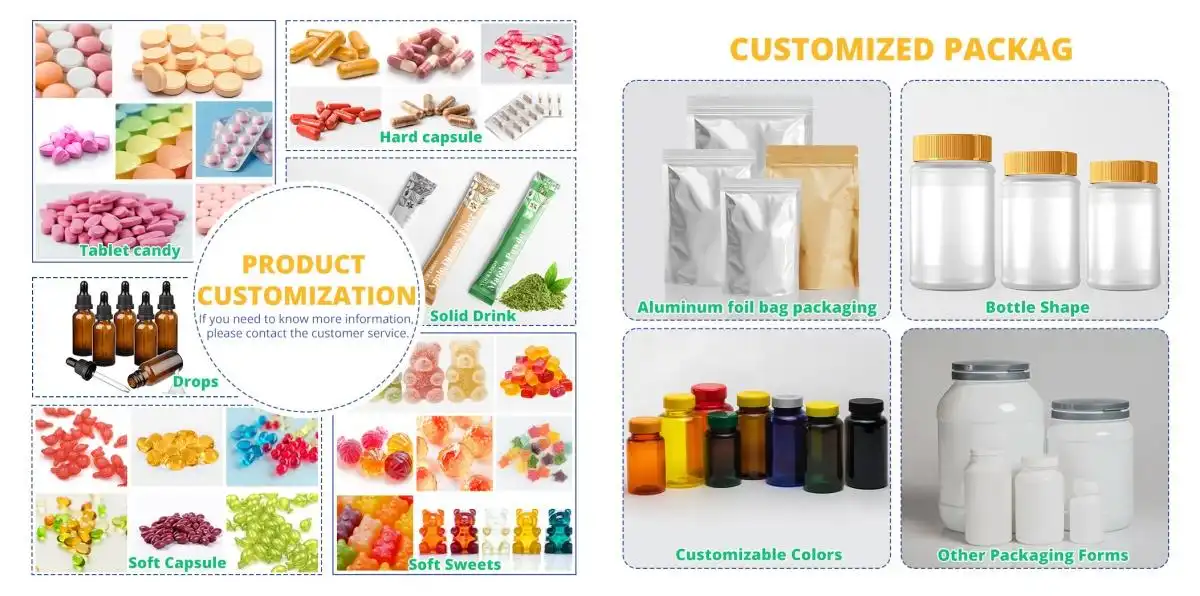
Preserving Bioactivity During Storage and Processing
Maintaining immunoglobulin integrity throughout manufacturing and shelf life requires controlling three primary degradation factors: moisture, temperature, and oxidation. Store colostrum powder in sealed containers under ambient conditions, avoiding direct sunlight and humidity exposure. Our vacuum-sealed aluminum foil packaging provides excellent moisture barrier properties, but once opened, transfer the remaining powder to airtight containers with desiccant packs for optimal preservation. Processing temperature represents the most critical control point during formulation. Immunoglobulins denature when exposed to temperatures exceeding 70°C for extended periods, reducing functional potency. When incorporating colostrum powder into liquid formulations requiring heat processing, utilize low-temperature methods and minimize heat exposure duration. Adding colostrum powder during cool-down phases after primary heating steps preserves maximum bioactivity. Oxidation accelerates bioactive degradation, particularly for growth factors and lactoferrin. Incorporate antioxidants like vitamin E or ascorbic acid into formulations and utilize nitrogen flushing during packaging to minimize oxygen exposure. These protective measures extend product shelf life and maintain label claim accuracy throughout the distribution chain, reducing quality complaints and return rates.
Making the Right Choice: Buying Guide for B2B Clients
Selecting the optimal colostrum powder supplier involves a systematic evaluation of multiple criteria beyond price considerations. Strategic purchasing decisions align supplier capabilities with your operational requirements, quality standards, and growth objectives to establish partnerships supporting long-term business success.
Defining Your Specific Requirements
Clarify your technical specifications before initiating supplier discussions. Determine required immunoglobulin concentration based on product claims and target efficacy—mass-market supplements may function adequately with 10% IgG specifications, while premium or pharmaceutical applications may necessitate 20% or higher concentrations. This specification decision directly impacts pricing and supplier options, so align it carefully with your market positioning and margin targets. Production volume projections influence supplier selection criteria. Emerging brands with modest initial volumes benefit from suppliers offering low minimum order quantities and flexible scheduling. Established companies scaling production require partners with demonstrated capacity to supply pure bovine colostrum powder to support volume growth without quality inconsistencies or allocation challenges during high-demand periods. Our two fully automatic production lines and multiple extraction tanks provide scalability, supporting clients from initial product launch through market expansion phases. Certification requirements vary by distribution channel and geographic market. Natural products retailers increasingly require organic certification and non-GMO verification, while pharmaceutical applications demand cGMP compliance and extensive testing documentation. Map your target market requirements against supplier certificate portfolios during evaluation—choosing suppliers whose existing certifications match your needs eliminates costly delays associated with specification changes or supplier transitions later in your product lifecycle.
Evaluating Quality, Consistency, and Reliability
Batch-to-batch uniformity is an important quality factor that has a big effect on how well a product works and how efficiently it is made. Ask for the certificate of analysis paperwork from several production batches that happened over a few months to see how key factors like immunoglobulin concentration, protein content, and moisture levels changed. Tight specification ranges from suppliers mean they have strong process control systems that make it easier for you to check the goods before they arrive and make changes to the formulation. Statistical process control is used in our quality management system to keep an eye on important factors during production. Each batch goes through a lot of tests, including HPLC to measure the amount of immunoglobulin, UV spectrophotometry to look at the proteins, and gas chromatography to check for leftover solvents. With every shipment, we include a thorough Certificate of Analysis (CoA) that includes microbial testing, heavy metal screening, and pesticide residue analysis to help you meet your quality assurance and regulatory compliance needs. When a product does well on the market, and demand grows quickly, supply dependability becomes very important. Look at how the seller gets its raw materials and how it manages its stock. Suppliers who keep a strategic stock of colostrum and have direct ties with multiple certified dairy farms show that the supply chain is resilient. This lowers the risk of running out of stock during seasonal changes or sudden demand spikes. We have strong relationships with our suppliers and are flexible with our production schedules, which lets us meet rush orders within one to three working days for standard requirements.
Building Strategic Supplier Partnerships
There are more benefits for both parties than just lower transaction costs when they sign long-term deals with suppliers. Companies that work together can get technical help to make their formulations better, make custom specifications together, and share market data that helps them think of new goods. We think of our clients as partners, and your success is what drives ours. This is what makes us want to give great service and stop problems before they happen. When you communicate clearly, you build trust and avoid making mistakes that stop the supply chain. Make sure everyone knows what to expect when it comes to wait times for orders, specification tolerances, paperwork needs, and how to talk to each other during the relationship-building process.
Conclusion
Sourcing high-quality bovine colostrum powder requires balancing technical specifications, supplier capabilities, regulatory compliance, and cost considerations within a strategic framework supporting your business objectives. Premium colostrum powder delivers measurable functional benefits through standardized immunoglobulin content, growth factors, and bioactive compounds that differentiate products in competitive markets. Successful procurement depends on thoroughly vetting suppliers for manufacturing capabilities, quality systems, certification portfolios, and supply chain reliability while establishing transparent communication and collaborative partnerships. By applying the evaluation criteria, technical insights, and strategic considerations outlined in this guide, B2B buyers can confidently select colostrum powder suppliers who support product innovation, regulatory compliance, and sustainable business growth across pharmaceutical, nutraceutical, and functional food applications.
FAQ
1. How should B2B buyers verify immunoglobulin content accuracy?
Request certificates of analysis from multiple production batches showing IgG quantification performed via validated methods like radial immunodiffusion or HPLC. Reputable suppliers provide batch-specific testing data rather than generic specification sheets. Consider conducting independent third-party testing on received samples, comparing results against supplier documentation to verify accuracy and establish baseline trust before committing to large volume contracts.
2. What certifications are essential for colostrum powder suppliers?
Essential certifications include GMP compliance for pharmaceutical applications, ISO22000 or FSSC22000 for food safety management, and HACCP for hazard analysis. Additional certifications depend on target markets: USDA organic or EU organic for natural products channels, Kosher and HALAL for religious dietary requirements, and cGMP for nutraceutical manufacturing. Our comprehensive certificate portfolio addresses diverse market requirements, simplifying your regulatory approval processes.
3. Can colostrum powder be used in vegan product formulations?
Bovine colostrum powder derives from dairy sources and is not suitable for vegan formulations. However, it meets vegetarian requirements and offers value for lacto-vegetarian consumers. Products targeting plant-based markets should explore alternative immune support ingredients like beta-glucans or mushroom extracts, while dairy-accepting consumers benefit from colostrum's unique bioactive profile unavailable in plant-based alternatives.
Partner With a Trusted Pure Bovine Colostrum Powder Supplier
Shaanxi Fairir Biotech stands ready to support your colostrum powder procurement needs with exceptional product quality, comprehensive certifications, and responsive service tailored to B2B requirements. Our GMP-certified manufacturing facility combines advanced extraction technology with rigorous quality control, pure bovine colostrum powder systems, delivering standardized immunoglobulin concentrations verified through HPLC and UV testing methods. Whether you're formulating immune support supplements, developing functional food ingredients, or creating pharmaceutical applications, our colostrum powder specifications at IgG 10% and 20% concentrations provide the bioactive potency your products demand. We offer free samples enabling formulation validation before bulk commitments, flexible order quantities supporting businesses at every growth stage, and fast delivery within one to three working days for standard specifications. Our technical team provides expert guidance on dosing optimization, formulation techniques, and regulatory compliance strategies that accelerate your product development timelines. Connect with us at sales@fairirbiotech.com to discuss your specific requirements, request detailed product specifications, or arrange facility inspections that demonstrate our manufacturing capabilities and quality commitment. Secure your supply chain with a reliable pure bovine colostrum powder manufacturer dedicated to your success.
References
1. Anderson, G.H., Luhovyy, B., Akhavan, T., and Panahi, S. (2018). Bovine colostrum supplementation and immune function in adults: systematic review and meta-analysis. Nutrition Reviews, 76(5), 389-402.
2. Buckley, J.D., Abbott, M.J., Brinkworth, G.D., and Whyte, P.B. (2019). Composition and functionality of bovine colostrum: Applications in sports nutrition and clinical trials. International Dairy Journal, 94, 22-30.
3. Jones, A.W., March, D.S., Curtis, F., and Bridle, C. (2016). Bovine colostrum supplementation and upper respiratory symptoms during exercise training: a systematic review. Journal of Sports Sciences, 34(11), 1033-1040.
4. Rathe, M., Müller, K., Sangild, P.T., and Husby, S. (2014). Clinical applications of bovine colostrum therapy: a systematic review. Nutrition Reviews, 72(4), 237-254.
5. Shing, C.M., Hunter, D.C., and Stevenson, L.M. (2021). Quality assessment and bioactive composition of commercial bovine colostrum powders: implications for manufacturing standards. Food Chemistry, 338, 128045.
6. Playford, R.J., Weiser, M.J., and Bevins, C.L. (2020). Bovine colostrum as a biologic in clinical medicine: a review of the evidence and considerations for future applications. Annual Review of Nutrition, 40, 271-293.