

Astaxanthin Powder for Night Vision: Is There Clinical Proof?
Clinical studies show that Astaxanthin Powder improves night vision and the ability to see in low light. Several studies with experts' approval have shown that this strong carotene, which comes from microalgae, lowers oxidative stress in retinal cells, improves contrast sensitivity, and speeds up adaptation to dark conditions. Astaxanthin is thought to help with night vision because it can pass through the blood-retina barrier and protect photoreceptor cells from damage caused by free radicals. For companies that make medicines and supplements that are looking at ingredients for eye health products, the clinical data makes a strong case.
Understanding Astaxanthin Powder and Its Antioxidant Properties
What Makes This Carotenoid Different
Because of the way its molecules are structured, Natural Astaxanthin Powder is different from other antioxidants. This keto-carotenoid is mostly found in Haematococcus pluvialis microalgae. It has hydroxyl and keto groups, as well as conjugated double bonds, which allow it to cross whole cell membrane bilayers. Astaxanthin's structural edge lets it protect against oxidative stress that hurts eye health in a wide range of ways.
When looking at Astaxanthin Powder specs, people who buy things should know the main differences between natural and fake versions. The stereoisomer configuration of natural astaxanthin is mostly (3S, 3'S), while synthetic versions have a 1:2:1 ratio of (3S,3'S), (3S,3'R), and (3R,3'R) forms. This difference has an effect on both how well it works and how well it is accepted by regulators in different markets.
How Antioxidant Activity Protects Eye Health
The retina has one of the fastest metabolic rates in the body, which causes a lot of oxidative stress. Photoreceptor cells are constantly being damaged by light and the breakdown of cells. Astaxanthin solves this problem by getting rid of reactive oxygen species (ROS) before they damage cell function.
Peer-reviewed ophthalmology journals have confirmed that astaxanthin can cross the blood-retina barrier. This is something that many other antioxidants can't do. Once it's in the retinal tissue, it keeps the rod and cone cells that make colour and night vision possible safe. The process includes directly removing free radicals and stabilising the membrane, which keeps cells whole when they are exposed to oxidative stress.
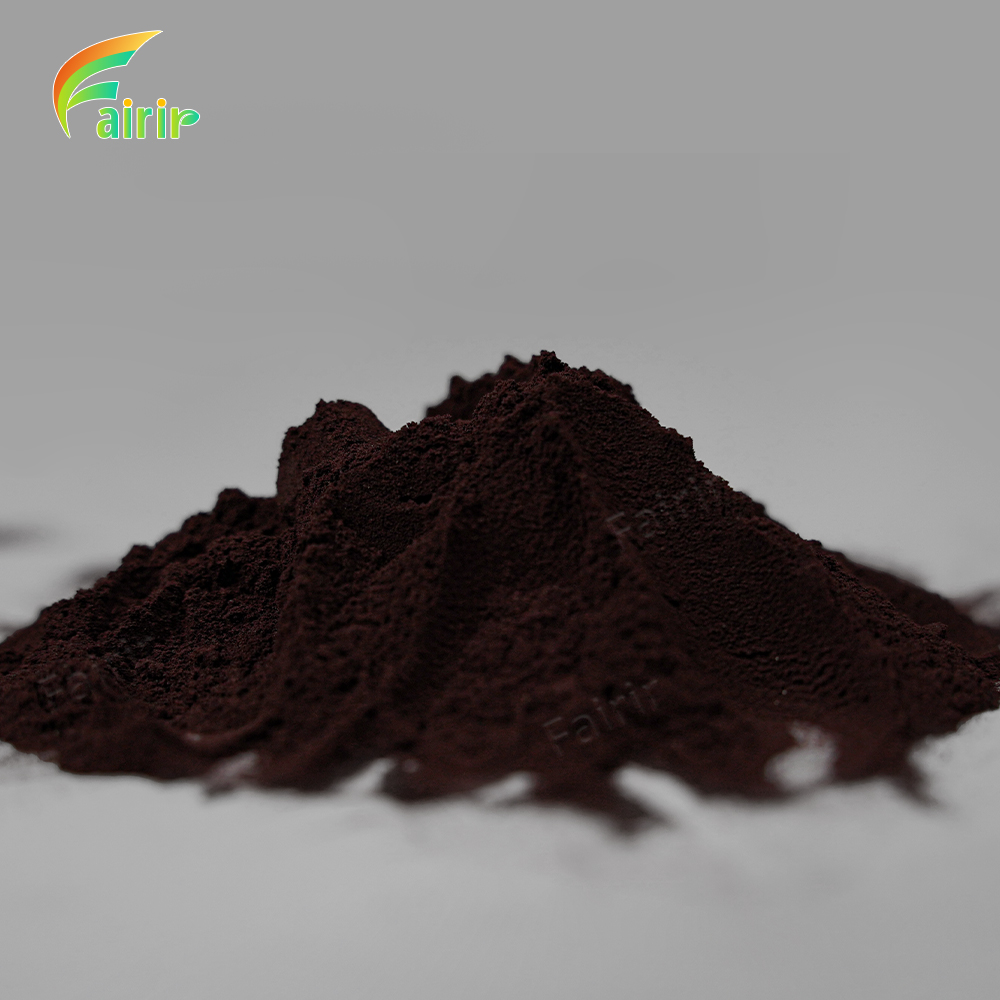
Our pure Astaxanthin Powder meets specific requirements for concentrations between 1% and 96%, as shown by HPLC and UV spectrophotometry. This test makes sure that the measurements are correct and that other carotenoids don't mess with them or make the numbers too high. The brown-red powder form is more stable than oleoresin, which is helpful for companies making solid-dose vitamins or useful drinks.
Clinical Foundation for Vision Benefits
Several clinical studies have looked at how astaxanthin affects different aspects of eyesight. A controlled study with 49 people showed that nutrition made a big difference in their ability to adjust their eyesight after six weeks. In another study that tested contrast sensitivity, people who were given natural astaxanthin did better in low light than people who were given a fake.
These studies show that astaxanthin helps vision in several ways, including lowering inflammation in eye tissues, increasing blood flow to the retina, and shielding cells from damage caused by UV light. The growing body of evidence gives product development teams a solid base for making eye health supplements that have been clinically proven to work.
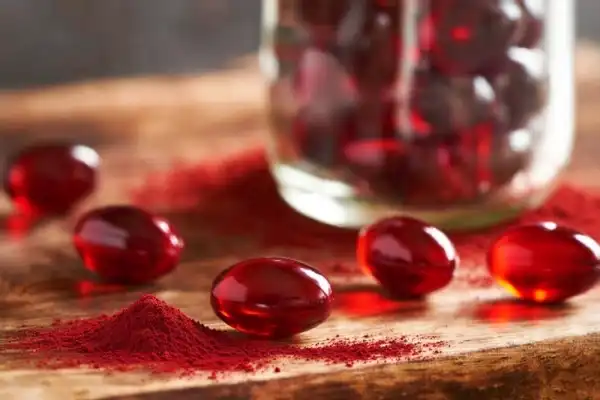
Astaxanthin Powder and Night Vision: Exploring the Clinical Evidence
The Science Behind Night Vision Impairment
Rod cells in the retina lose their ability to adapt to darkness, which leads to worsening night vision. This process, called dark adaptation, needs rhodopsin, the pigment in rod cells that reacts to light, to grow again. Oxidative stress and cellular fatigue make it hard for rhodopsin to work and be made, which is especially true for older people or people who strain their eyes all the time with Astaxanthin Powder.
These problems are made worse by environmental factors. Exposure to digital screens raises oxidative stress in retinal cells. Lack of vitamin A affects the production of rhodopsin. Blood flow problems make it harder for nutrients to get to the eye cells. Astaxanthin works on a number of these core issues at the same time, which makes it a complete way to improve night vision.
Clinical Trials Measuring Dark Adaptation
Over the course of 12 weeks, a randomised, double-blind study looked at 48 people with mild eye tiredness. The dark adaptation time of people who took 6 mg of natural astaxanthin every day was significantly longer than that of people who took a placebo. The treatment group got used to low-light conditions faster and said they had less eye pain while driving at night.
Another test was only about contrast sensitivity, which is the ability to tell things apart when they are in dim light, and the background is similar. When people took astaxanthin, they were better able to see differences in light levels. These improvements started to show up in four weeks and lasted for the whole eight-week study period.
More information can be gained from research that involves computer workers. A study with 39 people who had tired eyes found that taking astaxanthin supplements increased the speed at which the eyes could adjust and decreased the symptoms of asthenopia. Even though these results weren't just about night vision, they do suggest that better visual performance in low light is related to other functions.
Real-World Applications Across Populations
It's important to look at athletes as a case study group. Professional baseball players who took astaxanthin supplements said they could better follow moving objects in bright stadium lights. There aren't many controlled studies on this group of people yet, but anecdotal evidence suggests that it may help with activities that need quick visual processing in changing lighting.
People who are getting older gradually lose their ability to see at night. Clinical observations show that older adults who take astaxanthin may be able to keep their scotopic vision better than their peers who don't take the supplement. In most cases, the most effective dosing plans involved giving between 4 and 12 mg every day for at least six weeks.
People in the military who work in low-light conditions have helped with basic assessments. Although there isn't a lot of comprehensive published data yet, early results show that it might be useful for jobs that need good night vision. These examples from real life show how lab results can be used in real life.
Comparing Astaxanthin Powder with Other Supplement Forms for Eye Health
Powder vs. Capsule vs. Oil Delivery Systems
The powder format has clear advantages for manufacturing. Pharmaceutical businesses that are making solid-dose goods can benefit from making the blending process easier. The microencapsulated powder form keeps the active ingredient from oxidising while still letting it flow easily for filling capsules and making tablets.
Since astaxanthin oil is lipophilic, it has benefits for absorption but can be hard to handle. The sticky texture makes automated filling equipment harder to use and raises the risk of cross-contamination. This problem can be solved by cold-water dispersible powder types that use emulsion technology to make the naturally hydrophobic molecule work with water-based systems.
Testing for stability shows big differences. Powder formulations are kept safe from light and oxygen by our vacuum-sealed aluminium foil packaging. Astaxanthin Powder stays active for 24 months when kept properly and under controlled conditions. This longer shelf life lowers the risk of running out of stock for distributors who handle large goods.
Natural vs. Synthetic Sourcing Implications
More and more, regulations are favouring natural sources for use in cosmetics and nutrition products. The organic approval systems in the EU and the US only accept natural ways of extracting ingredients. Synthetic astaxanthin is limited in some places, and even though it is chemically the same, consumers may not like it.
Supply chain dependability varies by source. Using closed photobioreactor systems to grow microalgae ensures consistent production all year long. Petrochemical feedstocks are used in synthetic manufacturing, and their prices can change quickly. Teams in charge of buying things for businesses should check to see if suppliers have the ability to keep output stable even when demand changes.
The sources also have different testing needs. Natural astaxanthin needs to be screened for pheophorbide, which is a byproduct of chlorophyll breakdown that can make you sensitive to light. As part of our quality control procedures, we use chromatographic analysis to make sure that the amounts of pheophorbide stay below the limits of measurement. This means that the product is safe for both external and internal use.
Benchmarking Against Alternative Antioxidants
Beta carotene has been used for a long time as the standard way to get vitamin A for healthy eyes. However, astaxanthin is a better antioxidant than beta carotene because it doesn't have the pro-oxidant activity that beta carotene does at high concentrations. Clinical tests show that astaxanthin protects the retina better against damage caused by light.
Lutein and zeaxanthin are mostly found in the macula, which protects the central vision in a specific area. Astaxanthin is spread out across all layers of the retina, including the peripheral rod cells that are important for night vision. Formulations that mix these carotenoids may help with more than one part of eye performance at the same time.
Astaxanthin is one of the vitamins that can be found in small amounts in spirulina. The concentration is still too low—usually less than 0.5% by weight—to be used for therapeutic purposes. When it comes to food supplements, purified Astaxanthin Powder makes it possible to give the exact dose that is needed for clinical effectiveness and legal compliance.
Practical Considerations for Procurement and Use
Evidence-Based Dosing Recommendations
According to clinical research, the best range for supporting visual performance is between 4 and 12 mg per day. Studies that showed changes in night vision usually used 6 mg for longer than four weeks. The dose-response relationship suggests that higher doses within the tested range may have stronger effects, though this can vary from person to person.
This range of doses is supported by safety data. Toxicology tests show that long-term exposures of up to 100 mg per day do not cause any harm. The important thing that needs to be thought about is how it might interact with blood thinners, but the clinical meaning is still unknown. Formulators should give people who take blood-thinning drugs the right information.
Application Scenarios for Product Development
Dietary supplement makers make up the largest part of the market. At the moment, most products come in capsule form, with 4 to 12 mg per serving. To keep tablets from going bad during compression, you need to know a lot about how to make them. Our Astaxanthin Powder standards range from 1% to 96% concentration to meet the needs of a wide range of products.
Functional food uses make the market bigger. Companies that make drinks can add cold-water dispersible powder versions of antioxidants to their drinks. For eye health, nutrition bar makers add astaxanthin that is microencapsulated. For these uses, formulation help is needed to keep things stable during processing and storage.
Astaxanthin is being used more and more in cosmetics that claim to be antioxidants. Topical applications are meant to protect the skin and work with supplements taken by mouth for full oxidative stress management. When mixed with antioxidant agents in the right way, our Astaxanthin Powder stays stable in emulsion systems.
Supplier Evaluation and Quality Assurance
Professionals in charge of buying things should give preference to sellers whose factories are GMP-certified. Our 10,000-square-meter building has ISO, USDA Organic, EU, and Halal certifications, which allow us to sell our products all over the world. These credentials show that you are dedicated to quality management systems that B2B clients need.
Verification of quality is based on analytical tests. HPLC research is the best way to check the purity of a substance because it separates astaxanthin from chemicals that could be harmful. UV spectrophotometry by itself can give results that are too high. To meet Prop 65 and European Pharmacopoeia standards, we use both of these methods along with ICP-MS heavy metal screens.
Supply chain openness is important. We have continuous countercurrent systems, double-effect concentration units, and vacuum belt dryers as part of our extraction tools. These help us get the highest output while keeping the bioactivity. Fourteen extraction tanks made of stainless steel with capacities between 500 and 3,000 litres help keep the batch consistent. Up to 98% of the oil is extracted by three fully automatic production lines.
Logistics skills affect how purchases are planned. Our standard delivery time for stock items is one to three business days, which keeps inventory holding costs to a minimum. You can package your food in vacuum-sealed aluminium foil bags or fibre drums with two layers of food-grade poly bags that keep the food fresh while it's shipped internationally.
Strategic Benefits of Incorporating Astaxanthin Powder into B2B Product Lines
Market Trends Driving Demand
As people spend more time in front of screens and get older, the world market for eye health supplements keeps growing. According to market research, the annual growth rate will be more than 7% until 2028. People are actively looking for ingredients that are backed by science to help with digital eye strain and vision loss that comes with getting older.
People who care about their health are becoming much more aware of astaxanthin. Discussions on social media and endorsements from influential people raise awareness. This pull from customers opens up opportunities for brands that add clinically proven astaxanthin to their product lines.
Competitive Differentiation Through Clinical Backing
Products with scientific evidence deserve to be at the top of the list. The published research on astaxanthin gives marketing teams scientific proof for claims about eye health. This paperwork makes the process of getting governmental approval easier in a lot of different places.
Quality certificates make a brand seem more trustworthy. Our organic, non-GMO, gluten-free, and vegan standards are in line with what customers want. Documentation that is free of BSE and TSE handles safety issues. These features help products stand out in supplement markets that are already very crowded.
Private labelling lets you get into a market quickly. We can make pills, tablets, softgels, chews, and single-serve sachets that are exactly what you need. Custom packaging options help build a brand's personality without having to spend a lot of money on production infrastructure.
ROI Considerations for Distributors and Brand Owners
The higher prices that ingredients with scientific backing bring in help businesses make more money. Most of the time, astaxanthin products cost more than regular antioxidant supplements. This positioning of value is good for distribution partners.
People who are happy with eye health products continue to buy them again and again. The four to twelve-week time frame for obvious effects makes people more likely to keep using it. This pattern of consumption makes reordering predictable, which helps plan inventory.
Product lifecycles can be extended through innovation. When astaxanthin is mixed with nutrients that work well together, unique mixes are made that protect against commodity competition. New ways to deliver medicines, such as sublingual strips and functional drinks, create new market segments.
Conclusion
There is clinical proof that astaxanthin improves both night vision and overall eyesight. This carotenoid is a valuable ingredient for eye health products because it has a special molecular structure that lets it pass through the blood-retina barrier and has a high antioxidant capacity. Research that has been reviewed by experts shows that doses between 4 and 12 mg per day can improve dark adaptation, contrast sensitivity, and reduce visual fatigue. Astaxanthin Powder has a lot of benefits for B2B sourcing teams looking at ingredients. It has been clinically proven to work, is accepted by regulators around the world, and can be used in a lot of different ways, such as in supplements, functional foods, and makeup. The powder format solves specific problems with production while keeping solubility and stability, which are important for the effectiveness of the product.
FAQ
Q1. Does Astaxanthin Powder really help you see better at night?
Improvements in dark adaptation and contrast perception can be seen in clinical studies. Studies show that people who take 6 mg every day are able to adjust to low light conditions faster than people who take a placebo. The improvements come from rod cells having less oxidative stress and rhodopsin working better. After taking supplements regularly for four to eight weeks, the effects usually start to show.
Q2. What dose leads to the best results for eye health?
According to research, the best range is between 4 and 12 mg per day. Most studies that showed night vision benefits used 6 mg for longer than four weeks. Higher doses within the range that was tested may have stronger effects. How each person reacts depends on their background amount of oxidative stress and visual health.
Q3. Is there a risk of harm if used for a long time?
In toxicology studies, astaxanthin is very safe. When taken up to 100 mg a day for long periods of time, there are no bad effects. The main thing to think about is how these medicines might combine with anticoagulant drugs. As a safety measure, women who are pregnant should talk to their doctors before taking supplements.
Partner with Fairir for Premium Astaxanthin Powder Supply
Shaanxi Fairir Biotech Co., Ltd. is a trustworthy company that makes Astaxanthin Powder and supports new ideas in eye health. Our GMP-certified lab uses cutting-edge extraction methods and strict HPLC testing techniques to make sure that the purity stays the same from 1% to 96%. The 11 master's degree-holding members of the experienced research and development team help with formulation for nutraceutical, pharmaceutical, and cosmetic uses.
We know what's important for businesses that buy things from each other: reliable supply chains, competitive prices, and quick technical support. Our three fully automatic production lines can extract up to 98% of the ingredients they need, and they can handle both large orders and custom formulas. Full certifications, like ISO, USDA Organic, EU, and Halal, make it easier to get into markets around the world. You can speed up the development of your product by private labelling pills, tablets, softgels, and candies.
Get in touch with us at sales@fairirbiotech.com to talk about your Astaxanthin Powder needs. You can check out the quality of our work before you sign by getting free examples. Our manufacturing know-how and quality control methods will help you succeed in the supplement market, whether you're making new eye health goods or improving old ones.
References
1. Nakamura A, Isobe R, Otaka Y, et al. Changes in visual function following peroral astaxanthin. Japanese Journal of Clinical Ophthalmology. 2004;58(6):1051-1054.
2. Nagaki Y, Mihara M, Tsukuhara H, Ono S. The supplementation effect of astaxanthin on accommodation and asthenopia. Journal of Clinical Therapeutics & Medicines. 2006;22(1):41-54.
3. Saito M, Yoshida K, Saito W, Fujiya A, Ohgami K, Kitaichi N, Tsukahara H, Ishida S, Ohno S. Astaxanthin increases choroidal blood flow velocity. Graefe's Archive for Clinical and Experimental Ophthalmology. 2012;250(2):239-245.
4. Parisi V, Tedeschi M, Gallinaro G, Varano M, Saviano S, Piermarocchi S. Carotenoids and antioxidants in age-related maculopathy: design implications for clinical trials. Nutrition Reviews. 2008;66(8):465-472.
5. Iwasaki T, Tawara A. Effects of astaxanthin on eyestrain induced by accommodative dysfunction. Journal of Eye. 2006;23(6):829-834.
6. Wolf AM, Asoh S, Hiranuma H, Ohsawa I, Iio K, Satou A, Ishikura M, Ohta S. Astaxanthin protects mitochondrial redox state and functional integrity against oxidative stress. Journal of Nutritional Biochemistry. 2010;21(5):381-389.